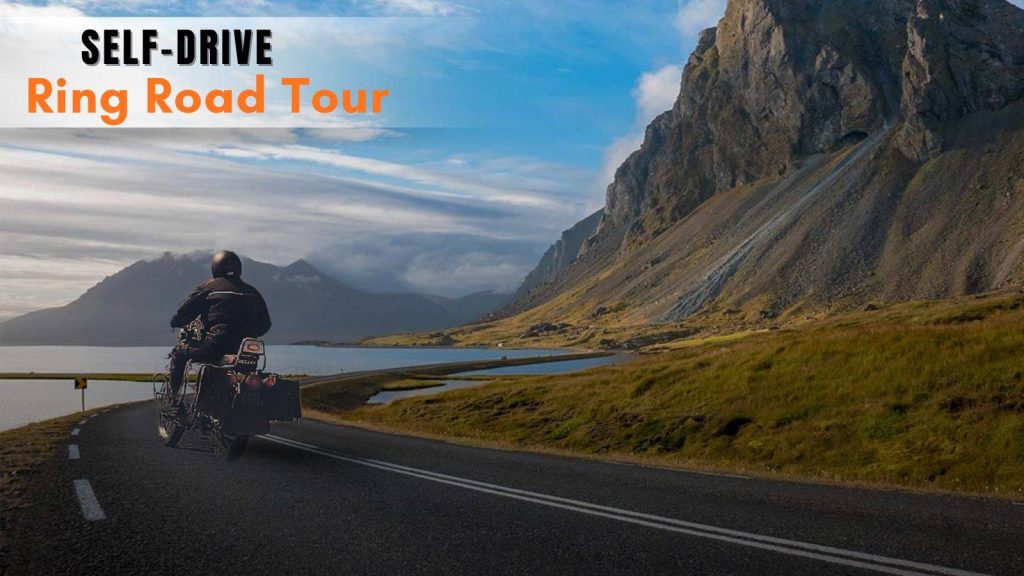
Iceland is a land of striking contrasts, where jagged lava fields meet sprawling glaciers, steaming geysers erupt across volcanic landscapes, and waterfalls thunder into deep, scenic canyons. Travelers who crave freedom and adventure, embarking on a Self-Drive Ring Road Tour offers the perfect way to experience Iceland on your own terms.
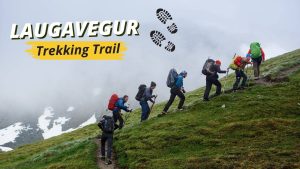
Laugavegur Trekking Trail: Ultimate Iceland Hiking Tours & Itinerary
Structured guided tours, a self-drive journey puts you in the driver’s seat, allowing you to stop at hidden places, linger at breathtaking vistas, and enjoy remote locations at your own pace. From rugged coastlines to geothermal hotspots.
Find all the essential tips, routes, and insights to plan a safe, immersive, and unforgettable road trip along Iceland’s iconic Ring Road.
About Self-Drive Ring Road Tour
The Ring Road, known locally as Route 1, loops around Iceland for approximately 1,332 kilometers (828 miles), connecting the country’s major towns, natural attractions, and remote landscapes. A Self-Drive Ring Road Tour offers travelers unmatched flexibility and access to both popular destinations and off-the-beaten-path locations. Bus or guided tours, driving yourself allows for spontaneous detours to secluded waterfalls, scenic viewpoints, and charming local towns.
Best time for a road trip depends on your goals: summer (June to August) brings endless daylight, milder weather, and full accessibility to most roads, while winter (November to February) offers the magical opportunity to witness the northern lights and snow-covered landscapes.
Shoulder seasons like May and September can provide fewer tourists, lower prices, and still relatively good driving conditions. Understanding the seasonal differences is key to planning a smooth and enjoyable adventure.
Planning Iceland Road Trip
Proper planning is the cornerstone of a successful Self-Drive Ring Road Tour in Iceland. Iceland’s landscapes are breathtaking but can be unpredictable, so thoughtful preparation ensures safety, comfort, and a memorable adventure.
From selecting the right itinerary to budgeting, booking accommodations, and preparing travel essentials, every step matters. Below find details to help plan the perfect Icelandic road trip.
Choose Trip Duration
Length of your trip greatly influences which areas you can explore, the pace of your journey, and the experiences you can enjoy. Iceland’s Ring Road is over 1,300 kilometers, and while the main route is well-maintained, weather conditions and sightseeing stops can significantly affect travel time. Here’s a breakdown by trip duration:
7-Day Trip: South and West Highlights
A 7-day trip is ideal for travelers with limited time who want to experience Iceland’s most iconic and accessible sights. This itinerary focuses mainly on the south coast and the western regions, offering dramatic landscapes and renowned attractions.
- Key Stops: Reykjavik (Iceland’s capital), the Golden Circle including Þingvellir National Park, Geysir geothermal area, and Gullfoss waterfall. Continue along the south coast to Seljalandsfoss and Skógafoss waterfalls, the striking Reynisfjara black sand beach, and the majestic Vatnajökull Glacier.
- Experience: This trip is perfect for photography enthusiasts, waterfall lovers, and those looking to witness glaciers and volcanic landscapes without traveling long distances.
- Activities: Opportunities include glacier hikes, exploring ice caves, walking behind waterfalls, and visiting black sand beaches. This itinerary allows for an immersive experience while keeping the pace manageable.
- Tip: Plan your stops carefully to avoid long driving stretches in a single day. Prioritize must-see attractions and book popular activities like glacier tours in advance.
10-Day Trip: Northern Iceland & Hidden Gems
Extending your trip to 10 days allows you to explore northern Iceland while keeping a relaxed pace. This itinerary balances iconic destinations with lesser-known areas, providing a more comprehensive experience of Icelandic nature and culture.
- Key Stops: Begin with the south coast highlights, then head north to Akureyri, Iceland’s “Capital of the North.” Explore Lake Mývatn with its geothermal features, Dettifoss waterfall, and Húsavík for whale watching. Include hidden waterfalls, lava fields, and small, charming villages along the way.
- Experience: With extra days, you can enjoy more spontaneous stops, explore local culture, and take time to soak in natural wonders without feeling rushed.
- Activities: Whale watching tours, hot spring bathing, hiking volcanic landscapes, and photographing secluded waterfalls and canyons.
- Tip: This itinerary provides flexibility to adapt to weather changes, which is common in northern Iceland. Make sure to check road conditions before venturing into remote areas.
14-Day Trip: Comprehensive Exploration
A two-week trip is perfect for travelers seeking a full, immersive Iceland experience, covering both the Ring Road and off-the-beaten-path locations. This itinerary is ideal for those who want to explore the entirety of Iceland, from bustling towns to secluded fjords and hidden natural wonders.
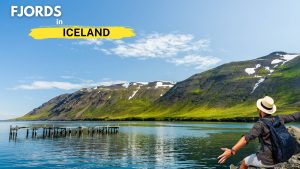
- Key Stops: Westfjords, Snæfellsnes Peninsula, remote hot springs, small fishing villages, and less-touristed scenic spots. Combine these with the main Ring Road attractions for a complete adventure.
- Experience: This extended trip allows for deep cultural engagement, scenic drives through remote landscapes, and the chance to witness Iceland’s diverse ecosystems, including puffin colonies, volcanic craters, and glacier lagoons.
- Activities: Adventure enthusiasts can enjoy hiking, horseback riding, kayaking, and off-road exploration, while those seeking relaxation can bathe in natural hot springs and enjoy quiet coastal towns.
- Tip: Weather in Iceland can change rapidly, especially in remote regions. Allow extra days in your itinerary for flexibility, and always carry appropriate gear for rain, wind, or cold temperatures.
A well-planned Self-Drive Ring Road Tour in Iceland ensures you experience the country’s iconic landscapes, hidden treasures, and local culture in a safe and enjoyable way. Choosing the right trip duration is the first step in creating a memorable adventure, whether you have one week or two.
Renting a Car in Iceland for a Self-Drive Ring Road Tour
Renting the right vehicle is one of the most important steps in planning a Self-Drive Ring Road Tour in Iceland. The country’s diverse landscape, ranging from paved highways to gravel tracks and mountainous routes, means that the choice of car can make or break your journey.
Find details covering vehicle selection, costs, insurance, driving conditions, and tips to ensure a safe and enjoyable Icelandic adventure.
Choosing the Right Vehicle
Selecting the appropriate vehicle for your trip is crucial because Iceland’s roads vary significantly depending on the season and region. For summer travel on the main Ring Road, a 2WD vehicle such as a compact car or small SUV is generally sufficient. These vehicles are cheaper to rent, consume less fuel, and are comfortable for city and highway driving.
Plan to enjoy highland roads (F-roads), mountain passes, or travel during winter, a 4WD or AWD vehicle is highly recommended. These vehicles provide better stability and traction on gravel roads, snow, ice, or uneven terrain. Popular 4WD options include Toyota RAV4, Dacia Duster, or Land Cruiser models.
Vehicle Size & Comfort: For families or groups, larger vehicles are ideal as they provide extra luggage space and more comfortable seating for long drives.
Cost Estimates:
- 2WD compact car: US$56–$91/day
- 4WD SUV: US$92–$220/day depending on model and season
Insurance and Protection Options
Iceland’s roads can be unpredictable, and accidents or vehicle damage can be expensive. Therefore, comprehensive insurance is essential.
- Collision Damage Waiver (CDW): Reduces your financial responsibility in case of accidents. Standard CDW may still have a high excess (deductible).
- Gravel Protection (GP): Important for gravel roads outside urban areas. Protects your car from chipped paint, cracked headlights, and windshield damage.
- Sand & Ash Protection (SAP): Critical in volcanic areas or during strong wind conditions that blow ash or sand. Prevents damage to paint, glass, and plastic components.
- Super Protection / Zero Excess: Some companies offer a top-level insurance that eliminates your financial liability for minor damage or accidents.
Cost Estimates for Insurance:
- Gravel and sand protection: ~€10–€20/day depending on the provider
- Top-level protection may cost more but is highly recommended for peace of mind.
Other Cost Considerations
Fuel: Fuel consumption depends on your car. According to Blue Car Rental:
- A small 2WD car might use 5.5–6.5 L / 100 km.
- A 4×4 (especially on rough roads) could use 7.5–10 L / 100 km.
- Fuel in Iceland isn’t cheap; planning refuels and your daily km is important.
Tolls: There is at least one significant toll tunnel on the Ring Road (Vaðlaheiðargöng, near Akureyri) for cars under 3.5 tons.
Parking: In Reykjavík, parking zones can be expensive. For example, in one guide, P1 (prime zone) is ~630 ISK per hour; other zones are cheaper.
Extras: GPS, Wi-Fi, child seats, roof boxes, extra drivers — all these add up. ZeroCar warns that even if the base rental rate looks low, these extras can significantly raise your cost.
Vehicle Choice: 2WD vs 4WD
Given the variations in road types in Iceland, your choice makes a big difference:
2WD (Economy or Compact):
- Usually sufficient for summer Ring Road tours and other paved roads.
- Cheaper to rent, lower fuel consumption, and lower insurance cost.
4WD / AWD:
- Highly recommended / necessary for winter driving, F-roads (highland, gravel tracks), or off-piste adventures.
- More stable and safer on rough terrain, but costlier for both rental and fuel.
- Insurance for gravel, sand & ash becomes more important.
Risks & Driving Conditions in Iceland
When you’re driving around Iceland, especially on the Ring Road and beyond:
- Weather can change suddenly — strong winds, rain, snow can come in fast.
- Many one-lane bridges — you need to be careful, yield correctly.
- Animal crossings are common in rural areas — keep speed in check.
- On F‑roads (mountain roads): river crossings may be required, and many insurance policies do not cover water ingress or damage from unbridged rivers.
- Driving rules: read up on speed limits, road signs, and local regulations before you start.
Sample Cost Estimate for a Ring Road Trip
Here’s a rough, illustrative budget for a 7-day self-drive Ring Road trip (just for car + fuel + insurance):
| Item | Estimate (for 7 days) |
|---|---|
| 2WD rental (compact, summer) | ~US$70–$140/day → US$490–$980 |
| 4WD rental | ~US$100–$220/day → US$700–$1,540 |
| Insurance (GP + SAP if needed) | Depends on company — could add €10–€20/day or more in some cases (or equivalent) |
| Fuel | Suppose 200 km/day, using 6 L/100 km → ~12 L/day × ISK ~300/L → ~ ISK 3,600/day → for 7 days ~ ISK 25,200 (~US$180‑200 approx, depending on fuel price) |
| Tolls + Parking | Varies, but budget maybe a few thousand ISK for parking + possible tunnel tolls. |
Rough Total (for car + fuel + insurance, 7 days):
- 2WD trip: ~US$650–1,200 (plus local currency equivalents)
- 4WD trip: ~US$900–1,800+ depending on insurance and extras
Careful planning, a reliable vehicle, safety awareness, and a sense of adventure are the keys to making the most of this iconic road trip. Iceland awaits, and the Ring Road promises memories that will last a lifetime.
FAQs
1. Do I need an international driver’s license for driving in Iceland?
Yes, most visitors can drive in Iceland with a valid home country driver’s license in the Roman alphabet. However, if your license is not in English, German, or another Latin alphabet, an International Driving Permit (IDP) is recommended. Renting a car without the proper documentation may lead to insurance issues.
2. How many kilometers do I drive on a full Ring Road trip?
The Ring Road itself is approximately 1,332 km (828 miles). However, factoring in detours to attractions like waterfalls, fjords, and hiking trails, travelers typically cover 1,500–2,000 km on a full self-drive tour. Planning fuel stops and driving times is essential for comfort and safety.
3. Are roads on the Ring Road suitable for novice drivers?
Most of the Ring Road is paved and well-maintained, suitable for beginners. However, narrow one-lane bridges, sudden weather changes, and gravel roads in rural areas can be challenging. Beginners should drive cautiously, avoid risky roads in winter, and always check weather and road conditions before departure.
4. Can I drive the Ring Road in winter?
Yes, winter drives (November–March) are possible but require careful planning. Roads may be icy or covered with snow, and some remote routes or F-roads may be closed. A 4WD vehicle with studded tires is recommended, along with extra safety measures such as emergency supplies, proper clothing, and awareness of short daylight hours.
5. How much does a typical self-drive Ring Road tour cost?
Costs vary depending on duration, season, and travel style. Average estimates include:
- Car rental: $50–$150/day depending on the vehicle type
- Fuel: $2.00–$2.50 per liter
- Accommodation: $100–$300/night for hotels; $30–$70 for campsites
- Food: $15–$50 per meal at restaurants, cheaper for groceries
Budgeting $2,000–$4,000 per person for a 7–10 day trip is a safe estimate.
6. How many days do I need for a full Ring Road tour?
While a full Ring Road circuit can technically be done in 5–7 days, most travelers recommend 10–14 days to comfortably explore attractions, take scenic detours, and account for unpredictable weather. Rushing the trip may reduce the experience and leave out hidden gems.
7. Are there charging stations for electric cars on the Ring Road?
Yes, Iceland is gradually expanding EV infrastructure. Charging stations are available in major towns and tourist areas, but remote locations may not have facilities. If driving an electric car, plan your route in advance and carry a charging app like PlugShare or Iceland EV Map to ensure smooth travel.
8. Can I drive on F-roads with a standard rental car?
No. F-roads (mountain and highland roads) are rough, gravel tracks that require 4WD vehicles. Standard 2WD rentals are not permitted on these roads by insurance companies. Driving on F-roads with a standard vehicle can result in fines or voided insurance.
9. What apps or tools are useful for a Self-Drive Ring Road Tour?
Several apps help make the journey safer and smoother:
- Vedur: Real-time weather updates
- 112 Iceland: Emergency services app
- Google Maps or Maps.me: Navigation and offline maps
- Iceland Road Administration (Vegagerdin.is): Road condition updates
These apps help plan stops, monitor road closures, and manage safety during unpredictable Icelandic weather.
10. Are there fuel stations along the entire Ring Road?
Fuel stations are available along the Ring Road, especially near towns, but they can be sparse in remote areas of East, North, and West Iceland. It’s recommended to refuel whenever possible, especially before heading into isolated regions. Many stations accept credit cards, but carrying cash can be a backup in some remote locations.