

Canada Infant Passport: How to Get the Passport for Baby (0-2 Years) Without Photo Rejections
Applying for a Canada infant passport can be one of the more time-consuming tasks for new parents, but…
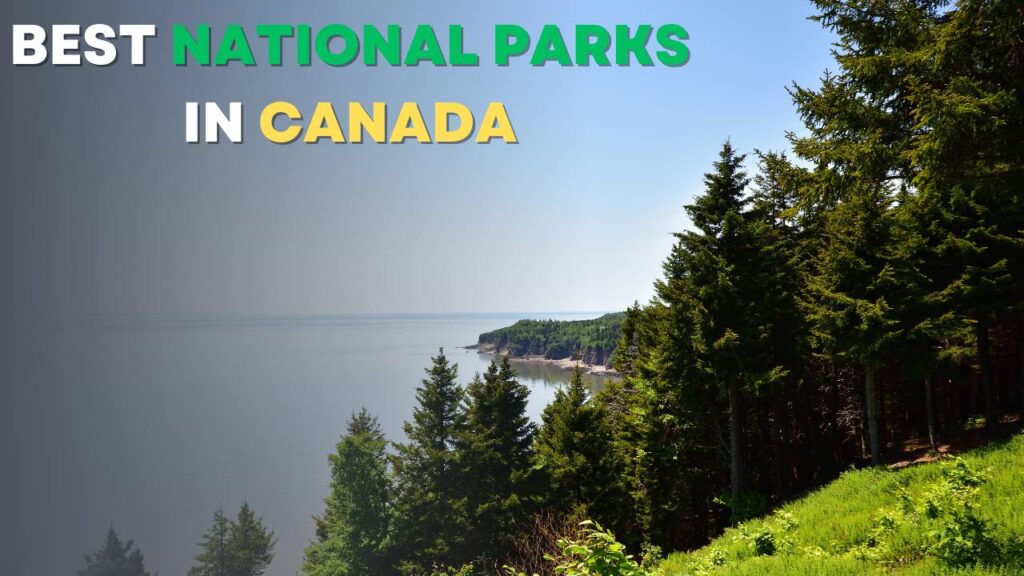
Canada is a land of breathtaking landscapes, diverse wildlife, and endless outdoor adventures. From the towering peaks of the Rocky Mountains to the rugged coastlines of the Atlantic, the country is home to some of the Best National Parks in Canada, offering a perfect escape into nature. Seeking thrilling hiking trails, serene lakes, or mesmerizing wildlife encounters, these national parks provide unforgettable experiences for every traveler. Stunning beauty of Canada’s wilderness and immerse yourself in the natural wonders that make these parks must-visit destinations.
Top Winter Destinations in Canada: Where to Go & What to Do
Banff National Park is one of Canada’s most breathtaking destinations, attracting millions of visitors every year. Nestled in the heart of the Canadian Rockies in Alberta, this park offers a stunning combination of rugged mountains, pristine lakes, diverse wildlife, and a variety of outdoor adventures. For hiking trails, winter sports, or serene landscapes, Banff National Park is a must-visit for nature enthusiasts.

Banff National Park is situated in Alberta, approximately 126 km (78 miles) west of Calgary. The park is easily accessible via the Trans-Canada Highway (Highway 1), making it an ideal road trip destination. The drive from Calgary takes about 1.5 hours, providing spectacular mountain views along the way. Visitors coming from Vancouver can expect a longer journey of around 850 km (528 miles), which takes approximately 9-10 hours by car.
Who prefer air travel, the closest major airport is Calgary International Airport (YYC). From there, travelers can rent a car, take a shuttle, or use a guided tour service to reach the park. Several tour operators also offer direct bus services between Calgary and Banff, making transportation hassle-free.
Banff National Park is open year-round, 24 hours a day, 7 days a week. Each season offers a unique experience, from summer hikes and lake activities to winter skiing and snowshoeing.
To access Banff National Park, visitors must purchase a Parks Canada Discovery Pass, which grants entry to the park and its attractions.
Visitors staying multiple days can purchase a Discovery Pass (CAD 72.25 per adult or CAD 145.25 per family/group), which allows unlimited entry to Banff and other Canadian national parks for one year.
Banff National Park is an outdoor paradise, offering countless activities for all types of travelers. Whether you love hiking, wildlife spotting, or adventure sports, there’s something for everyone.
Banff boasts some of the most scenic hiking trails in Canada, ranging from easy walks to challenging treks. Some of the most popular trails include:
During summer, wildflowers bloom along the trails, while autumn offers breathtaking golden larch trees. Winter hiking is also possible, with guided ice walks available for Johnston Canyon.
Banff National Park is home to an impressive array of wildlife, making it an excellent place for animal lovers. Visitors may encounter:
For a safe and responsible wildlife experience, always keep a safe distance and never feed the animals. Early mornings and late evenings are the best times for wildlife spotting.
Lake Louise and Moraine Lake are two of Banff’s most iconic and breathtaking attractions.
Due to high demand, visitors are encouraged to book shuttle buses in advance, as private vehicle access to Moraine Lake is restricted.
Banff is a world-class winter destination, offering some of the best skiing and snowboarding in North America. The top ski resorts include:
For non-skiers, winter activities such as snowshoeing, ice climbing, and dog sledding are also available.
Canmore is a charming mountain town offering:
Yoho National Park, located west of Banff, is known for:
The Icefields Parkway is a legendary scenic highway that connects Banff to Jasper National Park, featuring:
Jasper National Park is one of Canada’s most spectacular wilderness destinations, known for its breathtaking mountain landscapes, diverse wildlife, and outdoor adventure opportunities. Established in 1907, it is Canada’s largest national park in the Rocky Mountains, covering an area of 11,000 square kilometers (4,200 square miles).
Jasper offers a rugged and less commercialized experience compared to Banff, making it a paradise for nature lovers, hikers, and photographers. With its pristine lakes, glaciers, waterfalls, and rich ecosystems, Jasper National Park is a must-visit for anyone looking to experience the untouched beauty of the Canadian Rockies.

Jasper National Park is located in western Alberta, about 370 km (230 miles) west of Edmonton. It is easily accessible by road via the Yellowhead Highway (Highway 16), which connects Edmonton to Jasper. The drive from Edmonton to Jasper takes approximately 4 hours, offering beautiful scenic views of dense forests, mountain ranges, and wildlife along the way.
For travelers flying into Canada, the nearest international airport is Edmonton International Airport (YEG). From there, visitors can either rent a car for a scenic road trip or take a shuttle service to Jasper.
Another popular route to Jasper is from Banff National Park via the Icefields Parkway (Highway 93), a 230 km (143 miles) drive that takes approximately 3.5 to 4 hours. This route is considered one of the most scenic highways in the world, passing through the Columbia Icefield, waterfalls, and alpine meadows.
Those traveling from British Columbia, Jasper can be reached via Highway 5 and Highway 16, with the closest major city being Prince George, BC, approximately 375 km (233 miles) west of Jasper.
Jasper National Park is open year-round, 24 hours a day, 7 days a week. Each season offers a different experience, from vibrant summer hikes to winter wonderland activities such as skiing and ice climbing.
While the park is always accessible, certain roads and trails may be closed in winter due to heavy snowfall. Visitors planning to Jasper in winter (November–April) should check for seasonal road closures and carry proper winter gear.
To enter Jasper National Park, visitors must purchase a park pass, which helps fund park conservation and maintenance. The current entry fees are:
For visitors planning an extended stay or visiting multiple national parks, a Parks Canada Discovery Pass is available, providing unlimited access for a year. The pass costs CAD 72.25 per adult or CAD 145.25 per family/group, making it a great option for frequent travelers.
Jasper National Park is a haven for outdoor enthusiasts, offering an incredible variety of activities. Into hiking, wildlife spotting, canoeing, stargazing, or glacier tours, Jasper has something for everyone.
Maligne Lake is one of Jasper’s most famous attractions, known for its crystal-clear waters, surrounding mountain peaks, and vibrant turquoise color. It stretches 22 km (13.7 miles) long, making it the largest natural lake in the Canadian Rockies.
A visit to Maligne Lake is incomplete without seeing Spirit Island, a small but iconic island that is one of the most photographed places in Canada. To reach Spirit Island, visitors can take a guided boat cruise across the lake, which offers unparalleled views of glaciers, towering peaks, and serene waters.
Who prefer adventure, Maligne Lake offers kayaking, canoeing, and hiking along its picturesque shoreline. The best time to visit is summer (June–September) when the lake is fully accessible and at its most vibrant.
Athabasca Glacier, part of the Columbia Icefield, is one of the most accessible glaciers in the world. Located along the Icefields Parkway, this massive glacier spans 6 km (3.7 miles) in length and is one of the most popular attractions in Jasper National Park.
Visitors can take a guided Ice Explorer tour, where specially designed vehicles drive directly onto the glacier, allowing guests to walk on ancient ice and even drink fresh glacier water. Another thrilling experience is the Glacier Skywalk, a glass-floored observation platform that extends over the Sunwapta Valley, offering breathtaking views of glaciers and rugged mountain terrain.
Due to climate change, the Athabasca Glacier is receding at a rate of 5 meters (16 feet) per year, making it a must-visit destination before it diminishes further.
Jasper National Park is home to diverse wildlife, making it one of the best places in Canada for animal sightings. Visitors may encounter:
Wildlife viewing is best at dawn and dusk, when animals are most active. Visitors should always maintain a safe distance and never feed wildlife.
For a relaxing experience, head to Miette Hot Springs, a natural hot spring located in a mountain valley. With soothing mineral-rich waters and stunning mountain views, it’s the perfect place to unwind after a day of exploring.
Jasper National Park is designated as a Dark Sky Preserve, meaning it has minimal light pollution, making it one of the best places in the world for stargazing.
Visitors can witness dazzling constellations, meteor showers, and even the Northern Lights on clear nights. The Jasper Dark Sky Festival, held every October, attracts astronomy enthusiasts and features stargazing tours, telescope viewings, and expert-led workshops.
Columbia Icefield is one of the largest icefields in the Rocky Mountains, covering an area of 325 square kilometers (125 square miles). This massive glacial expanse is a highlight of the Icefields Parkway, offering activities like:
Pyramid Lake is a serene alpine lake located just a short drive from Jasper town. It offers:
Located in British Columbia, Mount Robson Provincial Park is home to Mount Robson (3,954 meters / 12,972 feet), the highest peak in the Canadian Rockies. The park is famous for:

Pacific Rim National Park Reserve is located on Vancouver Island, British Columbia, along the rugged west coast. The park is divided into three main sections: Long Beach, the Broken Group Islands, and the West Coast Trail. It is accessible via BC Highway 4, which connects the park to Nanaimo (200 km / 124 miles away) and Victoria (317 km / 197 miles away). The closest towns are Tofino and Ucluelet, both serving as gateways to the park. Travelers can reach Vancouver Island via ferry from Vancouver to Nanaimo or by flight to Tofino-Long Beach Airport.
Pacific Rim National Park Reserve is open year-round, 24/7, but some areas may have seasonal restrictions due to weather and trail conditions.
Entry Fees:
The West Coast Trail is one of Canada’s most famous and challenging hiking routes. Spanning 75 km (47 miles) along the coastline, this multi-day trek takes adventurers through dense rainforests, sandy beaches, rocky headlands, and suspension bridges. It was originally created as a lifesaving trail for shipwreck survivors along the Graveyard of the Pacific. Due to its difficulty, the trail requires a permit and advanced booking, with a hiking season from May to September.
Waters around Tofino and Ucluelet are prime locations for spotting gray whales, orcas, humpback whales, and sea lions. The best time for whale watching is from March to October, during the annual gray whale migration. Visitors can book guided boat tours or kayaking excursions for a close-up experience with these magnificent marine mammals.
Long Beach, located between Tofino and Ucluelet, is Canada’s premier surfing destination. The beach offers consistent waves year-round, making it a great spot for beginners and experienced surfers alike. Surf schools and rental shops in Tofino provide lessons and gear for those looking to catch their first wave.
Park is home to lush temperate rainforests, where visitors can visit trails like the Ancient Cedars Loop and Schooner Cove Trail. These trails lead through towering Douglas firs, Sitka spruces, and western red cedars, some of which are over 800 years old. The boardwalk trails provide easy access while protecting the fragile ecosystem.
Tofino is a laid-back surf town known for its scenic beaches, art galleries, and fresh seafood. It is also a great base for kayaking, bear watching, and hot springs tours at Hot Springs Cove.
Ucluelet offers the Wild Pacific Trail, a stunning coastal hiking route that provides breathtaking views of the Pacific Ocean. The Lighthouse Loop is a popular short hike leading to the Amphitrite Lighthouse, a great spot for watching stormy waves crash against the shore.
This park is home to Cathedral Grove, where visitors can see some of the largest and oldest Douglas fir trees in Canada, some over 800 years old and 75 meters (246 feet) tall.
Gros Morne National Park is one of Canada’s most breathtaking and diverse national parks, located on the rugged west coast of Newfoundland. It is a UNESCO World Heritage Site known for its dramatic landscapes, unique geological formations, and abundant outdoor adventure opportunities. From towering fjords to barren tablelands that resemble Mars, this park offers a truly unforgettable experience for nature lovers and adventure seekers alike.

Gros Morne National Park is situated on the western coast of Newfoundland, a province known for its striking coastal scenery and deep-rooted maritime culture. The park spans over 1,800 square kilometers (695 square miles) and is easily accessible by road.
Visitors can reach the park via Route 430 (Viking Trail) from Deer Lake, which is the nearest major town and airport hub. The drive from Deer Lake to the park is approximately 70 km (43 miles), taking around an hour. The route offers scenic views of Newfoundland’s rugged coastline, rolling hills, and charming fishing villages along the way.
Those traveling from mainland Canada, the easiest way to reach Gros Morne is by flying into Deer Lake Regional Airport (YDF) and renting a car for the drive. Alternatively, visitors can take the Marine Atlantic ferry from North Sydney, Nova Scotia, to Port aux Basques, Newfoundland, followed by a scenic 400 km (249 miles) drive northward to the park.
Gros Morne National Park is open year-round, 24/7, allowing visitors to experience its beauty in all seasons. Whether it’s summer hiking or winter snowshoeing, the park has activities available throughout the year.
Visitors can purchase daily passes or opt for an annual Parks Canada Discovery Pass, which provides unlimited access to Gros Morne and other national parks across Canada.
One of the park’s most iconic attractions is Western Brook Pond, a stunning glacial fjord surrounded by 700-meter (2,300-foot) cliffs. The fjord is fed by pure glacial waters, making it one of the cleanest bodies of water in the world.
Visitors can take a scenic boat tour through the fjord, offering breathtaking views of cascading waterfalls, towering rock formations, and lush greenery. The tour provides opportunities for wildlife sightings, including moose, caribou, and bald eagles. For the more adventurous, there’s an option to embark on a multi-day backcountry hike to the top of the fjord, offering a panoramic view that is truly unforgettable.
The Tablelands is one of the most unique geological sites in the world, featuring a barren, rust-colored landscape that resembles Mars. This area is composed of exposed mantle rock, pushed up from beneath the Earth’s crust over 500 million years ago.
A visit to the Tablelands feels like stepping into another world. Hikers can enjoy the Tablelands Trail, an easy 4-km (2.5-mile) walk through this rare terrain, while guided tours provide fascinating insights into its geological significance. The landscape contrasts sharply with the rest of the park, which is lush and green, making the Tablelands a truly unique experience.
Gros Morne’s coastline and fjords offer some of the best sea kayaking experiences in Canada. Paddlers can enjoy the pristine waters of Bonne Bay, a beautiful fjord surrounded by rugged cliffs, quiet coves, and picturesque fishing villages.
Guided kayak tours allow visitors to navigate through sheltered inlets, spot marine wildlife such as seals and seabirds, and experience the serene beauty of Newfoundland’s coastline from the water.
Gros Morne National Park is a hiker’s paradise, offering a variety of trails that range from easy coastal walks to challenging mountain climbs. Some of the most popular trails include:
While Gros Morne itself offers plenty to visit, there are several notable attractions within driving distance that make for great day trips.
Deer Lake is the main entry point for visitors coming to the park, offering accommodations, restaurants, and essential services. The town is located along the Humber River and is known for its fishing, boating, and outdoor recreation opportunities.
For history lovers, a trip to L’Anse aux Meadows is a must. This UNESCO World Heritage Site is the only confirmed Viking settlement in North America, dating back over 1,000 years. The site features reconstructed sod houses, interactive exhibits, and knowledgeable guides who bring Viking history to life.
Located within Gros Morne National Park, Bonne Bay is a stunning fjord known for its rich marine life, boat tours, and cultural experiences. Visitors can enjoy the charming town of Woody Point, visit the Gros Morne Discovery Centre, or simply enjoy the breathtaking scenery from the shoreline.
Fundy National Park, located along the rugged coastline of the Bay of Fundy, is one of New Brunswick’s most spectacular natural treasures. Famous for having the highest tides in the world, this park offers an incredible blend of coastal scenery, lush forests, cascading waterfalls, and diverse outdoor adventures. With over 100 km (62 miles) of hiking trails, unique kayaking experiences, and breathtaking stargazing opportunities, Fundy National Park is a must-visit destination for nature lovers and adventure seekers.

Fundy National Park is located in southeastern New Brunswick, along the shores of the Bay of Fundy, a body of water known for its massive tidal variations. The park is easily accessible by road and is situated approximately 95 km (59 miles) southwest of Moncton, the nearest major city.
Fundy National Park is open year-round, 24/7, allowing visitors to enjoy its stunning landscapes in every season. Whether it’s hiking in the summer, witnessing autumn’s vibrant colors, or snowshoeing in winter, the park offers activities throughout the year.
Visitors can purchase daily passes or opt for an annual Parks Canada Discovery Pass, which provides unlimited access to Fundy National Park and other national parks across Canada.
One of the most iconic attractions near Fundy National Park is the Hopewell Rocks, located just 40 km (25 miles) from the park. This site showcases dramatic flowerpot-shaped rock formations, which have been sculpted by the powerful tides of the Bay of Fundy over thousands of years.
During low tide, visitors can walk along the ocean floor, exploring the massive sea stacks and hidden caves. As the tide rises—by as much as 12 to 14 meters (40 to 46 feet)—the same formations become small islands, creating a stunning contrast between high and low tide. Kayaking tours during high tide provide a unique perspective of these towering rock formations.
Fundy National Park offers a diverse range of hiking trails, from short scenic walks to challenging backcountry treks. Some of the most popular trails include:
Fundy National Park is a paradise for kayaking and canoeing, offering thrilling paddling experiences along its rugged coast. During high tide, adventurers can paddle through the park’s coastal waters, exploring sea caves, dramatic cliffs, and hidden coves.
Fundy National Park is a designated Dark Sky Preserve, making it one of the best places in Canada for stargazing. On clear nights, visitors can witness a spectacular night sky filled with thousands of stars, and occasionally, the Northern Lights.
Park offers a variety of camping options, from traditional tent sites to oTENTiks (a mix between a tent and a cabin) and rustic cabins. Popular campgrounds include:
Located just 40 km (25 miles) from the park, Hopewell Rocks is one of the most visited attractions in New Brunswick. With its famous flowerpot rock formations, the site offers a unique opportunity to witness the world’s highest tides in action. Visitors can visit the ocean floor at low tide and return later to see the dramatic transformation as the tide rises.
Cape Enrage, located 55 km (34 miles) from the park, offers panoramic views of the Bay of Fundy, towering cliffs, and a historic lighthouse. Adventure seekers can enjoy ziplining, rappelling, and rock climbing, while nature lovers can take in the stunning scenery from the cliffs.
Moncton, the largest city in New Brunswick, is located about 95 km (59 miles) from Fundy National Park. It offers a range of restaurants, shopping centers, and cultural attractions. Highlights include:
Small Towns in Canada with Stunning Scenery & Local Charm
Yes, most parks offer a variety of campgrounds, including front-country (car-accessible), backcountry (hike-in), and RV sites. Reservations are recommended, especially in summer.
Many parks have accessible trails, facilities, and visitor centers for people with mobility challenges. Parks Canada also offers adaptive equipment like all-terrain wheelchairs in some locations.
Yes! Some of the best places to view the aurora borealis include Jasper National Park, Wood Buffalo National Park (Northwest Territories), and Wapusk National Park (Manitoba).
Pets are allowed in most parks but must be kept on a leash at all times. Some areas, especially backcountry trails and wildlife-sensitive zones, may have restrictions.
Yes! Parks like Jasper National Park (Columbia Icefield), Kluane National Park (Yukon), and Glacier National Park (British Columbia) feature breathtaking glaciers that visitors can enjoy.
If you’re hiking in areas where grizzly or black bears are present (especially in Alberta, British Columbia, and Yukon), carrying bear spray is highly recommended. Learn how to use it properly and store food securely to avoid attracting wildlife.
Applying for a Canada infant passport can be one of the more time-consuming tasks for new parents, but…
Travel emergencies can occur unexpectedly, from sudden family crises to last-minute business trips or unexpected opportunities abroad. In…
Mark your calendars for September 4, and get ready to be part of one of the most electrifying…

