
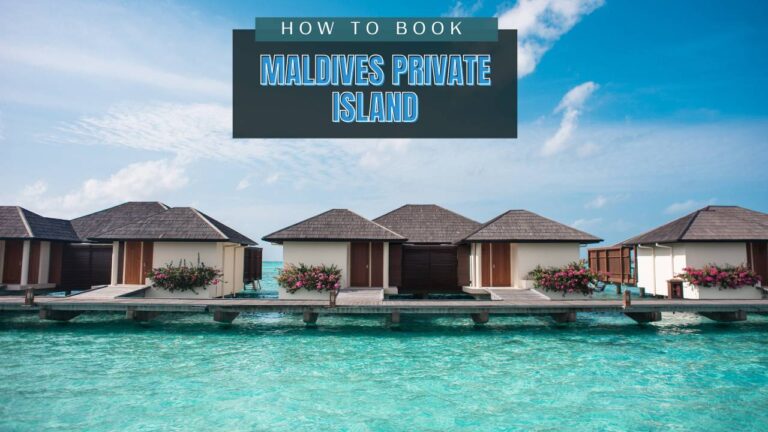
How to Book Private Island for Maldives Vacations
Booking a Maldives private island vacation is more than just choosing a place to stay—it’s about crafting a…
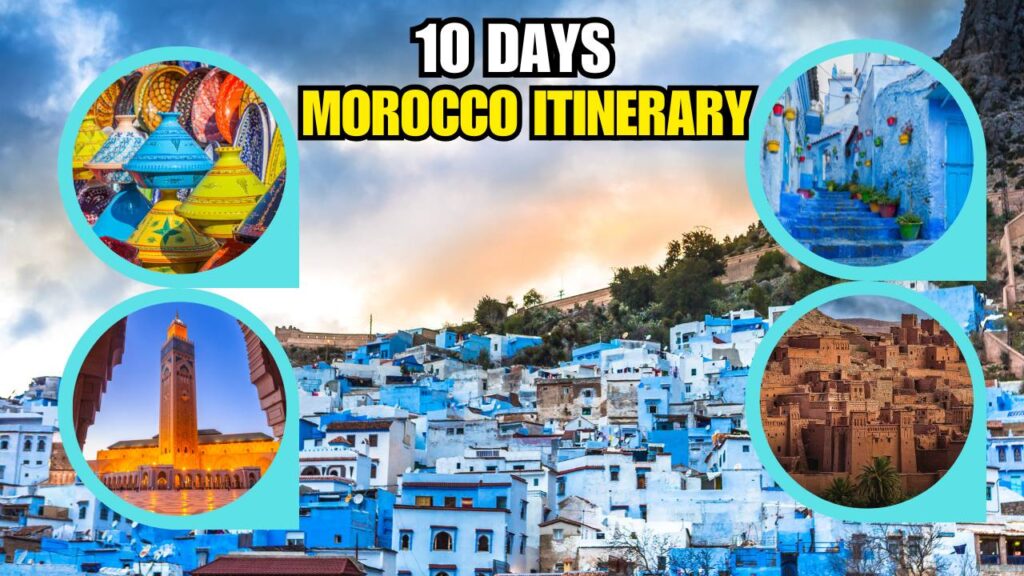
Experience Morocco in 10 days with stunning landscapes, rich culture, and thrilling adventures. This Morocco itinerary blends desert, mountains, and historic cities.
On a breathtaking 10-day journey through Morocco with this carefully crafted Morocco itinerary, designed to showcase the country’s most captivating landscapes, rich cultural heritage, and thrilling adventures. From the golden dunes of the Sahara Desert and the majestic peaks of the Atlas Mountains to the vibrant medinas of Marrakesh and Fes, every day brings a new and unforgettable experience. This immersive itinerary blends scenic beauty, historic landmarks, and authentic local encounters, offering a perfect balance for travelers seeking both relaxation and exploration in one of North Africa’s most enchanting destinations.
Choosing the perfect time to visit Morocco can drastically affect your travel experience. The country’s diverse geography, which includes mountain ranges, desert landscapes, and coastal cities, leads to varying weather conditions. Your trip will be much more enjoyable if you align your plans with the ideal season for your intended activities. The best times of the year to visit, based on your interests, whether looking for a pleasant desert adventure, a coastal retreat, or a cultural exploration.
Spring is often considered the best season to visit Morocco, and for good reason. Between March and May, the weather is mild, making it perfect for outdoor activities and sightseeing. Average temperatures during these months range from 18°C to 25°C (64°F to 77°F) in many regions, providing an enjoyable balance of warmth without the extreme heat that comes with summer.
Autumn in Morocco, which lasts from September to November, is another excellent time to visit. The heat of summer begins to dissipate, and the temperatures become more bearable. Average temperatures range from 20°C to 28°C (68°F to 82°F), making it comfortable to visit the cities and venture into the desert without the sweltering summer heat.
Summer in Morocco can be extremely hot, especially in the interior regions and the Sahara Desert. From June to August, temperatures often exceed 40°C (104°F) in the southern and central regions, making it difficult to fully enjoy outdoor activities like hiking or sightseeing. Summer is still a great time to visit if you plan to focus on Morocco’s coastal regions.
Winter in Morocco, from December to February, is cooler than other seasons, with temperatures averaging between 10°C and 18°C (50°F and 64°F) in the cities. While many regions experience cooler weather, this is a wonderful time to visit Morocco if you’re seeking a more peaceful and less crowded experience. The Atlas Mountains receive snowfall, creating a winter wonderland perfect for winter sports.
Your adventure begins in the bustling city of Marrakesh, where the ancient meets the modern in a swirl of color, sound, and scent. From here, embark on a journey toward the Sahara Desert, making a scenic stop in Tinghir—a lush oasis town set against the dramatic backdrop of the Todgha Gorge.
The drive is long but scenic, crossing the High Atlas Mountains via the Tizi n’Tichka Pass, and winding through Berber villages and kasbahs. Stop in Ait Ben Haddou, a UNESCO World Heritage site known for its ancient clay architecture, often featured in films like Gladiator and Game of Thrones. Arriving in Tinghir by evening, settle into a traditional riad and prepare for the upcoming desert expedition.
On Day 2, journey deeper into the desert as you make your way to Merzouga, a small village on the edge of the Erg Chebbi dunes—the most iconic part of the Sahara in Morocco. This day is all about immersing yourself in the vast beauty of the desert.
Upon arrival, swap your vehicle for a camel and ride into the dunes just before sunset, soaking in the breathtaking golden hues and stillness of the sand sea. You’ll spend the night in a luxury desert camp, enjoying traditional Berber music, local cuisine under the stars, and stories around the campfire. The clear night skies here are perfect for stargazing and photography.
After an early sunrise over the dunes, return by camel to Merzouga and begin the long but scenic drive north to Fes—one of Morocco’s most culturally rich cities. The journey takes you through the Ziz Valley, lined with palm groves and Berber villages, and past the Middle Atlas Mountains, where you may encounter Barbary macaques in cedar forests.
Stop for lunch in the Swiss-like town of Ifrane, known for its clean streets and alpine architecture. Arriving in Fes by evening, settle into a riad in the old medina and prepare to visit Morocco’s spiritual and educational heart.
Take a full-day trip to Chefchaouen, also known as the Blue Pearl of Morocco. Nestled in the Rif Mountains, this picturesque town is famous for its buildings painted in various shades of blue. The drive from Fes to Chefchaouen takes around 4 hours each way, but it’s worth every minute.
Spend the day wandering its serene, cobbled alleys, visiting artisan shops, and enjoying panoramic views from the Spanish Mosque viewpoint. Grab a traditional Moroccan meal at a rooftop cafe before returning to Fes for the night.
Devote Day 5 to delving into Fes el-Bali, the oldest walled part of the city and a UNESCO World Heritage site. With over 9,000 narrow alleys, the medina is a sensory overload of colors, smells, and sounds.
Start your day with a guided tour to uncover landmarks such as the Al-Qarawiyyin University (the oldest continuously operating university in the world), the Bou Inania Madrasa, and the Chouara Tannery, where leather is still dyed using ancient methods. Visit local souks for handmade goods and sample traditional dishes like pastilla and harira soup. In the evening, relax in a local hammam or enjoy dinner with a view over the medina.
Mount Toubkal, the highest peak in North Africa at 4,167 meters (13,671 ft), offers an unforgettable hiking experience. Ideally, your hike should begin two days earlier, so this day will mark the summit day and descent.
Start before sunrise to reach the summit by early morning. The climb is challenging but rewards you with panoramic views of the High Atlas Mountains and beyond. After summiting, descend back to the base camp and then to Imlil, where you’ll rest for the night. Make sure you’re well-prepared and consider hiring a local guide for safety and support.
This day essentially precedes Day 6 chronologically in terms of the Mount Toubkal hiking sequence. From Marrakesh, head to the peaceful mountain village of Imlil, the gateway to the Atlas Mountains and the starting point of the Toubkal trek.
Arrive by mid-morning, meet your guide and muleteers, and begin the hike toward Refuge du Toubkal, the mountain hut where you’ll spend the night before your summit attempt. The trek takes about 5–6 hours and covers rugged but scenic terrain. Enjoy the hospitality of the Berber villagers and prepare mentally and physically for the summit.
After your mountain adventures, return to Marrakesh for a full day of sightseeing and relaxation. Start your exploration at Jemaa el-Fnaa, the city’s main square, where snake charmers, street performers, and food stalls keep the energy alive day and night.
Stroll through the vibrant souks to shop for spices, textiles, and crafts. Visit the Koutoubia Mosque, the tranquil Majorelle Garden, and the Bahia Palace. In the evening, enjoy dinner at a rooftop restaurant overlooking the lively medina and take in a traditional gnawa music performance.
This day recaps the desert journey from Tinghir back to Merzouga, allowing for a more relaxed pace or an alternate route that includes deeper exploration of the Todgha or Dades Gorges. You may also opt to visit local Berber villages, learn about desert agriculture, or even try a 4×4 tour across the dunes.
If you missed the camel trek or stargazing experience earlier, this is a great day to revisit those magical moments. Spend another night in a desert camp, this time savoring your familiarity with the environment and possibly catching a live drum circle under the stars.
Your 10-day Morocco itinerary concludes with a return trip from Fes to Marrakesh. This journey, though long (around 6-7 hours by car), gives you one last chance to soak in the ever-changing Moroccan landscape—from cedar forests and mountain ranges to dry plains and bustling urban life.
If you’re short on time, consider taking a domestic flight or train between the two cities. Once in Marrakesh, enjoy a farewell dinner, shop for any last-minute souvenirs, and reflect on an unforgettable journey through Morocco’s most spectacular regions.
FAQs
A 10-day itinerary allows you to explore the highlights, including cities, mountains, and the Sahara Desert, giving you a well-rounded experience.
Yes, this itinerary covers Morocco’s most iconic sites and provides a perfect introduction to the country’s diverse landscapes and rich culture.
The best time to visit is during spring (March to May) and autumn (September to November) for mild temperatures and pleasant weather.
Key cities include Marrakesh, Fes, and the desert town of Merzouga, along with day trips to places like Chefchaouen and the Atlas Mountains.
Most of the trip is by private vehicle, including transfers between cities, camel treks in the desert, and hikes in the Atlas Mountains.
While most of the trip is relaxed, some physical activity, like hiking Mount Toubkal and camel trekking, requires a moderate level of fitness.
Yes, Morocco is generally safe for tourists, but it’s always best to exercise caution, particularly in crowded areas and when traveling alone at night.
Pack lightweight, breathable clothing for the day, warmer layers for the evening, sturdy shoes for hiking, and sunscreen for the desert sun.
Yes, the itinerary is flexible. You can adjust it to focus more on cultural experiences, outdoor adventures, or relaxation depending on your preferences.
Yes, Morocco offers a range of accommodation options from budget hostels to luxury resorts, so you can tailor your trip according to your budget.
Booking a Maldives private island vacation is more than just choosing a place to stay—it’s about crafting a…
Disneyland remains one of the most sought-after travel destinations, offering attractions such as Main Street, U.S.A., character experiences,…
When we think of air travel, the first word that comes to mind is usually “safety.” Aviation is…


1 comment