

Travel Guide for Holi Festival in Vrindavan for USA Traveler
Holi Festival in Vrindavan is one of the most vibrant and unforgettable experiences for travelers from around the…
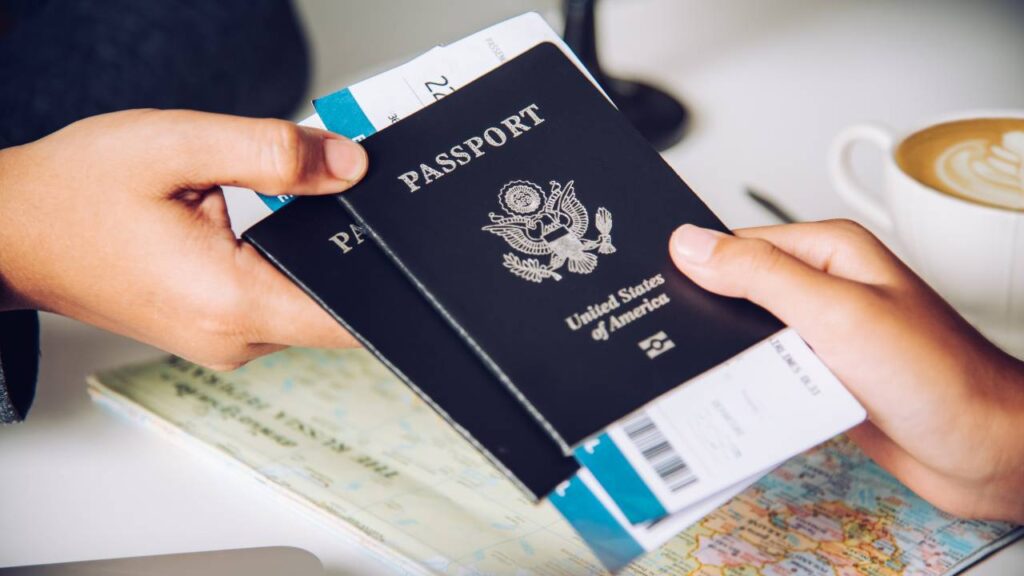
Get the complete guide to the US Visa Process 2025 with the latest rules, eligibility, and timelines for all nationalities. Stay informed and plan your U.S. travel or migration confidently with updated visa procedures.
Planning to visit, work, study, or migrate to the USA in 2025? You must understand the US visa process, as it plays a vital role in your journey. In 2025, several key updates have reshaped how applicants from around the world apply for U.S. visas. The U.S. government has introduced stricter compliance rules, integrated new technologies, and revised application timelines.
Staying informed about these changes ensures that you prepare effectively and avoid unnecessary delays. A student ready to begin your academic path, a skilled worker pursuing new opportunities, or a family member hoping to reunite with loved ones, this guide equips you with everything you need to navigate the updated US visa process in 2025 with confidence.
The US visa process is the official pathway that individuals from other countries must follow to legally enter the United States. It ensures that only qualified individuals with valid reasons for travel—such as tourism, education, business, employment, or immigration—are permitted entry. In 2025, the system has become more digital, applicant-friendly, and streamlined, while still maintaining high-security standards to safeguard national interests.
There are two primary visa categories under U.S. immigration law:
How Long Does it Take to Get a US Visa in 2025? Country-Wise Answer
The US visa process for both categories involves careful screening, document verification, and sometimes lengthy waiting periods. With the recent updates, the goal is to create a more transparent and predictable process for applicants from all nationalities.
In 2025, the US visa process remains open to applicants from nearly every country in the world. Eligibility criteria and document requirements vary significantly based on the type of visa being applied for.
For example, citizens from countries with strong diplomatic ties to the U.S. might experience faster interview processing or relaxed documentation requirements, while applicants from high-risk regions may undergo more intensive background checks.
Tourist Visa (B1/B2): You must show ties to your home country, such as employment, family, or property, and prove that you can financially support your stay.
Student Visa (F1/M1): Applicants need an acceptance letter from a U.S. institution, a valid I-20 or DS-2019 form, and evidence of funds to cover tuition and living expenses.
Work Visa (H1B, L1, O1): Applicants must have a job offer from a U.S.-based employer and meet educational or professional qualifications specific to their role.
Family or Marriage-Based Visas: These require the petitioner to demonstrate a legally recognized relationship and often involve additional interviews and evidence checks.
Diversity Visa Lottery: This program is open to individuals from countries with historically low immigration to the U.S., requiring a high school diploma or two years of qualifying work experience.
No matter where you’re from, the updated visa process provides a structured, albeit rigorous, path to visiting or relocating to the U.S. in a legal and secure manner.
In 2025, the United States overhauled its visa process to make it faster, more secure, and easier to navigate. These updates apply to both non-immigrant and immigrant visa applicants. The U.S. government introduced new technology, expanded access to faster services, and removed outdated barriers, all while maintaining strict security standards. Applicants can now expect a more efficient experience with fewer delays and clearer communication.
The U.S. Department of State upgraded the DS-160 and DS-260 application forms with smart digital features. Applicants can now benefit from real-time data validation, which highlights errors or missing fields instantly, helping them fix mistakes before submission. The new auto-save feature prevents data loss by saving progress continuously, which eliminates the frustration of starting over due to timeouts.
By enabling digital signatures, the system also allows applicants to complete submissions without printing or scanning, making the process more convenient and fully digital. These upgrades have improved form accuracy and increased approval rates for correctly submitted applications.
In 2025, U.S. immigration authorities expanded biometric requirements to include iris scans and facial recognition along with the existing fingerprinting process. These advanced measures now help officials verify identities more accurately and quickly.
They also allow U.S. agencies to cross-reference applicants against international security databases, which enhances border safety. By using more biometric data, the U.S. speeds up background checks while reducing identity fraud. Applicants now go through a more secure yet faster screening process.
The U.S. expanded the visa interview waiver program to include more eligible applicants. If your visa expired within the last 48 months, you can now renew it without attending an in-person interview. This applies to popular visa categories like B1/B2 (business/tourist), F (student), and H (work) visas.
The updated rule reduces wait times at U.S. consulates and allows qualified applicants to complete their renewal by mailing in documents or using drop-box services. By waiving interviews for low-risk, returning applicants, consular offices can focus on new or complex cases, making the entire system more efficient.
To meet growing demand in industries like technology, healthcare, and engineering, the U.S. increased the H1B visa cap in 2025. Officials added extra lottery rounds during the year, giving more skilled workers a chance to apply. The government aims to fill labor shortages by attracting global professionals to high-demand sectors.
Employers now benefit from quicker access to foreign talent, while workers gain more opportunities to join the U.S. workforce. This adjustment boosts economic growth and supports critical infrastructure needs across the country.
USCIS launched a new AI-based Case Tracker Tool that allows applicants to track their case status in real time through the official portal. The system sends alerts for biometric appointments, document requests, and status updates, helping applicants stay informed every step of the way. It also predicts estimated decision timelines based on case trends and history.
The AI even offers personalized tips and next steps, making the process easier to follow. With this tool, applicants no longer need to rely on long wait times or generic customer support answers.
USCIS expanded premium processing access to more visa categories in 2025. Now, F1 visa holders applying for OPT and certain family-based green card applicants (such as I-130 and I-485 cases) can opt for premium processing.
This upgrade shortens the typical wait time to just 15–30 business days. Although premium processing requires an additional fee, it gives applicants quicker decisions and better peace of mind—especially for those facing deadlines related to jobs, school, or family reunification.
Understanding the timeline of the US visa process can help you plan your travel or move efficiently. Although the exact duration depends on the visa category and country of application, here is a general guideline for what you can expect in 2025.
Gather documents such as your passport, photographs, financial proofs, admission or job letters, and sponsor affidavits. Ensure everything meets the specific requirements of your visa category.
Fill out the DS-160 (for NIVs) or DS-260 (for IVs) form online. Pay the application fee, which ranges from $160 for tourist visas to $535 or more for immigrant visas. Save all receipts and confirmation pages.
Attend your biometrics appointment at the Visa Application Center (VAC) nearest you. Carry your appointment letter, passport, and photo ID.
Schedule and attend your visa interview at the U.S. embassy or consulate. Prepare to answer questions about your background, travel plans, and purpose of visit. Waiting times vary significantly by region.
If additional documentation or background verification is needed, your application may go into administrative processing. This is more common for security-related cases or incomplete submissions.
Once approved, you will receive your passport with the visa stamp. You must enter the U.S. before the visa expiration date and adhere to the terms of your visa.
Planning ahead with this timeline can help reduce delays and avoid unexpected issues in your travel plans.
Having the correct and complete set of documents is essential to navigating the US visa process smoothly in 2025. A missing or incorrectly filled form can cause unnecessary delays, denials, or the need to reschedule appointments, costing both time and money. Immigration authorities are now more stringent in verifying document authenticity, especially with increased fraud detection technologies in place. Therefore, applicants must double-check every detail before submission.
Always cross-verify document checklists with your local U.S. embassy or consulate website, as requirements may differ slightly based on your nationality or visa category. Being over-prepared is far better than being caught off-guard during the interview or biometrics process.
The visa interview is one of the most important stages in the US visa process, often determining whether your application gets approved or rejected. Conducted by a U.S. consular officer, this short but impactful conversation evaluates your eligibility, background, and true intentions for entering the United States. Interview questions vary based on the visa category, but the goal remains the same: to assess whether you meet all visa criteria and plan to comply with U.S. immigration laws.
Remember, consular officers are trained to make swift judgments. Your body language, tone of voice, and level of preparation all contribute to the final decision. Treat the interview with the seriousness it deserves.
The time it takes to complete the US visa process in 2025 depends heavily on the visa type, your nationality, and how quickly you submit complete and correct information. Embassy backlogs, administrative processing, and seasonal surges (like summer or academic intake periods) can all affect waiting times. Fortunately, the U.S. government has implemented automation in several visa processing stages to streamline timelines.
US Student Visa (F1) Approval Tips – What Works in 2025?
Applying for a short visit or planning a permanent move, following the updated process and staying informed will give you the best chance of receiving your U.S. visa without complications.
FAQs
The U.S. offers two primary visa categories: non-immigrant visas (for temporary stays such as tourism, business, study, or work) and immigrant visas (for permanent residence, i.e., green cards). Popular types include B1/B2 (tourist/business), F1 (student), H1B (skilled workers), and family-based immigrant visas.
Start by determining the appropriate visa category. Then, complete the DS-160 (non-immigrant) or DS-260 (immigrant) form online, pay the visa fee, and schedule appointments for biometrics and the visa interview at the nearest U.S. embassy or consulate.
Processing times vary:
You’ll typically need:
SEVIS (Student and Exchange Visitor Information System) is mandatory for F, J, and M visa applicants. The fee supports the maintenance of the SEVIS system and must be paid before attending the visa interview. Proof of SEVIS payment (Form I-901 receipt) is required.
You will meet with a consular officer who will ask questions about your travel purpose, background, finances, and ties to your home country. They will assess your eligibility and review your documents. The interview typically lasts 5–10 minutes but is critical to the decision-making process.
Common reasons include:
Yes, in limited cases. You may request an expedited appointment due to medical emergencies, urgent business travel, or other qualifying reasons. For certain work visas, premium processing (extra fee) shortens USCIS processing times to 15 calendar days.
You can track your visa application using:
If approved, your passport will be returned with the visa stamped inside within a few days. Check the validity dates and details for accuracy. If denied, you’ll receive a refusal letter (often under Section 214(b) for non-immigrant visas) explaining the reason. You may reapply when you’re better prepared or if circumstances change.
Holi Festival in Vrindavan is one of the most vibrant and unforgettable experiences for travelers from around the…
December in the United States is a time of magic, celebration, and adventure. From dazzling Christmas lights and…
If you are a fan of The Vampire Diaries or simply love exploring iconic filming locations, the Mystic…


2 comments