

Travel Guide for Holi Festival in Vrindavan for USA Traveler
Holi Festival in Vrindavan is one of the most vibrant and unforgettable experiences for travelers from around the…

In 2025, obtaining a US visa continues to be one of the top priorities for international travelers, students, and skilled professionals around the globe. Planning a summer vacation, enrolling in a prestigious US university, attending a tech summit, or relocating for work, understanding how long it takes to get a US visa is essential for planning.
Which Countries Are Getting US Visa Waivers in 2025?
Visa wait times aren’t uniform across the board—they vary greatly depending on where you live, your visa category, embassy workload, seasonal demand, and how well-prepared your application is. This in-depth guide provides a country-wise breakdown of US visa wait times in 2025, along with essential tips and updates to help you plan with confidence.
Before diving into timelines, it’s important to understand the basic structure of the US visa application process:
Form DS-160 Submission: This is the cornerstone of the nonimmigrant visa process. The form collects your personal, travel, and security information. Errors or inconsistencies here can delay your visa approval or lead to rejection.
Visa Fee Payment: The application fee depends on the visa type. For example, tourist and student visas are generally $160, while work visas may go up to $205 or more. Ensure you pay using an approved method and keep receipts safely.
Appointment Booking: Appointment availability is a major bottleneck in the visa process. Some consulates allow you to schedule interviews months in advance, while others open slots in weekly or monthly batches.
Interview & Biometrics: The in-person visa interview involves answering questions about your intent to travel to the US, background, and finances. Fingerprinting and photos are taken as part of the biometric process.
Visa Processing & Passport Return: Once approved, the embassy stamps the visa and returns your passport, usually via courier. This last leg of the process can take 3–15 business days, depending on local logistics.
Total Duration: On average, the full process can take 2 to 6 months, with significant variation depending on visa category and applicant country.
A wide range of factors influence how long it takes to get a US visa:
Visa Type: Tourist (B1/B2), student (F1), and work (H1-B, L1) visas all follow different protocols and have varying processing times. Immigrant visas (green cards) typically involve lengthier checks.
Country of Application: Countries with high demand (e.g., India, Pakistan) or complex security protocols usually experience longer waits compared to lower-volume countries like Germany or Australia.
Embassy Resources: Staffing levels and appointment capacity differ from consulate to consulate. A well-staffed consulate with digital tools processes applications faster.
Seasonal Trends: May to August is considered peak season for student and tourist visas. Planning during off-peak months (September–February) often results in faster appointments.
Administrative or Security Checks: Some cases are flagged for additional review under Section 221(g). This could include research scholars, engineers, journalists, or individuals with complex backgrounds.
Post-COVID Backlog: Although 2025 has seen notable improvements, the lingering effects of 2020–2022 slowdowns are still visible in some countries.
Let’s know country-specific wait times, popular visa types, and smart applicant strategies:
India is among the highest visa-issuing nations for the US, with millions applying annually for tourism, education, and employment.
Tip: Use the Dropbox (Interview Waiver) option if eligible, and monitor multiple consulates to find earlier appointment slots.
Pakistan has seen growing demand for US visas in 2025 across categories.
Note: The 221(g) security clearance process can add 2–8 weeks to processing, depending on the nature of the query.
Visa demand from Bangladesh is climbing steadily, driven by academic and family visits.
Tip: Carefully organize your financial and academic documents to minimize post-interview queries.
Nigeria ranks among Africa’s largest visa-seeking populations.
Note: It is common for applicants to be called back with additional document requests, which can add delays.
The UK enjoys one of the smoothest visa processes due to strong bilateral relations and low-risk profiles.
Benefit: Premium services and interview waivers are available to certain visa renewal applicants.
While Canadian citizens don’t require tourist visas, international residents and third-country nationals living in Canada frequently apply.
Reminder: Only residents with valid Canadian status can apply from within Canada. Check your eligibility before booking an appointment.
Germany remains a visa-friendly country for US travel.
Insight: The US consulate in Frankfurt also handles high-volume visa cases, contributing to Germany’s faster turnaround.
Australia’s stable diplomatic and economic relationship with the US contributes to a well-oiled visa process.
Tip: Book at Sydney, Melbourne, or Perth based on shortest wait time. Availability remains good throughout the year.
Brazil is witnessing improvement in visa backlogs, but challenges remain.
Tip: If dates are unavailable, check lesser-known consulates (like Porto Alegre) for better availability.
The U.S. Embassy grants expedited visa appointments only in urgent situations. You must fall under one of the following categories to qualify:
To request an expedited appointment, first book a regular appointment online. Then, log into your visa portal, choose “Request Expedite,” and upload a written explanation with relevant documents. U.S. consular officers review each request carefully, but they don’t guarantee approval—they decide based on the urgency and available resources.
Start your visa process at least six months in advance, especially for B1/B2 tourist visas and F1 student visas. Early planning gives you more appointment options and avoids last-minute stress, especially during peak seasons like summer and holidays.
Check the U.S. Visa Appointment Wait Time tool on the State Department website daily. This tool shows real-time updates for all U.S. embassies and consulates worldwide. Use it to find faster slots at nearby locations, and act quickly when availability opens up.
Double-check your DS-160 form, passport details, financial records, and supporting documents. If you submit incorrect or inconsistent information, the embassy may delay or deny your application. Prepare clear explanations and organize your paperwork neatly before the interview.
Alternative consulates in your country to find earlier interview dates. Countries like India, Brazil, and Mexico have multiple U.S. consulates with varying appointment loads. For example, if Mumbai is booked, you might find an earlier slot in Hyderabad or Chennai.
Sign up for email or SMS alerts through your consulate’s website or your visa application portal. These alerts notify you when earlier slots open up due to cancellations. If you act quickly, you can reschedule your appointment and speed up your process significantly.
How to Apply for US Visa After Rejection – 2025 Guide
Planning travel, education, or work in the US this year, start preparing now. Book appointments early, double-check documents, and stay updated with embassy alerts to avoid surprises later on.
FAQs
Processing times vary by visa type and consulate location. On average
Several factors impact processing:
Yes. If you qualify under emergency criteria (medical, urgent business, student deadlines, etc.), you can request an expedited appointment after booking a regular slot. Approval depends on the discretion of the U.S. consulate.
It usually takes 3 to 6 weeks from scheduling your interview to receiving your passport with the visa. In high-demand countries, appointment wait times can be months, so early planning is key.
Once you receive your I-20 form from your U.S. school, book an appointment immediately. The full process—from DS-160 form to interview to visa delivery—typically takes 2 to 4 week if slots are available.
After USCIS approves your H1B petition, scheduling a consular interview can take 2 to 6 weeks, depending on the country. Add 1 to 2 weeks for passport return and visa stamping.
Administrative processing can take anywhere from a few days to several month. Most cases resolve within 60 days, but some require further investigation, which extends the timeline.
Yes. Processing and appointment availability slow down during peak season (May–August and November–December). Apply early to avoid delays, especially for student and holiday travel.
Visit the U.S. State Department’s Visa Appointment Wait Times page. Choose your city or consulate to view the average waiting period for each visa category (e.g., B1/B2, F1, etc.).
If approved, you’ll usually receive your passport within 5 to 10 business day. Some embassies offer premium delivery options or pickup from designated centers.
Holi Festival in Vrindavan is one of the most vibrant and unforgettable experiences for travelers from around the…
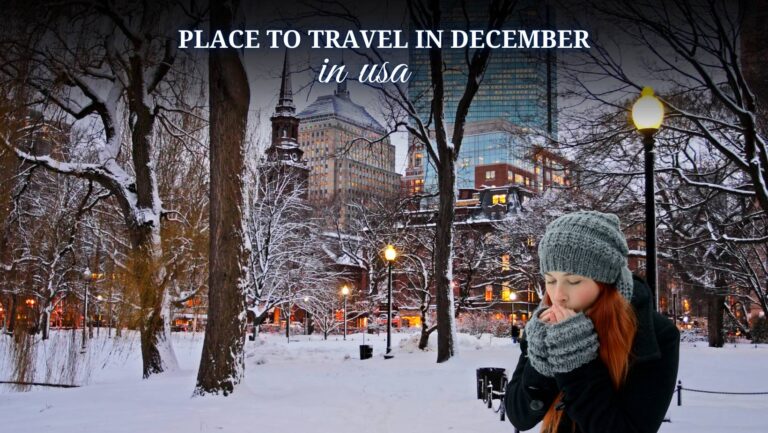
December in the United States is a time of magic, celebration, and adventure. From dazzling Christmas lights and…
If you are a fan of The Vampire Diaries or simply love exploring iconic filming locations, the Mystic…

1 comment