
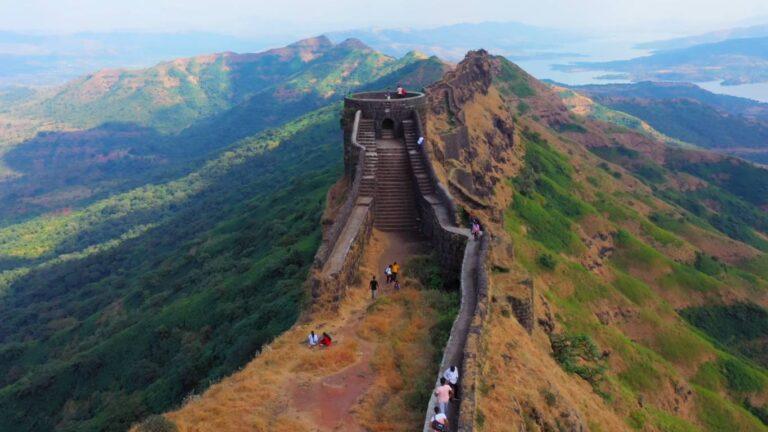
Raigad Fort: History, Timings, Photos, Ropeway Booking!
About Raigad Fort Raigad Fort is located in the Raigad district of Maharashtra, India. Situated at an elevation…
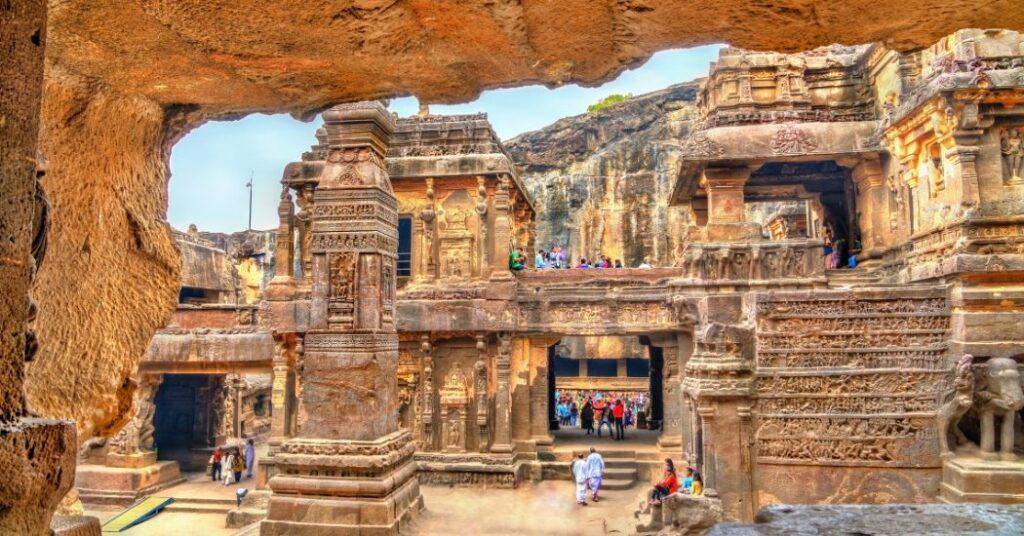
Kailasa Temple, a masterpiece nestled within the lush landscapes of Ellora, Maharashtra, India, is a testament to human creativity and devotion. As if emerging from the very rock it inhabits, this awe-inspiring architectural wonder has etched its enigmatic presence onto the canvas of history. We embark on a captivating journey to uncover the enigma surrounding Kailasa Temple, delve into its rich historical tapestry, and offer you an essential guide to experience its profound beauty and significance.
The Kailasa Temple isn’t just a stone structure; it embodies an enigmatic blend of mystery and historical importance. It’s awe-inspiring architecture and intricate carvings raise questions about its creation and purpose, propelling it to uncover its hidden depths.
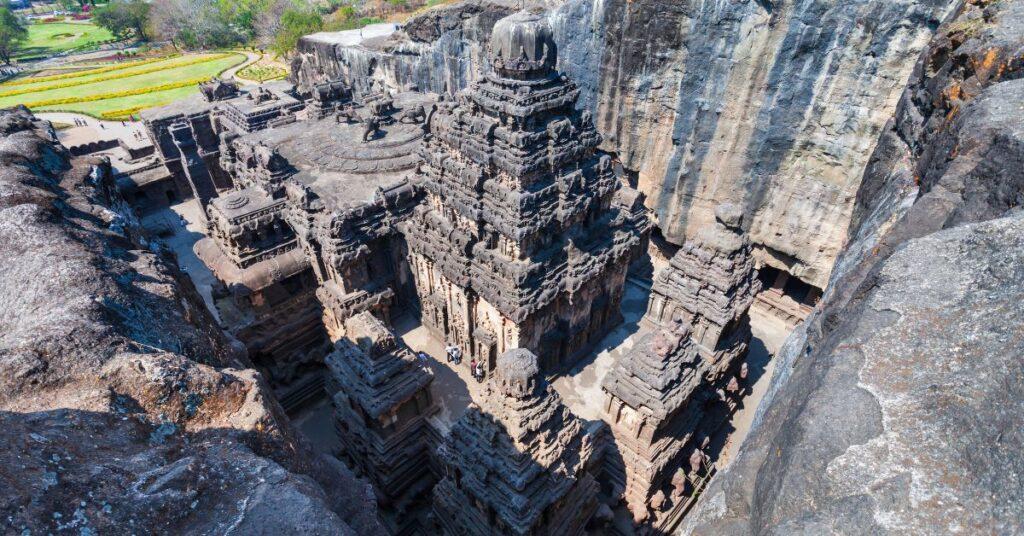
A. Unconventional Architecture
Upon first glimpse, the sheer audacity of the temple’s construction leaves visitors in awe. It is a masterpiece of ancient engineering skill, sculpted from one piece of rock. Its intricate sculptures, ornate pillars, and meticulously carved reliefs defy the limitations of its time, leaving us to ponder the techniques employed by its creators.
B. Enigmatic Craftsmanship
The precision and intricacy of the temple’s artwork amplify its enigma. The hands behind them sculpt the surfaces with care and skill that surpasses ordinary human ability. How were these stunning depictions of gods, goddesses, and mythical creatures etched into solid rock with such finesse and accuracy?
C. Theories and Speculations
The temple’s origins have sparked a lot of theories, each adding to its mystique. Was it the result of divine intervention, the ingenuity of a lost civilization, or an inspired creation of unparalleled devotion? Experts and enthusiasts continue to debate, adding to the allure of the temple’s enigma.
A. Ancient Origins and Purpose
Built under the patronage of the Rashtrakuta dynasty in the 8th century, Kailasa Temple carries echoes of a bygone era. People believe its construction to have spanned several decades, a testament to the dedication and resources invested in its creation. It’s thought to have served as a place of worship, a sanctuary where devotees could connect with the divine.
B. Cultural and Religious Context
The temple’s walls are decorated with elaborate carvings that reveal the religious and cultural diversity of ancient India. Scenes from Hindu mythology come to life, telling stories of gods, goddesses, and epic narratives. Each carving reflects the spiritual beliefs and artistic sensibilities of its creators.
C. Preservation and Restoration Efforts
In an age where time has eroded many historical treasures, Kailasa Temple’s preservation efforts stand as a testament to its enduring significance. Conservationists and historians continue to work diligently to safeguard its intricate details, ensuring that future generations can bask in its splendor.
Standing before the Kailasa Temple, you’re not just witnessing a remarkable piece of history, you’re engaging with a profound mystery that has transcended time. The journey you’ve undertaken to reach this awe-inspiring monument becomes a part of the broader narrative—a narrative of human curiosity, devotion, and exploration.
As you conclude your visit and begin your journey back, the echoes of Kailasa Temple remain with you. Its mysteries may not be fully unraveled, but the experience of standing in its presence has kindled a fire within—a fire of curiosity, appreciation, and a renewed sense of wonder for the boundless possibilities of human achievement. Your visit to Kailasa Temple has been more than a physical excursion; it’s been a transformative journey of the mind, heart, and spirit.
Continue to Explore: Mahakaleshwar Temple (Ujjain): How to Visit, When to Visit, Entry Fees!
About Raigad Fort Raigad Fort is located in the Raigad district of Maharashtra, India. Situated at an elevation…
Tungareshwar Temple is a peaceful Shiva shrine located atop a hill in the Tungareshwar Wildlife Sanctuary, Maharashtra. Surrounded…
Maharashtra offers a wide range of picnic spots that come alive during the winter season. Prefer the cool…
1 comment