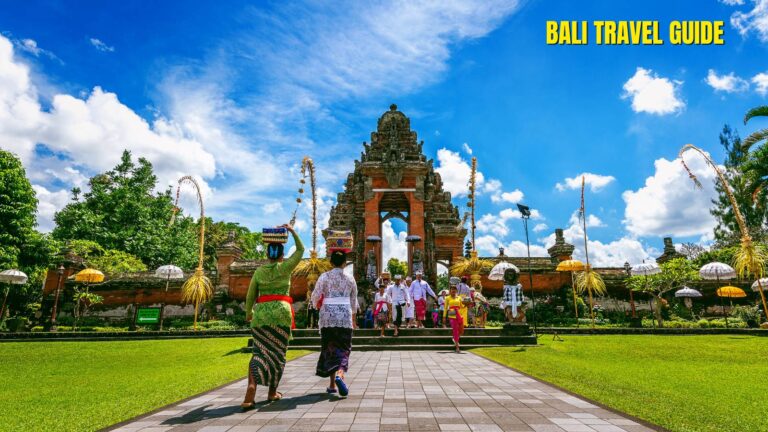
Bali Travel Guide: Secret Villages & Hidden Water Temples Tour
Bali is often described as the Island of the Gods, a land of beaches, volcanoes, and vibrant nightlife.…

Essential Matterhorn guide for the best time to go, what it costs, and top things to do. Plan the perfect trip with ease!
Loacted in the Pennine Alps on the border of Switzerland and Italy, the Matterhorn stands as one of the most iconic peaks in the world. Rising to an impressive 4,478 meters (14,692 feet), it’s not just a mountaineer’s dream but also a bucket-list destination for photographers, hikers, skiers, and adventure lovers alike. In this detailed Matterhorn guide, I’ll take you through the best time to visit, essential weather insights, cost of travel, unforgettable things to do, and top photography spots to capture the magic of this legendary mountain.
Reaching the Matterhorn is an unforgettable journey that requires a bit of effort but rewards travelers with stunning alpine views. While the Matterhorn itself is located in a remote part of the Swiss Alps, it’s accessible through a series of well-organized transportation systems that ensure a smooth journey. Most visitors to the Matterhorn travel via Zermatt, Switzerland, a picturesque car-free village nestled at the base of the mountain. Here’s a detailed breakdown of how to get to the Matterhorn and the transportation options available to visitors.

Journey to the Matterhorn typically begins in Zermatt, a charming village located in the Swiss Alps. Zermatt is famous for its serene, car-free environment, which not only contributes to the tranquility of the area but also enhances the experience for visitors. Reaching Zermatt involves travel via train or private vehicle up until Täsch, which is around 5 km (3 miles) from Zermatt. From there, you will need to take a shuttle train, as Zermatt itself does not allow vehicles.
Once in Zermatt, you can enjoy a peaceful stroll through its car-free streets, lined with Swiss chalets, shops, and cozy cafes, before continuing your journey to the Matterhorn.
Zermatt offers several transportation options for visitors aiming to get closer to the Matterhorn. These include cogwheel trains, cable cars, and mountain lifts that can take you to higher altitudes, offering incredible views of the surrounding peaks.
One of the most popular and scenic routes is the Gornergrat Railway. This historic cogwheel train travels from Zermatt to the summit of Gornergrat, a high-altitude ridge that provides breathtaking panoramic views of the Matterhorn and the surrounding glaciers.
This train is a great option for visitors who want a taste of the high-altitude experience without committing to a full climb. It’s ideal for hiking, photography, and simply soaking in the stunning alpine landscape.
Who want to get even closer to the Matterhorn, the Klein Matterhorn cable car system offers access to the Matterhorn Glacier Paradise, the highest cable car station in Europe. The cable car ride from Zermatt to the Matterhorn Glacier Paradise takes you to an altitude of 3,883 meters (12,740 feet), providing unrivaled views of the surrounding glaciers, peaks, and the Matterhorn itself.
This cable car system is a must for those who want to reach the Matterhorn Glacier Paradise, whether to enjoy snow activities or to simply enjoy panoramic vistas of the Alps.
While taking the cogwheel trains and cable cars will bring you close to the Matterhorn, reaching the summit of this iconic mountain requires climbing. The Matterhorn ascent is a challenging and technical climb, suited for experienced mountaineers only. It is important to note that the climb is not recommended for those without proper experience and preparation, as the conditions can be dangerous, especially during the winter months.
For climbers, it’s essential to arrange a guided tour with a professional mountain guide service. These guides provide not only expert guidance but also the necessary climbing equipment such as ropes, harnesses, ice axes, and helmets. They also ensure safety, especially given the treacherous conditions of the mountain.
Climbing the Matterhorn requires significant preparation, physical conditioning, and acclimatization to the altitude. It’s highly recommended to spend several days in Zermatt or nearby areas to get accustomed to the thinner air before attempting the climb.
The Matterhorn is one of the most iconic peaks in the world, attracting adventurers and mountaineers from around the globe. Summiting this mountain is not for the faint of heart. It’s a technically demanding and physically challenging climb that requires careful preparation, especially when considering the best time of year to take on the ascent. In this section, we’ll break down the ideal time to climb the Matterhorn and why certain months are better suited for different types of climbers.
The most favorable time to climb the Matterhorn is generally between late June and early September. This period provides the most stable and predictable weather conditions, making it safer and more manageable for experienced climbers. Here’s why this time frame is ideal:
During late June to early September, the weather in the Alps is typically more stable. The threat of extreme cold, strong winds, and heavy snowfall is minimized, allowing climbers to focus on the ascent. In contrast, the winter and spring months (November through May) bring harsher weather, including heavy snow and ice, which can make the climb significantly more dangerous.
While the Matterhorn is known for its unpredictable weather, the summer months offer more consistent conditions with fewer storms and milder temperatures at high altitudes. The average temperatures during this period hover around -5°C to 5°C (23°F to 41°F) at the summit, but the stable weather allows climbers to adjust and prepare for the challenge.
Climbing the Matterhorn requires navigating rocky and icy sections, and snow can obstruct paths, making the ascent much more treacherous. In the summer months, snow and ice are less prevalent, reducing the technical difficulty of certain parts of the climb, such as the Hörnli Ridge route. This makes the ascent more manageable, even for experienced climbers.
In contrast, during the winter months, the mountain is often completely covered in snow and ice, significantly increasing the technical demands of the climb. In addition, the presence of deep snow can make certain routes dangerous, leading to greater risks of avalanches and ice falls.
For climbers aiming to tackle the Matterhorn during the ideal months, the early summer months, particularly June and July, are often considered the best time to ascend. Here’s why:
In June and July, conditions are generally the most favorable, with a clear, firm path up the mountain. Snow has usually melted in lower altitudes, but the upper regions still offer enough snow cover to provide excellent grip, making climbing easier. The longer daylight hours during this period also give climbers more time to complete their ascent and descent. The extra hours of daylight reduce the stress of having to rush through the climb, improving safety and making the experience more enjoyable.
Additionally, during early summer, the Matterhorn Glacier still retains enough snow for skiing and snowboarding, even for those not looking to climb the peak itself. The Matterhorn Glacier Paradise offers the highest ski lifts in Europe, and the surrounding glacier slopes provide skiing opportunities, making this a great time for adventure seekers who want to visit both mountaineering and winter sports.
As the summer season transitions into late summer, conditions on the Matterhorn remain favorable, although they can be a bit more variable. August and early September are still good months for summiting, though the mountain may start seeing more climbers and weather conditions can shift. Here’s what to expect during this period:
By August and September, many experienced climbers aim for the summit as they seek to take advantage of the stable weather. This means that the mountain becomes more crowded, especially near the summit and popular climbing routes like the Hörnli Ridge. While the weather conditions are still generally stable, it’s important to plan well in advance to secure accommodations and guide services, as demand increases during this peak period.
The long daylight hours of August and September still provide ample time for mountaineers to safely reach the summit and return to base camp. The weather, while still favorable, can sometimes be a bit more volatile, with afternoon thunderstorms occasionally developing in the region. This is why it is essential for climbers to monitor weather forecasts closely and be prepared for sudden changes.
While the best time to climb the Matterhorn falls within the summer months, it’s essential to understand that the mountain presents severe challenges in the off-season (fall and winter). Here’s a closer look at climbing during the colder months:
Climbing the Matterhorn in winter presents significant risks. The mountain becomes much more dangerous due to harsh weather conditions, including freezing temperatures, strong winds, and frequent snowstorms. While the mountain is beautiful in winter and offers opportunities for skilled mountaineers to summit, this requires specialized knowledge and equipment, including the ability to navigate through deep snow and ice.
The Hörnli Hut—the main climbing base for the Matterhorn—is typically closed during the winter months, which means climbers must be self-sufficient or rely on specialized winter huts. Mountaineers must be prepared for extreme cold, unpredictable weather, and avalanche risks.
Spring is another challenging period for Matterhorn ascents. While snow may begin to melt, significant accumulations remain at higher altitudes, and temperatures can still drop below freezing, especially at night. The climbing season in spring is typically less favored due to conditions that are not as stable as those in summer, making climbing more difficult and risky.
Planning a trip to the Matterhorn requires careful budgeting, as the costs can vary greatly depending on the time of year, the type of activities you wish to pursue, and your travel style. Whether you’re embarking on a climbing expedition, skiing the slopes, or simply enjoying the majestic views of the Matterhorn, understanding the costs associated with your trip will help you make informed decisions.
Below is a comprehensive breakdown of what you can expect to pay when traveling to the Matterhorn, from transportation to accommodation, meals, and activities.
Reaching the Matterhorn begins in Zermatt, a picturesque car-free village nestled at the base of the iconic mountain. Zermatt is well-connected by train from major Swiss cities like Geneva and Zurich, making it easily accessible for international travelers.
Since Zermatt is a car-free town, visitors who drive will need to park in Täsch, located about 5 km away. Parking costs approximately CHF 15 per day. After parking, you’ll need to take a shuttle train (CHF 10–15) or a taxi to Zermatt.
You can opt for a private transfer from Zurich or Geneva airports to Zermatt. This service typically costs around CHF 250 to CHF 400 for a one-way trip, depending on the number of passengers and the type of service.
Zermatt offers accommodation for all budgets, from basic hostels to luxury hotels. The price you pay will depend on your preferences, the season, and the type of accommodation you choose.
For budget-conscious travelers, hostels and guesthouses in Zermatt provide basic amenities at affordable rates. Expect to pay between CHF 40 and CHF 70 per night for a shared room or dormitory bed. This is ideal for travelers who plan to spend most of their time outdoors, hiking or skiing, and need only a place to sleep.
Mid-range hotels typically cost between CHF 120 and CHF 200 per night for a double room. These hotels offer more amenities than budget options, including private bathrooms, breakfast services, and often a more comfortable setting.
Seeking a more luxurious experience, Zermatt boasts several high-end hotels offering exceptional service, panoramic views of the Matterhorn, and exclusive spa treatments. Expect to pay anywhere from CHF 250 to CHF 600 per night for a luxury hotel. Prices can rise even higher during the peak winter and summer months.
Dining in Zermatt can be expensive, particularly near the popular tourist areas. There are various options to suit different budgets.
A meal at a mid-range restaurant will typically cost CHF 25 to CHF 40 per person for a main course and a drink. This price range is common in Zermatt’s central area, offering a variety of Swiss and international cuisines.
For budget travelers, grocery stores like Coop and Migros are great options to buy pre-packaged meals, snacks, and fresh ingredients. Expect to spend CHF 10 to CHF 20 on a grocery store meal. Cafés or bakeries in Zermatt also offer pastries, sandwiches, and coffee for CHF 5 to CHF 15.
Zermatt is home to several upscale restaurants, particularly within luxury hotels, offering gourmet meals and fine wines. Dining at these venues can cost CHF 60 to CHF 150 per person, depending on the restaurant and your choice of courses.
Zermatt is renowned for its skiing and snowboarding, particularly on the Matterhorn Glacier. The cost of ski passes and lift tickets can add up, but the experience is certainly worth it.
If you don’t have your own ski equipment, rental prices in Zermatt range from CHF 30 to CHF 50 per day for skis, poles, and boots.
Climbing the Matterhorn is a challenging and technical feat that requires expert guidance and proper equipment. Hiring a certified mountain guide is essential for a safe ascent.
Hiring a mountain guide for a Matterhorn ascent typically costs between CHF 1,200 and CHF 1,500 per day. This fee often includes the cost of climbing gear, safety equipment, and essential pre-climb training. It’s important to note that climbing the Matterhorn requires significant mountaineering experience, and a professional guide is invaluable for navigating the mountain’s dangerous sections.
The total cost of your trip to Zermatt will depend on your travel style. Here’s a breakdown of what you might expect to spend on a daily basis:
Total Daily Cost (Budget Traveler): CHF 150 to CHF 200 per day
Total Daily Cost (Luxury Traveler): CHF 400 to CHF 600 per day
While the Matterhorn is renowned for its iconic, towering peak, the region offers an abundance of activities that cater to all types of travelers. A thrill-seeker, nature lover, or someone simply looking to relax and take in the breathtaking views. Here’s a detailed look at some of the best things to do in the region, ensuring that your trip is as memorable and diverse as the mountain itself.
The Matterhorn region is a hiker’s paradise, offering a wide range of trails that lead through spectacular alpine landscapes. From leisurely walks to strenuous multi-day treks, hikers of all skill levels will find trails that suit their abilities and provide stunning views of the iconic Matterhorn and surrounding glaciers.
One of the most popular hikes in the Matterhorn region is the Gornergrat Ridge Hike. This trail offers breathtaking views of the Matterhorn, Gorner Glacier, and other peaks in the Monte Rosa massif. The hike is about 5 kilometers in length and typically takes around 2 to 3 hours to complete. The route takes hikers through a beautiful mix of rocky terrain, alpine meadows, and forests, with the spectacular view of the Matterhorn always in sight. The hike is accessible to most fitness levels and provides a wonderful introduction to the beauty of the region.
Another iconic trail is the Matterhorn Glacier Trail, which offers a closer look at the dramatic glacial landscapes around the Matterhorn. This moderately difficult hike is approximately 6 kilometers long and typically takes around 3 hours to complete. The trail takes you along the edge of the glacier, offering stunning views of ice formations and deep crevasses. Along the route, you’ll find informative signs detailing the glacier’s history and the impact of climate change on the region’s icy landscape. This trail is a must for anyone interested in alpine geology or those who want to experience the Matterhorn’s glaciers up close.
For a shorter and more scenic hike, the Five Lakes Hike is a fantastic option. This relatively easy trail takes you past five crystal-clear alpine lakes, each reflecting the Matterhorn in its waters. The trail is about 9 kilometers in length and takes about 3 to 4 hours to complete, making it an excellent option for families or those seeking a relaxed hike with fantastic photo opportunities.
The Matterhorn Glacier is one of the few places in the world where you can enjoy skiing and snowboarding year-round. Zermatt, with its extensive ski areas and impressive slopes, attracts winter sports enthusiasts from around the world, offering over 360 kilometers of pistes across three countries: Switzerland, Italy, and France. Whether you’re a beginner or an expert, there’s a wide variety of terrain suitable for all levels.
The Matterhorn Glacier provides an unparalleled skiing experience, with one of the highest lift systems in Europe, reaching up to 3,883 meters at the Matterhorn Glacier Paradise. Skiers and snowboarders can enjoy stunning views as they cruise down pristine slopes. For those looking to enjoy skiing in the summer months, the glacier offers a unique opportunity to ski on snow even when other resorts are closed.
Zermatt’s ski slopes are known for their high quality, well-maintained runs, and exceptional snow conditions. In addition to skiing and snowboarding, the resort also offers snow parks and freestyle areas for those interested in freestyle skiing or snowboarding.
Seeking an extra thrill, heliskiing is an exciting option available in the Matterhorn region. This activity involves being dropped by helicopter on a remote alpine peak, where you’ll ski down untouched slopes. Heliskiing is a truly unique and adrenaline-pumping way to experience the mountain’s natural beauty.
No trip to the Matterhorn region is complete without a visit to the Matterhorn Glacier Paradise. As the highest cable car station in Europe, it offers visitors an unforgettable experience at 3,883 meters above sea level. The Matterhorn Glacier Paradise offers panoramic views of the Alps, including the Matterhorn, Monte Rosa, and Lyskamm, as well as the glaciers and valleys below.
Within the Matterhorn Glacier Paradise is the Ice Palace, a unique frozen world carved into the glacier. Visitors can enjoy this fascinating ice tunnel, where intricate ice sculptures are on display, including ice carvings of animals and local figures. The temperature inside the Ice Palace is consistently below freezing, offering a cool escape from the summer heat.
At the Glacier Paradise, there are multiple viewing platforms that provide awe-inspiring panoramic views of the surrounding mountains. These platforms offer some of the best photo opportunities, especially as you look out over the Matterhorn and the surrounding peaks. The Matterhorn Glacier Paradise is accessible year-round, making it an ideal activity no matter the season.
An unforgettable aerial perspective of the Matterhorn, helicopter tours are a unique way to experience this iconic mountain from above. These tours give visitors the opportunity to see not only the Matterhorn itself but also the sprawling glaciers, deep valleys, and rugged peaks of the Swiss Alps.
Helicopter tours depart from Zermatt and offer a range of options, from short scenic flights around the Matterhorn to extended flights that take in other nearby peaks. The views from the helicopter are unparalleled, providing a sense of awe and perspective that can’t be replicated by any other means. Flying solo or sharing the experience with a group, a helicopter tour provides a perspective of the Matterhorn and the surrounding mountains that is both exhilarating and unforgettable.
For mountain biking enthusiasts, Zermatt offers a network of trails that wind through the stunning alpine landscape surrounding the Matterhorn. The region offers a variety of trails suitable for riders of all levels, from easy-going paths through lush meadows to technical descents for experienced riders.
One of the best-known trails is the Matterhorn Trail, a challenging route that takes riders through the rugged terrain beneath the towering Matterhorn. This trail offers technical descents and thrilling climbs, making it a popular choice for experienced bikers. For those looking for a more relaxed ride, the Sunnegga Bike Park offers a variety of family-friendly biking trails that offer stunning views of the Matterhorn and surrounding areas.
Zermatt is also part of the Swiss Mountain Bike Trails, which offer over 100 kilometers of marked trails that cater to all levels of riders. The region’s vast network of trails makes it one of the best places to mountain bike in Europe.
The Matterhorn provides countless opportunities for photographers, with stunning views and landscapes throughout the region. Some of the best photography spots include:


Zermatt Village: The charming village of Zermatt itself offers picturesque views of the Matterhorn. Take a stroll through the town, and you’ll find many opportunities for capturing the mountain framed by Swiss alpine architecture.
The Gornergrat Railway: As the cogwheel train climbs towards Gornergrat, it offers exceptional panoramic views of the Matterhorn and the surrounding glaciers. The vantage point here is perfect for capturing the iconic mountain in all its glory.
Lake Stellisee: One of the most famous spots for photographing the Matterhorn is at Lake Stellisee, where the mountain is reflected in the crystal-clear waters. This is a prime location for early morning shots when the light is soft and the lake is still.
Matterhorn Glacier: From the Matterhorn Glacier Paradise, you can capture the majesty of the Matterhorn against the backdrop of ice and snow. This high-altitude location offers dramatic, sweeping views.
10 Unique Places to Visit in Arizona Probably Never Heard Of
No matter when you visit, the Matterhorn will leave you with lasting memories of one of the most breathtaking landscapes in the world.
FAQs
The best time to visit the Matterhorn is from late June to early September. This period offers stable weather, ideal for outdoor activities like hiking, skiing, and mountaineering. If you’re planning to ski or snowboard, the Matterhorn Glacier offers year-round skiing, making it a great destination for winter sports enthusiasts.
The Matterhorn is located near Zermatt, Switzerland. To get there, most visitors take a train from major Swiss cities like Zurich or Geneva to Zermatt. Once in Zermatt, visitors can use cogwheel trains, cable cars, and mountain lifts to reach the Matterhorn. Zermatt is a car-free village, making it peaceful and accessible by train or electric taxis.
Visiting the Matterhorn can vary in cost depending on your activities. For example, a round-trip ticket on the Gornergrat Railway costs around 100 Swiss francs, while tickets for the Matterhorn Glacier Paradise cable car are around 100 Swiss francs as well. Accommodation in Zermatt ranges from budget options (80-150 Swiss francs per night) to luxury hotels (500+ Swiss francs per night). Guided climbing tours can cost anywhere from 1,500 to 2,500 Swiss francs.
Climbing the Matterhorn is not recommended for beginners due to its challenging terrain and technical difficulty. It is a serious mountaineering expedition that requires experience in high-altitude climbing. If you are inexperienced, it’s essential to hire a professional guide. The climb typically takes two to three days, including preparation and acclimatization.
Apart from climbing, the Matterhorn region offers various activities such as skiing and snowboarding, hiking, mountain biking, and sightseeing at the Matterhorn Glacier Paradise. You can also take scenic helicopter tours or enjoy breathtaking views from the Gornergrat Railway, a popular spot for photography.
Yes, the Matterhorn is visible year-round from various viewpoints in Zermatt and surrounding areas. Certain activities, like climbing and hiking, are best during the summer months when weather conditions are more stable. Skiing and snowboarding are available year-round at the Matterhorn Glacier.
Some of the best photography spots around the Matterhorn include Lake Stellisee, where the mountain is reflected in the water; the Gornergrat Railway for panoramic views; and the Matterhorn Glacier Paradise, offering stunning high-altitude vistas. Zermatt village itself also provides iconic shots of the Matterhorn framed by charming alpine architecture.
Yes, it’s strongly recommended to hire a professional guide when climbing the Matterhorn. The mountain’s technical difficulty and high altitude make it dangerous without proper guidance. A licensed mountain guide will ensure your safety, provide necessary equipment, and navigate the complex route to the summit.
Yes, the Matterhorn Glacier Paradise is open year-round. It’s the highest cable car station in Europe, offering stunning views of the Matterhorn and access to skiing and snowboarding during the winter months. The summer months allow visitors to enjoy the glacier’s ice palace and the spectacular views of the Alps.
The weather around the Matterhorn is highly unpredictable, especially at higher altitudes. In summer, it can range from mild temperatures at lower elevations to freezing conditions on the glacier. Winter brings heavy snowfall, with temperatures dropping well below freezing. It’s essential to check the forecast frequently and prepare for sudden weather changes when planning activities like hiking or climbing.
Bali is often described as the Island of the Gods, a land of beaches, volcanoes, and vibrant nightlife.…
Traveling solo can be one of the most life-changing experiences a woman can have. Beyond adventure and sightseeing,…
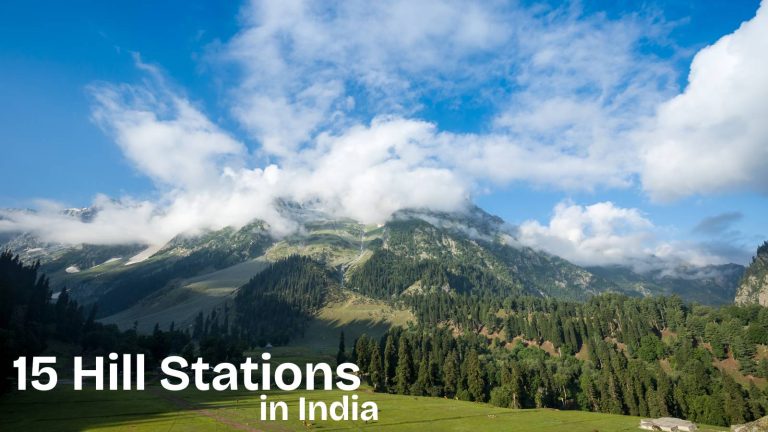
India boasts thousands of breathtaking landscapes, yet most travelers often stick to familiar destinations like Manali, Shimla, Ooty,…