

Best Places to Travel with Kids in India: Where to Go by Age, Budget & Season
The best places to travel with kids in India include Goa, Kerala, Ooty, Jaipur, Udaipur, Mysuru, Manali, Kashmir,…
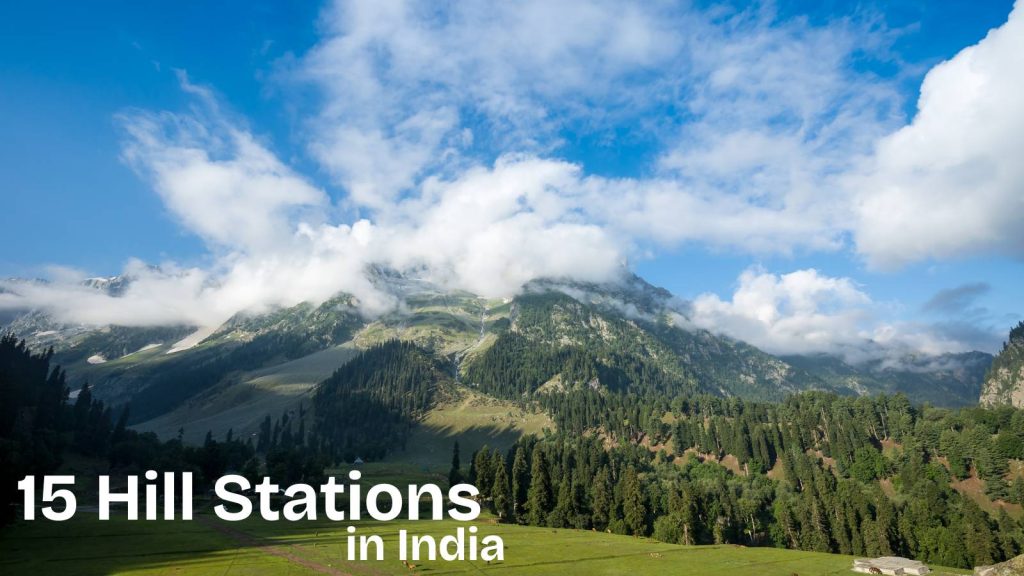
India boasts thousands of breathtaking landscapes, yet most travelers often stick to familiar destinations like Manali, Shimla, Ooty, and Darjeeling. In recent years, a growing number of travelers are seeking underrated hill stations in India, aiming to experience serene destinations away from crowded tourist spots. These lesser-known hill stations provide a perfect escape, offering tranquil surroundings, rich natural beauty, local culture, and a chance to truly unwind.
Find 15 of the most underrated hill stations in India, giving opportunity to enjoy extraordinary places before they become mainstream. Know essential details on how to reach each destination, the best places to stay, key activities, ideal visiting months, and what makes each location special—making it a complete and practical resource for anyone planning a unique mountain getaway.
Located in the lush hills of Arunachal Pradesh, Ziro Valley is one of India’s most serene and culturally rich hill stations, offering travelers a peaceful escape from crowded tourist spots. Renowned for its picturesque landscapes, mist-covered hills, and sprawling rice terraces, the valley is home to the Apatani tribe, celebrated for their sustainable lifestyle, bamboo and cane homes, and distinctive facial tattoos and nose plugs.
With cool weather throughout the year, Ziro provides an ideal setting for nature lovers, photographers, and those seeking tranquility. Recognized as a UNESCO World Heritage Site nominee, the valley is also famous for the annual Ziro Music Festival, which draws indie music enthusiasts from across India and abroad, blending music, culture, and natural beauty into an unforgettable experience.
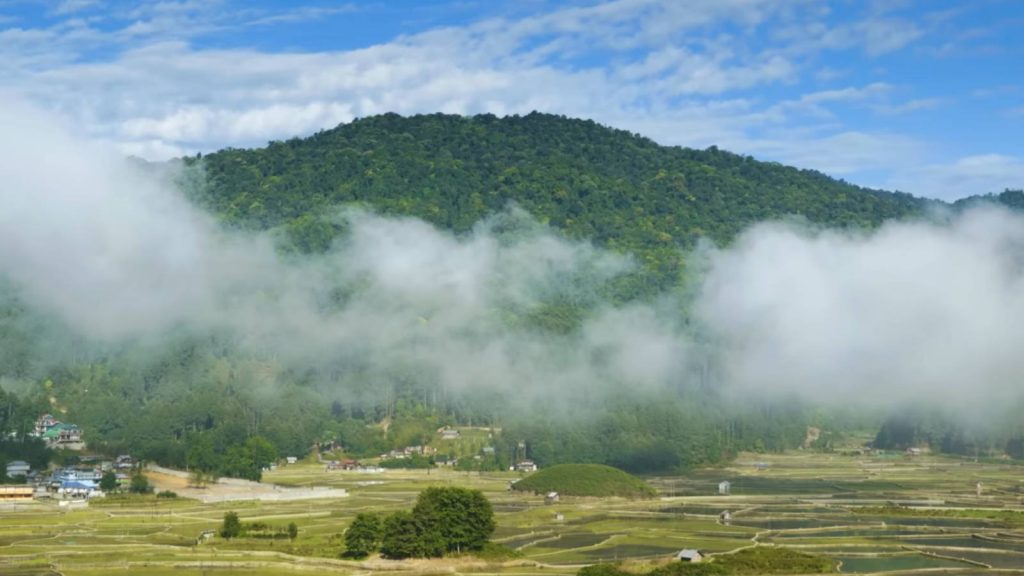
Most comfortable months to visit Ziro are March to June and September to November, when the weather is pleasant, the skies are clear, and the lush green landscape is at its peak.
During the monsoon, heavy rains can make travel tricky, though the valley becomes even more enchanting with misty hills and waterfalls.
Ziro is well-connected by air, rail, and road, though reaching it requires some planning:
Ziro offers a variety of accommodations ranging from homestays to resorts, providing visitors with comfort and local hospitality:
Chakrata is a serene cantonment hill station tucked away in the dense pine forests of Uttarakhand. Unlike popular hill stations like Mussoorie or Nainital, Chakrata remains relatively untouched, offering a peaceful retreat away from crowds.
Region is dotted with hidden waterfalls, caves, and quiet trekking trails, making it ideal for travelers who want to reconnect with nature, enjoy adventure activities, or simply relax in a tranquil environment. Its natural beauty, cool climate, and offbeat charm make it one of Uttarakhand’s hidden places.
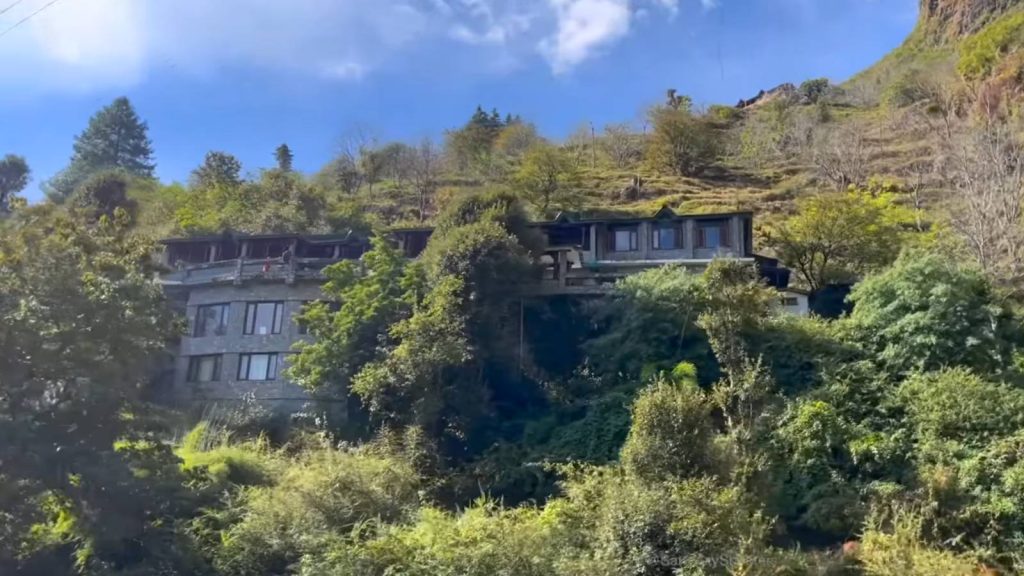
The ideal months to visit Chakrata are March to June and September to November, when the weather is mild, skies are clear, and trekking conditions are favorable. Winters (December to February) can be cold, with occasional snowfall, which adds a magical charm to the pine-covered hills. Monsoons (July to August) are generally avoided due to slippery trails and heavy rainfall, though the forests appear lush and vibrant during this time.
Chakrata is accessible by air, rail, and road, though travel planning is essential:
Chakrata offers a range of accommodation options to suit different budgets and preferences:
Tawang is a picturesque hill station located in the northeastern state of Arunachal Pradesh, renowned for its stunning landscapes, vibrant culture, and spiritual significance. Perched at an altitude of around 3,048 meters, Tawang is famous for its Tawang Monastery, the second largest Buddhist monastery in India, which serves as a spiritual and cultural hub of the region.
Surrounded by snow-capped mountains, lush valleys, and pristine rivers, Tawang offers travelers a serene escape, perfect for those seeking tranquility, photography, and cultural exploration. The region is also known for its colorful festivals, local handicrafts, and warm hospitality, making it a unique offbeat destination.
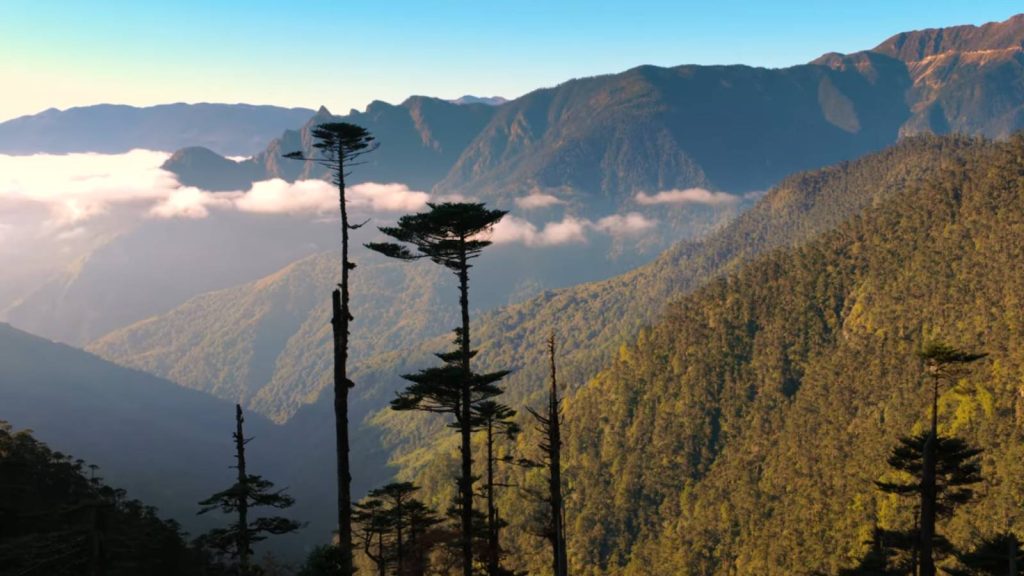
The best time to visit Tawang is March to June and September to November, when the weather is pleasant, skies are clear, and travel conditions are safe. Winters (December to February) can be extremely cold, often with snowfall, offering a magical snow-covered landscape but requiring proper preparation. Monsoon season (July to August) brings heavy rains and landslides, making travel difficult, though the valley becomes lush and vibrant.
Tawang is accessible by air, road, and rail (via nearby stations), though planning is essential due to its remote location:
Tawang offers a range of accommodations from resorts to homestays, catering to different preferences:
Kalpa is a charming hill station nestled in the Kinnaur district of Himachal Pradesh, offering breathtaking views of the Kinnaur Kailash range and a peaceful Himalayan escape. Known for its apple orchards, traditional Himachali villages, and serene landscapes, Kalpa remains relatively untouched by commercial tourism, making it an ideal destination for travelers seeking tranquility and natural beauty.
The combination of snow-capped mountains, terraced fields, and misty valleys creates a picture-perfect setting for photography, trekking, and cultural exploration.
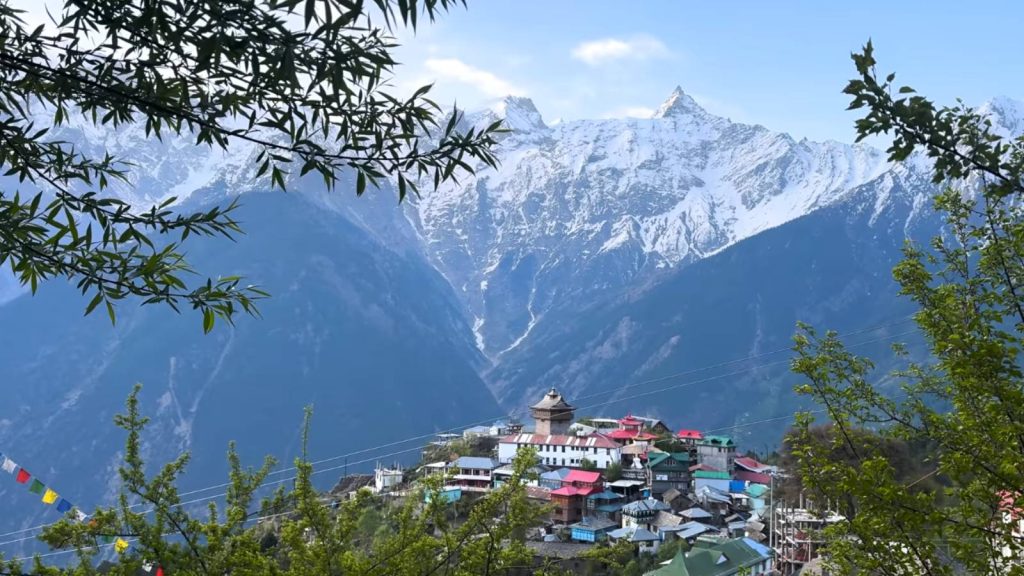
Best time to visit Kalpa is April to June and September to November, when the weather is pleasant, skies are clear, and mountain views are unobstructed. Winters (December to February) are cold with occasional snowfall, creating a magical snowy landscape, while monsoons (July to August) bring heavy rainfall and possible landslides, making travel risky.
Kalpa is well-connected by road, with nearby airports and railway stations facilitating access:
Kalpa offers a range of accommodations suitable for different budgets and preferences:
Kausani is a serene hill station in Uttarakhand, often referred to as the “Switzerland of India” for its panoramic views of the majestic Himalayan peaks, including Nanda Devi, Trishul, and Panchachuli. Known for its tranquility and natural beauty, Kausani is an ideal destination for travelers seeking peace, spectacular sunrises and sunsets, and an escape from crowded tourist spots.
The region is dotted with tea gardens, lush valleys, and quiet trails that allow visitors to immerse themselves in nature and enjoy leisurely walks or meditation.
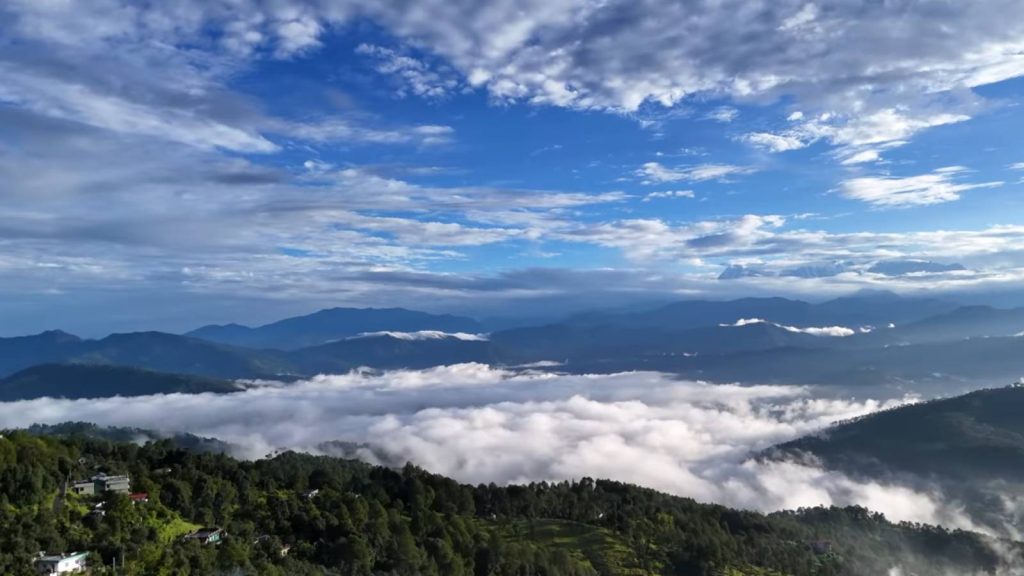
The best time to visit Kausani is March to June and September to November, when the weather is pleasant and the Himalayan peaks are clearly visible. Winters (December to February) can be chilly, occasionally experiencing snowfall, while monsoon months (July to August) bring heavy rainfall, making outdoor activities and trekking challenging.
Kausani is well-connected by road, with nearby airports and railway stations facilitating travel:
Kausani offers a variety of accommodations catering to different budgets and preferences:
Aritar is a tranquil and lesser-known hill station in Sikkim, known for its lush green landscapes, serene lakes, and peaceful environment. Nestled amidst the eastern Himalayan ranges, Aritar offers a perfect retreat for travelers looking to escape crowded tourist spots and immerse themselves in nature.
The region is dotted with traditional Sikkimese villages, monasteries, and scenic viewpoints, making it ideal for relaxation, photography, and cultural exploration.
The ideal months to visit Aritar are March to June and September to November, when the weather is pleasant, skies are clear, and the lush landscapes are vibrant. During these months, travelers can comfortably enjoy trekking, nature walks, and sightseeing without any weather-related disruptions.
Winters (December to February) can be quite cold, with temperatures dropping significantly, so visitors should carry warm clothing. Monsoon months (July to August) bring heavy rainfall, which enhances the greenery but may make trekking trails slippery and outdoor activities challenging.
Aritar is well-connected by air, rail, and road, making it accessible despite being an offbeat destination:
Aritar offers a variety of accommodations catering to different budgets and travel preferences, from comfortable resorts to cozy homestays:
Lambasingi, often referred to as the “Kashmir of South India,” is a hidden gem tucked in the Eastern Ghats of Andhra Pradesh. Known for its misty hills, cool climate, and lush greenery, it is one of the few places in South India where visitors can experience frost during winters.
Surrounded by dense forests, coffee plantations, and winding nature trails, Lambasingi offers a peaceful retreat for travelers looking for tranquility, adventure, and offbeat experiences. Its serene environment and scenic beauty make it perfect for trekking, photography, and nature exploration.
Best time to visit Lambasingi is October to February, when the weather is cool, mornings are misty, and the natural beauty is at its peak. Summers (March to June) can be warm, which may limit outdoor activities, while monsoon months (July to September) bring heavy rainfall, making trekking and other outdoor adventures difficult. Visiting during the cooler months ensures a comfortable and memorable experience.
Lambasingi is accessible by air, rail, and road, though careful planning is recommended due to its offbeat location:
Lambasingi offers a variety of accommodations catering to different types of travelers:
Ponmudi is a serene hill station located in the Thiruvananthapuram district of Kerala. Nestled in the Western Ghats, it is known for its lush tea plantations, winding roads, and hidden waterfalls, offering a peaceful retreat away from Kerala’s more crowded destinations. With cool weather throughout the year and verdant landscapes, Ponmudi is perfect for nature lovers, trekking enthusiasts, and travelers seeking solitude.
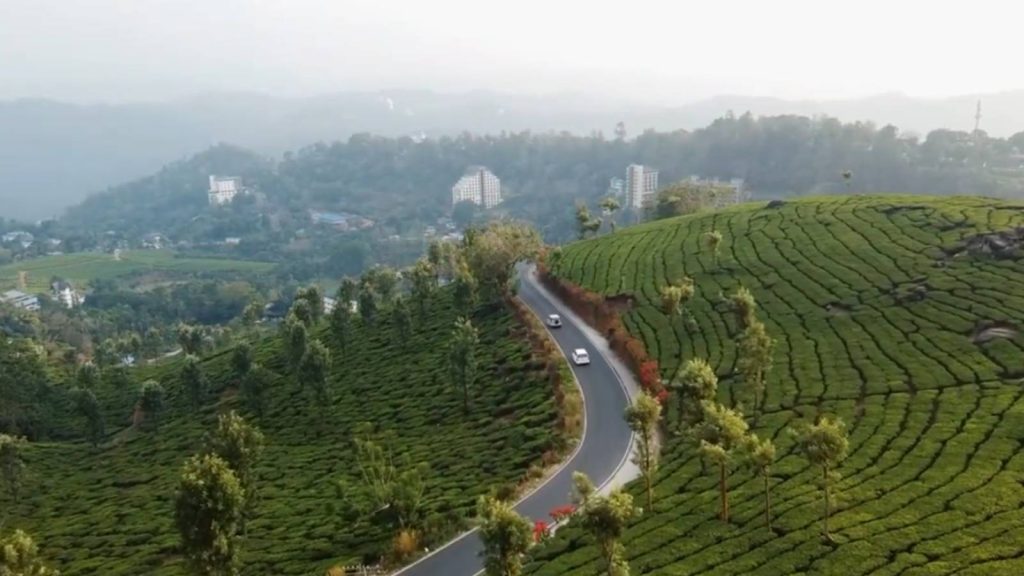
The ideal months to visit Ponmudi are October to March, when the weather is cool, pleasant, and ideal for trekking and sightseeing. Summers (April to June) can be warm, while monsoon months (June to September) bring heavy rainfall, which may make outdoor activities challenging but enhance the lush greenery.
Ponmudi is well-connected by air, rail, and road, allowing travelers to plan their journey conveniently:
Ponmudi provides a variety of accommodations catering to different budgets and preferences, from cozy homestays to modern resorts:
Patnitop is a picturesque hill station located in the Udhampur district of Jammu & Kashmir, perched at an altitude of approximately 2,024 meters. Known for its open meadows, dense pine forests, and panoramic Himalayan views, Patnitop is an ideal destination for families, adventure enthusiasts, and nature lovers seeking tranquility and fresh mountain air. The hill station offers a mix of scenic beauty and outdoor activities, including trekking, paragliding, and winter skiing.
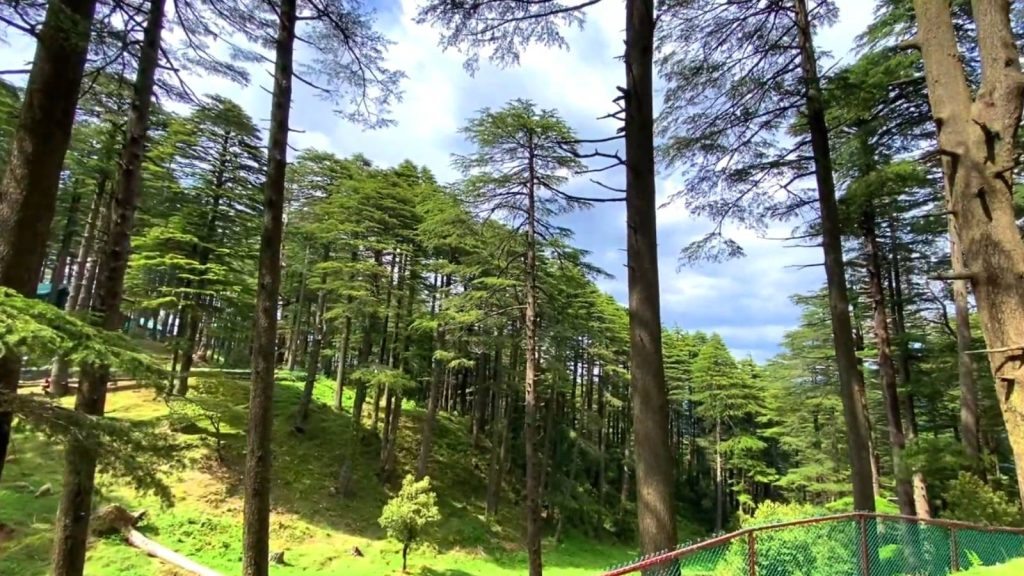
Best months to visit Patnitop are March to June and September to November, when the weather is pleasant and conducive to trekking and sightseeing. Winters (December to February) bring snowfall, creating a magical snow-covered landscape, perfect for winter sports but requiring warm clothing.
Monsoon season (July to August) brings heavy rainfall, which may restrict trekking and outdoor activities but enhances the greenery of the region.
Patnitop is well-connected by air, rail, and road, making it accessible despite its mountainous location:
Patnitop offers a range of accommodations suited to families, couples, and solo travelers:
Yercaud is a charming hill station situated in the Shevaroy Hills of Tamil Nadu. Known for its coffee plantations, serene lakes, and rolling hills, it is often considered a peaceful and budget-friendly alternative to Ooty. Yercaud attracts families, couples, and solo travelers seeking a tranquil escape amidst lush greenery and calm surroundings.
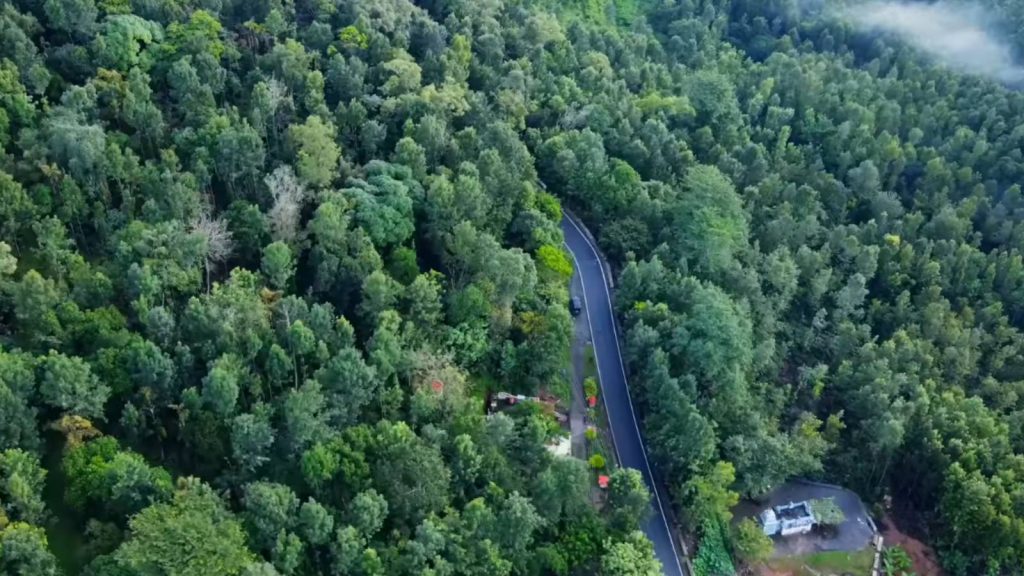
Best time to visit Yercaud is September to March, when the weather is cool and ideal for sightseeing, trekking, and nature walks. Summers (April to June) can be warm, which may make outdoor activities less comfortable, while monsoon months (July to August) bring heavy rainfall, limiting outdoor excursions but enhancing the hill station’s natural beauty.
Yercaud is accessible by air, rail, and road, allowing for easy planning:
Yercaud offers a variety of accommodations for different preferences and budgets:
Khajjiar, often referred to as the “Mini Switzerland of India”, is a picturesque hill station located in the Chamba district of Himachal Pradesh. Nestled at an altitude of around 1,920 meters, Khajjiar is famous for its vast meadows, dense forests, and serene Khajjiar Lake, making it a perfect destination for nature lovers, photographers, and adventure enthusiasts. Its panoramic views of the Dhauladhar and Pir Panjal ranges enhance the charm of this offbeat hill station.
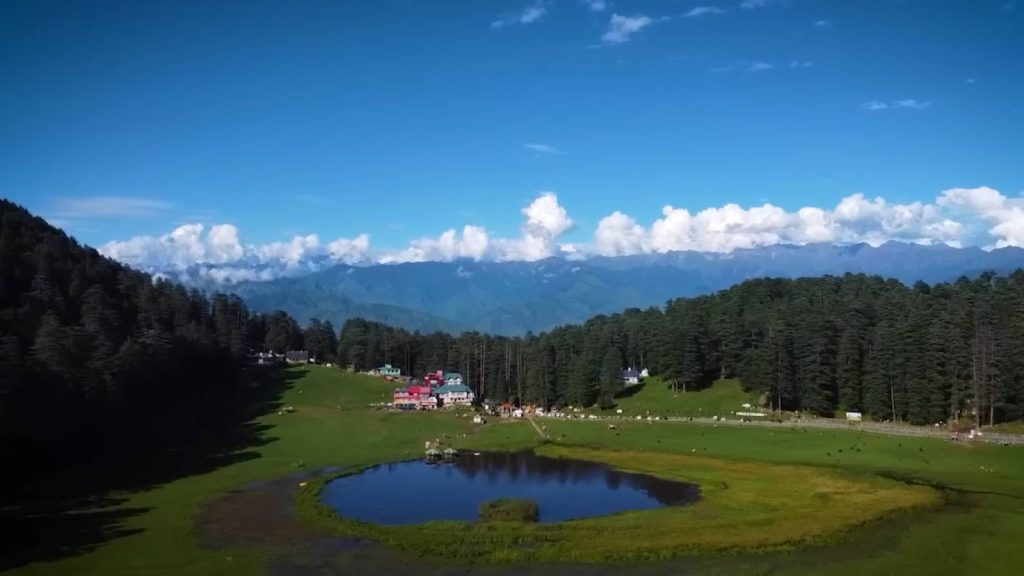
The best time to visit Khajjiar is March to June and September to November, when the weather is pleasant, and the skies are clear, ideal for trekking, photography, and outdoor activities.
Winters (December to February) bring snow, transforming Khajjiar into a winter wonderland suitable for snow activities but requiring warm clothing. Monsoon season (July to August) brings heavy rainfall, which may make travel tricky but enhances the greenery of the meadows.
Khajjiar is well-connected by air, rail, and road, though some planning is needed for smooth travel:
Khajjiar offers accommodations catering to different preferences:
Mainpat, often called the “Shimla of Chhattisgarh”, is a scenic hill station located in the Surguja district. Situated at an altitude of about 1,100 meters, Mainpat is known for its Tibetan settlements, lush valleys, waterfalls, and offbeat trekking trails, offering a unique blend of culture and nature. It is perfect for travelers seeking peace, adventure, and a less-commercialized destination.
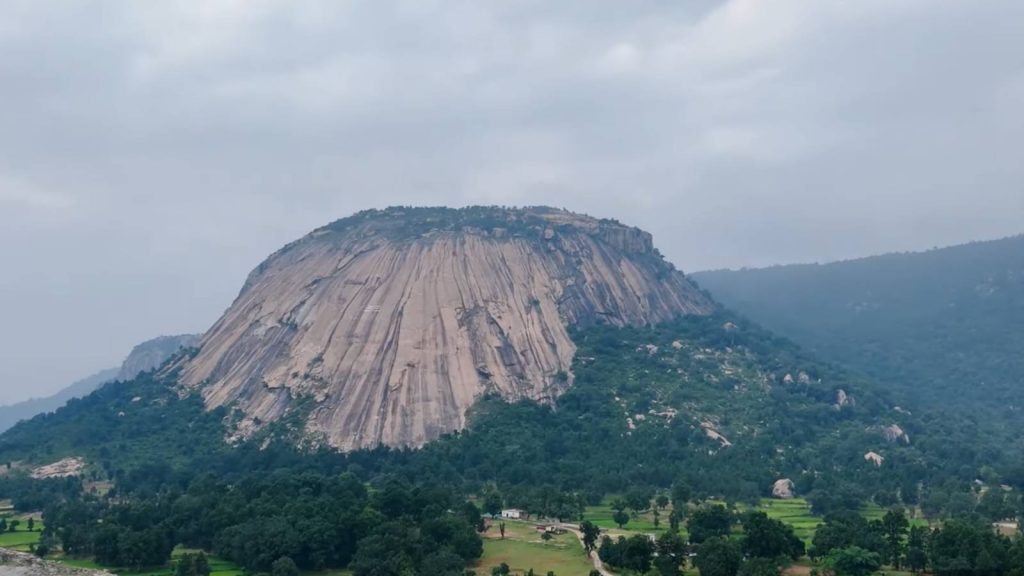
The ideal months to visit Mainpat are October to March, when the weather is cool and pleasant, ideal for trekking, sightseeing, and outdoor activities. Summers (April to June) can be warm, while monsoon (July to September) brings heavy rainfall that may affect trekking and road accessibility but enhances the greenery and beauty of waterfalls.
Mainpat can be accessed by road, rail, and air with proper planning:
Mainpat offers a limited but comfortable range of accommodations for travelers:
Haflong is the only hill station in Assam, situated in the Dima Hasao district at an altitude of about 966 meters. It is a tranquil destination, surrounded by rolling hills, serene lakes, and dense forests.
Known for its orange orchards, scenic viewpoints, and tribal culture, Haflong offers a unique experience away from mainstream tourist circuits, making it perfect for travelers seeking solitude, photography, and nature exploration.
The ideal months to visit Haflong are October to April, when the weather is pleasant, skies are clear, and outdoor activities such as trekking, boating, and sightseeing can be enjoyed comfortably. During these months, the landscape is lush, and the air is crisp, providing ideal conditions for photography and nature walks.
Summers (May to June) are moderately warm but still suitable for travel. Monsoon season (July to September) brings heavy rainfall, which may make road travel challenging and some trekking paths slippery, but the rains transform Haflong into a verdant paradise, with misty hills, flowing streams, and vibrant flora.
Haflong is accessible via air, rail, and road, though being a remote location, careful planning is recommended:
Haflong offers accommodations ranging from basic lodges to modern resorts:
Matheran is a quaint hill station in the Raigad district of Maharashtra, perched at an altitude of approximately 800 meters. It is famous for being Asia’s only vehicle-free hill station, which ensures a peaceful, pollution-free environment.
Matheran is dotted with dense forests, rolling hills, colonial-era bungalows, and more than 38 viewpoints, offering breathtaking vistas of the Western Ghats. Its vintage charm, scenic beauty, and tranquil environment make it a unique getaway from urban life.
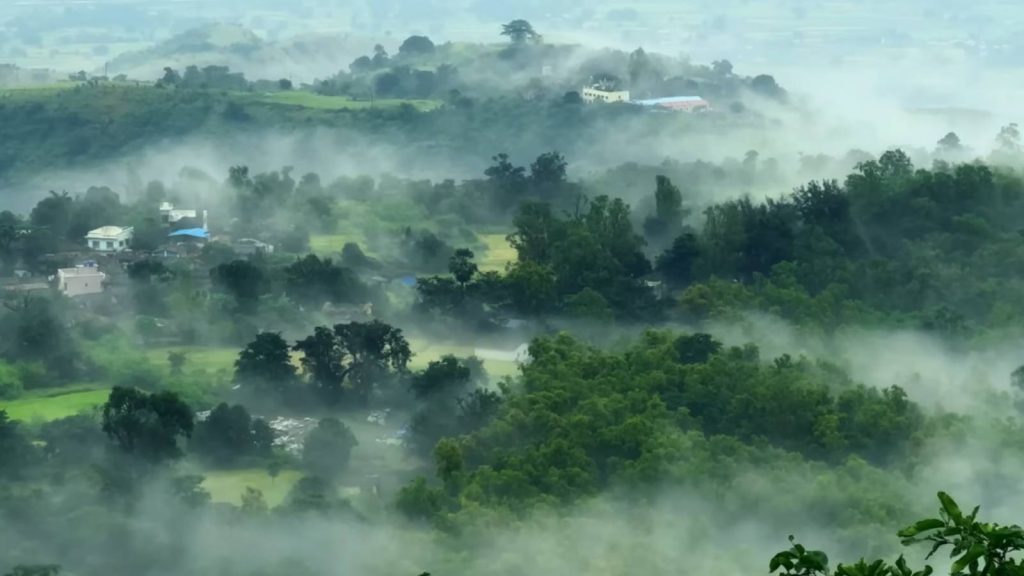
The best months to visit Matheran are October to May, when the weather is cool, pleasant, and ideal for sightseeing, trekking, and nature walks. The monsoon season (June to September) transforms the hills into a lush green paradise with misty waterfalls, though some trails may be slippery or temporarily closed for safety. Winters (December to February) are mild and perfect for enjoying sunrise and sunset views at the various viewpoints.
Matheran’s unique status as a vehicle-free hill station makes the journey part of the experience:
Matheran offers a variety of accommodations suited to all types of travelers:
Araku Valley is a scenic hill station in the Visakhapatnam district of Andhra Pradesh, Located in the Eastern Ghats at an altitude of around 1,000 meters. It is renowned for its coffee plantations, waterfalls, lush greenery, and tribal culture.
Araku Valley is also famous for its scenic train journey through tunnels, bridges, and valleys, offering travelers an immersive nature experience. This hill station is perfect for those seeking adventure, cultural exploration, and tranquil surroundings.
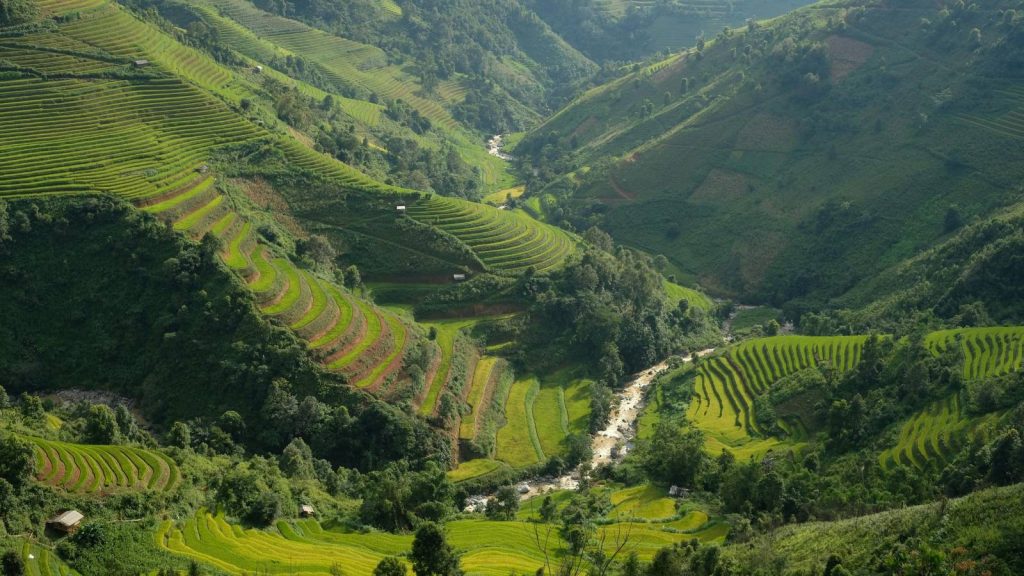
The ideal months to visit Araku Valley are October to March, when the weather is cool, pleasant, and ideal for sightseeing, trekking, and coffee plantation tours. Summers (April to June) can be warm but manageable, while monsoon months (July to September) bring heavy rainfall, making waterfalls more vibrant but some trekking trails slippery. This period also turns the valley into a lush, green haven, perfect for nature photography.
Araku Valley is well-connected by air, rail, and road, providing multiple travel options:
Araku Valley offers accommodations that combine comfort with a close-to-nature experience:
Seeking adventure, calmness, or scenic photography, these hidden places provide memories you won’t find in mainstream tourist spots. Visit them now—before they become the next big trend.
The best places to travel with kids in India include Goa, Kerala, Ooty, Jaipur, Udaipur, Mysuru, Manali, Kashmir,…
12 Jyotirlingas are sacred shrines dedicated to Lord Shiva, each representing a unique manifestation of the divine. Spread…
Planning a trip to the mystical Kedarnath Temple? Discover the best and most convenient ways to reach this…
2 comments