
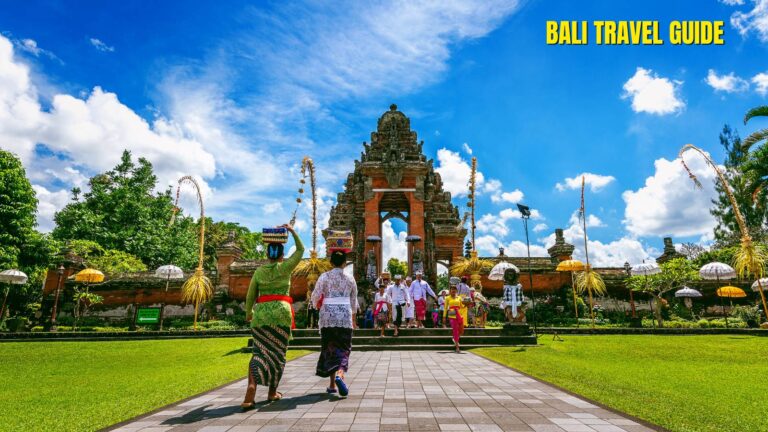
Bali Travel Guide: Secret Villages & Hidden Water Temples Tour
Bali is often described as the Island of the Gods, a land of beaches, volcanoes, and vibrant nightlife.…

When travelers think of South America, they often picture Buenos Aires, Rio de Janeiro, or Machu Picchu, but nestled along the banks of the Rio de la Plata lies a gem that should not be overlooked — Colonia del Sacramento. This small city in southwestern Uruguay is one of the oldest towns in the country and is famous for its charming cobblestone streets, Portuguese and Spanish colonial architecture, and peaceful atmosphere.
Recognized as a UNESCO World Heritage Site, Colonia offers a unique blend of history and relaxation, making it an ideal day trip or weekend getaway. Its strategic location between Buenos Aires and Montevideo also makes it highly accessible for international and regional travelers.
Colonia del Sacramento sits directly across the Rio de la Plata from Buenos Aires, Argentina, and is only about 180 kilometers from Montevideo, the capital of Uruguay. Because of this prime location, it has long been a historical crossroads of cultures, contested between Portuguese and Spanish settlers.

Today, its riverside setting provides stunning sunsets and tranquil views, making it one of the most picturesque towns in South America. Travelers are often surprised at how close it is to Argentina, which is why ferries between Buenos Aires and Colonia are one of the most popular ways to enter Uruguay.
One of the most common ways to travel from Montevideo to Colonia del Sacramento is by bus. Several reliable companies, including COT and Turil, operate frequent services throughout the day. The journey typically takes between 2.5 to 3 hours, and buses are modern, air-conditioned, and comfortable.
Tickets can be purchased online or directly at Montevideo’s main bus terminal, Tres Cruces. For travelers on a budget, this option is affordable and convenient.
If you prefer more flexibility, renting a car is another excellent option. The drive from Montevideo to Colonia takes roughly 2.5 hours along Route 1, a well-maintained highway that passes through small towns and scenic countryside.
Along the way, you can stop at vineyards, roadside cafés, and viewpoints that showcase Uruguay’s rural charm. Having a car also gives you freedom to explore nearby attractions outside Colonia.
For travelers who want a hassle-free experience, private transfers and guided tours from Montevideo to Colonia del Sacramento are available. These services pick you up from your hotel and include direct transportation, often with commentary along the way. While more expensive than buses, this option is ideal for those who want comfort and convenience.
The fastest and most popular way to reach Colonia del Sacramento from Argentina is by ferry. Several companies operate this route, with Buquebus, Colonia Express, and Seacat Colonia being the most trusted providers. Each offers different schedules, ticket classes, and prices, catering to different types of travelers.
Ferries between Buenos Aires and Colonia run multiple times a day. Travel time ranges from 1 to 2 hours depending on the type of ferry you choose. High-speed ferries usually take around 60 minutes, making Colonia one of the easiest and most enjoyable day trips from Buenos Aires.
Ticket prices vary depending on the company, class, and season. Economy tickets are reasonably priced and comfortable, while business and first-class options include larger seats, lounge access, and priority boarding. Booking early online often ensures better deals, especially during weekends or holiday periods when ferries sell out quickly.
In Buenos Aires, ferries to Colonia depart from the Puerto Madero district, which is easily accessible by taxi or public transport. On arrival in Uruguay, ferries dock at Colonia’s modern terminal, located just a short walk from the historic city center. This proximity makes exploring Colonia extremely convenient, as you can step off the ferry and immediately begin your adventure.
Travelers should arrive at least an hour before departure to clear immigration and customs. Since this is an international border crossing, you’ll need a valid passport. It’s also worth noting that duty-free shops are available on board, where you can purchase local wines, perfumes, and chocolates.
The heart of Colonia is its Barrio Histórico, a charming neighborhood filled with cobblestone streets, colorful colonial houses, and flower-draped balconies. Wandering through this area feels like stepping back in time. Don’t miss Calle de los Suspiros (Street of Sighs), one of the most photographed streets in Uruguay.
Climbing the lighthouse is a must for panoramic views over the old town and across the Rio de la Plata. Built in the 19th century, it is still operational and provides a fantastic perspective of the blend of Portuguese and Spanish architecture below.
The Puerta de la Ciudadela, or City Gate, is the grand entrance into the historic quarter. Just beyond lies Plaza Mayor, the central square surrounded by cafés, artisan shops, and museums. It’s a perfect place to sit and soak in the atmosphere.
Colonia del Sacramento is home to several small yet fascinating museums. The Portuguese Museum showcases artifacts from the colonial era, while the Municipal Museum houses items from both Portuguese and Spanish settlers. The Indigenous Museum provides a glimpse into the pre-colonial history of Uruguay.
The Rambla de Colonia is a scenic walkway along the coast, perfect for an afternoon stroll. Many travelers gather here in the evening to witness Colonia’s world-famous sunsets. Watching the sun dip below the horizon over the Rio de la Plata is an unforgettable experience.
Other highlights include the Basilica of the Holy Sacrament, one of the oldest churches in Uruguay, and the Plaza de Toros Real de San Carlos, a historic bullring located just outside the city. Although bullfighting is banned, the site remains a striking landmark.
Many travelers visit Colonia del Sacramento on a day trip from Buenos Aires, which is entirely possible given the short ferry ride. A single day allows you to explore the historic quarter, enjoy a meal, and watch the sunset before returning. However, spending a night in Colonia offers a more relaxed pace.
After day-trippers leave, the town becomes quieter, allowing you to enjoy the cobblestone streets under the glow of lanterns and dine at riverside restaurants without the crowds.
Colonia del Sacramento is not only about history but also about culinary experiences. Local restaurants serve traditional Uruguayan dishes such as the chivito (a hearty steak sandwich), asado (barbecue), and fresh seafood.
Pair your meal with a glass of Tannat, Uruguay’s signature red wine. Cafés scattered around the historic quarter provide the perfect stop for coffee or ice cream, while mate, the traditional herbal tea of Uruguay, is commonly enjoyed by locals.
FAQs
Colonia del Sacramento is located in southwestern Uruguay, on the banks of the Rio de la Plata. It lies directly across the river from Buenos Aires, Argentina, and is about 180 km from Montevideo, Uruguay’s capital.
Colonia del Sacramento is best known for its well-preserved historic quarter (Barrio Histórico), a UNESCO World Heritage Site. The city features cobblestone streets, Portuguese and Spanish colonial architecture, and stunning sunsets along the river.
The easiest way is by ferry. Companies like Buquebus, Colonia Express, and Seacat Colonia operate daily services from Buenos Aires to Colonia, with the journey taking just 1–2 hours.
You can travel from Montevideo by bus, car, or private transfer. The bus journey takes around 2.5–3 hours and is the most affordable option, while driving allows you to explore vineyards and small towns along the way.
Yes, Colonia is one of the most popular day trips from Buenos Aires because of the short ferry ride. In a single day, you can explore the historic quarter, enjoy local cuisine, and watch the sunset before returning.
While a day trip is possible, staying overnight allows you to experience the city at a slower pace. After the crowds leave, Colonia becomes quiet and atmospheric, with lantern-lit streets and peaceful riverside dining.
Highlights include exploring the Barrio Histórico, climbing the Faro (lighthouse), visiting the City Gate & Plaza Mayor, enjoying small museums, strolling the waterfront promenade, and watching the famous sunset.
The city offers traditional Uruguayan dishes such as chivito (steak sandwich), asado (barbecue), and fresh river fish. Pair your meal with Uruguay’s signature Tannat wine or enjoy mate tea like the locals.
The best time to visit is during spring (September–November) and autumn (March–May), when the weather is pleasant, and crowds are smaller. Summer (December–February) is also popular but busier.
Yes, Colonia is considered one of the safest cities in Uruguay. The historic quarter is pedestrian-friendly, and walking at night is generally safe. However, as with any tourist destination, it’s wise to keep an eye on personal belongings.
Bali is often described as the Island of the Gods, a land of beaches, volcanoes, and vibrant nightlife.…
Traveling solo can be one of the most life-changing experiences a woman can have. Beyond adventure and sightseeing,…
India boasts thousands of breathtaking landscapes, yet most travelers often stick to familiar destinations like Manali, Shimla, Ooty,…