
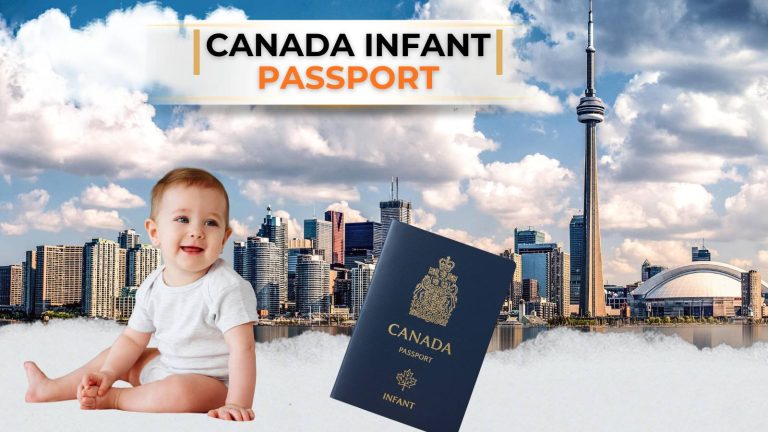
Canada Infant Passport: How to Get the Passport for Baby (0-2 Years) Without Photo Rejections
Applying for a Canada infant passport can be one of the more time-consuming tasks for new parents, but…

Canada is home to some of the most breathtaking natural wonders on Earth, and the Tallest waterfalls in Canada are no exception. With its diverse geography—from the towering Rocky Mountains of British Columbia to the rugged northern territories—Canada boasts countless waterfalls that plunge dramatically into pristine valleys and canyons.
Hotels in Niagara Falls Canada – Fallsview & Budget Stays
These awe-inspiring cascades are not only towering in height but also rich in history, ecology, and hidden secrets waiting to be uncovered by adventurous travelers. An avid hiker, a nature photographer, or simply someone who appreciates the grandeur of nature, Canada’s waterfalls offer a remarkable experience that combines visual splendor with deep natural significance.
Ranking Canada’s tallest waterfalls involves more than just taking vertical measurements. Experts measure waterfall height from the highest point of the plunge to the lowest point where water strikes the ground or water surface below. Seasonal flow changes, shifting geology, and even accessibility influence how we list and experience these natural wonders.
In Canada, many of the tallest waterfalls roar down from remote glacial meltwaters, creating truly wild and spectacular sights. Unlike single-drop falls, some waterfalls descend in multiple tiers, which complicates their rankings. To ensure accurate classifications, researchers often rely on satellite data and conduct on-site geological surveys to confirm measurements.
Spring and early summer offer the most spectacular waterfall views in Canada, as melting snow and glacial runoff dramatically increase water flow. During this period, waterfalls roar with full force, creating powerful visual displays and mist-filled valleys.
In contrast, late summer and early autumn bring reduced flow but introduce vibrant fall foliage and cooler, more comfortable hiking conditions, giving the landscape a completely different kind of charm. Winter adds another level of beauty with frozen cascades and snow-covered surroundings, but icy roads, trail closures, and harsh weather often limit access—especially in the mountains.
To make the most of any trip, travelers should plan well in advance, confirm seasonal access rules, and secure any required park permits. Checking up-to-date trail advisories and local weather conditions ensures both a safe and rewarding visit to even the most remote of Canada’s tallest waterfalls.
Canada’s rugged terrain is home to thousands of waterfalls, but only a few stand out as the tallest based on official geological measurements. These impressive falls often lie deep within remote wilderness areas, demanding careful planning, physical effort, and sometimes even special transportation to reach.
Despite the challenges, each waterfall rewards explorers with spectacular scenery, unique geological formations, and unforgettable natural beauty. Below is an expanded look at some of the most breathtaking and towering waterfalls across Canada.
James Bruce Falls claims the title of the tallest waterfall in Canada, plunging approximately 840 meters (2,756 feet) from the snowfields above Princess Louisa Inlet in British Columbia. This stunning waterfall descends dramatically in multiple tiers down a near-vertical mountain face, creating a mesmerizing display during peak flow. Spring is the most impressive season to witness its power, as snow and glacial ice melt surge over the rocky cliffside.

The falls sit in a pristine and largely untouched location, best viewed by boat along the inlet. As part of a protected marine park, the surrounding ecosystem remains largely undisturbed, supporting diverse wildlife and dense temperate rainforest. Visitors are treated not only to the waterfall itself, but to the serene and untouched wilderness that frames this natural wonder.
Hunlen Falls, located deep within Tweedsmuir South Provincial Park, plunges 401 meters (1,316 feet) in a single uninterrupted drop, ranking it among the tallest single-drop waterfalls in Canada. Reaching this waterfall typically requires a floatplane trip or a strenuous backcountry hike, which preserves its untouched character.

The surrounding landscape showcases dramatic alpine scenery, featuring rugged cliffs, sparkling lakes, and ancient forests rich with wildlife. The waterfall is named after a local Indigenous guide, linking the site to the cultural heritage of the region. Those who make the journey experience more than just a visual spectacle—they encounter peaceful isolation and a deeper connection with the Canadian wilderness.
Takakkaw Falls sits in Yoho National Park and ranks as one of the most accessible yet majestic waterfalls in Canada. Standing at 373 meters (1,224 feet), it boasts a spectacular multi-tiered drop that thunders down from the Daly Glacier. The name “Takakkaw” comes from the Cree word for “magnificent,” and the scene truly lives up to that description. Well-maintained paved roads and a short walking trail make this waterfall easy to visit, even for families and casual sightseers.

During summer, the water flow is at its strongest, sending plumes of mist into the air that cool visitors at the base. Nearby picnic areas, hiking trails, and viewpoints offer plenty of opportunities to enjoy the surrounding natural beauty throughout the day.
Nestled within Strathcona Provincial Park on Vancouver Island, Della Falls plunges an impressive 440 meters (1,444 feet), earning a place among the tallest waterfalls in Canada. Visiting Della Falls requires a scenic boat ride across Great Central Lake followed by a demanding 16-kilometer hike through rugged terrain, making it a true expedition for adventurous hikers.

Along the route, visitors encounter towering old-growth forests, rushing creeks, and several spectacular lookout points. Legend says the waterfall was named by a prospector in honor of his wife, adding a romantic historical note to its legacy. Surrounded by dramatic cliffs and rich biodiversity, Della Falls offers a rewarding combination of epic scenery and outdoor challenge that appeals to dedicated nature lovers.
Twin Falls, located in Yoho National Park, presents a captivating visual with two parallel streams cascading side by side over a 180-meter (590-foot) drop. While not the tallest on this list, its symmetrical beauty and picturesque setting make it one of the most photogenic waterfalls in Canada. The falls are accessible via a moderately challenging hiking trail that winds through lush forests and alongside several smaller cascades, offering spectacular scenery throughout the journey.

Many hikers choose to stay at the historic Twin Falls Tea House nearby, allowing for a charming backcountry experience steeped in history. With colorful wildflower meadows, rock formations, and alpine vistas, Twin Falls delivers a memorable blend of natural beauty, cultural heritage, and outdoor adventure.
Travelers should prepare for remote conditions and carry appropriate gear, especially when visiting isolated areas. It’s also advisable to carry maps, bear spray, emergency communication devices, and sufficient food and water for the journey.
Planning a visit to one—or all—of them promises a journey through some of the most spectacular landscapes the country has to offer. Moreover, the adventure involved in reaching many of these waterfalls turns each visit into a personal expedition, filled with discovery, challenge, and awe-inspiring beauty.
FAQs
The tallest waterfall in Canada is James Bruce Falls in British Columbia. It plunges approximately 840 meters (2,756 feet) from a snowfield high above Princess Louisa Inlet, making it not only Canada’s highest but also one of the tallest waterfalls in North America. It’s most prominent during the spring and early summer when glacial melt is at its peak.
James Bruce Falls is located in Princess Louisa Marine Provincial Park, British Columbia. It is best accessed by boat or floatplane, as the area is remote and surrounded by steep mountainous terrain. Many visitors view the falls during guided boat tours through the inlet, especially from Chatterbox Falls nearby.
Most of them are. British Columbia’s rugged mountains and high precipitation levels make it the province with the highest concentration of tall waterfalls. However, other provinces and territories such as Yukon, Northwest Territories, and Alberta also feature impressive waterfalls, though usually not as tall.
Hunlen Falls in Tweedsmuir South Provincial Park, British Columbia, is considered the tallest single-drop waterfall in Canada at 401 meters (1,316 feet). Unlike tiered falls, Hunlen plunges in a single dramatic drop, offering an unbroken view of cascading water from top to bottom.
The ideal time is late spring to early summer (May to July) when snowmelt from glaciers and mountains feeds the waterfalls. This period ensures peak water flow and dramatic visuals. Some waterfalls reduce to a trickle by late summer or early fall, especially those fed solely by melting snowfields.
Yes. Della Falls, located in Strathcona Provincial Park on Vancouver Island, is one of Canada’s tallest at 440 meters (1,444 feet). It’s accessible via a boat trip across Great Central Lake followed by a challenging 16-kilometer hike, making it a rewarding destination for experienced hikers and adventure seekers.
Some, like Takakkaw Falls in Yoho National Park, are highly accessible and suitable for families, with paved paths and nearby amenities. Others, like Hunlen Falls or Della Falls, require remote travel, hiking, or even floatplane access, making them more suitable for experienced hikers and outdoor enthusiasts.
Most of the tallest waterfalls in Canada are seasonal and heavily dependent on snowmelt and glacial runoff. While some waterfalls may have water flow year-round, their peak volume is typically observed in late spring and early summer. In winter, access is often restricted due to snow and ice.
Yes, especially for waterfalls located in more popular regions like Yoho National Park or Princess Louisa Inlet. Guided boat tours, floatplane trips, and hiking expeditions are available, depending on the location. Tour operators often provide historical insights, safety guidance, and wildlife observation opportunities.
Aside from their stunning appearance, these waterfalls are part of fragile ecosystems and often located in protected parks or Indigenous lands. They support diverse plant and animal life, hold spiritual significance for Indigenous communities, and serve as indicators of climate change, especially those sourced from glaciers and snowfields.
Applying for a Canada infant passport can be one of the more time-consuming tasks for new parents, but…
Travel emergencies can occur unexpectedly, from sudden family crises to last-minute business trips or unexpected opportunities abroad. In…
Mark your calendars for September 4, and get ready to be part of one of the most electrifying…

