
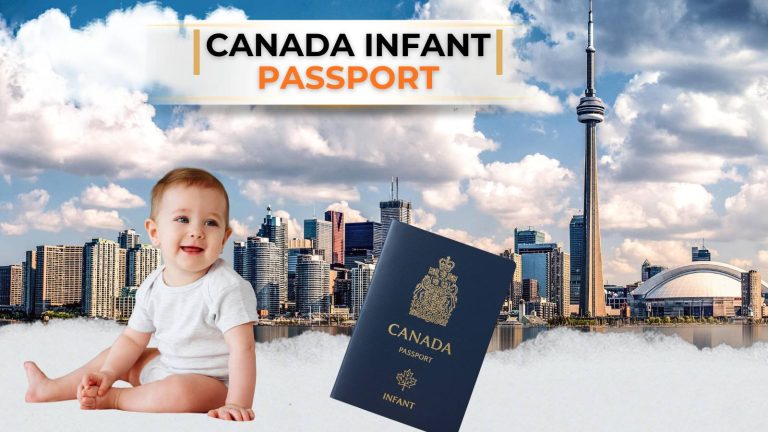
Canada Infant Passport: How to Get the Passport for Baby (0-2 Years) Without Photo Rejections
Applying for a Canada infant passport can be one of the more time-consuming tasks for new parents, but…

Learn the smart and legal methods to immigrate to Canada without a job offer. Understand the key programs and pathways available for skilled workers, students, and entrepreneurs.
Canada is one of the most sought-after destinations for immigrants worldwide, thanks to its excellent quality of life, universal healthcare, safe environment, and vibrant multicultural society. While many believe that securing a Canadian job offer is a prerequisite for immigration, the truth is that there are numerous smart and legal ways to immigrate to Canada without one.
Understanding how to immigrate to Canada without a job offer can open up various pathways tailored to different applicant profiles, such as skilled workers, students, entrepreneurs, and family members. This article dives deep into the legal immigration routes that don’t require a job offer and offers detailed insights to help you navigate the process confidently.
Although having a job offer often strengthens your immigration application and can add extra points in the ranking systems, many individuals may not have access to Canadian employers before moving. Some applicants prefer to immigrate based on their education, skills, language proficiency, or family ties, rather than relying on securing employment beforehand. Certain immigration categories and provinces prioritize factors like adaptability and local ties over a formal job offer. This independence allows applicants to visit broader opportunities and settle in Canada based on their own merits.
Immigrating without a job offer means you won’t be restricted by employer-specific work permits or limited to specific job roles. Instead, you can pursue various job opportunities once in Canada or even start your own business. This flexibility makes these pathways attractive for individuals with strong qualifications but no immediate Canadian job connections.
One of the most prominent routes for skilled immigrants without a job offer is the Express Entry system, specifically under the Federal Skilled Worker Program (FSWP). Launched by Immigration, Refugees and Citizenship Canada (IRCC), Express Entry manages applications for permanent residence for several economic immigration programs, including FSWP.
You can qualify for the FSWP without a job offer as long as you meet specific eligibility criteria. This includes having at least one year of continuous full-time (or equivalent part-time) skilled work experience in a qualifying NOC skill level 0, A, or B job. The program also requires applicants to demonstrate proficiency in English or French at the Canadian Language Benchmark (CLB) level 7 or higher, which can be proven through standardized language tests like IELTS or CELPIP.
Education is another critical factor, where you must either have a Canadian post-secondary credential or an Educational Credential Assessment (ECA) verifying the equivalency of your foreign education. Candidates must also score at least 67 points out of 100 on the FSWP’s point grid, which assesses factors like age, work experience, education, language skills, and adaptability.
While having a valid job offer adds points to your Comprehensive Ranking System (CRS) score—potentially increasing your chances of an Invitation to Apply (ITA)—many candidates receive ITAs each round without job offers, based on their overall strong profiles. Regular draws by IRCC select the top-ranked candidates, making it possible to immigrate purely on merit.
Canada’s provinces and territories actively participate in the immigration process through Provincial Nominee Programs (PNPs). These programs allow provinces to nominate candidates who meet their local labor market needs. Many provinces have streams that don’t require a job offer but instead focus on the applicant’s skills, education, language ability, or connection to the province.
These PNP pathways not only facilitate immigration without a job offer but also add 600 points to your CRS score once nominated, effectively guaranteeing an ITA from the federal government. Applicants must carefully review the requirements of each province and keep updated with changes, as criteria may shift based on economic priorities.
For individuals with close relatives in Canada, the family sponsorship program offers a straightforward and legal way to immigrate without needing a job offer. Canadian citizens and permanent residents can sponsor eligible family members, helping them gain permanent residence based on family reunification policies.
Family sponsorship categories include spouses, common-law partners, dependent children, parents, and grandparents. Sponsors must prove they have sufficient income to support the sponsored relative financially and ensure they will not require social assistance.
This route is particularly advantageous because the sponsored individual does not need to prove work experience or have a job offer to qualify. The process, involves thorough documentation and background checks to confirm the genuineness of relationships and the sponsor’s ability to provide support.
While processing times vary depending on the category and complexity of the case, family sponsorship remains a reliable and compassionate option for those who want to immigrate based on family ties rather than employment status.
Many international students use Canada’s educational opportunities as a stepping stone to permanent residency. This path starts with obtaining a study permit, which allows applicants to legally study at Canadian institutions without needing a job offer upfront.
After completing a recognized Canadian post-secondary program, graduates can apply for a Post-Graduation Work Permit (PGWP), which allows them to work in Canada for up to three years. Gaining Canadian work experience through the PGWP can significantly strengthen an applicant’s profile when applying for permanent residence.
Graduates can then apply under the Canadian Experience Class (CEC), a category within the Express Entry system designed for individuals with Canadian work experience. Since the CEC does not require a job offer to apply, many students successfully transition from study permits to permanent residency without securing a job beforehand.
This pathway is especially attractive because Canadian education is highly valued in the immigration system, and the work experience gained after graduation demonstrates adaptability and integration potential.
For entrepreneurs and investors seeking to immigrate without a job offer, Canada offers several business immigration programs that evaluate applicants based on their ability to contribute economically rather than employment.
Applicants under these streams typically need to show proof of funds, business plans, and relevant experience. These programs provide a direct route to permanent residence without a job offer and are ideal for those who wish to invest or start a business in Canada.
Successfully immigrating to Canada without a job offer requires careful planning and attention to detail. Here are practical tips to strengthen your application:
Strong English or French skills are essential. High scores on language tests like IELTS or TEF improve your CRS score and make you more competitive. Good language ability also helps with adapting to life and finding work in Canada.
An Educational Credential Assessment (ECA) verifies that your foreign education matches Canadian standards. It’s often mandatory for Express Entry and helps secure essential points. Make sure to get your documents assessed by authorized organizations to avoid delays.
Work experience in NOC skill levels 0, A, or B strengthens your profile, even without a Canadian job offer. Detailed proof of your experience and skills can increase your chances, especially if aligned with in-demand occupations.
Provinces have unique immigration streams that may not require a job offer. Aligning your skills with provincial demands can improve your chances of nomination. Keep track of each province’s requirements and deadlines.
Immigration laws are complex and frequently changing. Consulting authorized consultants or lawyers can help you avoid mistakes, prepare a strong application, and navigate any challenges during the process.
Canadian immigration policies change often. Regularly check official IRCC and provincial websites for updates to stay informed about eligibility, program changes, and deadlines. Staying current helps you adjust your plans quickly.
The key to success lies in carefully evaluating your profile, ensuring you meet eligibility requirements, and then choosing the pathway that best fits your situation. With proper preparation, determination, and by adhering to legal processes, you can make your Canadian immigration journey smooth and successful.
FAQs
Yes, you can immigrate to Canada without a job offer. For instance, programs like Express Entry (Federal Skilled Worker) and certain Provincial Nominee Programs allow applicants to apply without a job offer, provided they meet other eligibility criteria.
There are several pathways available. Specifically, Express Entry, some Provincial Nominee Programs, the Atlantic Immigration Pilot, and the Start-Up Visa Program are common options that don’t always require a job offer.
Absolutely. Since language proficiency directly impacts your eligibility and Comprehensive Ranking System (CRS) score, demonstrating strong English or French skills is essential, regardless of whether you have a job offer.
Having an ECA is important because it verifies that your foreign education matches Canadian standards. Without it, your application may lose valuable points or be deemed incomplete by immigration authorities.
Yes, many provinces offer specific streams that do not require a job offer. Therefore, if your skills align with the province’s labor needs, you may still qualify for nomination.
Work experience plays a significant role. Even without a Canadian job offer, having skilled work experience in relevant occupations boosts your profile and increases your chances under programs like Express Entry.
While not mandatory, consulting with authorized immigration experts is highly recommended. This is because professional guidance can help you avoid mistakes and improve the overall strength of your application.
To improve your chances, focus on enhancing your language test scores, obtaining a positive ECA, gaining skilled work experience, and targeting Provincial Nominee Programs that fit your profile.
Yes, the Start-Up Visa Program caters specifically to entrepreneurs who want to launch innovative businesses in Canada without needing a job offer.
You should always refer to the official IRCC website and provincial immigration portals. These sources provide the most accurate and up-to-date information on program requirements and application procedures.
Applying for a Canada infant passport can be one of the more time-consuming tasks for new parents, but…
Travel emergencies can occur unexpectedly, from sudden family crises to last-minute business trips or unexpected opportunities abroad. In…
Mark your calendars for September 4, and get ready to be part of one of the most electrifying…


1 comment