
Valentine Week Days List 2026 – All Day Name from 7 Feb to 14 Feb
Valentine’s Week is the most heartwarming time of the year, where love is celebrated in all its beautiful…

Dussehra, also known as Vijayadashami, is a significant Hindu festival that symbolizes the victory of good over evil. Celebrated on the tenth day after the nine nights of Navratri, it marks the culmination of a vibrant period of festivities filled with devotion, dancing, and cultural expressions. Dussehra in 2025, it’s important to delve deeper into the true essence of this celebration and its meanings.
Dussehra as a cultural festival that carries profound meanings for all. Traditionally, Dussehra commemorates the victory of Goddess Durga over the buffalo demon, Mahishasura, representing the triumph of righteousness and the destruction of evil forces. Celebration is not just confined to the victory of a goddess; it embodies the universal theme of overcoming adversity and darkness within ourselves and society.
Navratri, preceding Dussehra, is a festival dedicated to the divine feminine, featuring nine nights of worship, fasting, and rituals in honor of different aspects of the goddess. Each of these nights is associated with a distinct quality represented by the deities:
Each phase offers unique strengths and virtues that contribute to our personal development and understanding of life.
Day following Navratri, Vijayadashami, signifies triumph beyond just individual qualities – it signifies the victory of the self over the three gunas (tamas, rajas, and sattva). It’s a time to reflect on how we can harness these energies without becoming entangled in them. Realization is about transcending power struggles and seeking liberation – a deeper existence where we can navigate life’s complexities with clarity.
Dussehra also calls for reverence towards everything that contributes to our lives – our bodies, minds, the environment, and even our relationships. Attitude of gratitude fosters an environment where success is not merely about achievements but about understanding one’s place within the larger cosmos. Devotion to these elements aids in creating harmony in our lives, helping us to navigate toward our goals with a focused mind and an open heart.
Historically, Dussehra has been a time of community celebration, marked by grand festivities that encourage unity among diverse groups. Traditional dances, music, and gatherings create an atmosphere of joy and bonding.
Dussehra, also known as Vijayadashami, is a major Hindu festival that celebrates the victory of good over evil. It marks the end of Navratri and Durga Puja and is observed on the tenth day of the Hindu month of Ashwin, which usually falls in September or October.
Dussehra is celebrated to commemorate the victory of Lord Rama over the demon king Ravana, symbolizing the triumph of good over evil. In some regions, it also marks the victory of Goddess Durga over the buffalo demon Mahishasura.
Main rituals of Dussehra include:
Burning the effigy of Ravana symbolizes the destruction of evil and the victory of good. It serves as a reminder that righteousness and virtue will always prevail over wickedness and immorality.
Story behind Dussehra varies by region:
Dussehra marks the end of Navratri and the beginning of preparations for Diwali, which is celebrated 20 days later. To the Ramayana, Lord Rama returned to Ayodhya on Diwali after defeating Ravana and completing his 14-year exile.
Yes, different regions have their own special foods for Dussehra. In North India, sweets like jalebi and kheer are popular. In Karnataka, a special dish called “Obbattu” or “Holige” is prepared.
Yes, Dussehra is a cultural festival that welcomes participation from people of all religions. Themes of good triumphing over evil and the celebration of cultural heritage resonate universally.
Let this Dussehra be a reminder of the enduring power of good, the beauty of community, and the importance of reverence and gratitude in our lives. Celebrate with open hearts and joyous spirits!
Valentine’s Week is the most heartwarming time of the year, where love is celebrated in all its beautiful…
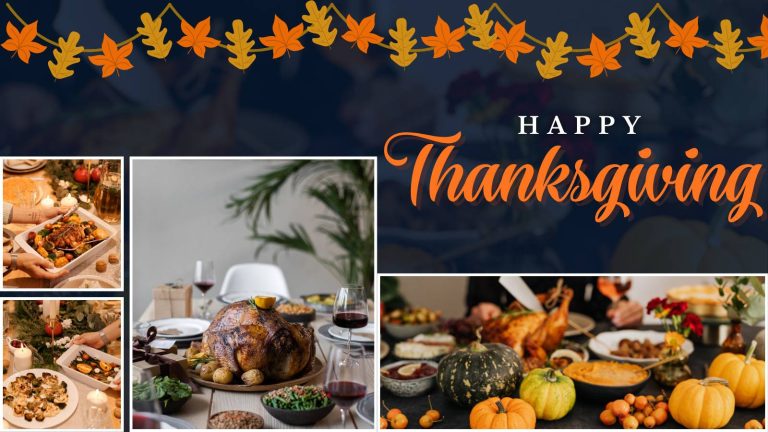
Thanksgiving Day is an annual holiday primarily celebrated in the United States and Canada to honor gratitude for…
Veterans Day honors the courageous men and women who have served in the United States Armed Forces. On…