
Valentine Week Days List 2026 – All Day Name from 7 Feb to 14 Feb
Valentine’s Week is the most heartwarming time of the year, where love is celebrated in all its beautiful…
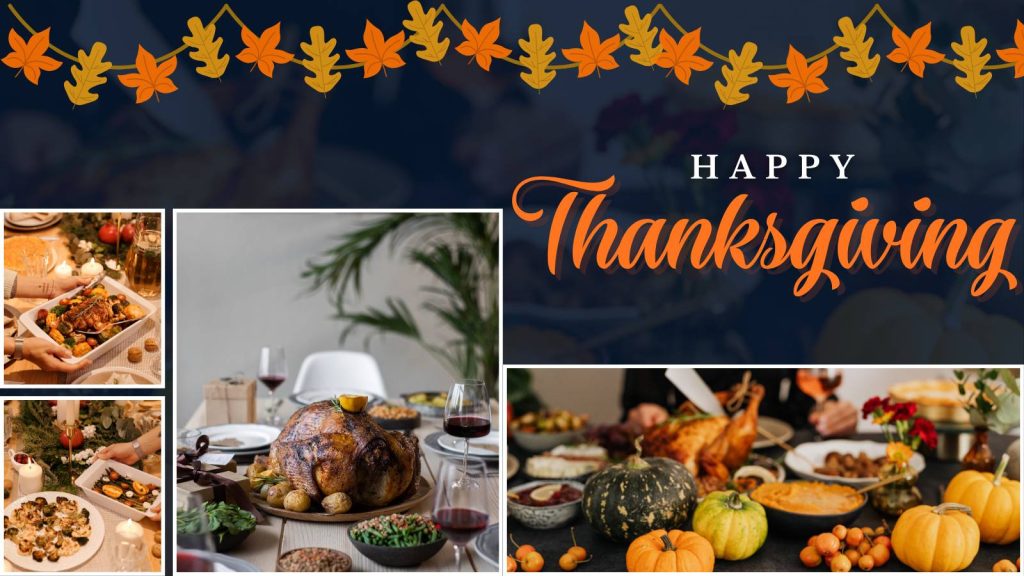
Thanksgiving Day is an annual holiday primarily celebrated in the United States and Canada to honor gratitude for the year’s blessings. It is a day when families and communities come together to reflect on achievements, express thankfulness, and strengthen social bonds. Originally rooted in historical harvest celebrations, Thanksgiving Day has evolved into a nationally recognized holiday, featuring traditional meals, cultural events, and acts of charity.
Understanding its meaning, history, and traditions provides insight into why it remains one of the most widely observed and significant holidays in North America.
Thanksgiving Day is more than a festive occasion—it is a celebration of gratitude, reflection, and togetherness. Historically, the holiday marked the successful completion of the harvest season, acknowledging nature’s bounty and the cooperative efforts of communities. In modern times, the significance of Thanksgiving Day extends beyond agriculture. It represents the importance of family bonds, social harmony, and helping those in need.
Many people use this day to volunteer at local charities, donate to food drives, or host meals for less fortunate individuals, emphasizing that the true meaning of Thanksgiving lies in giving and sharing. It is also an opportunity to pause and reflect on personal growth, relationships, and achievements, making it a deeply human and universally relatable celebration.
In the United States, Thanksgiving Day is observed on the fourth Thursday of November, a tradition established by President Abraham Lincoln in 1863. This date ensures the holiday coincides with the end of the harvest season, allowing families to gather before the start of winter.
In Canada, Thanksgiving is celebrated on the second Monday of October, reflecting an earlier harvest period due to the country’s climate. Other countries, such as Liberia and parts of the Caribbean, have adopted similar celebrations inspired by North American traditions, though with localized customs.
The variation in dates shows that while Thanksgiving Day is rooted in historical harvest festivals, its core purpose—gratitude and togetherness—remains consistent globally.
History of Thanksgiving Day dates back to 1621, when Pilgrims in Plymouth, Massachusetts, held a three-day feast to celebrate a successful harvest. Native Americans, particularly the Wampanoag tribe, played a critical role in helping the Pilgrims survive their first harsh winter by teaching them essential farming and hunting techniques.
Over the years, Thanksgiving celebrations became local traditions in various colonies, often tied to seasonal harvests and religious observances. In 1863, during the Civil War, President Abraham Lincoln declared Thanksgiving Day a national holiday to promote unity and reflection.
Since then, the holiday has evolved to include parades, football games, and family gatherings, blending historical customs with contemporary cultural practices. The history of Thanksgiving Day is a testament to cooperation, resilience, and the enduring importance of gratitude.
Thanksgiving Day is celebrated through a wide variety of customs, many of which have become iconic symbols of the holiday:
Quotes often capture the essence of Thanksgiving Day more powerfully than words alone. Some of the most notable quotes include:
Traditional dishes are central to Thanksgiving Day celebrations:
Modern celebrations often include vegan alternatives, international flavors, and creative twists on traditional recipes, allowing families to honor tradition while adding personal touches.
FAQs
Thanksgiving Day celebrates gratitude for life’s blessings, including family, health, prosperity, and community. People originally observed it as a harvest festival, and today, they use it to connect with loved ones and reflect on what they value most.
People in the United States celebrate Thanksgiving Day on the fourth Thursday of November, while Canadians celebrate it on the second Monday of October. The dates reflect the different harvest seasons in each country.
The Pilgrims in 1621 started Thanksgiving Day by holding a feast to celebrate a successful harvest. They shared the meal with the Wampanoag Native Americans, who helped them survive their first harsh winter.
President Abraham Lincoln declared Thanksgiving Day a national holiday in 1863 to unify Americans during the Civil War and encourage citizens to reflect on gratitude and blessings.
Families traditionally serve roast turkey, stuffing, mashed potatoes, cranberry sauce, sweet potatoes, green bean casserole, and pumpkin pie. Many households also add vegetarian dishes or foods reflecting their cultural background.
People celebrate by holding family feasts, attending parades like the Macy’s Thanksgiving Day Parade, watching football games, volunteering, and attending religious services. Many also include regional or international foods and customs in their celebrations.
Americans eat turkey because it provides a large, abundant meal suitable for family gatherings. While the Pilgrims did not serve turkey at the first feast, it became a symbol of Thanksgiving by the 19th century.
Countries such as Liberia, the Philippines, and parts of the Caribbean celebrate Thanksgiving-inspired events. People combine local customs with the North American focus on gratitude, family gatherings, and feasting.
People use Thanksgiving quotes to inspire gratitude, reflection, and mindfulness. Quotes remind individuals that the holiday is about appreciating relationships, community, and the positive aspects of life, not just food and festivities.
People can celebrate meaningfully by expressing gratitude, volunteering in their communities, helping the less fortunate, spending quality time with family, and reflecting on personal growth and achievements. These actions emphasize the core values of Thanksgiving Day: gratitude and generosity.
Valentine’s Week is the most heartwarming time of the year, where love is celebrated in all its beautiful…
Veterans Day honors the courageous men and women who have served in the United States Armed Forces. On…
In 2025, Diwali will be celebrated on Sat, 18 Oct, 2025 – Thu, 23 Oct, 2025. Diwali, also…