
Valentine Week Days List 2026 – All Day Name from 7 Feb to 14 Feb
Valentine’s Week is the most heartwarming time of the year, where love is celebrated in all its beautiful…
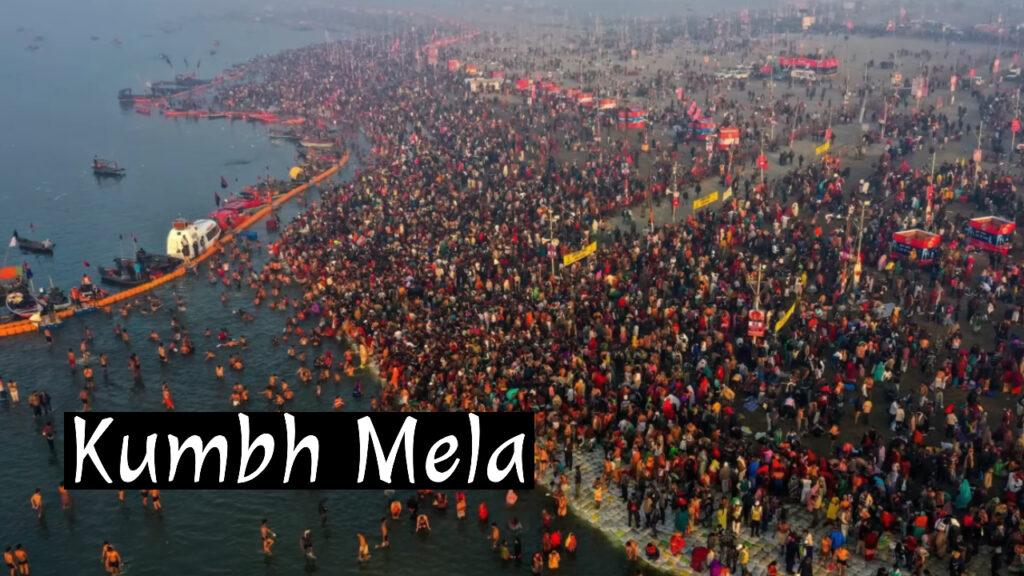
Location: Prayagraj, Haridwar, Nashik, and Ujjain
Marks one of the biggest gatherings in India for a holy dip in the Ganges.
Kumbh Mela is one of the largest and most significant religious gatherings in the world. It is a Hindu festival where millions of devotees gather to take a holy dip in sacred rivers at four different locations in India: Prayagraj, Haridwar, Nashik, and Ujjain. Festival is held once every 12 years at each location.
Kumbh Mela is one of the largest and most significant religious gatherings in the world. Its origins are deeply rooted in Hindu mythology and ancient traditions. Festival is celebrated at four different locations in India: Prayagraj (formerly Allahabad), Haridwar, Nashik, and Ujjain. Each location hosts the festival once every 12 years, with the exact dates determined by astrological calculations involving the positions of the Sun, Moon, and Jupiter.
Mythological origins of Kumbh Mela are linked to the story of Samudra Manthan, or the churning of the ocean of milk. According to Hindu mythology, gods (Devas) and demons (Asuras) churned the ocean to obtain Amrit, the nectar of immortality. During the churning, a pot (kumbh) containing the nectar emerged, and a battle ensued between the gods and demons for its possession. Drops of the nectar fell at four locations – Prayagraj, Haridwar, Nashik, and Ujjain – making these places sacred.
Festival as we know it today began to take shape during the early medieval period. Historical records suggest that the first written evidence of Kumbh Mela dates back to the 7th century when the Chinese traveler Xuanzang visited India during the reign of King Harshavardhana.
Kumbh Mela holds profound spiritual and cultural significance for Hindus. It is a time for devotees to come together, perform rituals, and seek blessings. Here are some key aspects of its significance:
Spiritual Cleansing: One of the central rituals of Kumbh Mela is taking a dip in the sacred rivers at the festival sites. It is believed that bathing in these rivers during Kumbh Mela cleanses one of sins and helps attain Moksha (liberation from the cycle of birth and death).
Unity and Diversity: Festival brings together millions of people from diverse backgrounds, fostering a sense of unity and communal harmony. It is a testament to the enduring spiritual heritage of India and the unyielding faith of its people.
Cultural Exchange: Kumbh Mela is not just a religious event but also a cultural extravaganza. It features fairs, educational discourses, religious debates, and performances by artists from various parts of the country.
Philosophical Discussions: Festival is traditionally credited to the 8th-century Hindu philosopher Adi Shankara, who initiated gatherings of learned ascetics for philosophical discussions and debates. Tradition continues, with scholars and spiritual leaders engaging in discourses on various aspects of Hindu philosophy.
Economic Impact: Festival also has a significant economic impact on the host cities, boosting tourism and providing livelihood opportunities for local vendors and artisans.
Kumbh Mela is a grand Hindu festival celebrated with immense devotion and enthusiasm. It is held at four different locations in India: Prayagraj (Allahabad), Haridwar, Nashik, and Ujjain. There are five types of Kumbh Mela, each with its own unique significance and schedule.
Each type of Kumbh Mela holds its own unique charm and spiritual significance, drawing millions of devotees who seek to cleanse their sins and attain spiritual enlightenment through the sacred rituals and practices associated with the festival.
FAQs
Kumbh Mela holds immense spiritual significance as it is believed that bathing in the sacred rivers during the festival cleanses one of sins and helps attain Moksha (liberation from the cycle of birth and death). It is also a time for devotees to come together, perform rituals, and seek blessings from the divine.
Origins of Kumbh Mela are linked to the Hindu mythological story of Samudra Manthan, or the churning of the ocean of milk. According to the legend, drops of the nectar of immortality fell at four locations – Prayagraj, Haridwar, Nashik, and Ujjain – making these places sacred.
Next Kumbh Mela will be held in 2025 in Prayagraj, from January 13th to February 26th.
Main rituals of Kumbh Mela include:
Akharas are groups of ascetics and saints who play a significant role in Kumbh Mela. Lead the Shahi Snan processions and are involved in various religious activities and rituals. Each Akhara has its own traditions and practices.
Yes, there are guidelines to ensure the safety and sanctity of the festival. Participants are expected to maintain cleanliness, follow the instructions of authorities, and respect the religious practices and rituals. It is also advisable to plan accommodations and travel in advance due to the large number of attendees.
Kumbh Mela is a unique confluence of faith, culture, and humanity. It stands as a symbol of the timeless pursuit of transcendence and self-realization, reflecting the rich spiritual and cultural tapestry of India.
Valentine’s Week is the most heartwarming time of the year, where love is celebrated in all its beautiful…
Thanksgiving Day is an annual holiday primarily celebrated in the United States and Canada to honor gratitude for…
Veterans Day honors the courageous men and women who have served in the United States Armed Forces. On…