GCC Unified Tourist Visa: Top 10 Itinerary Ideas for Travelers Across the Gulf
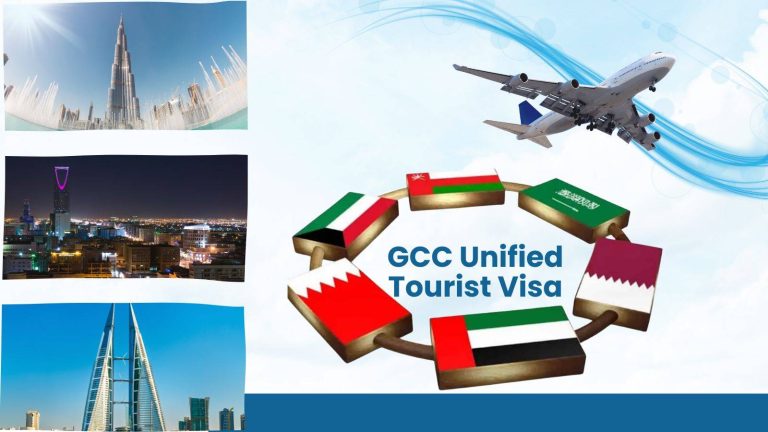
The GCC Unified Tourist Visa is a significant step towards simplifying travel across the Gulf Cooperation Council (GCC)…

Visa interviews are an important step for international students seeking to study abroad. A successful interview not only determines visa approval but also sets the foundation for a smooth transition to a new country. Visa officers evaluate applicants based on financial stability, academic intentions, and their commitment to returning home after completing their studies. Proper preparation, clear communication, and a confident approach can make a significant difference in securing a study visa.
Understanding the visa process, gathering the right documents, and anticipating potential questions are key elements of a well-prepared interview. Strong financial proof, knowledge about the chosen university and course, and professional body language all contribute to making a positive impression. This article outlines 10 essential visa interview tips that will help international students navigate the process effectively and increase their chances of visa approval.
Before your interview, it is essential to research and understand the visa requirements for your destination country. Different visa categories, such as F-1 (USA), Tier 4 (UK), and Student Visa (Canada, Australia), have specific rules and documents. Review the embassy website and ensure you have all necessary paperwork prepared.
Make sure all your required documents are well-organized and easily accessible before your visa interview. Arrange them in a neat folder, following the order recommended by the embassy or consulate. Essential documents typically include your passport, visa application form, I-20 or DS-160 (for the U.S.), proof of financial support, academic transcripts, admission letter, and any additional supporting materials. Keeping your paperwork in order will help you stay calm and confident during the interview, making a positive impression on the visa officer.
First impressions matter. Dress in formal attire to reflect professionalism and seriousness. Business casual or traditional formal wear is recommended. Additionally, arrive at the embassy or consulate at least 30 minutes before your scheduled appointment to avoid last-minute stress.
Honesty is key during the visa interview. Avoid providing false information, as it can lead to visa denial. Speak with confidence, maintain eye contact, and answer all questions truthfully. Being clear and concise in your responses will leave a positive impression on the visa officer.
Be well-prepared to discuss your chosen university and study program in detail during the visa interview. The officer may ask why you selected this university, what your course entails, and how it aligns with your career goals. Research key details such as the university’s location, ranking, faculty, and any unique aspects of your program. Demonstrating a clear understanding of your studies shows your genuine intent to pursue education and reassures the officer that you have a solid academic plan.
Visa officers want to ensure that you plan to return to your home country after completing your studies. To demonstrate this, highlight strong ties such as family connections, future career opportunities, or property ownership. You can mention a job offer waiting for you, a family business you will manage, or responsibilities you need to fulfill at home. Providing clear and genuine reasons for returning reassures the officer that you do not intend to overstay your visa, increasing your chances of approval.
Familiarize yourself with common visa interview questions to boost your confidence and reduce nervousness. Questions may include why you chose your university, your study plans, funding sources, post-graduation goals, and ties to your home country. Practice answering these questions clearly and honestly, focusing on logical and concise responses. Mock interviews with a friend or mentor can help refine your answers and improve your delivery. Being well-prepared shows confidence and seriousness, making a positive impression on the visa officer.
Common questions you might face:
Since English serves as the primary language for most visa interviews, ensure you speak clearly and confidently. Avoid using complex vocabulary or lengthy responses. If you do not understand a question, politely ask the officer to repeat it.
If you face a challenging question or receive a visa rejection, stay composed. If denied, ask for the reason and work on improving your application before reapplying. Handling the situation professionally leaves a good impression if you need to apply again.
After your interview, check your visa status online through the embassy’s official website. If approved, follow any additional steps required, such as submitting biometrics or collecting your passport. Stay updated on new travel policies or entry requirements before departure.
Successful visa interview requires thorough preparation, honesty, and confidence. By following these ten essential tips, you increase your chances of visa approval and start your educational journey smoothly. Stay calm, prepare well, and best of luck with your visa interview!
FAQs
In a visa interview, an embassy from a respected country will examine whether a candidate is legally and academically eligible for studying abroad or not.
Yes. It is possible that a visa application may be rejected. This could be based on the interview or missing documents or any other reason.
There could be a variety of questions that could be asked in a student visa interview ranging from personal information, questions on family history, why a candidate wishes to study in a particular country, future plans, etc.
Prepare by gathering all required documents, practicing common interview questions, and ensuring you have a clear understanding of your study plans, university details, and financial situation.
Dress in formal or business attire to create a good first impression. Avoid casual or overly flashy outfits.
Some common questions include:
Provide documents such as bank statements, scholarship letters, sponsor letters, or financial guarantee letters showing you have sufficient funds to cover tuition and living expenses.
Politely ask the interviewer to repeat or clarify the question instead of guessing the answer.
Visa interviews usually last between 5 to 10 minutes, but preparation is key to answering confidently and concisely.
Most embassies do not allow electronic devices inside the visa office, so check the rules in advance and leave them outside if necessary.
If your visa is denied, ask for the reason and address the issue before reapplying. You may need to provide additional documents or clarify your intent.
Be honest, confident, and well-prepared. Ensure your documents are complete, and answer questions clearly without hesitation.
Schedule your visa interview as early as possible, ideally 2-3 months before your course start date, to allow time for processing and unforeseen delays.
The GCC Unified Tourist Visa is a significant step towards simplifying travel across the Gulf Cooperation Council (GCC)…
The H-1B visa remains one of the most important work visas for skilled professionals looking to work in…
TN visa is a non-immigrant classification that enables eligible Canadian and Mexican citizens to work in the United…