

GCC Unified Tourist Visa: Top 10 Itinerary Ideas for Travelers Across the Gulf
The GCC Unified Tourist Visa is a significant step towards simplifying travel across the Gulf Cooperation Council (GCC)…
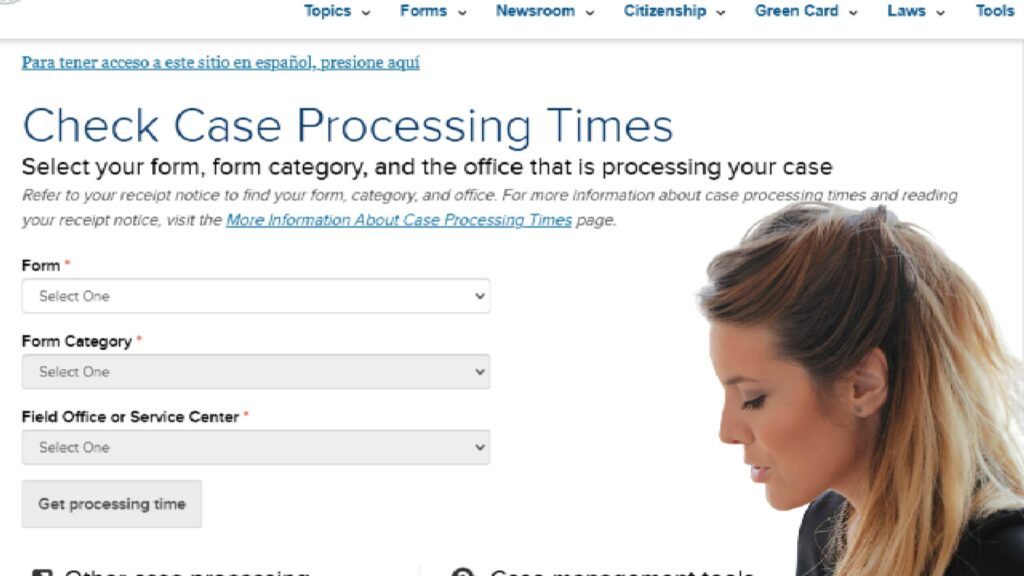
The Latest USCIS Processing Times – FY 2025: Navigating Wait Times for Green Cards, Citizenship, K-1 Visas, and Employment-Based Immigration
The U.S. Citizenship and Immigration Services (USCIS) processing times have seen notable changes in Fiscal Year (FY) 2025. After significant reductions in wait times throughout 2024, the latest data shows a slight increase in processing times for various U.S. immigration applications. Some areas, particularly the fiancé visa petition (Form I-129F), are seeing faster processing, reflecting the agency’s continuous efforts to streamline and enhance efficiency.
Latest processing times for common immigration applications, understand the factors influencing these times, and provide you with the essential steps for tracking your case.
Despite the slowdown in processing times for some applications, USCIS continues to maintain relatively quick processing, especially for applications that were delayed during the pandemic. Below is a quick reference guide to the median processing times for key immigration forms as of December 2024:
| Form | Purpose | Current Processing Time |
|---|---|---|
| I-90 | Green Card Replacement/Renewal | 0.8 months |
| I-130 (U.S. citizen sponsor) | Petition for Alien Relative | 14.3 months |
| I-130 (Green card holder sponsor) | Petition for Alien Relative | 35 months |
| I-485 (Family-based) | Adjustment of Status | 9.3 months |
| I-485 (Employment-based) | Adjustment of Status | 6.4 months |
| I-129F | Petition for Alien Fiancé(e) | 4-7 months |
| I-129 (Regular processing) | Petition for Nonimmigrant Worker | 3.5 months |
| I-129 (Premium processing) | Petition for Nonimmigrant Worker | 12 days |
| I-140 (Regular processing) | Immigrant Petition for Alien Worker | 7.6 months |
| I-140 (Premium processing) | Immigrant Petition for Alien Worker | 0.6 months |
| N-400 | Application for Naturalization | 5.5 months |
| I-751 | Petition to Remove the Conditions on Residence | 21.6 months |
| I-765 | Application for Employment Authorization | 2.1 months |
| I-131 | Application for Travel Document (Advance Parole) | 13.7 months |
| ETA-9089 | PERM Labor Certification (DOL) | 388 calendar days (Analyst Review) |
Processing times for USCIS applications depend on several factors, including the type of application, the specific agency involved, the location of processing, and the preference category (for employment-based petitions). Here are some key elements that can affect your processing times:
To get an estimate of your application’s processing time, follow these steps:
To stay updated on your application’s progress, you can check your case status online. Here’s how:
For individuals applying for family-based green cards, the I-130 petition is the first step. Processing times for family relationships such as spouses, children, and parents of U.S. citizens vary:
Employment-based immigration is more complex, as it often requires multiple steps. The I-140 petition is for permanent positions, while the I-129 is for temporary workers. Premium processing can help speed up the process.
The processing time for the fiancé visa petition (Form I-129F) is currently between 4 and 7 months. Additional time is required for consular processing, which is necessary for the final approval and issuance of the K-1 visa.
The N-400 application, which allows individuals to apply for U.S. citizenship, has seen significant improvements in processing times. The current median processing time is 5.5 months.
If your application is taking longer than expected, you can follow these steps:
Navigating the USCIS processing times can be complex, but understanding the latest timelines and how to track your case can help you manage expectations. While some application types have experienced slower processing times in 2025, many common immigration forms are still processed relatively quickly, with faster options like premium processing available for certain employment-based petitions.
USCIS processing times refer to the estimated time it takes for U.S. Citizenship and Immigration Services to process various immigration applications and petitions.
Check your USCIS processing time by visiting the USCIS website and using their “Check Case Processing Times” tool. You’ll need your form type, form category, and the office processing your case.
Processing times are important because they give applicants an idea of how long they might have to wait for a decision on their immigration application or petition.
Several factors can affect processing times, including the volume of applications received, staffing levels, policy changes, and the complexity of individual cases.
USCIS updates processing times on their website monthly, using the latest available data.
If your case is outside normal processing times, you can submit an inquiry to USCIS to check the status of your application or petition.
Yes, processing times can vary by USCIS office due to differences in workload, staffing, and other factors.
USCIS receipt number can be found on the receipt notice you received after submitting your application or petition. It is also available in your USCIS online account if you filed online.
Processing times provide an estimate of how long it takes to process a specific form, while case status gives information about the current status of your individual application or petition.
In certain circumstances, you may be able to request expedited processing for your application or petition. USCIS provides guidelines on their website for requesting expedited processing.
Historical average processing time is the median time it has taken USCIS to process specific forms over a given period, typically reported by fiscal year.
USCIS receipt notice includes important information such as your receipt number, the date your application was received, and the office processing your case. It also provides instructions on how to check your case status.
If you lose your receipt notice, you can contact the USCIS Contact Center for assistance. They can provide you with your receipt number and other relevant information.
You can compare your receipt date with the processing times listed on the USCIS website for your specific form and office to determine if your case is within normal processing times.
If your case is delayed, USCIS may request additional information or documentation. You can also submit an inquiry if your case is outside normal processing times.
Yes, USCIS provides several tools on their website, including the “Check Case Status” tool and the “Check Case Processing Times” tool, to help you track your case.
Yes, you can contact the USCIS Contact Center for updates on your case. Be sure to have your receipt number and other relevant information ready when you call.
Policy changes can impact processing times by altering the procedures and requirements for processing applications and petitions. These changes can lead to delays or adjustments in processing times.
The USCIS Contact Center is a resource for applicants and petitioners to get information and assistance with their immigration cases. They can provide updates on case status, answer questions, and help with lost receipt notices.
USCIS welcomes feedback on their processing times and other services. You can provide feedback through their website or by contacting the USCIS Contact Center.
The GCC Unified Tourist Visa is a significant step towards simplifying travel across the Gulf Cooperation Council (GCC)…
The H-1B visa remains one of the most important work visas for skilled professionals looking to work in…
TN visa is a non-immigrant classification that enables eligible Canadian and Mexican citizens to work in the United…