

GCC Unified Tourist Visa: Top 10 Itinerary Ideas for Travelers Across the Gulf
The GCC Unified Tourist Visa is a significant step towards simplifying travel across the Gulf Cooperation Council (GCC)…
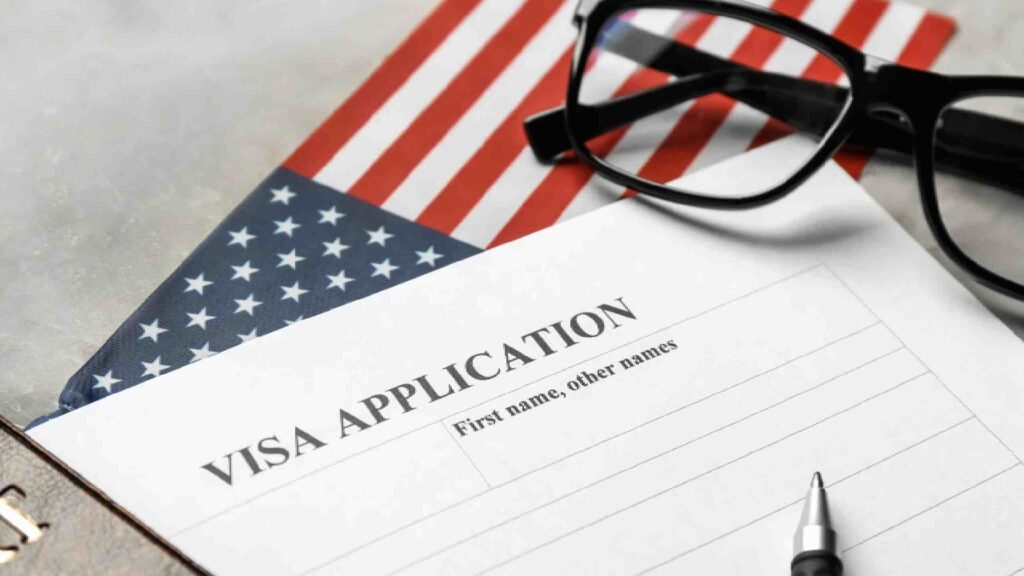
The US Visa Application process can seem overwhelming, but understanding the different types, steps, and expert tips can make it easier. Applying for a tourist, student, or work visa, knowing the requirements and how to prepare can improve your chances of success. Through the various visa types, the application process, and share expert tips to help you navigate the system with confidence.
A US visa is vital because it serves as proof that an individual is authorized to enter the country. Without a valid visa, foreign nationals may be denied entry upon arrival, regardless of their purpose. Having the correct visa is crucial to avoid unnecessary delays and complications during the immigration process. US visa is a legal document that provides the holder with the right to stay in the country for a specified period and engage in their intended activities.
The US offers a range of visa types tailored to different travel and immigration needs. Visiting for a vacation, attending a business conference, studying at an American university, or seeking employment, there is a visa category designed for your purpose. US visas are generally categorized into two main types: non-immigrant visas for temporary visits and immigrant visas for individuals seeking permanent residency.
Most foreign nationals require a US visa to enter the country. Citizens of countries that are part of the US Visa Waiver Program (VWP) can travel to the US for short stays without a visa. It’s essential to verify whether your country participates in the VWP before applying.
To get a U.S. visa, applicants must meet several important requirements. First need a valid passport that will remain valid for at least six months beyond their intended stay in the United States. You must complete the appropriate visa application form, such as the DS-160 for non-immigrant visas, and pay the required application fee. A recent passport-size photo that meets U.S. visa photo guidelines is also necessary.
Each visa type has specific requirements. Generally, you will need:
When it comes to traveling or relocating to the United States, understanding the different types of visas is important. U.S. visas are divided into two broad categories:
Non-immigrant visas are designed for individuals who wish to enter the United States for a temporary period. These visas are typically granted for specific purposes such as tourism, business, education, medical treatment, journalism, or temporary employment. Unlike immigrant visas, non-immigrant visas do not grant permanent residency but allow travelers to stay in the U.S. for a defined time based on their visa category.
Each non-immigrant visa type comes with its own rules and conditions, including the length of stay, extension options, and permissible activities while in the U.S.
Non-immigrant visa best fits your plans is essential to ensuring a smooth and successful U.S. entry experience. Explores the most commonly issued non-immigrant visas and their eligibility criteria, helping applicants prepare for their journey with confidence and clarity. Stay is for a few days or several years, the right visa ensures compliance with U.S. immigration laws.
Immigrant visas are issued to individuals who intend to live permanently in a foreign country. These visas are typically granted based on family ties, employment opportunities, refugee or asylum status, or through special categories defined by immigration laws. Securing an immigrant visa is a important step toward obtaining lawful permanent residency, which allows individuals to live, work, and eventually apply for citizenship in the host country. The immigrant visa process, eligibility requirements, and application procedures for those seeking a permanent stay.
Before you fill out any forms or pay any fees, the most important first step is understanding which visa suits your purpose. The U.S. Department of State offers a Citybit on their website to help identify the most suitable visa based on your intentions.
Example:
Once your visa type is determined, you must complete Form DS-160, the Online Nonimmigrant Visa Application. This is a web-based form that collects your personal details, travel plans, employment history, and other background information.
After submitting, you will get a confirmation page with a barcode. Print this page—you’ll need it for your visa interview.
The MRV (Machine Readable Visa) fee is non-refundable and must be paid before scheduling your interview.
| Visa Type | Fee (USD) |
|---|---|
| B-1/B-2 | $185 |
| F-1/J-1 | $185 |
| H, L, O, P, Q, R | $205 |
| E visas | $315 |
Once you have your DS-160 confirmation and fee receipt, the next step is to create a profile on the U.S. visa information and appointment system for your country (e.g., www.ustraveldocs.com).
At the VAC, they’ll take your fingerprints and photograph. Some countries combine both appointments, but most follow the two-step approach.
Here’s a general checklist of documents to carry for your visa interview:
On the day of your VAC appointment, bring your passport, DS-160 confirmation, and appointment letter. The staff will:
This is a quick 15-20 minute process. You won’t be asked any interview questions here.
The visa interview is perhaps the most crucial step in your application journey. Here’s how you can approach it like a pro:
The consular officer’s goal is to ensure you’re a genuine visitor who will return home after your trip. That’s why demonstrating strong ties to your home country—job, family, property, etc.—is essential.
The interview generally lasts 2 to 5 minutes. At the end, the officer will either:
After the interview, you can track your passport on the embassy or courier website. Once your visa is ready, it will be delivered to the address you chose during the appointment scheduling process or made available for pickup.
Your visa sticker will show:
Visa refusal can happen, but it’s not the end of the road. The most common refusal is under Section 214(b), which means the consular officer believes you didn’t demonstrate sufficient ties to your home country.
You can reapply, but only if your circumstances have changed significantly or you have new supporting evidence.
Other reasons for denial:
The visa stamp in your passport allows you to enter the U.S., but the duration of stay is determined by the Customs and Border Protection (CBP) officer at the port of entry.
You will receive a Form I-94 (Arrival/Departure Record) indicating your authorized stay. For example:
Once inside the U.S., if your situation changes, you can apply to:
These requests are made to USCIS, not the consulate, and require a valid reason and supporting documentation.
Applying for a U.S. non-immigrant visa might seem intimidating, but once you break it down into steps, it becomes manageable. Each stage—selecting the right visa, submitting DS-160, paying the fee, attending appointments, and preparing for the interview—has its purpose.
The immigrant visa application process includes the applicant and the petitioner. For instance, if you want to apply to shift to the US through employment-based immigration, then you and your employer have to be involved in the entire application process. Employment-based immigration are different than a temporary work visa.
In the first step, the petitioner is involved that the US citizen or a permanent resident in US who will sponsoring your immigration to the US. They should file the Form I-30 that the petition for Alien Relative.
Petitioner will both be participating in the second phase. Be forwarded to the National Visa Centre and recorded in the event that the petition is improved. Receive a welcome letter once the procedure has been successfully finished. Find the login information you need to access your case in the Consular Electronic Application Centre in the welcome letter. Additionally, this platform allows you to edit your account. Must next pay the fees and provide the necessary documentation.
There are two types of processing fees which you need to pay:
Need the petitioner at this point of time because the payment needs to be made from a US savings account.
Applying for a US visa can be a complex and intimidating process, with many applicants facing rejections. Understanding the common reasons for US visa rejection and how to avoid them can improve your chances of a successful application. Here are some key factors that could lead to rejection and tips to help you reapply successfully.
An incomplete application is one of the most common reasons for visa rejection. Missing documents, unanswered questions, or incomplete forms can delay your process or cause your visa to be denied.
How to Avoid:
US visa officers need to be assured that you have strong ties to your home country, such as a job, family, or property, to ensure that you will return after your stay in the United States. Without this proof, your visa application could be denied.
How to Avoid:
Any inconsistencies in your application or interviews can be grounds for rejection. This can include discrepancies in the information provided or false statements made during the application process.
How to Avoid:
Any previous violations of US immigration laws, such as overstaying a visa, working without authorization, or being deported, can result in the denial of your visa.
How to Avoid:
Criminal record or any security-related flags may lead to the rejection of your visa application. US authorities conduct thorough background checks, and even minor criminal offenses can impact your eligibility.
How to Avoid:
US visa application process can seem overwhelming, but with careful planning and preparation, you can successfully secure a visa to enter the United States. By understanding the different visa types, completing the required forms, gathering necessary documents, and attending your visa interview with confidence, you significantly increase your chances of approval.
FAQs
The primary types are:
Key documents include:
The processing time varies by visa type and embassy but generally takes 2 to 3 weeks. For student and work visas, it may take longer.
The interview involves a series of questions regarding your travel plans, financial status, and background. Be prepared to answer clearly and honestly. The consular officer will assess your eligibility based on these responses.
Yes, visa applications can be denied if the consular officer believes you do not meet eligibility requirements, such as insufficient ties to your home country or incomplete documentation.
You must reschedule the appointment by contacting the embassy or consulate and paying the fee again if necessary. Try to reschedule promptly to avoid delays.
Yes, most visa applications begin online through the DS-160 form. However, you must attend an in-person interview at the embassy or consulate.
The GCC Unified Tourist Visa is a significant step towards simplifying travel across the Gulf Cooperation Council (GCC)…
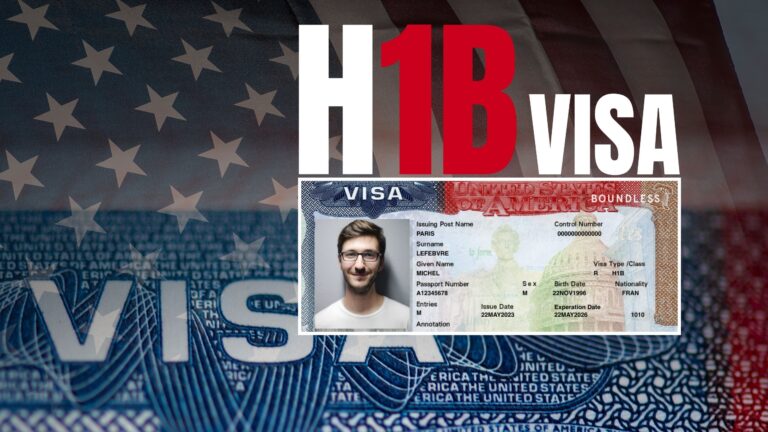
The H-1B visa remains one of the most important work visas for skilled professionals looking to work in…
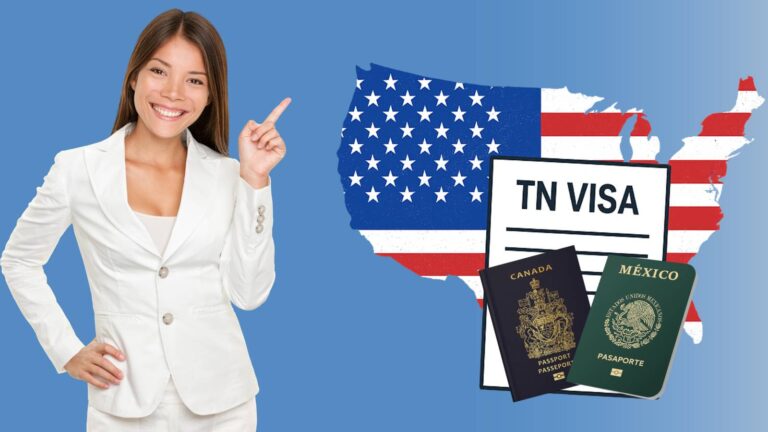
TN visa is a non-immigrant classification that enables eligible Canadian and Mexican citizens to work in the United…
1 comment