

Travel Guide for Holi Festival in Vrindavan for USA Traveler
Holi Festival in Vrindavan is one of the most vibrant and unforgettable experiences for travelers from around the…

Travelers planning a trip to the United States should stay informed about potential risks in certain areas. Recent travel warnings to the USA highlight safety concerns, including crime hotspots, civil unrest, and extreme weather conditions that could impact visitors. While the country remains a popular destination, specific cities and regions have reported increased security threats, prompting authorities to issue advisories for tourists.
Understanding these risks and taking necessary precautions can help ensure a safe and enjoyable visit. This report covers the latest travel warnings, high-risk locations, and essential safety measures for those traveling to the U.S.
Travel advisories are essential for international visitors to assess potential risks before entering a foreign country. Over recent years, multiple governments, including those of Canada, the United Kingdom, Australia, and New Zealand, have issued updated travel warnings to the USA due to concerns over crime, gun violence, political unrest, and natural disasters. These advisories aim to help citizens stay informed and take necessary precautions while traveling.
U.S. Department of State also provides region-specific guidance, warning about areas with higher crime rates, ongoing protests, and potential terrorist threats. While millions of tourists visit the U.S. every year without incident, understanding the risks and following safety recommendations can significantly reduce potential dangers.
Several pressing issues have been highlighted in recent travel warnings to the USA, affecting both residents and tourists. These concerns range from violent crime to environmental hazards, which could pose a serious risk to travelers.
One of the most significant risks noted in international travel advisories is gun violence. The United States has one of the highest firearm-related death rates among developed nations, with incidents occurring in various settings, including schools, shopping malls, and entertainment venues. Mass shootings have become alarmingly frequent, prompting foreign governments to caution their citizens about the risk of being caught in an active shooter situation.
States such as Texas, California, Illinois, and Florida have witnessed multiple high-profile shootings, leading to increased safety concerns for both locals and visitors. Tourists are advised to remain vigilant in crowded places, understand emergency evacuation procedures, and follow local law enforcement guidelines to stay safe.
While many U.S. cities are safe, some areas have higher crime rates, particularly in terms of robberies, assaults, and carjackings. Cities such as Chicago, Detroit, Baltimore, St. Louis, and New Orleans have been identified as having above-average violent crime rates, according to crime data reports.
Tourists are often targeted in areas with high pickpocketing and street theft activities, particularly in crowded markets, public transportation hubs, and tourist-heavy locations such as Times Square in New York, Hollywood Boulevard in Los Angeles, and downtown Atlanta.
Visitors are advised to avoid walking alone at night, refrain from displaying expensive belongings, and stay in well-populated, well-lit areas. Booking accommodations in safer neighborhoods and using reliable transportation services can also help minimize risks.
United States frequently experiences protests and political demonstrations, especially in major cities like Washington D.C., Portland, New York City, and Los Angeles. While most protests remain peaceful, some have turned violent, resulting in property damage, clashes with police, and injuries.
Protests related to racial justice, election disputes, and social issues have drawn massive crowds, sometimes leading to roadblocks and disruptions in public services. International travelers are advised to avoid large gatherings, monitor local news, and stay updated on potential demonstrations near their travel destinations.
Apart from security concerns, the U.S. is also prone to severe natural disasters, which can significantly impact travel plans. Each year, regions across the country face threats such as:
Visitors should always check weather forecasts, emergency alerts, and evacuation orders before traveling to regions prone to these disasters. Purchasing travel insurance that covers natural disasters is also highly recommended.
Although rare, terrorism remains a concern in the United States. The U.S. Department of Homeland Security and the FBI continuously monitor potential threats, but high-profile landmarks and crowded areas such as airports, government buildings, and major tourist attractions have been targeted in the past.
The 9/11 attacks remain the most well-known instance of terrorism in the U.S., but recent years have seen smaller-scale incidents, including domestic extremism and lone-wolf attacks. Tourists should stay aware of their surroundings, report suspicious activity, and follow security protocols at airports and major events.
To ensure a safe and secure visit, tourists should take the following precautions:
The United States attracts millions of tourists each year, offering diverse landscapes, cultural experiences, and world-famous attractions. Some cities and regions pose higher risks due to crime, violence, and safety concerns. Many governments, including those of Canada, the UK, and Australia, have issued travel warnings to the USA, urging citizens to stay alert in specific locations.
Although most travelers visit the country safely, understanding which areas require extra caution helps visitors make informed decisions. Below, I’ll outline the most high-risk cities and states based on recent travel advisories.
Chicago struggles with high violent crime rates, particularly gun violence. Gang-related shootings, armed robberies, and homicides frequently occur in certain neighborhoods.
Englewood, Garfield Park (West and East), and South Shore report the highest crime rates. Downtown Chicago and the Magnificent Mile remain relatively safe. If you visit, avoid high-crime areas, stay in well-lit spaces, and remain cautious on public transportation, especially at night.
Local law enforcement continues cracking down on gun violence, but the risks persist. Before visiting, check crime reports and stay updated on local advisories.
Los Angeles remains a top tourist destination, but rising crime rates, theft, and homelessness have become major concerns.
Tourists frequently experience pickpocketing, car break-ins, and phone snatching in Hollywood, Venice Beach, and Downtown LA. The growing homeless crisis has also increased aggressive panhandling and drug-related incidents in some neighborhoods.
When visiting, stay alert in crowded areas, avoid walking alone at night, and keep valuables out of sight. While the Hollywood Walk of Fame and Santa Monica Pier remain popular, exercise extra caution, especially after dark.
New York City ranks as one of the safest large cities in the U.S., but petty crimes still pose risks.
Tourists often fall victim to pickpockets and scams, especially in Times Square, Central Park, and on the subway. Criminals target visitors with fake charity collections, street performers demanding money, and overpriced taxi rides.
While Manhattan and Brooklyn’s Williamsburg offer safe experiences, some areas of the Bronx, Upper Manhattan, and parts of Brooklyn report higher crime rates. Keep your belongings secure, avoid engaging with scammers, and stay aware of your surroundings in crowded areas.
New Orleans offers rich culture, jazz music, and a lively nightlife, but crime remains a significant issue.
While the French Quarter and Garden District attract millions of visitors, crime rates increase dramatically in less tourist-friendly neighborhoods. Armed robberies, muggings, and carjackings frequently occur in Central City and parts of the Ninth Ward.
If you plan to visit, stick to well-lit, busy areas, avoid walking alone at night, and remain cautious on Bourbon Street, where alcohol-related crimes often occur.
Baltimore consistently reports some of the highest violent crime rates in the U.S..
Shootings, assaults, and drug-related crimes make certain areas extremely dangerous. High-risk neighborhoods like Sandtown-Winchester, Cherry Hill, and parts of East Baltimore experience frequent gang violence.
Tourist areas like Inner Harbor and Federal Hill offer safer experiences, but I recommend avoiding unfamiliar parts of the city, especially after dark. If you visit, stay in groups, use rideshare services instead of public transit, and remain alert in less crowded areas.
St. Louis consistently ranks among the most dangerous cities, with high rates of gun violence, carjackings, and robberies.
North St. Louis and the Delmar Divide see frequent shootings and violent crimes. While downtown and tourist areas like the Gateway Arch remain relatively safe during the day, crime increases significantly at night.
If you visit, avoid leaving valuables in your car, use secure parking, and remain cautious when walking alone.
If plan to visit any of these high-risk areas, following basic safety precautions can reduce your risk of becoming a victim. Here’s how you can stay safe:
Traveling to the United States offers exciting experiences, from vibrant cities to breathtaking national parks. To ensure a safe and enjoyable trip, tourists should take essential precautions. Several countries, including Canada, the UK, and Australia, have issued travel advisories highlighting crime risks, protests, and public safety concerns. By following practical safety measures, visitors can protect themselves from potential dangers while exploring the U.S.
Below are detailed safety tips to help travelers navigate the USA with confidence and security.
Tourists should always remain vigilant, especially in crowded areas and unfamiliar neighborhoods. Criminals often target distracted travelers, so staying alert and observant can prevent thefts or scams. Many U.S. cities have neighborhoods with higher crime rates, so knowing which areas to avoid can improve safety.
Public transportation and ride-hailing services vary in safety across U.S. cities. Tourists should avoid unlicensed taxis and unmarked vehicles, as these can pose risks for overcharging, scams, or even theft. Major cities have well-established transport networks, but some areas may lack safe public transit options.
In case of an emergency, tourists should have important phone numbers saved on their phones and written down. The U.S. emergency number is 911, and travelers should know how to contact their country’s embassy or consulate for assistance.
Political protests and social demonstrations are common in major U.S. cities, especially during elections or social movements. While some gatherings are peaceful, others can quickly turn violent, leading to clashes with police, arrests, or property damage.
Pickpockets and thieves often target tourists in busy locations, such as subway stations, airports, shopping districts, and tourist landmarks. Criminals use distraction tactics, ATM skimming, and bag snatching to steal valuables. Taking extra precautions can reduce the risk of theft.
Laws vary by state in the U.S., and some regulations may differ significantly from other countries. Certain items, such as marijuana, alcohol, self-defense tools (like pepper spray), and firearms, may have strict legal restrictions depending on the location. Understanding these laws prevents unintentional violations.
Before traveling, tourists should check their government’s official travel advisories for the USA. These updates highlight potential risks, crime trends, and natural disaster alerts that might affect visitors. Staying informed helps travelers adjust plans and avoid dangerous situations.
As global security concerns evolve, governments frequently update their travel advisories to help citizens make informed decisions about visiting foreign countries. The United States remains a popular travel destination, but various nations have issued warnings regarding safety risks, including gun violence, protests, and crime hotspots.
For 2025, several countries have revised their advisories based on recent incidents and security developments. Below is a detailed breakdown of the current travel warnings issued by major nations.
The Canadian government has issued strong advisories warning travelers about mass shootings, racial tensions, and crime in urban areas. Canadian officials urge visitors to remain vigilant in cities with higher crime rates and avoid certain neighborhoods, particularly at night.
The UK Foreign Office advises British travelers to be cautious in high-crime zones, particularly in large U.S. cities like New York, Los Angeles, Chicago, and San Francisco. The advisory also highlights public protests, warning that demonstrations can quickly escalate into violent confrontations.
The Australian Department of Foreign Affairs and Trade (DFAT) has issued a cautionary advisory regarding the widespread availability of firearms in the U.S. Australian officials warn travelers about gun-related crimes and recommend extra precautions when visiting certain states.
Several European Union countries, including France, Germany, and Spain, have issued advisories urging travelers to remain alert due to potential civil unrest and crime trends in the U.S. The advisory recommends tourists stay updated on local events and follow U.S. news reports for real-time security updates.
Beyond international warnings, U.S. authorities also provide state-specific travel safety advice. The U.S. Department of State regularly updates security alerts and safety guidelines for travelers visiting different states.
By staying informed and practicing caution, you can enjoy a safe and memorable trip to the USA. If you have concerns, consult with your government’s travel advisory before booking your trip.
FAQs
Yes, but travelers should stay informed about high-risk areas and follow safety guidelines to avoid potential dangers such as crime, protests, and severe weather events.
Agencies such as the U.S. Department of State, UK Foreign Office, Government of Canada, and Australian Government provide updated travel advisories regarding safety in the USA.
No, most tourist destinations remain safe, but some cities and neighborhoods have higher crime rates or increased risks of civil unrest.
Governments regularly review and update their travel advisories based on crime data, security incidents, and public safety concerns.
Mass shootings occur more frequently in the U.S. than in other developed countries, particularly in public places such as malls, schools, and entertainment venues.
If caught in an active shooter situation, follow the “Run, Hide, Fight” strategy:
While most tourists do not experience gun violence, it is a recognized risk in certain areas, especially where crime rates are high.
Laws vary by state, but some self-defense tools like pepper spray may be restricted. Tourists should research local laws before carrying any protective devices.
The U.S. faces hurricanes, tornadoes, earthquakes, wildfires, and extreme winter storms, depending on the region.
Travelers can download the FEMA (Federal Emergency Management Agency) app and sign up for local weather and emergency notifications.
Holi Festival in Vrindavan is one of the most vibrant and unforgettable experiences for travelers from around the…
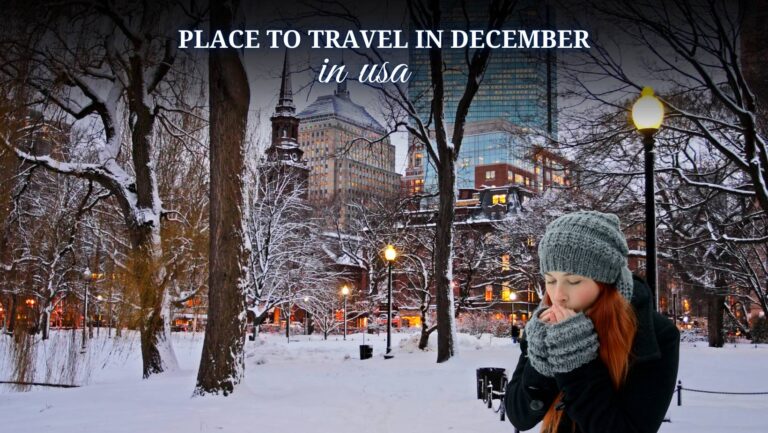
December in the United States is a time of magic, celebration, and adventure. From dazzling Christmas lights and…
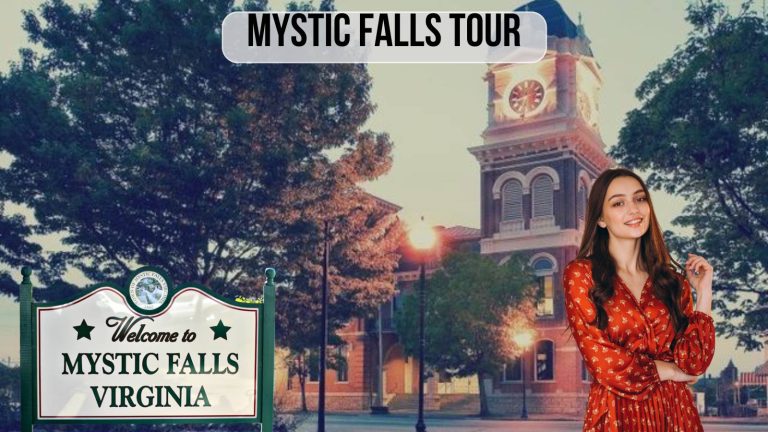
If you are a fan of The Vampire Diaries or simply love exploring iconic filming locations, the Mystic…
1 comment