

Travel Guide for Holi Festival in Vrindavan for USA Traveler
Holi Festival in Vrindavan is one of the most vibrant and unforgettable experiences for travelers from around the…
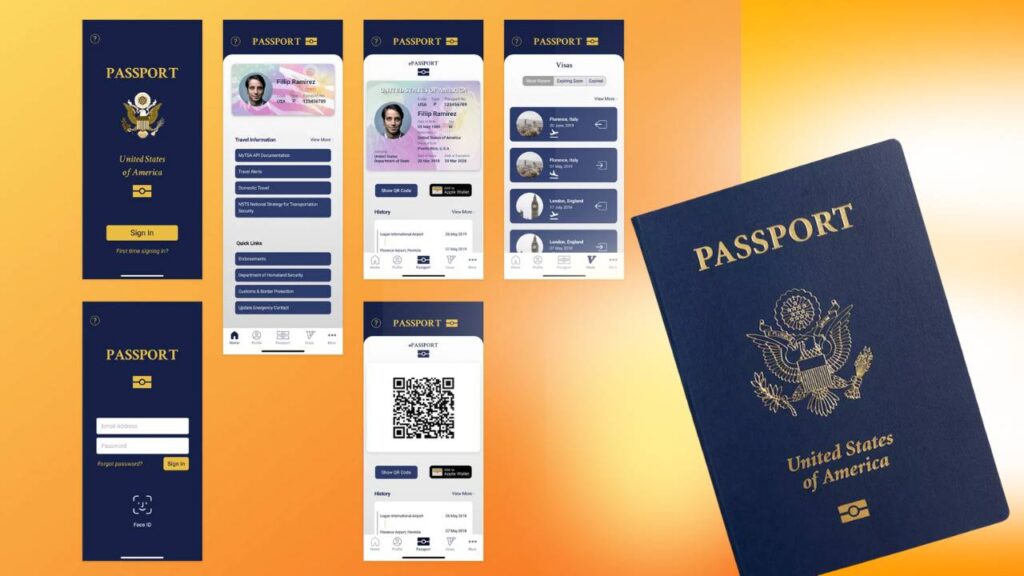
In technology-driven world, governments across the globe are transitioning from traditional paper documentation to digital identities. Among these revolutionary changes is the digital passport, a modern solution designed to improve travel efficiency, security, and user convenience. The U.S. is actively participating in this transition, exploring ways to integrate digital identity solutions into official government systems. As a U.S. citizen or traveler, it’s important to stay informed on how to begin utilizing digital passport features and prepare for future adoption.
Get through what a digital passport is, how it works in the USA, and provide a step-by-step guide to help you navigate the process successfully.
A digital passport is essentially a secure, electronic version of your traditional passport that can be stored and used via a smartphone or a digital identity platform. It contains all the necessary credentials, such as your name, date of birth, passport number, nationality, and biometric data (fingerprints or facial scan), and is stored in a tamper-proof digital format.
Unlike the conventional passport booklet, a digital passport is designed to:
Although the digital passport is still in the early stages of implementation in the United States, various programs and apps are laying the groundwork for future adoption.
As of now, the digital passport concept in the United States is still evolving. Currently, it exists primarily through pilot programs and mobile applications like Mobile Passport Control (MPC), which work alongside traditional physical passports. These digital tools aim to streamline international travel but do not fully replace physical passports yet.
To qualify for participation in any digital passport-related program, you must already be eligible for—or hold—a valid U.S. passport. Below are the detailed eligibility criteria:
You must prove your U.S. citizenship to apply. This includes presenting a certified U.S. birth certificate, a naturalization certificate, or a previously issued U.S. passport. The government uses this information to verify that you are legally allowed to hold a U.S. passport in any form, digital or physical.
You must provide your valid SSN when applying for any digital passport-related service. The Social Security Number helps federal agencies cross-check your identity and validate your legal standing in the country. Without a valid SSN, your application may be denied or delayed.
You must not have any legal issues that prevent you from leaving the country. This includes outstanding arrest warrants, unpaid federal debts, or unpaid child support. If you are subject to any travel restrictions, you will not be eligible to use or apply for digital passport services until those issues are resolved.
You need a smartphone equipped with biometric technology such as facial recognition or fingerprint scanning. These features are required to securely access your digital passport data through official apps. The phone must also support app updates and be compatible with government-issued digital ID or passport apps.
You must know how to download and use apps like the Mobile Passport Control (MPC) app or any other authorized digital ID platforms supported by the state or federal government. These apps serve as gateways to your digital passport features and require you to follow prompts for secure login, document upload, and biometric verification.
Although the United States does not yet offer a standalone digital passport, there are several steps citizens can take to embrace digital features that align with future passport innovations.
Before you can access any digital passport capabilities, you must first obtain or renew a valid traditional U.S. passport. This serves as the foundation for your digital travel credentials.
1. Fill Out the Correct Application Form:
2. Gather Supporting Documents:
3. Submit Your Application:
4. Pay the Necessary Fees:
Processing Time: Standard processing takes 6–8 weeks; expedited service typically returns your passport within 2–3 weeks.
The Mobile Passport Control (MPC) app, developed by U.S. Customs and Border Protection (CBP), offers the most accessible form of digital passport experience currently available to U.S. travelers.
1. Download the App:
2. Create Your Digital Profile:
3. Submit Customs Declarations Digitally:
4. Security and Privacy:
While not a full replacement for a passport, the MPC app gives travelers a taste of what a digital passport experience feels like — fast, efficient, and user-centric.
Several U.S. states are currently testing mobile driver’s licenses (mDLs) and digital ID cards, which are part of the broader movement toward fully digital credentials, including digital passports.
1. Check Availability in Your State:
2. Register and Verify Your Identity:
3. Use Your Mobile ID at TSA Checkpoints:
These state programs demonstrate the practical application of digital credentials and could soon integrate with federal passport systems for domestic and international use.
Enrolling in Trusted Traveler Programs like TSA PreCheck and Global Entry offers additional digital capabilities, including biometric verification and streamlined airport processing — core features of digital passport systems.
1. Create an Account on the DHS Trusted Traveler Website.
2. Choose the Right Program:
3. Submit Personal Information and Pay the Fee:
4. Attend an In-Person Interview:
These programs offer facial recognition kiosks and touchless processing at many airports, paving the way for the future use of a fully integrated digital passport system in the USA.
The rise of digital passports is reshaping international travel by introducing convenience, security, and efficiency for both travelers and border authorities. These digital credentials, accessed through secure mobile apps and biometric systems, streamline the travel process in several impactful ways:
Digital passports accelerate border clearance by allowing travelers to use automated gates equipped with facial recognition technology.
Instead of fumbling through physical documents, travelers can scan a QR code or authenticate via facial recognition in seconds.
Airports reduce long queues and human error by relying on secure, automated verification systems.
This saves valuable time, especially during peak travel seasons or for frequent flyers who move through global hubs.
Digital passports employ high-level encryption and biometric verification, making it extremely difficult for criminals to forge identities.
Your facial data, fingerprints, or iris scans link uniquely to your digital profile, ensuring only you can access your credentials.
Advanced AI-based border systems can identify suspicious activity in real-time, protecting you from fraud or identity theft.
You maintain more control over your data, as these systems minimize unnecessary human handling of sensitive information.
In today’s health-conscious travel environment, digital passports promote a touch-free experience from check-in to boarding.
By replacing manual stamping and document checks, these systems help reduce physical contact between travelers and staff.
This not only limits germ transmission but also boosts traveler confidence in health and safety during international trips.
Touchless technology has become an essential part of post-pandemic travel norms—and digital passports are leading the way.
Digital passports go beyond border control—they integrate seamlessly with other travel-related systems.
You can link your digital passport to your boarding pass, hotel reservations, car rentals, and even vaccination records.
With everything stored in one secure app, you’ll no longer have to juggle multiple documents or apps.
This creates a unified and stress-free travel experience, especially helpful for business travelers and families.
By adopting digital passports, you reduce the demand for paper-based documentation, contributing to environmental sustainability.
Fewer physical prints mean less paper waste, supporting global efforts toward greener travel.
In addition, carrying all your travel credentials in your smartphone adds unmatched convenience, especially for tech-savvy travelers.
You no longer have to worry about forgetting or misplacing your passport—as long as your phone is secure, so are your credentials.
While digital passports present a revolutionary step forward, the system in the U.S. is still in its early stages. Several practical and technical challenges continue to hinder its widespread adoption. Below are the major limitations and current obstacles faced by travelers and authorities alike:
Most countries around the world still require travelers to present a physical passport for official identity verification.
Even when digital passport systems are available, immigration authorities often demand the traditional passport book as the final authority.
Until there is international consensus and standardization, travelers must carry both digital and physical forms to avoid entry issues.
This dual-requirement approach undermines the convenience that digital passports aim to provide.
Many U.S. citizens remain skeptical about how their biometric and personal data is collected, stored, and used.
Questions around data breaches, surveillance, and third-party access create public mistrust in government-run digital ID programs.
Without clear, transparent policies and strong data protection laws, the government struggles to earn the confidence of privacy-conscious travelers.
Concerns about “digital profiling” and potential misuse slow down user adoption, even among tech-savvy individuals.
As of now, only a limited number of international airports and ports in the U.S. support digital passport technologies such as the Mobile Passport Control (MPC) app or facial recognition systems.
This restricted availability prevents many travelers from experiencing the full benefits of a digital passport.
If you’re not flying through a supported airport, you can’t rely solely on digital systems, forcing you back to traditional methods.
Wider adoption across domestic and international travel hubs is still years away from becoming standard practice.
Not all Americans own smartphones capable of supporting digital passport applications or biometric features like facial recognition and fingerprint scans.
Rural and low-income populations often lack stable internet access or compatible devices, creating a digital divide.
Even those with modern smartphones may face app compatibility issues, battery limitations during travel, or language barriers that prevent effective use.
These technological gaps limit participation and exclude significant segments of the population from using digital credentials.
FAQs
A digital passport is a secure, electronic version of your physical U.S. passport, accessed through government-approved apps like Mobile Passport Control (MPC). It stores your travel credentials, identity data, and biometric information for easier and faster international travel.
No, not yet. As of now, digital passport features are available through pilot programs and select airports. You must already have a valid U.S. passport and meet certain eligibility criteria to access these digital services.
Yes. A physical passport is still mandatory for international travel. Most countries do not yet accept digital passports as a standalone document, so your physical passport is required for border entry and exit.
You don’t apply for a separate digital passport. Instead, you download apps like the Mobile Passport Control (MPC) app, verify your identity with your existing passport, and access digital travel features through your smartphone.
You need a valid physical U.S. passport, your Social Security Number (SSN), proof of U.S. citizenship, and a smartphone with biometric capabilities (e.g., facial recognition or fingerprint scanning).
As of now, select U.S. international airports like JFK, LAX, MIA, and ATL support Mobile Passport Control and facial recognition systems. Availability may expand as more airports adopt digital processing systems.
Yes. Digital passports use encrypted data and biometric authentication to protect your identity. Government-approved apps follow strict security protocols, but it’s essential to download only from official app stores and keep your phone secured.
No. While a digital passport may streamline check-ins and immigration at select points, you still need to carry your physical passport for international travel and legal identity verification.
A digital passport is a broader concept that may include biometric ID, digital visas, and credential storage. The Mobile Passport Control (MPC) app is one practical example of a digital tool that provides limited passport functionality at select U.S. airports.
There is no official nationwide rollout date yet. The U.S. government continues to test and expand digital passport capabilities through pilot programs. Full adoption will depend on privacy regulations, global acceptance, and technology upgrades.
Holi Festival in Vrindavan is one of the most vibrant and unforgettable experiences for travelers from around the…
December in the United States is a time of magic, celebration, and adventure. From dazzling Christmas lights and…
If you are a fan of The Vampire Diaries or simply love exploring iconic filming locations, the Mystic…