Travel Guide for Holi Festival in Vrindavan for USA Traveler
Holi Festival in Vrindavan is one of the most vibrant and unforgettable experiences for travelers from around the…
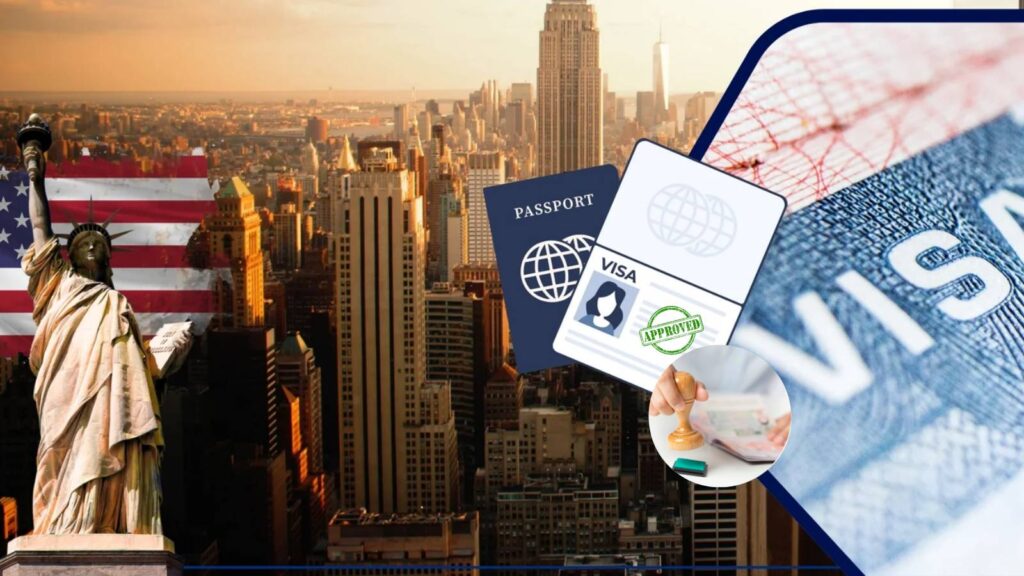
If planning a short-term visit to the United States for business, tourism, or medical treatment, applying for a B1/B2 visa is essential. This non-immigrant visa is issued to foreign nationals who intend to enter the U.S. temporarily for purposes such as attending business meetings or conferences, negotiating contracts, enjoying a vacation, visiting relatives, or obtaining medical care.
US Student Visa (F1) Approval Tips – What Works in 2025?
Obtaining a B1/B2 visa involves more than simply scheduling an appointment. It requires a clear understanding of B1/B2 visa requirements, collecting the appropriate documentation, and preparing thoroughly for the visa interview at a U.S. embassy or consulate. Each step in the process is important and contributes to the overall outcome of the visa application.
This article provides a detailed guide on how to meet B1/B2 visa requirements, including eligibility criteria, necessary documents, and essential tips for successful interview preparation.
The B1/B2 visa is a non-immigrant U.S. visa that combines two distinct travel purposes: business (B1) and tourism or medical treatment (B2). This combination visa allows individuals to travel to the United States for short-term stays without the need for separate applications. It is the most commonly issued visa for visitors who plan to engage in both business and leisure activities during their trip.
The flexibility of this visa type makes it an ideal choice for people whose reasons for travel may involve attending conferences, meeting business partners, and simultaneously taking time to explore the country or visit friends and family. It’s important to note that this visa does not allow paid work, permanent residence, or academic study in the U.S.
Before submitting an application, the first step is understanding if you meet the B1/B2 visa requirements. Eligibility is based on your intent, background, and ability to demonstrate strong ties to your home country.
To qualify for a B1/B2 visa, you must convince the U.S. embassy or consulate that:
Failure to meet any of these conditions may result in your application being denied under Section 214(b) of the U.S. Immigration and Nationality Act, which assumes every applicant is an intending immigrant unless proven otherwise.
For Business (B1 Visa):
For Tourism or Medical (B2 Visa):
Applying for a B1/B2 visa involves more than just filling out a form. You must meet several essential B1/B2 visa requirements that cover everything from valid documentation to financial capability and intent to return home after your trip. These requirements form the foundation of your visa application, and failure to meet any of them can result in a visa denial.
One of the most fundamental visa requirements is having a valid passport. Your passport must be valid for at least six months beyond the date you plan to leave the United States. This rule ensures that travelers have sufficient passport validity throughout their stay and for returning to their home country. If your passport will expire soon, you should renew it before applying for the visa. It’s also important that your passport has at least one or two blank pages for the visa stamp.
The U.S. consular officer must be convinced that you intend to return to your home country after your visit. To demonstrate this, you need to present documents that prove your ongoing commitments at home. These may include a letter from your employer confirming your job and approved leave of absence, proof of property ownership or lease agreements, evidence of close family relationships (such as spouse or children), or enrollment certificates if you’re a student. The stronger your ties, the lower the risk you’ll be seen as someone who might overstay your visa or attempt to immigrate illegally.
You must be able to financially support yourself during your trip without working or relying on public assistance in the U.S. This means providing recent bank statements, salary slips, tax returns, or a sponsor’s affidavit of support (if someone in the U.S. is funding your trip). The U.S. authorities need to see that you have enough funds to cover airfare, accommodation, meals, local travel, and medical emergencies. If you are being sponsored by a U.S. resident, their financial documents, including pay stubs and tax returns, will also be necessary.
Clearly defining the purpose of your travel is essential. Your intentions should align with permissible activities under the B1/B2 visa. For instance, if you’re attending a business event, include the invitation letter, registration details, and itinerary. If you’re visiting family, present their invitation letter, proof of relationship, and travel schedule. If you’re seeking medical treatment, provide a letter from the hospital or doctor in the U.S., along with a medical diagnosis and treatment plan from your local doctor. Unclear or conflicting information about your travel purpose can trigger suspicion and increase the chances of a visa denial.
Collecting the correct documents is a vital part of meeting B1/B2 visa requirements. Each document must be accurate, current, and clearly linked to your application details. Incomplete or inconsistent documentation may result in delays or even rejections. Below is a comprehensive checklist of the documents typically required for a successful application.
The DS-160 is the official U.S. non-immigrant visa application form. You must fill it out online and upload a digital passport-sized photograph that meets U.S. standards. After submitting the form, you’ll receive a confirmation page with a barcode. This document is mandatory for scheduling the interview and must be presented at the consulate.
The visa application fee, which is currently $185 for most applicants, must be paid in advance through the payment methods accepted in your country. After payment, keep the receipt safely, as you’ll need to present it at your interview.
Once your interview is scheduled, you’ll receive a confirmation letter via email or on your visa application dashboard. Print and carry this letter to the embassy or consulate on your appointment date.
Bring your current passport and all old passports, if available. Also carry recent photographs (2×2 inches) as per U.S. visa photo guidelines. Ensure that your photo is recent (taken within the last six months) and has no shadows, filters, or eyewear.
Submit recent bank statements, salary slips, income tax returns, business licenses (if self-employed), and property ownership papers. If someone else is sponsoring your trip, they must provide Form I-134 (Affidavit of Support), proof of income, and legal residency status.
Include your tentative travel itinerary, hotel booking receipts, and return flight tickets, if available. These documents show that you have planned your trip and intend to return within the visa’s validity period.
If you are visiting friends, family, or a business organization, request a letter of invitation. This letter should state your host’s full name, relationship to you, their U.S. address and contact details, and the purpose and duration of your stay.
Applying for a B1/B2 visa is a structured process that must be followed carefully to meet all B1/B2 visa requirements. Any errors or omissions during these steps can lead to processing delays or rejection.
Start your application by completing the DS-160 form on the U.S. Department of State website. This form requires detailed personal, employment, and travel information. Ensure all information is accurate and matches your supporting documents.
Once the DS-160 is submitted, proceed to pay the visa application fee through the designated bank or online portal. Keep a printed or digital copy of the receipt as proof of payment.
Schedule two appointments—one at the Visa Application Center (VAC) for biometric data collection (fingerprints and photo), and one at the U.S. consulate or embassy for the visa interview. You can do this through the U.S. visa appointment website specific to your country.
Attend your biometrics appointment with your passport and DS-160 confirmation page. The VAC staff will collect your fingerprints and take your photograph, which will be used on your visa if approved.
On the day of your interview, arrive early with all required documents neatly organized. Dress formally and answer all questions truthfully and confidently. The visa officer will assess your credibility and intent to return based on your answers and the supporting documents.
The visa interview is the final and most important step in meeting the B1/B2 visa requirements. A well-prepared interview can make the difference between approval and denial.
The consular officer will ask questions about your travel purpose, background, financial situation, and reasons for returning home. You must respond with confidence, consistency, and clarity. Your answers should align with your documents and not contradict your DS-160 form.
Prepare for typical questions such as:
Write down your responses and rehearse them. Be honest, as any misleading or vague answers can lead to visa denial.
Carry all documents in a folder, clearly labeled and sorted. You may not be asked to show all documents, but having them ready improves your impression of preparedness and professionalism.
First impressions matter. Dress professionally, maintain eye contact, and keep a calm demeanor. Avoid arguing or over-explaining. If your visa is denied, accept the decision respectfully and ask if reapplication is allowed.
FAQs
The B1/B2 visa is a non-immigrant U.S. visa designed for individuals traveling temporarily for business (B1) or tourism/medical treatment (B2). It’s suitable for travelers attending business meetings, conferences, or training, as well as those visiting family, sightseeing, or receiving medical care. If you are not eligible for the U.S. Visa Waiver Program, you must apply for this visa before entering the United States.
To be eligible, you must show:
You must also convince the visa officer during your interview that your trip is temporary and within the scope of the B1/B2 visa rules.
You will need to submit:
The B1/B2 visa allows short-term visits, and the length of stay is typically up to 6 months per visit, as determined by the Customs and Border Protection (CBP) officer at the port of entry. In some cases, you can apply for an extension while in the U.S., but you must provide strong justification and supporting documents before your initial stay expires.
You must prove you can afford all your travel expenses—including airfare, accommodation, meals, transport, and medical emergencies. This proof usually comes in the form of recent bank statements, income tax returns, employer salary slips, or an affidavit of support if someone in the U.S. is sponsoring your trip. There’s no fixed amount, but the more you can prove, the better your chances.
Yes, a U.S. resident or citizen can sponsor your trip, typically a relative or friend. In this case, the sponsor should provide:
This is a core requirement. You can show:
No, the B1/B2 visa does not allow employment or academic study in the United States. Any attempt to work or enroll in a course under this visa is a violation of visa conditions and could lead to deportation, visa cancellation, and a ban on future entry. If you plan to work or study, you must apply for the appropriate visa category (e.g., H-1B, F-1).
During your B1/B2 visa interview, the officer may ask:
Your answers should match the details in your documents and DS-160 form. Be concise, honest, and confident.
If your application is denied, you’ll receive a denial letter with a reason—often under Section 214(b) (failure to prove non-immigrant intent). You can reapply after improving your application, such as gathering stronger financial documents, clarifying your purpose, or proving stronger ties to your home country. There is no mandatory waiting period for reapplying, but applying too soon without addressing the reason for denial can lead to repeated rejections.
Holi Festival in Vrindavan is one of the most vibrant and unforgettable experiences for travelers from around the…
December in the United States is a time of magic, celebration, and adventure. From dazzling Christmas lights and…
If you are a fan of The Vampire Diaries or simply love exploring iconic filming locations, the Mystic…