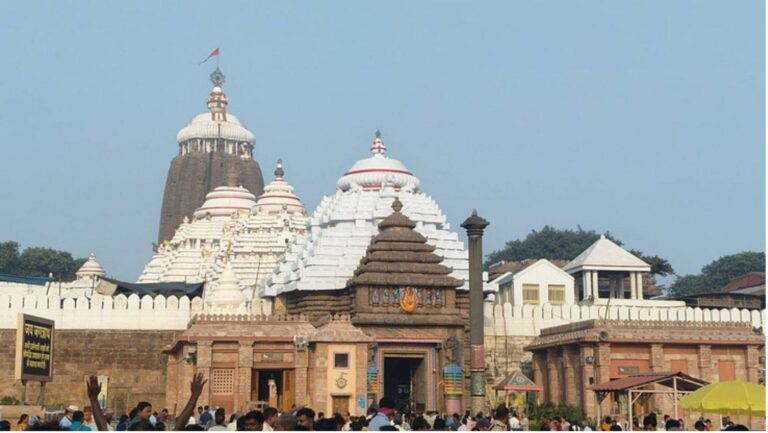
Puri Trip Cost for 3 Days: Complete Budget for Hotel, Food, Travel & Sightseeing!
A 3-day Puri trip (2 nights) can cost around ₹6,000 to ₹12,000 per person for a comfortable budget-to-mid-range holiday, excluding the cost…
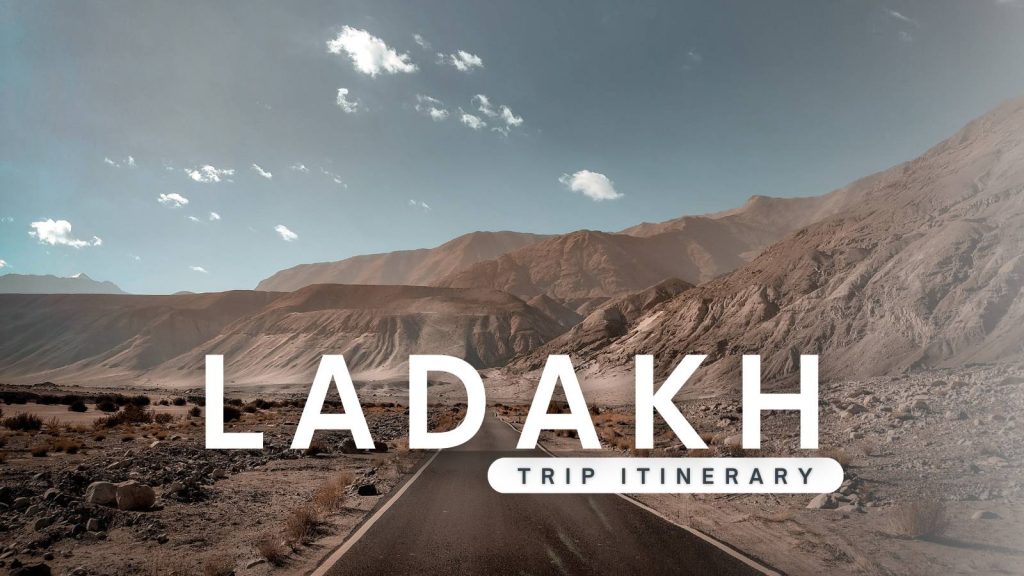
A trip to Ladakh is like preparing for a journey to another world — where rugged mountains touch the sky, crystal-clear lakes reflect shifting clouds, and ancient monasteries sit peacefully on dramatic cliffs. A 7 Days Ladakh Trip Itinerary is perfect for travelers who want to experience the raw beauty, high-altitude adventure, and spiritual charm of this Himalayan paradise without feeling rushed.
Nestled in the northernmost region of India, Ladakh offers a unique blend of breathtaking landscapes, thrilling road trips, and rich Tibetan-Buddhist culture. From the vibrant streets of Leh to the surreal blue waters of Pangong Lake, from the magnetic hills to the mighty Khardung La Pass, every day in Ladakh feels like a postcard come to life.
Whether you’re an adventure enthusiast, a road-trip lover, a biker, a photographer, or simply someone seeking peace amidst nature, our carefully planned 7-day itinerary will help you explore the best of Ladakh — including acclimatization tips, must-visit attractions, scenic drives, and cultural experiences.
A 7-day travel plan works perfectly because it gives your body enough time to acclimatize to Ladakh’s high altitude while allowing you to explore major attractions such as Leh, Nubra Valley, Pangong Lake, and high mountain passes like Khardung La. Instead of rushing through destinations, you give yourself the time and energy to truly experience the landscapes, culture, and adventure that Ladakh offers.
When you try to finish your trip in 4–5 days, you put unnecessary pressure on your body and your schedule. Rapid altitude gain often triggers headaches, nausea, and fatigue, which can disrupt your entire journey. By following a well-structured ladakh trip itinerary for 7 days, you maintain a steady travel pace, allow gradual acclimatization, and reduce the risk of altitude sickness. At the same time, you enjoy every location without feeling rushed or exhausted.
The best time to plan your Ladakh journey is between May and September. During these months, road routes from Manali and Srinagar remain open, weather conditions are stable, and tourist facilities operate fully.
Best Time to Visit Leh Ladakh for Snowfall
Winter months from October to April are extremely cold, and many internal roads close due to snowfall. While winter offers a different charm, it is suitable only for experienced travelers.
After landing at Kushok Bakula Rimpochee Airport in Leh, your body needs time to adjust to the high altitude (11,500 feet). Do not plan any long-distance travel on this day.
Spend your day resting at the hotel. In the evening, if you feel comfortable, visit:
Proper hydration and minimal physical activity are crucial on Day 1.
Start your sightseeing tour with nearby attractions:
These locations are within short driving distance and do not involve extreme altitude gain, making them suitable for early days of your ladakh trip itinerary.
Return to Leh by evening for overnight stay.
This is one of the most thrilling days of your journey. You will cross Khardung La Pass at 18,380 feet, one of the highest motorable roads in the world.
Drive towards Nubra Valley and visit:
Overnight stay in Nubra Valley.
This route is one of the highlights of any well-structured ladakh trip itinerary.
Travel from Nubra to Pangong Lake via the Shyok route. This route saves time compared to returning to Leh.
Upon arrival at Pangong Lake, you will witness the stunning blue waters stretching into China. The lake changes color throughout the day.
Stay overnight in lakeside camps. Nights are extremely cold, even in summer, so carry warm clothing.
Return to Leh via Chang La Pass, another high-altitude mountain pass.
On the way, you can visit:
Reach Leh by evening and relax.
If time and energy allow, you can plan a day trip to Tso Moriri, which is less crowded than Pangong.
Alternatively, keep this as a buffer day for:
A buffer day makes your ladakh trip itinerary more practical and safe.
After breakfast, head to the airport and conclude your 7 days Ladakh trip with unforgettable memories.
There are three main ways to reach Leh, depending on whether you prefer a road adventure or a quicker flight option.
This is one of the most adventurous Himalayan road trips starting from Manali to Leh.
Major Highlights on the Route:
Nearest Airport to Manali:
Nearest Major Railway Station:
This route is open typically from June to September and is known for dramatic landscapes and high mountain passes.
This route begins from Srinagar and is considered better for acclimatization due to gradual altitude gain.
Major Highlights on the Route:
Nearest Airport to Srinagar:
Nearest Railway Station:
This road is generally open from May to October and is smoother compared to the Manali route.
For a short 7-day Ladakh trip itinerary, many travelers prefer flying directly to Leh.
Nearest Airport in Ladakh:
There is currently no railway station in Ladakh. The nearest major railheads are:
Below is an approximate budget for 7 days:
Estimated Total Budget: ₹25,000 – ₹40,000 per person
Luxury trips may cost ₹50,000+ depending on hotel choice.
Indian citizens require Inner Line Permit to visit Nubra Valley, Pangong Lake, and Tso Moriri.
You can:
Carry multiple photocopies for checkpoints.
Foreign nationals need Protected Area Permit arranged through registered agents.
Permits are essential for completing your ladakh trip itinerary legally.
Choosing the right stay option is important for a comfortable ladakh trip itinerary, especially because Ladakh’s high altitude and cold weather demand proper rest and warmth.
Leh offers a wide range of accommodation options. Budget guesthouses are easily available near the main market area and are ideal for backpackers looking for affordable and clean rooms. Mid-range hotels provide better comfort with heating facilities, attached bathrooms, in-house dining, and sometimes airport pickup, making them suitable for families and couples.
Hunder features comfortable camps surrounded by sand dunes, offering a scenic and peaceful stay experience. In Diskit, homestays allow you to experience local Ladakhi culture and hospitality while enjoying simple, home-cooked meals in a traditional setting.
Accommodation mainly consists of seasonal tent camps with basic facilities. These camps operate during the tourist season and provide a unique opportunity to stay close to the lake, although amenities remain limited due to the remote location.
Advance booking is strongly recommended during peak season, as rooms and camps fill up quickly between May and September.
Planning carefully ensures that your ladakh trip itinerary remains safe, comfortable, and hassle-free, especially because Ladakh’s high altitude and remote terrain demand extra preparation.
Give your body time to adjust to the altitude by resting on the first day, drinking plenty of water, and avoiding alcohol or heavy physical activity. If you have existing health conditions, consult your doctor before traveling and carry prescribed medications.
Most prepaid SIM cards from outside Ladakh do not work properly. Only postpaid SIMs of major Indian networks function reliably, and connectivity becomes very limited in remote areas like Nubra and Pangong.
ATMs are available mainly in Leh, but they may not always operate due to network issues. Carry sufficient cash for hotels, fuel, and small expenses, as digital payments may not work everywhere.
Fuel pumps are limited outside Leh, and long stretches of road do not have refueling options. Always top up your tank before heading to Nubra Valley or Pangong Lake.
Even during summer, temperatures drop sharply at night. Pack layered warm clothing, including jackets, thermals, gloves, and caps, to stay comfortable throughout your journey.
FAQs
If you want to experience snowfall, January and February are ideal months. However, extreme cold and road closures make winter suitable only for experienced travelers. Most tourist facilities remain limited during heavy snowfall.
Yes, Ladakh sits at high altitude (above 11,000 feet), where oxygen levels are significantly lower than plains. Many travelers feel mild breathlessness on the first day. Proper acclimatization reduces discomfort.
Children above 5 years generally travel safely if parents allow proper rest and hydration. However, infants and toddlers may struggle with altitude changes. Always consult a pediatrician before planning your ladakh trip itinerary with young kids.
Leh has a government hospital and private clinics for basic medical care. However, remote areas like Pangong and Nubra have limited medical facilities. Carry essential medicines and a personal medical kit.
Internet connectivity is limited and often slow. Only postpaid connections work reliably in Leh, and remote areas may have no signal at all. Do not rely on internet access outside Leh.
SUVs and bikes with higher engine capacity perform better on mountain terrain. However, many travelers successfully complete the journey in hatchbacks during peak season when roads are clear.
Driving involves steep climbs, sharp turns, water crossings, and narrow mountain roads. Confident driving skills and patience are essential. Avoid night driving in remote areas.
Most mid-range and luxury hotels in Leh provide room heaters or electric blankets. However, camps in Pangong and Nubra may have limited heating facilities, especially during late evenings.
Yes, Ladakh can be slightly more expensive due to transportation challenges and remote supply chains. Fuel, food, and accommodation costs are generally higher than typical hill destinations.
Yes, you can customize your ladakh trip itinerary based on your interests. While Pangong is popular, places like Tso Moriri, Lamayuru, and Sham Valley also offer incredible experiences.
Travel insurance is not mandatory but strongly recommended, especially for high-altitude trips. It provides financial protection in case of medical emergencies or trip cancellations.
Yes, vegetarian food is widely available in Leh and major tourist areas. Many restaurants serve Indian, Tibetan, and basic continental dishes.
A 3-day Puri trip (2 nights) can cost around ₹6,000 to ₹12,000 per person for a comfortable budget-to-mid-range holiday, excluding the cost…
Golden sunlight reflecting off calm lake waters, rows of vineyards stretching across rolling hills, and waterfalls cascading through…
Some journeys are not just about reaching a destination—they are about faith, devotion, and the peace that comes…