Andorra Passport: Travel, Tax, Benefits and Residency Perks Explained
Andorra, a small yet thriving principality nestled between France and Spain in the Pyrenees mountains, has become an…
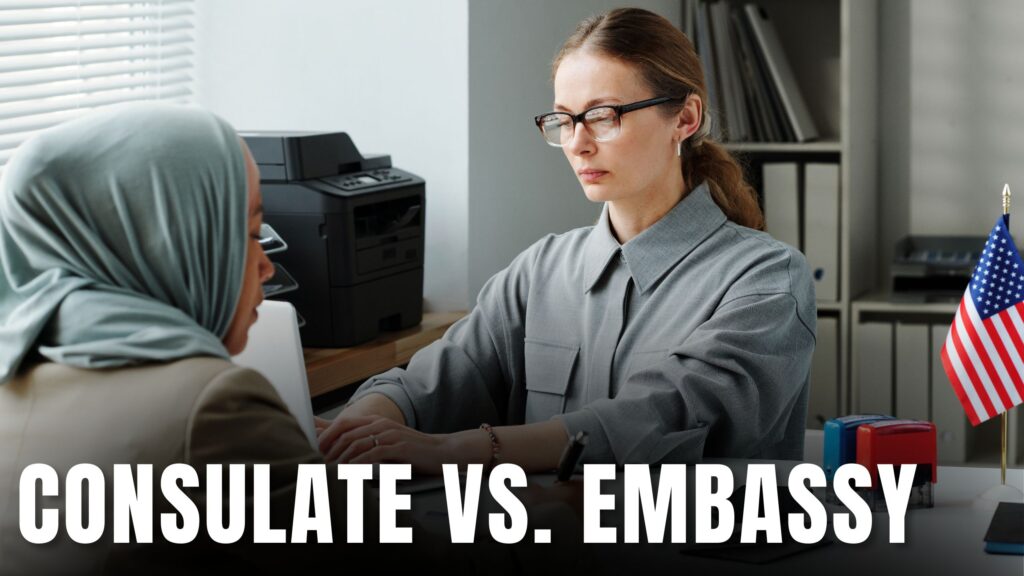
Embassies and consulates play vital roles in facilitating diplomatic affairs and providing essential services to citizens of a foreign country. While the terms “embassy” and “consulate” are often used interchangeably, they represent distinct entities with specific functions. In this discussion, we will dive into the differences between an embassy and a consulate, shedding light on their unique responsibilities and highlighting why they are crucial to a country’s diplomatic presence abroad.
An embassy serves as the official representation of a country’s government in another sovereign state. An embassy is typically located in the capital city of the host country and functions as the primary channel of communication between the two governments. Embassies are established to foster diplomatic relations, promote trade, and safeguard the interests of their home country.
Key Functions of an Embassy include:
A consulate is a secondary diplomatic mission established by a country within another country’s territory. Unlike embassies, consulates are usually located in major cities rather than the capital. Their primary function is to assist and provide services to citizens of the sending country who reside or travel within the consular district.
Key Functions of a Consulate include:
There are three key differences between embassies and consulates: location, hierarchy, and the scope of services provided.
First, embassies are located in the capital city of their respective host country, while consulates are typically situated in major cities. Secondly, embassies represent the highest level of diplomatic relations between two countries and are led by ambassadors, who serve as the official representatives of their governments. Consulates, on the other hand, are smaller in scale and operate under the authority of the embassy, with consuls leading their operations. And third, regarding the scope of service, embassies have a broader range of responsibilities, including diplomatic relations, consular services, and promoting political and economic interests, while consulates primarily focus on consular services, trade and commerce, and cultural diplomacy within their consular districts.
Embassies and consulates may share similar objectives, but they differ in terms of their location, hierarchical structure, and scope of services provided. By recognizing and appreciating these differences, we can better understand the crucial roles played by embassies and consulates in international diplomacy and the vital services they provide to citizens living or traveling abroad.
1. What is the difference between a consulate and an embassy?
A consulate is a diplomatic office that provides services like visas, passports, and emergency assistance to citizens. An embassy is the main diplomatic mission representing one country in another, often focused on political relations and international affairs.
2. Where is an embassy located?
Embassies are typically located in the capital cities of the host country. They represent the official government of the country and handle high-level diplomatic affairs.
3. What services does a consulate provide?
Consulates offer services such as visa processing, issuing passports, helping citizens in emergencies, and providing notarial services.
4. Can a consulate issue visas?
Yes, consulates issue visas for travel, work, study, and other purposes for citizens of the host country or other regions.
5. Can I visit an embassy for visa services?
Some embassies handle visa services, but many countries delegate visa processing to their consulates, especially if they have consular offices outside the capital.
6. Are consulates and embassies both involved in international diplomacy?
While embassies focus on diplomacy, consulates are primarily concerned with providing services to citizens and handling visa and immigration matters.
7. Can consulates help with lost passports?
Yes, consulates assist with lost or stolen passports and help citizens with the process of getting a replacement.
8. Do embassies offer citizenship services?
Embassies assist with issues related to citizenship, such as registration of births, marriage certificates, and providing support to citizens abroad.
9. How do consulates support citizens during emergencies?
Consulates can help in emergencies like arrests, accidents, or natural disasters by offering legal assistance, helping with evacuation, and providing financial aid if needed.
10. Can I contact a consulate for travel advice?
Yes, consulates often provide advice and information on travel, local laws, and safety for citizens visiting the host country.
11. Is an embassy more important than a consulate?
Embassies are the primary diplomatic representatives in a foreign country and play a key role in politics, while consulates handle more practical, day-to-day concerns for citizens.
12. How many consulates does a country typically have?
Countries often have multiple consulates in various cities, especially in larger countries or regions where there are many citizens or travelers from that nation.
13. Can a consulate help with legal matters?
Yes, consulates can offer assistance with legal matters, especially in emergencies like arrests, and may provide a list of local lawyers.
14. What is the role of the consul?
The consul is the head of a consulate and is responsible for overseeing consular services, helping citizens, and promoting trade and cultural ties.
15. Are there any benefits of visiting a consulate over an embassy?
Consulates provide more direct and specific services for citizens, like visa applications and passport issues, and are often more accessible for routine matters.
Andorra, a small yet thriving principality nestled between France and Spain in the Pyrenees mountains, has become an…
Air travel has become an essential mode of transportation for millions of people around the world. Whether you…
Applying for a Canada infant passport can be one of the more time-consuming tasks for new parents, but…