
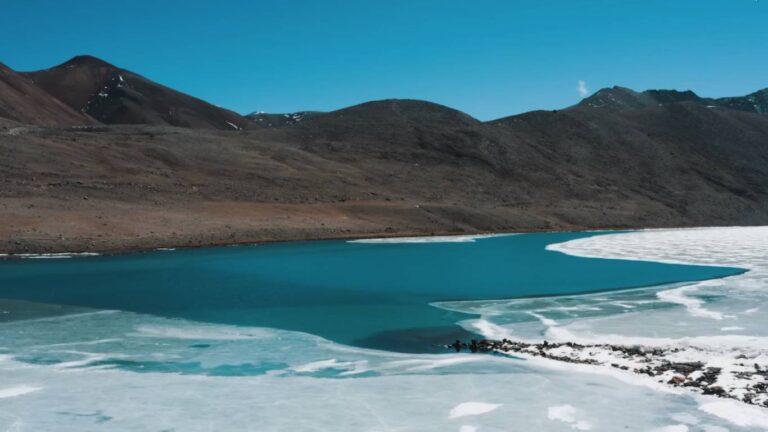
Gurudongmar Lake: Timings, Weather, Best Time to Visit!
One of the most beautiful, pristine lakes in Sikkim, Gurudongmar Lake is located near the Tibetan and Chinese…
40th World Heritage Committee designated Khangchendzonga National Park in Sikkim, India, also known as Kanchenjunga National Park. It was announced as a UNESCO World Heritage Site on Mixed criteria in 2016, recognizing its significant natural and cultural heritage.
Park, beautifully wedged in the heart of the Himalayan Range, has great diversity and over 19 mountainsides, including the majestic Mt. Khangchendzonga (also known as Kanchenjunga), which towers at 8,586 meters and is the ’s fourth highest. Kanchenjunga National Park also serves as a geopark known as the Kanchenjunga Biosphere Reserve. Sikkim’s national park was named after the mountain Khangchendzonga, which has a religious connotation and is thus highly respected by the locals.
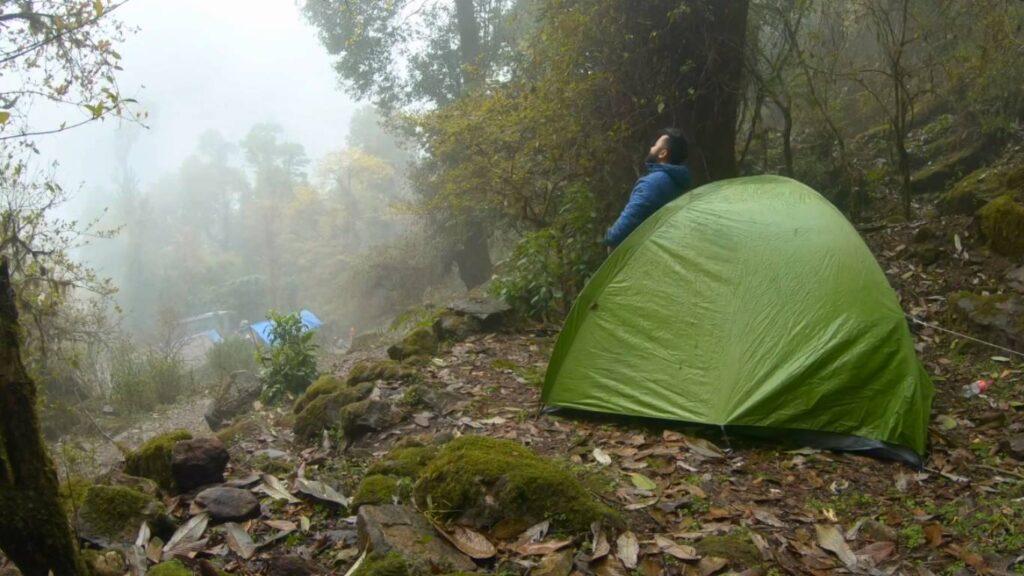
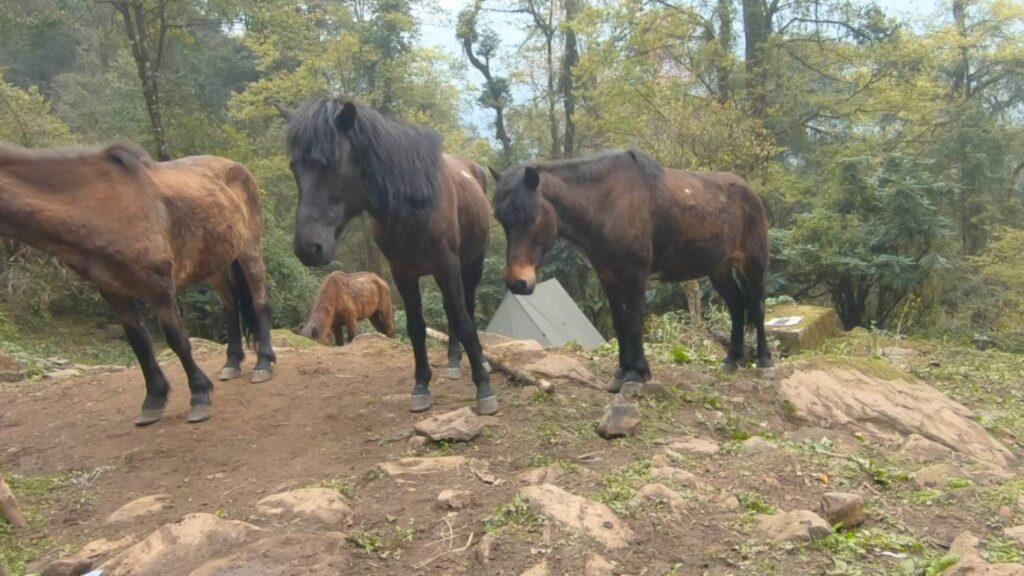
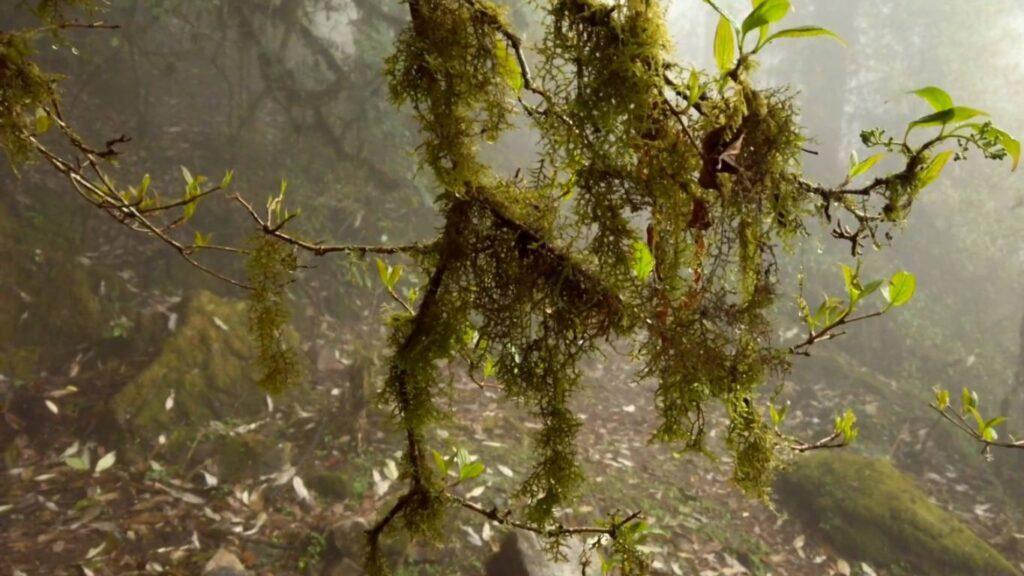
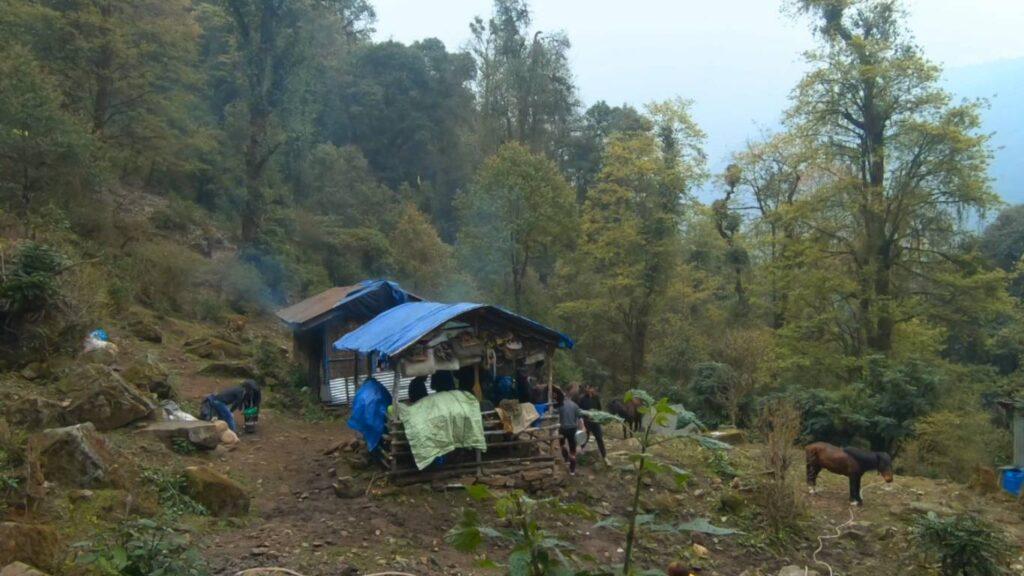
Khangchendzonga, known as “God’s Abode,” is the sanctum sanctorum for monotheists. According to mythology, spiritual masters have hidden sacred texts and monographs throughout the park, meant to be discovered by treasure hunters from holy places.
Sikkimese revere Khangchendzonga as their Guardian Deity, whose divine grace ensures peace and prosperity. Ceremonies are performed, and festivities are devoted to him in this sacred place. One of Sikkim’s most major festivals, Pang Lhabsol, is a vibrant celebration in honor of the presiding deity, Khangchendzonga.
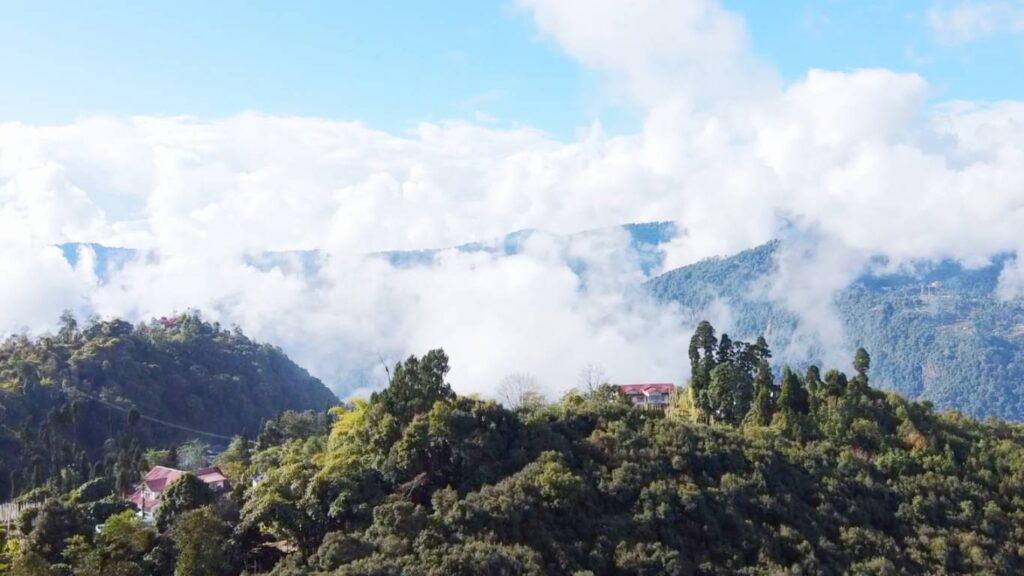
Khangchendzonga, located in the Indian state of Sikkim, is a geographical marvel nestled in the eastern Himalayas. Encompassing the majestic Mt. Khangchendzonga, the world’s third-highest peak at 8,586 meters, the region is characterized by its dramatic landscapes, ranging from lush valleys to rugged, snow-covered mountains.
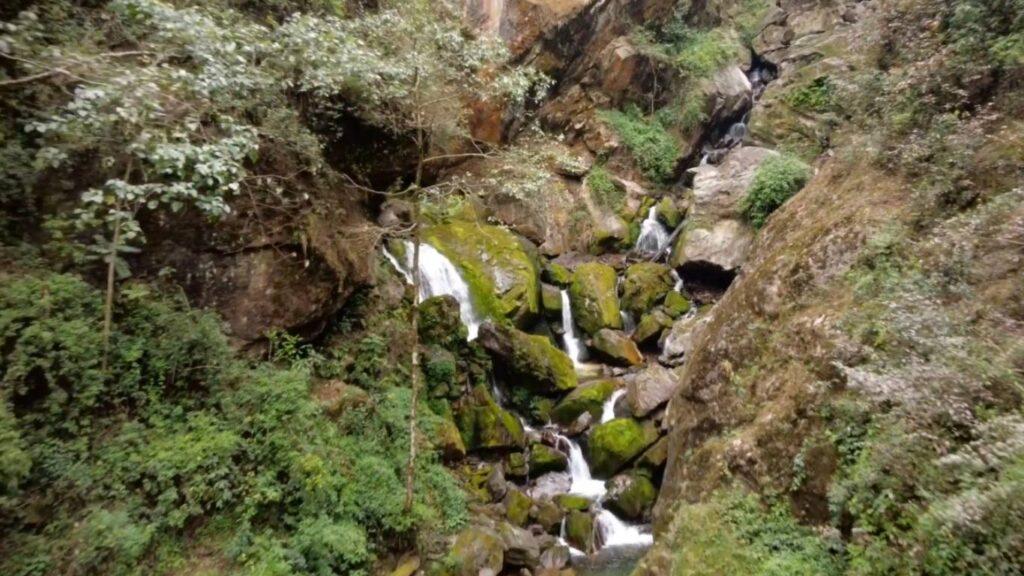
Park spans an area of 1,784 square kilometers, boasting a diverse range of ecosystems that include alpine meadows, temperate forests, and sub-tropical jungles. Glaciers, pristine lakes, and rushing rivers crisscross the terrain, adding to its natural splendor. Khangchendzonga’s geographical.
M88F+VRV, Sakkyong, Sikkim
Visiting Khangchendzonga National Park requires an entry fee, which varies based on nationality and duration of stay. Price Details:
Khangchendzonga National Park is open to visitors from 6:00 AM to 5:00 PM daily. Timings allow ample time to explore the park’s stunning landscapes, diverse flora and fauna, and breathtaking mountain views.
Because it is situated between 27° 42’0″N and 88° 08’0″E, the park receives heavy snowfall for the majority of the year. Climate of Khangchendzonga National Park is delightful during the summer months of April and May, whereas the monsoon season starts in May and lasts until October. In the winter, the temperature in Khangchendzonga National Park drops below 0° C.
Best time to visit Khangchendzonga National Park in Sikkim, India, is typically from March to May and from October to mid-December.
During these months, the weather is generally pleasant with clear skies, making it ideal for trekking and enjoying the natural beauty of the park. It’s advisable to avoid the monsoon season (June to September) due to heavy rainfall, which can make trekking trails slippery and visibility poor.
Khangchendzonga National Park offers a variety of activities that allow visitors to immerse themselves in the natural beauty and cultural heritage of the region. Top activities and their associated costs:
Trekking: Explore the park’s diverse landscapes, including valleys, glaciers, and mountain peaks. Popular trekking routes include Yuksom to Dzongri and Dzongri to Goecha La.
Price: Guide charges are ₹10 per day
Wildlife Watching: Spot exotic wildlife such as snow leopards, red pandas, and Himalayan blue sheep. Park is also a birdwatcher’s paradise with species like the Tibetan snowcock and Himalayan griffon.
Price: Included in the entry fee.
Camping: Experience the tranquility of the park by camping under the stars. Tents can be pitched at designated camping sites.
Price: Tent pitching charges are ₹50 per tent per day.
Photography: Capture the stunning landscapes and diverse wildlife. Park offers numerous opportunities for both amateur and professional photographers.
Price:
Cultural Tours: Visit local villages and monasteries to learn about the cultural heritage of the region. Engage with the local communities and experience their way of life.
Price: Included in the entry fee.
Visiting Khangchendzonga National Park is a remarkable experience, and getting there is part of the adventure. To reach this stunning destination:
Kanchenjunga National Park, located in the Indian state of Sikkim, is a paradise for nature lovers and wildlife enthusiasts. Need to know about the safari experience in the park, including details and prices:
There are primarily two safari options available in Kanchenjunga National Park:
Safari routes within Kanchenjunga National Park are carefully designed to showcase the park’s unique biodiversity. Routes may vary depending on the duration of the safari and the specific areas you wish to explore.
1- If you are a foreign visitor, you must apply for a permit if you want to trek all the way up to Zemu Glacier and other nearby areas. In order to do the same, Indian Nationals must obtain an Inner Line Permit.
2- Stick to designated nature trails while trekking.
3- Please do not leave litter or pollute the biosphere in the sanctuary. Non-biodegradable items should be brought back from your journey and properly disposed of.
4 Picking flowers or saplings along the way is not permitted. Also, if you happen to see an animal, keep quiet and avoid bothering the animals.
Best time to visit is from March to May and September to mid-December when the weather is pleasant and suitable for trekking and wildlife spotting.
Nearest airport is Bagdogra in Darjeeling, and the nearest railway station is New Jalpaiguri. From there, you can travel to Gangtok by road and then take a taxi or bus to the park.
Yes, permits are required for both Indian and foreign visitors. These can be obtained from the Forest Department or authorized travel agencies.
Entry fees for Indian nationals are ₹200 for the first 7 days and ₹30 for each additional day. For foreign nationals, the fees are ₹400 for the first 7 days and ₹75 for each additional day.
Yes, there are log huts and tents available for accommodation. Bed charges at log huts are ₹100 per day, and tent charges are ₹50 per tent per day.
Park is home to a variety of wildlife, including snow leopards, red pandas, Himalayan black bears, and over 550 species of birds.
Yes, guided tours are available, and it is recommended to hire a guide for a better experience. Guide charges are ₹200 per day.
Pack warm clothing, trekking gear, comfortable shoes, a first aid kit, and necessary permits. Also, carry a good camera to capture the stunning landscapes and wildlife.
Yes, it is safe to visit as long as you follow park guidelines and stay within designated areas. Always travel with a guide and be prepared for high-altitude conditions.
Yes, photography is allowed. There are camera fees: ₹30 for still cameras, ₹1000 for video cameras, and ₹35000 for movie cameras.
Khangchendzonga National Park is a treasure trove of natural beauty and biodiversity, offering visitors a chance to experience the majestic Himalayas up close. With its rich flora and fauna, stunning landscapes, and serene environment, it is a perfect destination for nature lovers and adventure enthusiasts alike. Make sure to plan your visit during the best seasons, secure the necessary permits, and follow all guidelines to ensure a safe and enjoyable trip.
One of the most beautiful, pristine lakes in Sikkim, Gurudongmar Lake is located near the Tibetan and Chinese…
1 comment