
10 Best Christmas Holiday Destinations in Europe for Snow, Silence & Soul
Christmas in Europe is celebrated with grandeur, but not every traveler seeks large markets, crowded streets, or loud…

Traveling across Europe offers a rich tapestry of history, culture, and breathtaking landscapes. For many, safety is a top priority when choosing a destination. Whether you’re a solo traveler, family vacationer, or adventurer, knowing the safest cities in Europe can help you plan your trip with peace of mind. This article are some of the safest cities in Europe, providing detailed insights into what makes them secure, how they protect their residents and visitors, and why you can visit them without worry.
Safety is fundamental to enjoying any trip. A safe city means reduced risks of theft, violence, or scams, allowing travelers to focus on their experience rather than concerns over security. Factors influencing a city’s safety include low crime rates, efficient law enforcement, political stability, quality healthcare, and well-maintained infrastructure.
In Europe, many cities invest heavily in these aspects, creating environments where tourists feel secure and welcomed. Safety is closely linked to how comfortable travelers feel navigating new environments, using public transportation, and interacting with locals. For families and solo travelers especially, the assurance of safety enhances the overall travel experience and encourages repeat visits.
Zurich consistently ranks among the safest cities in Europe. Known for its meticulous urban planning and excellent public services, Zurich offers visitors a tranquil experience. The crime rate here is exceptionally low, especially regarding violent crimes and petty theft. The city benefits from a strong police presence and efficient emergency services. Swiss culture emphasizes respect and order, contributing to overall safety.

Zurich’s public transportation is reliable and secure, making it easy to visit without stress. Beyond safety, Zurich boasts high standards of cleanliness and public health, and residents enjoy some of the highest quality of life indices globally. Tourists can stroll safely at all hours in most neighborhoods, and the city’s wealth means resources are well allocated to maintain public security infrastructure.
Copenhagen is renowned not only for its vibrant cultural scene but also for its commitment to safety and sustainability. It boasts one of the lowest crime rates in Europe, thanks to proactive policing and community-oriented initiatives. The city prioritizes pedestrian and cyclist safety with well-designed infrastructure, encouraging eco-friendly travel without compromising security. For tourists, Copenhagen offers safe neighborhoods, clean streets, and accessible healthcare, making it a worry-free destination.

Danish emphasis on social welfare and equality plays a significant role in reducing crime and enhancing public trust. Copenhagen’s numerous parks and open spaces are also patrolled and well-maintained, providing safe environments for outdoor activities. Tourists can comfortably both the bustling city center and quieter residential areas without apprehension.
Iceland’s capital, Reykjavik, is frequently listed among the world’s safest cities, and for good reason. The country’s overall crime rate is minimal, and Reykjavik’s welcoming atmosphere adds to its appeal. Violent crime is extremely rare, and petty crime like pickpocketing is uncommon compared to other major cities. The local police are approachable and often unarmed, reflecting the city’s peaceful nature. For travelers seeking an extraordinary yet safe adventure, Reykjavik is an excellent choice.

Beyond safety, Reykjavik benefits from strong community bonds and a small population, which means crime tends to be reported quickly and resolved efficiently. Visitors can enjoy late-night cultural events, dining, and nightlife with minimal risk, and the city’s natural beauty offers countless opportunities for safe outdoor exploration, such as hiking, geothermal baths, and whale watching.
Vienna’s reputation as one of the safest cities in Europe is backed by its low crime statistics and high quality of life. The city features well-lit streets, extensive CCTV coverage, and quick emergency response times. Public transportation is secure and widely used by locals and tourists alike. Vienna’s focus on social welfare and inclusive policies helps maintain a stable and safe environment. Its blend of historic charm and modern safety measures makes it a stress-free city to visit.

Vienna’s numerous cultural institutions such as museums, theaters, and concert halls have their own dedicated security teams, ensuring that visitors can enjoy the city’s rich heritage in complete safety. The city’s diverse neighborhoods are generally free of violent crime, and many areas have strong neighborhood watch programs that engage residents and visitors alike.
Helsinki stands out for its peaceful atmosphere and commitment to public safety. The Finnish capital has low levels of crime and a transparent, community-based policing system. Helsinki’s urban environment is designed to maximize safety, with secure public spaces and excellent street lighting. The city’s healthcare system is among the best globally, reassuring travelers who might need medical assistance. Helsinki’s clean, orderly streets and friendly residents make it one of the safest cities in Europe for tourists.

Finnish cultural emphasis on trust and honesty permeates social interactions, which helps maintain an atmosphere of mutual respect between locals and visitors. Public spaces such as parks, shopping districts, and waterfront promenades are regularly monitored, ensuring a safe experience even during late hours. Helsinki’s integration of technology in public safety, such as real-time crime alerts and digital emergency services, adds an extra layer of protection for travelers.
A hallmark of the safest cities in Europe is their effective law enforcement agencies. These cities invest in community policing strategies that build trust between officers and residents, resulting in fewer crimes and higher public cooperation. The presence of visible police patrols, rapid response units, and advanced surveillance technologies helps deter criminal activities.
Police forces in these cities often engage in proactive outreach, educating both residents and visitors on safety practices and crime prevention. This cooperative approach leads to a sense of shared responsibility for safety, which is vital in maintaining low crime rates.
These cities report consistently low crime rates, particularly in categories such as violent crime, theft, and scams targeting tourists. Transparency in crime reporting allows travelers to stay informed and avoid risky areas. Governments in these cities often publish real-time crime statistics, empowering visitors to make safe travel choices.
Transparency also builds public confidence in law enforcement and government institutions, reinforcing social stability. Many of these cities have crime hotlines, mobile apps, and tourist assistance centers that provide immediate support and information to visitors, making safety accessible and convenient.
Safe cities in Europe prioritize infrastructure that protects their residents and visitors. Well-maintained roads, pedestrian zones, and extensive public transport systems reduce the risk of accidents and provide secure travel options around the city. Accessibility to emergency services and clear signage also contribute to traveler safety.
Many cities have introduced safety measures such as surveillance cameras in public transport, emergency call points, and trained staff ready to assist. These systems enable tourists to move freely and confidently, even in unfamiliar parts of the city.
Political stability is a essential factor in a city’s safety. The cities featured here enjoy stable governments and social policies that foster inclusivity and reduce social tensions. This stability ensures a calm environment where travelers can enjoy cultural experiences without worrying about political unrest or demonstrations.
These cities often have strong social welfare systems that reduce poverty and inequality, factors that can otherwise contribute to crime. High levels of education and civic engagement further strengthen the social fabric, making these cities welcoming places for visitors from all backgrounds.
Even when visiting the safest cities in Europe, staying cautious is essential to ensure a worry-free trip.
Stay in well-populated and well-lit areas, especially at night: Avoid isolated streets and unfamiliar neighborhoods, and always plan your routes ahead. When in doubt, ask locals or hotel staff for advice on safe areas.
Keep your belongings secure using anti-theft bags or money belts: Pickpocketing is rare but possible in crowded tourist spots, so keep valuables close and avoid flashing expensive items.
Be aware of your surroundings and avoid distractions like excessive phone use: Staying alert helps you avoid opportunistic theft and stay safe while walking or crossing streets.
Respect local customs and laws: Familiarize yourself with rules about alcohol, photography, and public behavior to avoid fines or misunderstandings.
Use official taxis or trusted ride-sharing services: Avoid unlicensed drivers to prevent scams and ensure safe, fair transportation.
Keep emergency numbers handy: Know the local emergency contact (often 112 in Europe) and have your accommodation’s details ready for quick help if needed.
FAQs
Some of the safest cities in Europe for tourists include Zurich (Switzerland), Copenhagen (Denmark), Helsinki (Finland), Vienna (Austria), and Reykjavik (Iceland). These cities have low crime rates, efficient public services, and high standards of living.
Safety is determined by low crime rates, reliable law enforcement, clean public spaces, good healthcare, political stability, and positive experiences reported by both residents and tourists. Public safety infrastructure and local laws also play key roles.
Yes, Europe is generally safe for solo travelers, especially in countries like Norway, Switzerland, and the Netherlands. It’s important to stay aware of your surroundings and follow general travel safety tips regardless of your destination.
While violent crime is rare in Europe’s safest cities, petty theft like pickpocketing can happen in tourist-heavy areas like public transport stations or crowded landmarks. Keeping valuables secure is always recommended.
Vienna, Helsinki, and Ljubljana (Slovenia) are great choices for families. They offer clean environments, safe streets, excellent healthcare, and plenty of family-friendly attractions and activities.
Some of the safest cities, like Zurich and Copenhagen, can be expensive due to their high quality of life. There are also safe and more affordable cities like Ljubljana, Tallinn (Estonia), and Porto (Portugal).
The universal emergency number across the EU is 112. It connects you to police, fire, or medical assistance from anywhere in the European Union.
Absolutely. Most of Europe’s safest cities offer clean, efficient, and secure public transportation networks with excellent coverage and safety standards.
Stick to well-lit areas, avoid walking alone in quiet zones, use official transport, and keep your phone charged. Always inform someone of your whereabouts if you’re exploring late.
Yes, cities like Tallinn (Estonia), Ljubljana (Slovenia), and Prague (Czech Republic) are known for their safety, charm, and welcoming atmosphere, making them great choices for travelers.
Christmas in Europe is celebrated with grandeur, but not every traveler seeks large markets, crowded streets, or loud…
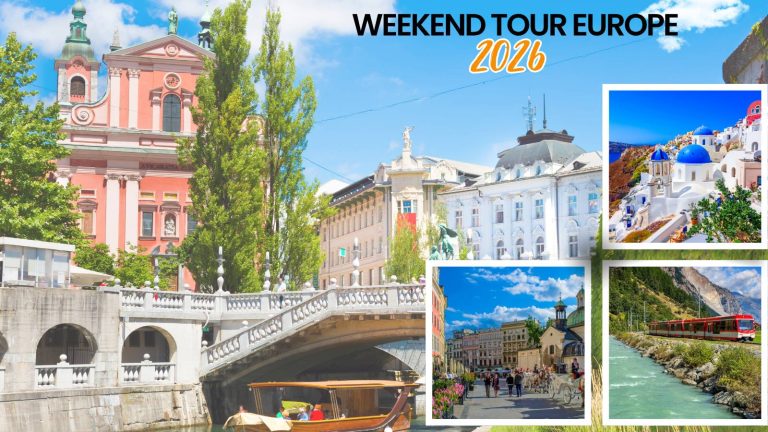
Europe, with its rich history, diverse cultures, and stunning landscapes, is the perfect destination for travelers seeking short…
Traveling across Europe by train is one of the most scenic, convenient, and eco-friendly ways to explore the…