

GCC Unified Tourist Visa: Top 10 Itinerary Ideas for Travelers Across the Gulf
The GCC Unified Tourist Visa is a significant step towards simplifying travel across the Gulf Cooperation Council (GCC)…
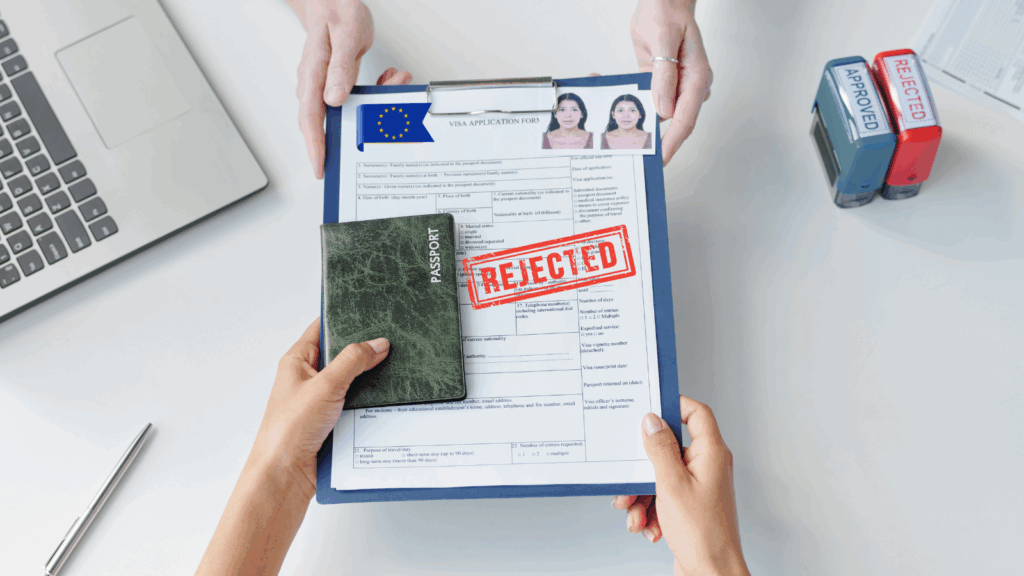
In recent years, UAE residents have been experiencing a troubling rise in Schengen visa rejections, with many finding their travel plans disrupted despite meeting what they believed were all necessary requirements. The UAE Schengen visa rejection rate has become a hot topic among frequent travelers, professionals, and business owners, as the situation impacts both personal and economic ties with Europe.
GCC Visa vs. Schengen Exemption
The urgency of this issue lies in its timing. With international travel rebounding after pandemic restrictions, UAE residents are eager to visit European destinations for tourism, education, medical treatment, and business opportunities. Yet, growing rejection rates suggest an underlying shift in how applications are processed, leaving many wondering whether the problem is rooted in technical errors, bureaucratic hurdles, or diplomatic undercurrents.
A Schengen visa grants travelers access to 29 European countries without the need for separate national visas, making it an attractive option for UAE residents who value convenience and flexibility. The visa is crucial for tourism, business travel, and family visits, given Europe’s strong cultural and economic connections with the UAE.
Application process typically involves:
While these steps might appear straightforward, even small discrepancies in documentation or unclear travel purposes can lead to delays or outright rejections.
Recent data from the European Commission shows a notable increase in rejection rates for Schengen visa applications submitted from the UAE. In 2023, rejection rates rose by nearly 15% compared to 2019 levels, with certain EU member states reporting even higher figures.
In previous years, UAE residents enjoyed a relatively smooth approval process, with many consulates approving over 90% of applications. However, the post-pandemic period has brought stricter scrutiny, especially for applicants with limited travel history to Europe. The trend suggests that consulates may now be operating under new directives that prioritize risk mitigation over facilitation.
Behind the counters of EU consulates in the UAE, a silent bureaucracy influences decisions in ways not always visible to the public. While official guidelines outline requirements for approval, internal procedural memos—often undocumented—can alter how officers interpret applications.
For instance, some consulates may now require additional financial proof beyond the official list, or they may flag applications with certain travel patterns for more rigorous checks. These unwritten rules often vary between consulates, creating inconsistency and unpredictability for applicants. Such hidden processes contribute significantly to the rising UAE Schengen visa rejection rates.
While some rejections stem from avoidable errors, others are the result of strict interpretation of rules:
Incomplete Documentation: Missing signatures, outdated bank statements, or unclear hotel booking confirmations are among the most common mistakes.
Mismatched Information: Discrepancies between the declared travel purpose and supporting documents often raise red flags.
Financial Proof Issues: Applicants must demonstrate sufficient funds to cover their stay, but some rejections occur even when this requirement appears to be met, especially if income sources are not clearly documented.
Travel Insurance Concerns: Policies must meet Schengen requirements, and any shortfall in coverage—even by a few euros—can lead to denial.
Suspicion of Overstay: Applicants with previous long stays in Europe or multiple short-term visits within a year may be suspected of intending to overstay or misuse visa privileges.
The consequences of these rejections extend beyond missed vacations. UAE-based entrepreneurs often rely on Schengen visas to attend trade fairs, sign contracts, or meet European partners. A single rejection can disrupt months of business planning and affect long-term partnerships.
For families, rejections can mean missing important events such as weddings, graduations, or medical appointments abroad. In the tourism sector, travel agencies in the UAE have reported a decline in European bookings due to uncertainty about approvals, potentially shifting travel demand toward more visa-friendly destinations like the UK, Georgia, or the Maldives.
The UAE passport ranks among the strongest in the world, granting visa-free or visa-on-arrival access to over 180 destinations. However, this strength doesn’t guarantee smooth Schengen access.
Geopolitical factors can influence visa approval rates, as can the state of bilateral relations between the UAE and specific EU countries. Moreover, Schengen states retain sovereign discretion over their visa decisions, meaning that even strong travel documents cannot bypass heightened scrutiny.
While no strategy can guarantee approval, applicants can improve their chances by adopting best practices:
By following these steps, applicants can reduce the likelihood of a UAE Schengen visa rejection, though it remains essential to prepare for possible denials given current trends.
Frustration over rising rejections has prompted advocacy groups and frequent traveler associations in the UAE to call for greater transparency in the visa process. Many argue that applicants deserve clear explanations for denials, as vague justifications leave them unable to address specific issues in future applications.
On the EU side, there have been discussions about harmonizing procedures among member states to ensure fairness. Proposed changes include standardized checklists, clearer public communication of requirements, and faster appeal processes for rejected applicants.
Balancing the EU’s security concerns with the UAE’s demand for fair and accessible travel should be the ultimate goal. Until then, travelers must adapt to an increasingly complex visa landscape, where attention to detail and persistence can make the difference between a stamped passport and a missed opportunity.
FAQs
Rejection rates have risen due to stricter post-pandemic screening, internal procedural changes at EU consulates, and geopolitical considerations. Even though the UAE passport is strong, Schengen countries have the right to apply additional scrutiny to applicants based on risk assessments.
The most frequent reasons include incomplete documentation, mismatched details between forms and supporting documents, insufficient financial proof, inadequate travel insurance coverage, and suspicion of overstaying or misuse of the visa.
No. While the UAE passport is ranked among the most powerful in the world, Schengen countries still require a visa for UAE residents who are not citizens of visa-exempt countries. Approval depends on the applicant’s profile, travel history, and compliance with Schengen requirements.
To reduce the risk, submit accurate and complete documentation, provide strong financial evidence, book refundable travel arrangements, apply at least 45 days in advance, and include a clear cover letter explaining your trip.
Yes. You can reapply immediately after a rejection, but it’s important to first address the reasons mentioned in the refusal letter. Submitting the same documents without correcting issues will likely lead to another rejection.
A rejection is recorded in the Schengen Visa Information System (VIS) for up to five years, meaning future applications will be reviewed with awareness of your previous denial. However, one rejection does not automatically mean future applications will be refused, especially if issues are resolved.
Yes, most Schengen countries allow appeals within a set period (usually 15–30 days). The process involves submitting an appeal letter, additional supporting documents, and sometimes a fee. The decision is reviewed by higher immigration authorities in the country where you applied.
Not necessarily. Schengen rules require you to apply to the country you intend to visit most. Applying to a different country without changing your travel plan can be seen as misrepresentation and could lead to another rejection.
Travel insurance is mandatory and must cover at least €30,000 in medical expenses, valid for the entire Schengen area and the duration of your trip. Policies that don’t meet these requirements are a common cause of UAE Schengen visa rejection.
Many applicants are seeking professional visa assistance, ensuring over-preparation of documents, and joining advocacy efforts calling for greater transparency in EU visa procedures. Travel agencies are also lobbying for clearer rejection explanations to help clients prepare better.
The GCC Unified Tourist Visa is a significant step towards simplifying travel across the Gulf Cooperation Council (GCC)…
The H-1B visa remains one of the most important work visas for skilled professionals looking to work in…
TN visa is a non-immigrant classification that enables eligible Canadian and Mexican citizens to work in the United…