
Best Places to Travel with Kids in India: Where to Go by Age, Budget & Season
The best places to travel with kids in India include Goa, Kerala, Ooty, Jaipur, Udaipur, Mysuru, Manali, Kashmir,…
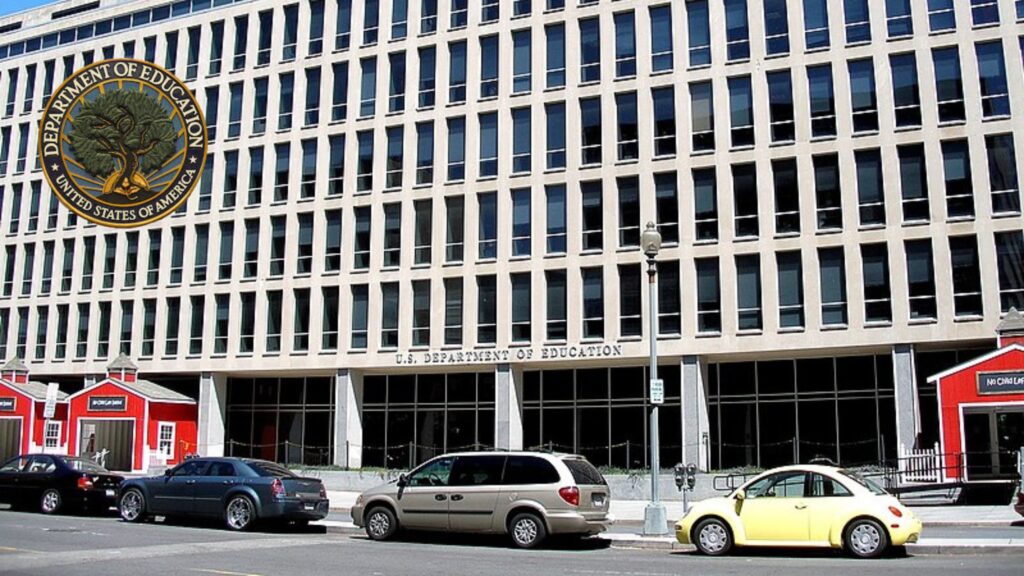
The U.S. Department of Education (ED) is undergoing significant shifts in its key policies, updates, and initiatives, largely influenced by the priorities of the Trump administration, which began its second term in January 2025. Based on available information, reflecting the current landscape and recent developments.
The U.S. Department of Education historically focuses on ensuring equal access to education, administering federal financial aid, collecting educational data, and enforcing civil rights protections. However, current policy directions under the Trump administration emphasize reducing federal oversight and reshaping educational priorities:
Recent updates indicate rapid policy changes and administrative actions:
More Updates: https://www.ed.gov/
While the ED traditionally champions initiatives like STEM education, career and technical education, and support for underserved students, current initiatives under the new administration reflect a pivot:
The ED’s $238 billion budget (as of 2024) supports critical programs—Title I for low-income schools, IDEA for students with disabilities, and Pell Grants for college students—serving millions nationwide. Dismantling or significantly altering the department risks disrupting these, especially for vulnerable populations. Critics, including the National Education Association, warn of increased inequity, while proponents argue it restores local control. The administration’s ability to enact sweeping changes is constrained by Congress, where bipartisan support for federal education roles has historically blocked abolition efforts.
March 5, 2025, the U.S. Department of Education is at a crossroads, with its key policies shifting toward reduced federal involvement, anti-DEI measures, and school choice, driven by executive actions and influenced by Project 2025. Updates reflect a fast-moving agenda, but initiatives face legal, legislative, and public resistance. Department’s future hinges on how these tensions resolve in the coming months. For the latest developments, ongoing monitoring of official ED announcements and credible news sources is essential, given the fluidity of the situation.
FAQs
The U.S. Department of Education oversees federal education policies, distributes funding, enforces laws on equal access, and ensures quality education nationwide.
Apply for federal student aid by completing the Free Application for Federal Student Aid (FAFSA) at studentaid.gov.
You can check your loan balance by logging into your account at StudentAid.gov or contacting your loan servicer.
You can reach them via phone at 1-800-USA-LEARN (1-800-872-5327) or visit their official website at www.ed.gov.
The PSLF program forgives student loans for eligible government or nonprofit employees after 120 qualifying payments under an income-driven repayment plan.
You can check accreditation status using the Database of Accredited Postsecondary Institutions and Programs (DAPIP) at ope.ed.gov.
Common grants include the Pell Grant, TEACH Grant, and FSEOG Grant, which help students with financial need.
You can report scams to the Federal Trade Commission (FTC) at ReportFraud.ftc.gov or contact the Department of Education’s Office of Inspector General (OIG).
Policies change frequently; visit www.ed.gov for updates on funding, regulations, and school initiatives.
You can file complaints regarding discrimination, accessibility, or funding issues through the Office for Civil Rights (OCR) at ocrportal.ed.gov.
The best places to travel with kids in India include Goa, Kerala, Ooty, Jaipur, Udaipur, Mysuru, Manali, Kashmir,…
12 Jyotirlingas are sacred shrines dedicated to Lord Shiva, each representing a unique manifestation of the divine. Spread…
Traveling internationally can be a dream for many, but it often comes with a hefty price tag. For…