Travel Guide for Holi Festival in Vrindavan for USA Traveler
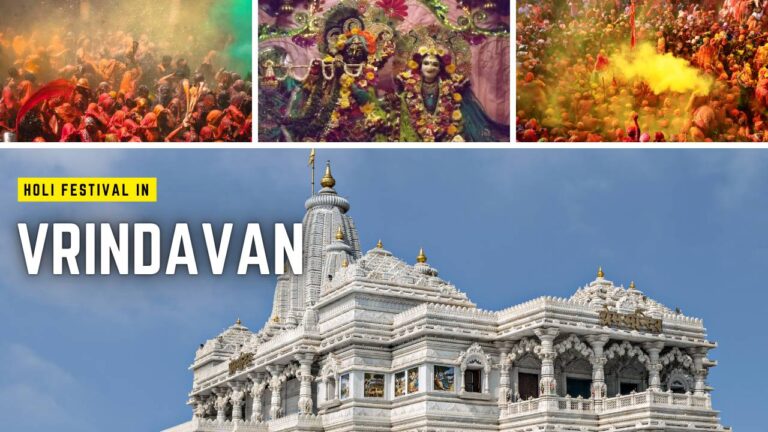
Holi Festival in Vrindavan is one of the most vibrant and unforgettable experiences for travelers from around the…

Each year on May 5th, people across the United States and parts of Mexico join in vibrant celebrations known as Cinco de Mayo. With colorful decorations, traditional food, mariachi music, and festive parades, it’s a day full of culture, pride, and community. But what does Cinco de Mayo actually mean? Why is it celebrated? And how do people honor this day in different countries?
Let’s explore the meaning, history, traditions, and cultural significance of Cinco de Mayo—and why it’s much more than just a party.
Cinco de Mayo simply means “Fifth of May” in Spanish. But it’s not Mexico’s Independence Day, as many believe. Instead, it marks the Mexican army’s unexpected victory over French forces at the Battle of Puebla on May 5, 1862.
It’s a symbol of resistance, unity, and pride, especially for the people of Puebla, where the battle took place. Over time, it also became a way to celebrate Mexican heritage and culture, especially in the United States.
Let’s go back to the 1860s. After years of internal conflict and war, Mexico was in debt to several countries, including France. Napoleon III of France saw this as an opportunity to expand his empire in Latin America.
On May 5, 1862, a small, ill-equipped Mexican army of about 2,000 men led by General Ignacio Zaragoza defended the town of Puebla against around 6,000 well-armed French soldiers. Against all odds, Mexico won.
Though it wasn’t a major strategic victory in the overall war, it was a huge moral boost for the Mexican people. It represented the spirit of resistance and national unity.
In Mexico, particularly in the state of Puebla, Cinco de Mayo is celebrated with:
However, it’s not a national holiday in Mexico and is often a regular working day in many parts of the country.
In the United States, Cinco de Mayo has grown into a major cultural event, especially in areas with large Mexican-American populations. It’s a time to honor Mexican culture, identity, and contributions to American society.
While the U.S. celebrations can sometimes lean more commercial, there’s a growing movement to honor the cultural roots and history of the day respectfully.
Food is a huge part of Cinco de Mayo. Whether you’re in Mexico or the U.S., you’re likely to see tables filled with delicious Mexican dishes like:
While some foods are modern or Americanized, the heart of the cuisine still reflects traditional Mexican flavors and family recipes.
Whether you’re hosting a party or decorating your classroom, Cinco de Mayo is known for its colorful and cheerful visuals. Popular decorations include:
Cinco de Mayo clipart is commonly used in schools, blogs, social media, and event posters. These include images of tacos, maracas, sombreros, and dancing skeletons (inspired by Mexican folk art).


Cinco de Mayo is full of surprises beyond the food and festivities! While many people associate it with Mexico’s independence, there’s much more to the story. These fun facts will help clear up common myths and give you a better look at how the holiday is celebrated and how it has evolved over time—especially in the United States.
In today’s world, where inclusion and cultural respect matter more than ever, celebrating Cinco de Mayo with awareness and appreciation is a meaningful way to bring people together.
Cinco de Mayo is more than just food and fun—it’s a reminder of:
| Question | Answer |
|---|---|
| What is Cinco de Mayo? | A celebration of Mexico’s victory at the Battle of Puebla on May 5, 1862. |
| Why is Cinco de Mayo celebrated? | To honor Mexican resistance and to celebrate Mexican culture, especially in the U.S. |
| Is Cinco de Mayo Mexico’s Independence Day? | No, that’s September 16. |
| Where is Cinco de Mayo most celebrated? | Puebla, Mexico and across the United States. |
| What are popular Cinco de Mayo foods? | Tacos, tamales, guacamole, churros, enchiladas. |
| What does Cinco de Mayo mean? | It means “Fifth of May” in Spanish. |
Whether you’re enjoying a taco, learning about history, or dancing to mariachi music, Cinco de Mayo is a day to embrace culture, pride, and unity. So spread the joy, share the knowledge, and celebrate with respect.
Holi Festival in Vrindavan is one of the most vibrant and unforgettable experiences for travelers from around the…
December in the United States is a time of magic, celebration, and adventure. From dazzling Christmas lights and…
If you are a fan of The Vampire Diaries or simply love exploring iconic filming locations, the Mystic…