

Travel Guide for Holi Festival in Vrindavan for USA Traveler
Holi Festival in Vrindavan is one of the most vibrant and unforgettable experiences for travelers from around the…
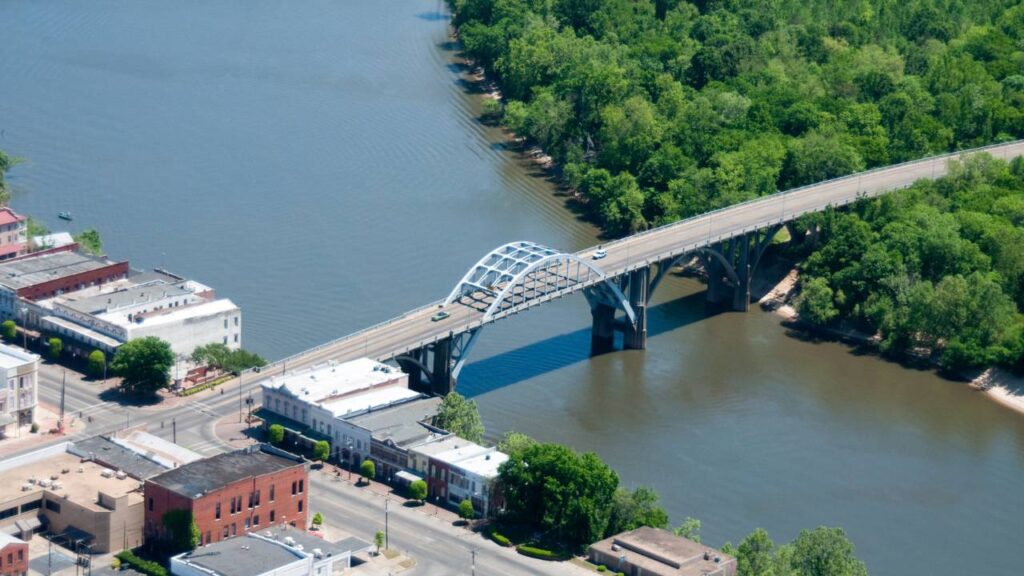
Edmund Pettus Bridge in Selma, Alabama, is one of the most iconic and emotionally charged landmarks in the United States. Known globally for its central role in the Civil Rights Movement, it stands as a solemn monument to courage, equality, and the ongoing fight for justice. A visit here is more than just sightseeing—it’s a historical journey, an educational experience, and a personal moment of reflection.
If planning a meaningful trip through America’s historical heartland, don’t miss the chance to walk across this legendary bridge—stand where history was made and let its legacy inspire your journey.
To help you prepare for your trip, here are some USA travel visa tips every international visitor should know
On March 7, 1965, the Edmund Pettus Bridge became the focal point of a brutal and historic confrontation between civil rights activists and law enforcement. That day, around 600 peaceful demonstrators began a march from Selma to Montgomery to demand African American voting rights. As they reached the crest of the bridge, they were met by a line of Alabama state troopers and local police, who ordered them to disperse.
When the protesters refused to retreat, law enforcement attacked them with tear gas, whips, and clubs in an event now remembered as “Bloody Sunday.” The violent crackdown was broadcast on national television, sparking outrage across the country and drawing attention to the suppression of Black voters in the South. This national reckoning helped push Congress to pass the Voting Rights Act of 1965, a major victory for civil rights.
Today, walking across the Edmund Pettus Bridge is an emotional experience. It represents not only the struggle of those who marched that day but also the ongoing journey toward social justice. The structure itself, with its distinct steel arches, remains largely unchanged—preserving the historical atmosphere that allows visitors to reflect and connect deeply with the past.
Reaching the Edmund Pettus Bridge is relatively convenient. It is located on U.S. Highway 80 in downtown Selma, Alabama, easily accessible by car. If you’re coming from outside the region, the nearest major airport is Montgomery Regional Airport (MGM), which is about 50 miles (approximately 1 hour) east of Selma. Car rentals and taxis are available at the airport for easy transit to Selma.
Once in Selma, the bridge is clearly signposted and situated at the edge of downtown, where Broad Street meets the Alabama River. There’s ample free public parking nearby, especially near the Selma Interpretive Center, which is within walking distance of the bridge. There are no entrance fees or permits required to walk across the bridge.
Although you can visit on your own, many visitors opt for guided tours available through local museums or civil rights organizations. These tours provide in-depth storytelling, context, and sometimes personal accounts from people who lived through the events of the 1960s.
Your first stop should be the Selma Interpretive Center, which acts as the official visitor center for the Edmund Pettus Bridge. Operated by the National Park Service, this center is a must-visit for anyone who wants to understand the full depth of what occurred on the bridge.
Inside, you’ll find compelling exhibits that include photographs, personal narratives, timelines, and original documents from the Civil Rights era. Interactive displays help visitors grasp the significance of the Selma marches and how they changed the trajectory of American democracy. Knowledgeable park rangers are often available to answer questions and provide more historical background, especially for school groups or tour parties.
While the visitor center has designated hours, the Edmund Pettus Bridge itself is open 24/7 to pedestrians. There are no gates or restrictions preventing access to the bridge at any time, which allows visitors the freedom to walk across it day or night.
For the most enjoyable and meaningful experience, it’s best to visit during daylight hours. Early mornings offer a peaceful atmosphere with fewer people, perfect for quiet reflection or photography. Late afternoons, especially during golden hour, provide ideal lighting to photograph the bridge’s graceful arches and the Alabama River below.
Since the bridge is still used by vehicles, it’s important to stay within the designated pedestrian walkway while crossing. Although there’s minimal traffic, safety is always a priority. Streetlights make the bridge walkable at night, but daytime visits are highly recommended for first-time visitors.
Though you can visit the bridge any time of year, certain months and dates provide a more powerful and pleasant experience. Consider the following recommendations to get the most out of your visit:
The most historically significant and emotionally resonant time to visit is during the Bridge Crossing Jubilee, held annually around the anniversary of Bloody Sunday in early March. This multi-day event draws thousands of people, including civil rights leaders, activists, politicians, and international visitors. Activities include reenactments, educational workshops, parades, music, and prayer services. The energy and emotion during this time are unforgettable.
If you prefer mild weather and beautiful scenery, visit during spring (March to May) or fall (September to November). These seasons bring comfortable temperatures, blooming trees, and ideal walking conditions—perfect for exploring Selma on foot.
For a quieter experience, consider visiting during weekday mornings. Weekends can bring tour buses and school groups, particularly during March and summer months. Weekday visits allow for deeper reflection and unhurried time at both the bridge and museums.
There is much more to explore around the Edmund Pettus Bridge. The surrounding area is rich with history, offering many important landmarks that contribute to a deeper understanding of Selma’s legacy.
Located at the foot of the bridge on the Selma side, this museum features exhibits on key activists, the Selma to Montgomery marches, and personal testimonies. It delves into voter suppression and showcases powerful documentation of the movement. The museum is open Monday through Saturday, and guided tours are available.
Just a few blocks from the bridge, Brown Chapel AME Church served as the organizing center for the Selma marches. Dr. Martin Luther King Jr. and other leaders gathered here. Today, it’s still an active place of worship and a powerful symbol of spiritual strength during the movement. Visitors are welcome to view the exterior or attend Sunday services with permission.
This center, already mentioned as the official visitor hub, includes a bookstore, educational exhibits, and access to rangers who can guide your experience. It’s the perfect place to start or end your tour.
A short drive from the bridge, this museum is housed in a historic train depot and provides broader historical context. You’ll find Civil War memorabilia, Native American artifacts, and exhibits on Selma’s role in regional history beyond the Civil Rights era.
While not directly tied to the Civil Rights Movement, this cemetery offers a reflective look at the contrasting figures in Selma’s history, including the grave of Edmund Pettus himself—a Confederate general and U.S. Senator. The juxtaposition of his name on the bridge and the heroic acts that occurred there tells a complex story about change and justice in America.
FAQs
The Edmund Pettus Bridge is a historic landmark in Selma, Alabama, that became world-famous for the Bloody Sunday incident on March 7, 1965. On that day, peaceful civil rights marchers were brutally attacked by law enforcement while attempting to cross the bridge to advocate for voting rights. The images of the violence helped mobilize national support for the Voting Rights Act of 1965.
Edmund Winston Pettus was a Confederate general, U.S. Senator from Alabama, and a member of the Ku Klux Klan. The bridge, ironically, bears his name despite becoming a symbol of the struggle for civil rights and racial justice. Many have since called for the bridge to be renamed in honor of civil rights heroes.
Yes, the Edmund Pettus Bridge is open 24/7 to pedestrians. There is a sidewalk on both sides, and visitors are encouraged to walk across and reflect on the historic events that took place there. It’s a free and public site.
On March 7, 1965, approximately 600 peaceful demonstrators were attacked by Alabama state troopers and sheriff’s deputies as they attempted to march from Selma to Montgomery. The attack was violent and televised, shocking the nation and fueling the civil rights movement.
The bridge is located in downtown Selma, Alabama, spanning the Alabama River on U.S. Highway 80. The address of the nearby Selma Interpretive Center (visitor center) is 2 Broad Street, Selma, AL 36701.
The Selma Interpretive Center, operated by the National Park Service, is open Tuesday to Saturday from 9:00 AM to 4:30 PM, and it’s closed on Sundays, Mondays, and federal holidays. It features exhibits, artifacts, and historical documentation of the Selma voting rights movement.
The best time to visit is in early March, during the Bridge Crossing Jubilee, which commemorates Bloody Sunday with events and reenactments. Weather-wise, spring and fall offer the most comfortable conditions for walking and sightseeing.
Yes, guided tours are available through the Selma Interpretive Center and several local organizations. These tours often include visits to other historical sites like Brown Chapel AME Church, the Voting Rights Museum, and Live Oak Cemetery for a fuller experience.
Notable nearby attractions include:
Yes, the bridge and nearby visitor centers are accessible to visitors with disabilities. The Selma Interpretive Center offers ramps and accessible restrooms, while the bridge’s sidewalks are suitable for wheelchairs and mobility aids. However, it’s recommended to visit during the day for better visibility and safety.
Holi Festival in Vrindavan is one of the most vibrant and unforgettable experiences for travelers from around the…
December in the United States is a time of magic, celebration, and adventure. From dazzling Christmas lights and…
If you are a fan of The Vampire Diaries or simply love exploring iconic filming locations, the Mystic…
1 comment