
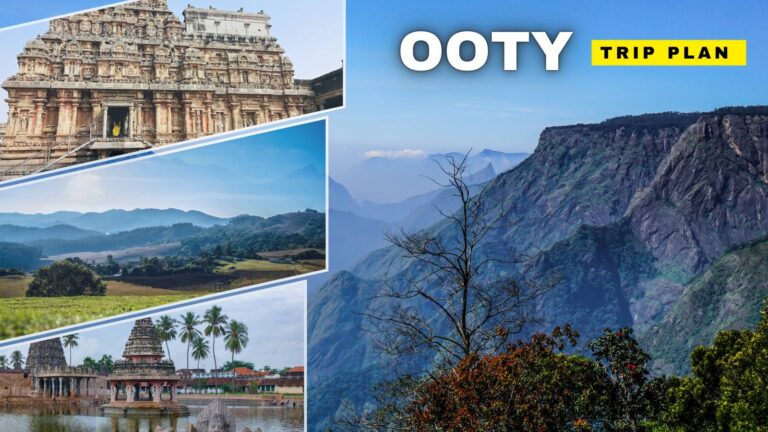
Ooty Trip Plan for 2 Days: Attractions, Entry Fees, Timings & Travel Tips
Ooty, officially known as Udhagamandalam, a refreshing hill-station escape in South India, located in the Nilgiri Hills of…

Ooty, officially known as Udhagamandalam, is a renowned hill station located in the Nilgiri Hills of Tamil Nadu. Famous for its cool climate, sprawling tea plantations, vibrant botanical gardens, serene lakes, and colonial-era architecture, Ooty attracts travelers seeking both relaxation and adventure. With so many attractions, planning a short trip can be challenging.
Ooty 2 Days Itinerary: Step-by-Step Guide & Tour Package
This Ooty 3 Days Itinerary provides a detailed day-wise guide covering the major sightseeing spots, activities, and practical travel tips, along with estimated costs, to help you make the most of your visit while experiencing the natural beauty and cultural charm of this picturesque hill station.
Begin your trip with the Government Botanical Garden, one of Ooty’s oldest and most cherished attractions. Established in 1847, it spans over 22 acres and features several themed sections, including an Italian-style garden, a Japanese garden, and a section for rare medicinal plants.
Ooty Travel Guide: Best Time to Visit, Top Attractions & Tips
The garden is home to over 650 species of plants, including exotic orchids, towering eucalyptus trees, and colorful seasonal flowers. Take your time strolling along the neatly laid pathways and enjoy the tranquil environment that offers a refreshing start to your day.
After exploring the botanical garden, visit the nearby Rose Garden, spread over 10 acres and home to more than 20,000 rose varieties. Each terrace of the garden showcases roses of different shapes, sizes, and colors, creating a vibrant and aromatic experience.
This is an ideal place for photography, nature walks, or simply relaxing amidst the blooms. Visiting both gardens in the morning allows you to experience Ooty’s natural beauty and historical charm without rushing.
After the morning excursion, head to Doddabetta Peak, which is the highest point in the Nilgiris at 2,637 meters above sea level. The peak offers panoramic views of the surrounding hills, valleys, and forests, making it a paradise for nature lovers and photographers.
There are short hiking trails around the peak, suitable for both beginners and experienced trekkers. The Doddabetta telescope house allows visitors to view distant mountains and valleys more closely, adding to the sightseeing experience.
Next, visit a local tea factory to learn about Nilgiri tea, one of the most aromatic and flavorful teas in the world. You can witness every step of the tea-making process, from plucking leaves in the tea gardens to processing, drying, and packaging.
Many factories also offer tasting sessions, giving you a chance to enjoy fresh, high-quality tea. This experience provides insight into the local economy and the importance of tea cultivation in Ooty.
After lunch, spend some relaxing hours at Ooty Lake, an artificial lake created in the 19th century. The lake is surrounded by eucalyptus and pine trees, making it a scenic spot for boating, paddle boating, or simply enjoying the calm waters.
Families can enjoy horse riding around the lake, while photographers can capture the scenic reflections on the water, especially during the evening when the sun casts a golden hue.
Adjacent to the lake is the Thread Garden, a unique attraction where local artisans create life-like flowers, plants, and even miniature landscapes entirely from threads. The intricate craftsmanship is fascinating and offers a rare glimpse into the traditional arts of Ooty.
The garden also provides educational insights into thread embroidery techniques and creative artistry, making it enjoyable for both adults and children.
Conclude your first day by exploring Ooty’s vibrant culinary scene. Enjoy South Indian delicacies such as dosa, idli, and vada, along with local specialties like homemade chocolates, freshly baked pastries, and aromatic Nilgiri coffee.
After dinner, visit the local markets to shop for souvenirs. You can find Toda tribal jewelry, handcrafted wooden items, aromatic teas, and colorful woolens. Walking through the bustling markets in the evening is not just about shopping—it’s also a cultural experience where you can interact with local artisans and understand Ooty’s heritage.
On the second day, take a scenic drive to Coonoor, about 20 km from Ooty. Coonoor is famous for its sprawling tea estates, pleasant weather, and peaceful environment. Start your visit at Sim’s Park, a beautiful botanical garden designed in the English style, with well-laid pathways, exotic plants, and flowerbeds that change with the seasons. The park also features rare plant species and tall shade trees, making it perfect for a morning walk.
For a more unique experience, ride the Nilgiri Mountain Railway from Ooty to Coonoor. The narrow-gauge train passes through lush tea plantations, tunnels, and bridges, offering panoramic views and a nostalgic journey reminiscent of the British colonial era. The train ride is not only a scenic delight but also a UNESCO World Heritage experience, attracting travelers from all over the world.
After exploring Coonoor, continue your trip to Pykara, approximately 40 minutes away. Pykara Lake is surrounded by thick forests and offers serene boating opportunities. The calm waters, combined with the cool mountain air, create a perfect environment for relaxation.
Nearby, the Pykara Waterfalls add to the charm with their cascading waters and lush greenery. This spot is ideal for photography, picnics, and short treks along the forested trails. The area is less crowded compared to central Ooty, making it a peaceful escape from the hustle and bustle of tourist hotspots.
Before heading back to Ooty, explore Coonoor’s local markets. The markets feature aromatic oils, handmade chocolates, and unique handicrafts that reflect the region’s culture. Return to Ooty in the evening, where you can relax at your hotel, enjoy a warm dinner, and prepare for the adventurous final day of your trip.
On the third day, take a drive to Mudumalai National Park, located around 50 km from Ooty. This wildlife sanctuary is part of the Nilgiri Biosphere Reserve and is home to tigers, elephants, leopards, deer, and over 250 species of birds.
Early morning safaris are ideal for spotting wildlife as animals are most active during these hours. The guided safari provides insights into the flora, fauna, and conservation efforts in the park, making it both educational and thrilling.
After the safari, explore the forest trails on foot. Mudumalai is rich in biodiversity, offering opportunities for bird watching and photography. Some trails lead to scenic viewpoints where you can admire the rolling hills and valleys. This is also an excellent time to observe rare plant species and understand the ecological significance of the Nilgiri forests.
Return to Ooty by late afternoon or evening. Depending on your departure schedule, you can explore local markets for last-minute shopping or enjoy a calm walk through the town. Conclude your trip with a final meal at one of Ooty’s charming cafes, reflecting on the scenic beauty, wildlife, and cultural experiences you’ve enjoyed over the three days.
Budget travelers can opt for affordable hotels or guesthouses, shared cabs, and local eateries. This cost range covers 2 nights’ accommodation, transport, and meals, making it suitable for backpackers and solo travelers.
Mid-range travelers can enjoy stays in comfortable hotels, hire private cabs, and dine in good restaurants. Sightseeing activities, including Doddabetta Peak, Ooty Lake, and tea factory tours, are included in this budget.
Luxury travelers can choose premium stays with private cabs and guided tours. Activities include the Nilgiri Mountain Railway ride, Coonoor sightseeing, Pykara Lake visit, and Mudumalai safari. Meals, accommodations, and transport are curated for a hassle-free and comfortable experience.
Following this Ooty 3 Days Itinerary, you will be able to explore the best of Ooty, enjoy diverse experiences, and create memories that last a lifetime.
FAQs
The ideal time to visit Ooty is between April to June and September to December. During these months, the weather is pleasant, the hills are lush and green, and sightseeing is more enjoyable. The monsoon season (July–August) can be rainy, while winters (January–February) can be quite chilly, especially at night.
Ooty is well-connected by road and rail. From Bangalore, it’s around 270 km and can be reached by private cab or bus in 6–7 hours. From Chennai, it’s approximately 530 km and takes about 10–11 hours by road. The Nilgiri Mountain Railway (Toy Train) from Mettupalayam to Ooty offers a scenic journey through tea plantations and hills, adding a memorable experience to your trip.
For a 3-day trip, the key attractions include:
A balanced 3-day plan ensures minimal travel fatigue:
Budget depends on travel style:
Yes, Ooty is family-friendly. Attractions like Ooty Lake, Rose Garden, Thread Garden, and Mudumalai safari are suitable for children. Boating, short treks, and toy train rides are enjoyable for kids, making it a perfect destination for a family vacation.
Ooty offers a wide range of accommodations to suit all budgets:
Yes, hiring a private cab is convenient for covering multiple attractions efficiently, especially for families or groups. Public transport and buses are available but may take longer and limit flexibility. The Nilgiri Mountain Railway is a scenic alternative for specific routes like Ooty to Coonoor.
Ooty is famous for its homemade chocolates, Nilgiri tea, aromatic coffees, and bakery items like pastries and buns. Don’t miss traditional South Indian meals, and try Toda tribal specialties if visiting local villages. Local markets and cafes offer a good variety of fresh and authentic flavors.
Ooty, officially known as Udhagamandalam, a refreshing hill-station escape in South India, located in the Nilgiri Hills of…
Located in the Nilgiri hills, Ooty, famously known as the “Queen of Nilgiris,” is more than just a…
Ooty, often called the “Queen of Hill Stations,” is a perfect blend of scenic beauty, cool weather, and…


1 comment