
How to Book Private Island for Maldives Vacations
Booking a Maldives private island vacation is more than just choosing a place to stay—it’s about crafting a…
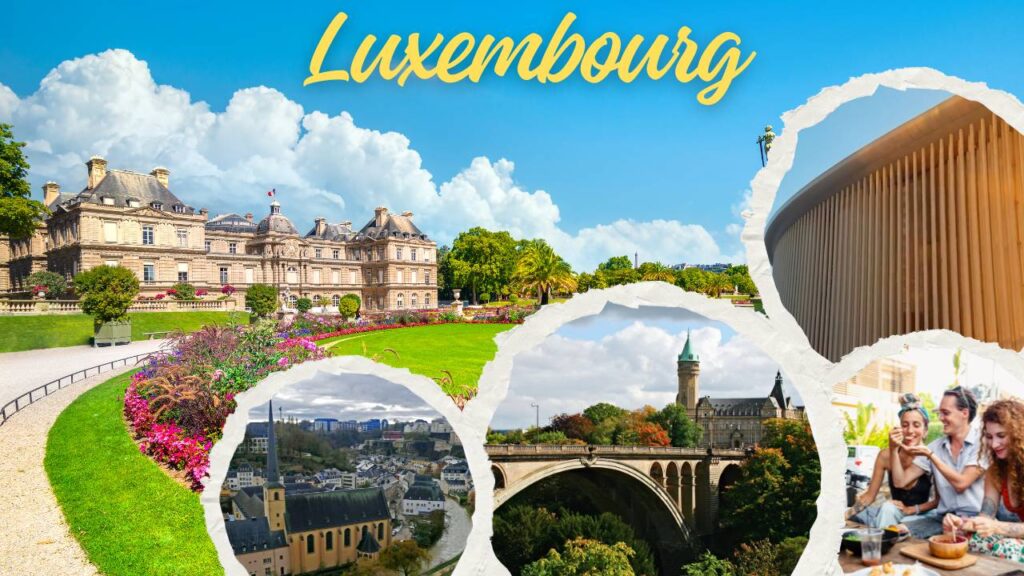
Find best of Luxembourg City – including 11 hand-picked hotspots and must-do activities that reveal the true spirit of this beautiful capital.
Luxembourg, a charming blend of old-world beauty and modern sophistication, is a destination that often surprises travelers with its rich culture, historical architecture, and breathtaking landscapes. Despite being one of Europe’s smallest countries, Luxembourg is packed with authentic experiences, from fortified castles and panoramic viewpoints to vibrant art scenes and gourmet delights.
Luxembourg sits proudly at the crossroads of Belgium, France, and Germany. This landlocked nation packs a powerful punch with its rich history, stunning landscapes, and global influence. Its capital, Luxembourg City, stands out for its dramatic geography—perched on towering cliffs and cut by deep gorges, the city blends old-world charm with sleek, modern architecture. The contrast between the historic Old Town and the vibrant business districts highlights Luxembourg’s unique character.
As one of the world’s wealthiest countries, Luxembourg leads in finance and politics, but it doesn’t stop there. The country celebrates its cultural diversity with passion. Locals speak Luxembourgish, French, and German fluently, while a large expatriate population adds even more global flair. Wander through medieval castles, contemporary art galleries, or relax in cozy cafés serving international cuisine—Luxembourg invites you to experience it all.
UNESCO-listed sites, lush forests, and centuries-old traditions anchor the nation’s identity. Whether the countryside or navigating the cobblestone streets of the city, Luxembourg captures your attention with every step.
Traveling to Luxembourg is simple and seamless, thanks to its efficient and well-integrated transportation network. Flying in from another country or arriving by train from nearby cities, Luxembourg makes it easy to reach its charming capital and beyond.
Luxembourg Findel Airport (LUX) welcomes international travelers just 6 kilometers northeast of Luxembourg City. As the country’s only international airport, Findel handles a steady flow of flights from major European hubs. Airlines like Luxair, Lufthansa, KLM, British Airways, and easyJet operate frequent connections to and from cities such as London, Paris, Amsterdam, Frankfurt, and Milan.
Upon arrival, reaching the city center takes less than 20 minutes by taxi or bus. Public buses, including lines 16 and 29, run regularly from the airport to central locations. Since public transport in Luxembourg is entirely free, you can ride without worrying about tickets or costs.
If you’re traveling from nearby countries like France, Germany, or Belgium, the train offers a scenic and convenient route into Luxembourg. High-speed and regional rail services connect Luxembourg City to key European cities:
All trains arrive at Luxembourg Central Station, located just south of the city center. From there, you can easily walk or hop on a tram or bus to visit the rest of the capital.
One of Luxembourg’s most traveler-friendly features is its nationwide free public transport system. Since March 2020, buses, trams, and trains have been completely free for residents and visitors alike. You can hop on any mode of public transit without a ticket, whether you’re commuting across town or heading into the countryside.
Trams glide through the city’s modern business district, buses reach even the most remote villages, and trains connect all corners of the country with speed and ease. This unique initiative makes Luxembourg not only accessible, but also incredibly budget-friendly.
Luxembourg City welcomes travelers with a wide variety of accommodations, from luxurious five-star hotels to charming guesthouses and budget-friendly stays. Each district of the city offers a unique atmosphere, so where you choose to stay can shape your entire experience. Drawn to medieval history, modern culture, or riverside charm, Luxembourg City has the perfect place for you to call home during your visit.
If want to soak up the rich heritage of Luxembourg, Ville Haute (Upper Town) places you right at the heart of it all. This historic center sits atop dramatic cliffs and showcases medieval streets, lively squares, and architectural landmarks. When you stay here, you step directly into the city’s soul.
Boutique hotels such as Hotel Le Place d’Armes or Hotel Simoncini blend artistic flair with classic elegance, offering stylish rooms just steps from sites like the Grand Ducal Palace, Notre-Dame Cathedral, and Place Guillaume II. For those seeking luxury, Hotel Parc Beaux-Arts offers an upscale experience in a building that reflects the charm of Old Europe.
In Ville Haute, you’re surrounded by museums, restaurants, and quaint cafés, making it ideal for travelers who want to walk out of their hotel and right into history.
For a quieter and more romantic escape, the Grund district provides a fairy-tale setting at the bottom of the Alzette River gorge. This area charms visitors with its cobblestone streets, ivy-covered walls, and stunning views of the ancient city ramparts above.
Stay in cozy guesthouses like Hotel Parc Belle-Vue or Auberge Gaglioti, and enjoy peaceful walks along the riverbanks or through the picturesque Chemin de la Corniche, often called “Europe’s most beautiful balcony.” The Grund’s charming vibe, combined with easy access to central Luxembourg via elevator or footbridge, makes it a favorite for couples, artists, and nature-loving travelers.
Traveling for business or want to immerse yourself in contemporary architecture and art, Kirchberg offers a sleek and modern contrast to the Old Town. Located northeast of the city center, Kirchberg is home to major European institutions, financial headquarters, and cultural highlights such as the Philharmonie Luxembourg, the Grand Duke Jean Museum of Modern Art (Mudam), and the European Court of Justice.
International hotel brands like Melia Luxembourg, Novotel Suites, and Mama Shelter offer stylish, comfortable rooms with modern amenities. The district’s clean lines, green parks, and tram connections to the city center make it perfect for business travelers, art enthusiasts, and anyone who enjoys upscale, contemporary surroundings.
Here are curated list of 11 must-visit hotspots and activities that truly showcase the heart and soul of Luxembourg:
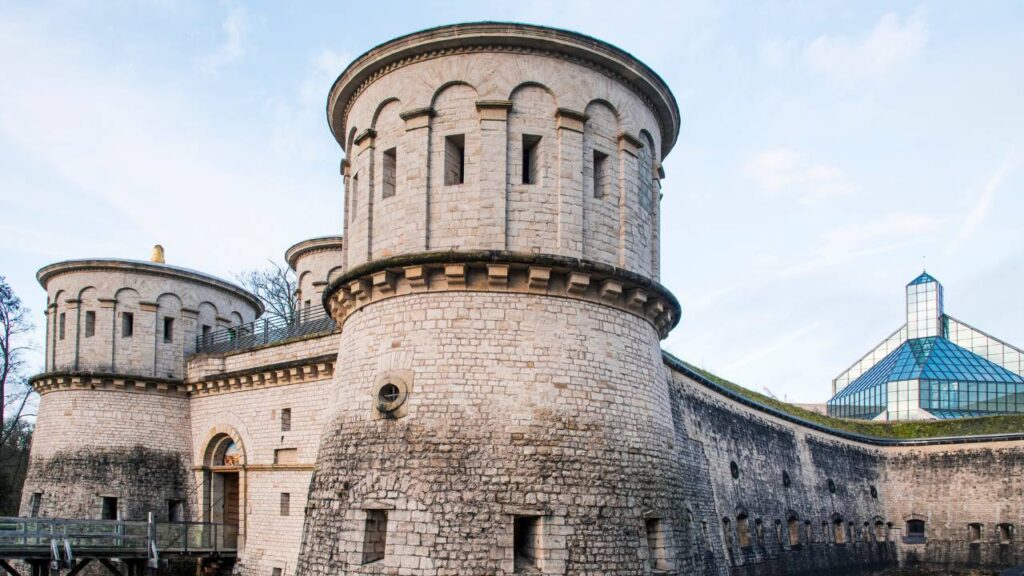
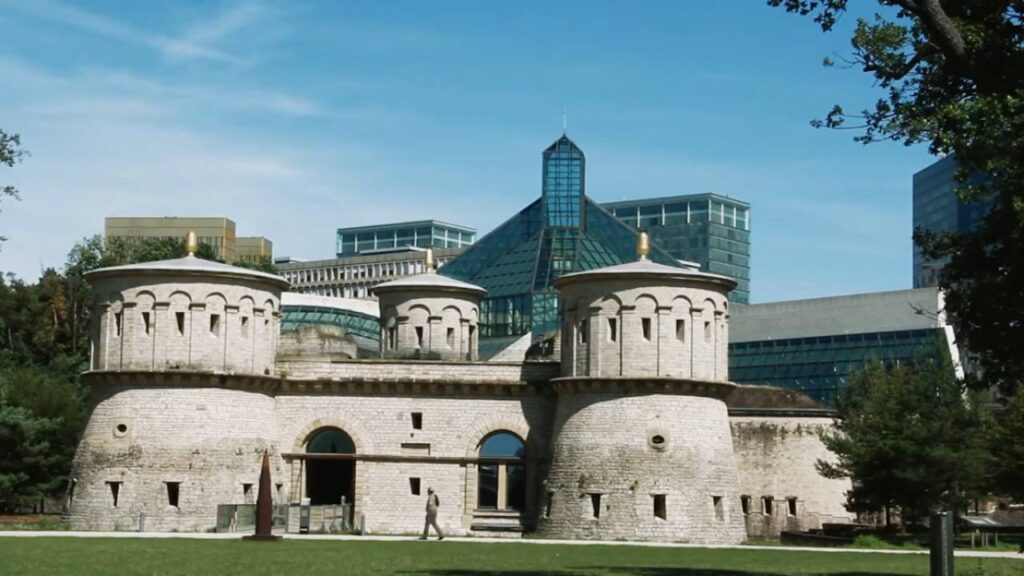
Fort Thüngen, often referred to as the “Three Acorns” due to the distinctive shape of its turrets, is an iconic historical site in Luxembourg. Situated in the scenic Park Drai Echelen, this fortification offers visitors a step back in time to visit Luxembourg’s military past. It was built in the 18th century as part of the city’s defensive system, reflecting Luxembourg’s strategic importance in Europe. Today, the fort stands as a testament to the city’s rich history, with well-preserved ramparts, historic cannons, and panoramic views of the surrounding cit
Known as the “most beautiful balcony of Europe,” Chemin de la Corniche is one of Luxembourg’s most scenic spots. This walking path follows the old city walls, offering spectacular views of the Alzette River, the Grund district, and the city’s ancient fortifications. The path is lined with charming, centuries-old houses, gardens, and benches perfect for taking in the scenery. Whether you’re a history enthusiast or a photography lover, this spot is an absolute must-see.
Located in the vibrant Kirchberg district, the Mudam (Musée d’Art Moderne Grand-Duc Jean) is Luxembourg’s premier modern art museum. Designed by the world-renowned architect I.M. Pei, the museum itself is a work of art. Inside, the museum houses an impressive collection of contemporary works, including paintings, sculptures, and multimedia installations by both local and international artists. Mudam is a perfect destination for art lovers, offering a unique blend of art and architecture in a stunning modern setting.
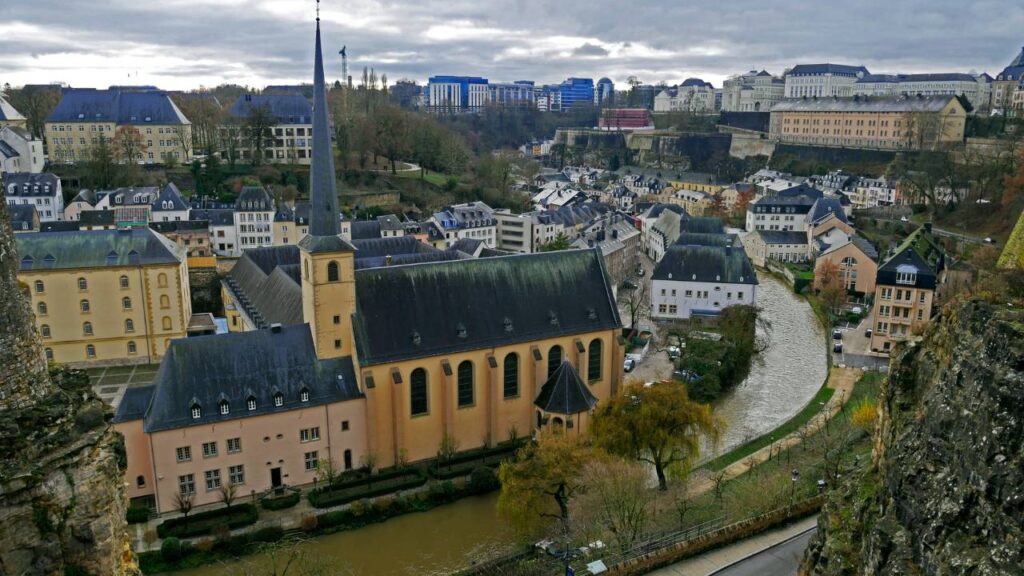
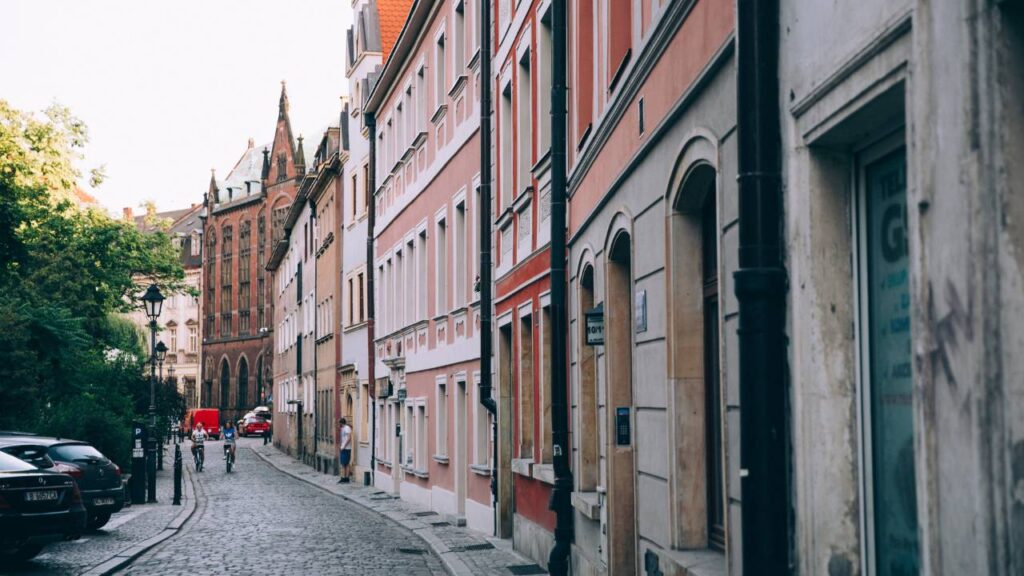
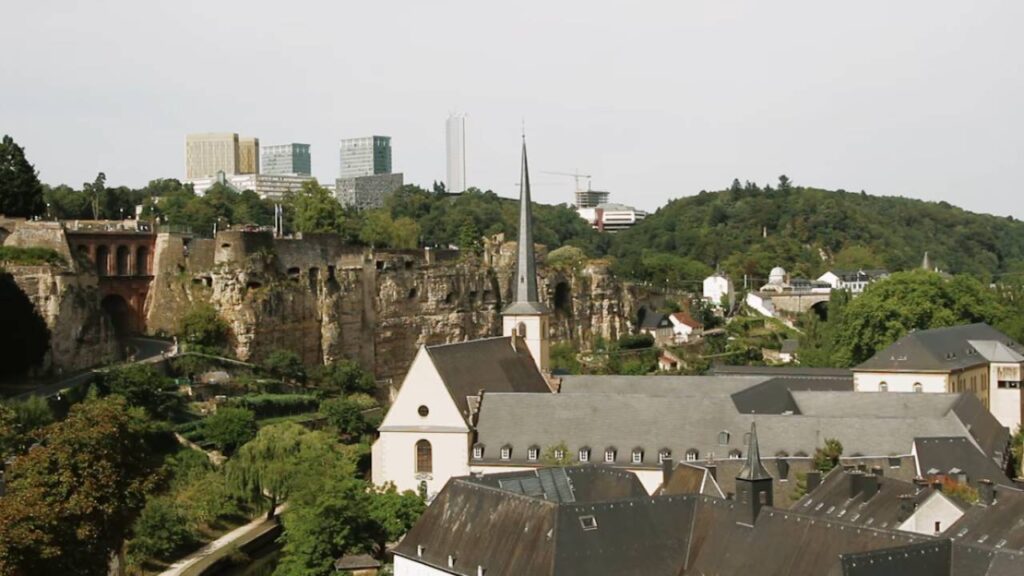
The Grund district is undoubtedly one of the most picturesque neighborhoods in Luxembourg City. Nestled below the cliffs and surrounded by the Alzette River, Grund boasts charming cobblestone streets, pastel-colored houses, and a peaceful ambiance. With its historic architecture, cozy cafés, and riverside walks, this district offers a peaceful retreat from the hustle and bustle of the city. It’s a wonderful place to visit if you enjoy history, architecture, or simply relaxing by the river
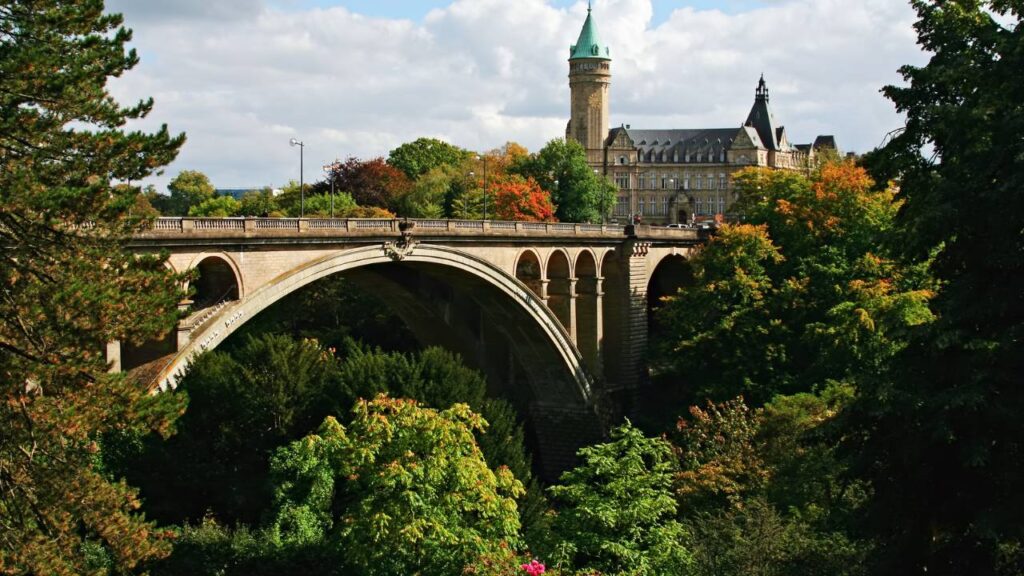
Pont Adolphe, a stone arch bridge built in the early 20th century, is one of Luxembourg City’s most iconic landmarks. Spanning the Pétrusse Valley, it connects the Ville Haute district with the Gare area. This architectural marvel offers spectacular views of the valley below and the city skyline. The bridge also serves as a functional pedestrian and cycle bridge, making it an essential part of the city’s infrastructure while also offering stunning vistas for visitor
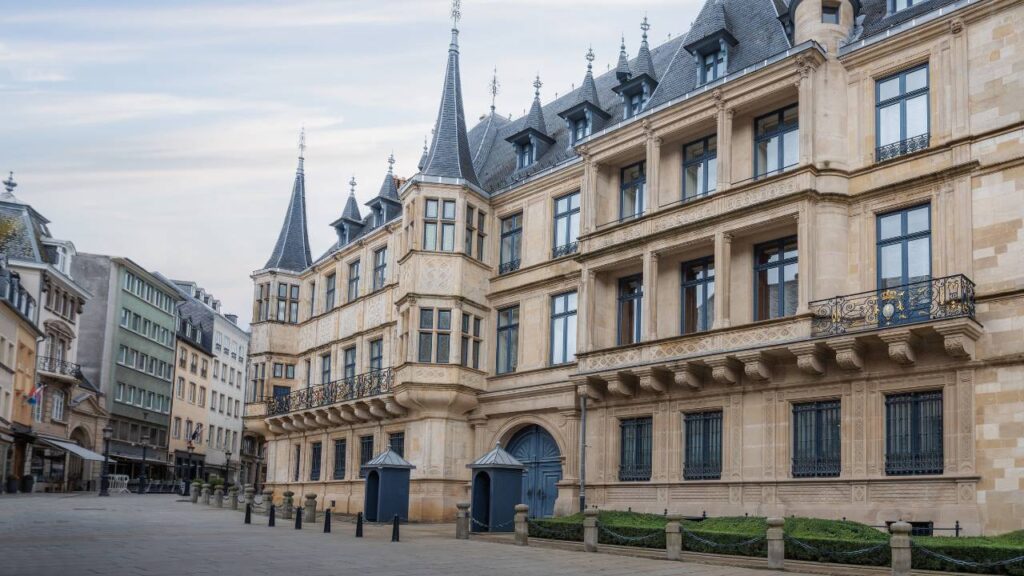
Oberstadt is the historic heart of Luxembourg City, home to many of the city’s most important landmarks. This district includes the Grand Ducal Palace, the Notre-Dame Cathedral, and the Place Guillaume II. Oberstadt is a lively area filled with charming streets, elegant boutiques, and bustling squares. It’s the perfect place to immerse yourself in Luxembourg’s culture, history, and politics.
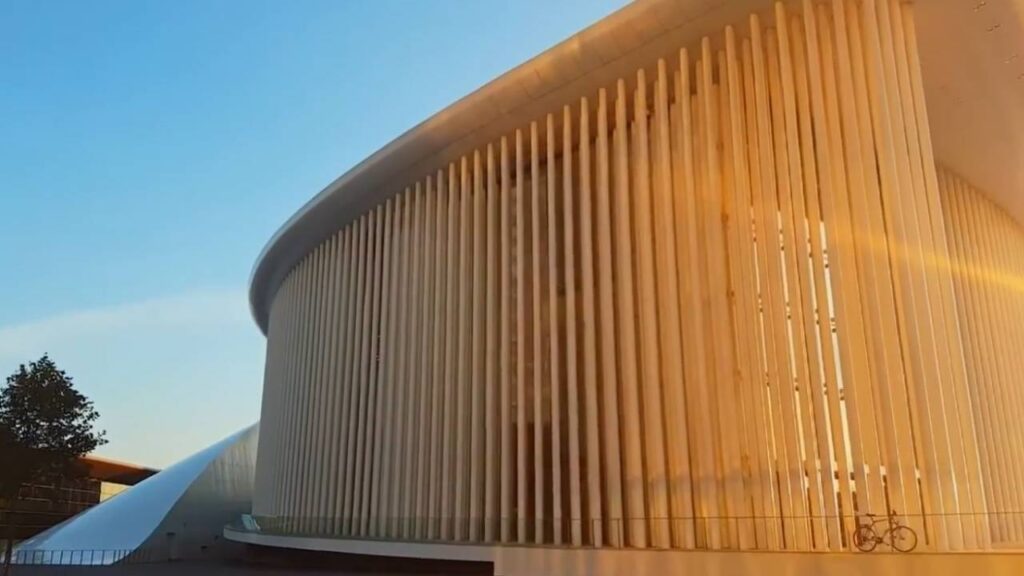
The Philharmonie Luxembourg is a world-class concert hall and a highlight of the city’s cultural landscape. Designed by architect Christian de Portzamparc, the building is a striking piece of modern architecture, with its white columns and sleek design. The venue hosts over 800 performances each year, ranging from classical music and jazz to contemporary and world music. Whether you’re a fan of symphonies or live music performances, the Philharmonie offers an unforgettable auditory and visual experience
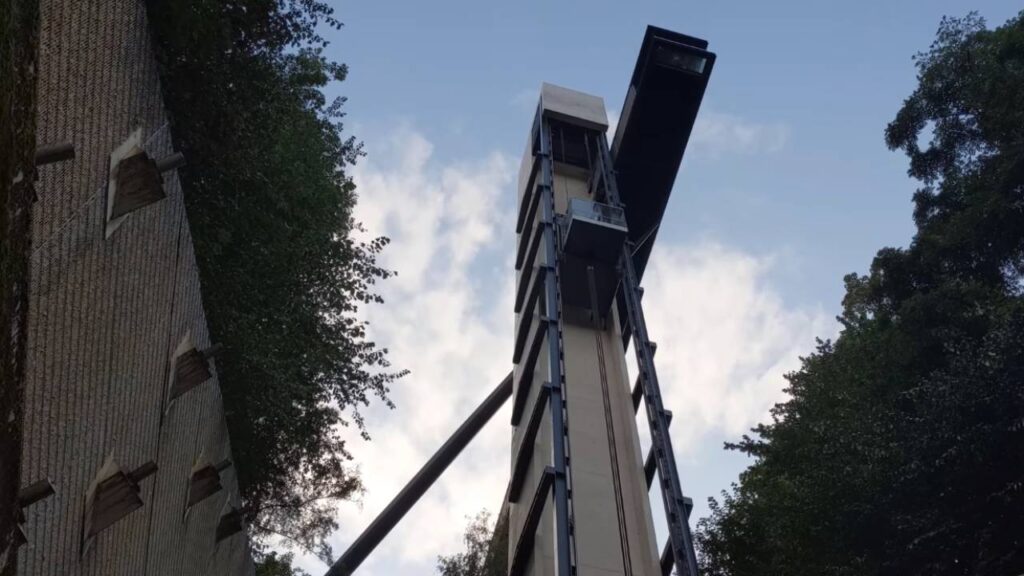
Panoramic Elevator in the Pfaffenthal district is an innovative and unique way to travel between the lower and upper parts of Luxembourg City. At 63 meters high, this glass-walled elevator offers breathtaking views of the cliffs, the city’s rooftops, and the Alzette River. The elevator is free to use, making it an accessible and must-do experience for visitors seeking a bird’s-eye view of the city.
Luxembourg’s Casemates du Bock are a fascinating network of underground tunnels and fortifications that have been carved into the rocks for centuries. The Bock Casemates, one of the city’s most famous historical sites, offer a glimpse into the military history of Luxembourg. During times of war, these tunnels served as shelters for soldiers and horses. Today, they are open to the public, providing a unique experience for history enthusiasts and adventurous.
Luxembourg City has a thriving culinary scene, offering a blend of traditional Luxembourgish fare and modern international cuisine. The city’s diverse food offerings range from fine dining to casual cafés, all serving up delicious meals made from fresh, local ingredients. Whether you’re in the mood for gourmet dishes, trendy fusion cuisine, or creative cocktails, Luxembourg’s foodie scene won’t disappoint.

To make the most of your time in Luxembourg City, consider taking part in a guided sightseeing tour. Whether you prefer a walking tour, bike tour, or hop-on-hop-off bus tour, there are numerous options available to visit the city’s rich history, culture, and landmarks. These tours provide insights into Luxembourg’s history and architecture, and they are a great way to see the city at a relaxed pace.
Santorini, Greece: Best Things To Do & Complete Travel Guide
11 Authentic Hotspots highlighted above are just the beginning of what this charming city has to offer. Each location provides a unique insight into Luxembourg’s rich history, making it an unforgettable destination for anyone interested in European culture, history, and architecture.
FAQs
Luxembourg is a small, landlocked country in Western Europe, bordered by Belgium to the west and north, Germany to the east, and France to the south. Its central location makes it an important hub for European politics, finance, and transportation. Despite its small size, Luxembourg is a founding member of the European Union and hosts several key EU institutions.
Luxembourg is both a country and a city. The country is officially called the Grand Duchy of Luxembourg, and its capital is Luxembourg City. While Luxembourg City is the political, cultural, and financial heart of the country, the country itself is divided into 12 cantons, and it includes beautiful towns, forests, and valleys beyond the capital.
Luxembourg is trilingual. The three official languages are:
Most residents are fluent in all three, and English is widely spoken, especially in business and tourism.
Yes, Luxembourg is considered one of the more expensive destinations in Europe, especially when it comes to accommodation, dining, and transportation. Country offers high-quality services, and many museums and attractions in Luxembourg City are free or low-cost, particularly on certain days or with the Luxembourg Card.
Luxembourg is part of the Schengen Area, so visitors from other Schengen countries do not need a visa.
Luxembourg is renowned for several things:
It is also admired for its multilingual society, lush green landscapes, and high quality of life.
Yes, Luxembourg is considered one of the safest countries in the world. Crime rates are very low, and the police presence is strong and effective. Tourists can visit day or night with confidence. Like any popular destination, it’s still wise to keep an eye on personal belongings in crowded areas.
Best time to visit Luxembourg is from May to September, when the weather is mild and ideal for sightseeing, festivals, and outdoor activities.
Luxembourg is the first country in the world to offer free nationwide public transport for everyone—residents and tourists alike.
Luxembourg uses the Euro (€) as its official currency.
Booking a Maldives private island vacation is more than just choosing a place to stay—it’s about crafting a…
Disneyland remains one of the most sought-after travel destinations, offering attractions such as Main Street, U.S.A., character experiences,…
When we think of air travel, the first word that comes to mind is usually “safety.” Aviation is…

1 comment