

How to Book Private Island for Maldives Vacations
Booking a Maldives private island vacation is more than just choosing a place to stay—it’s about crafting a…

Dubai is a world-renowned travel destination that offers a unique blend of modern skyscrapers, traditional souks, luxury shopping, and thrilling outdoor adventures. Choosing the best time to travel to Dubai can significantly impact your experience, Planning to visit iconic attractions, indulge in retail therapy, or engage in thrilling adventures. This guide provides a detailed month-by-month analysis to help plan your perfect trip.
Dubai is a world-famous travel destination known for its luxurious lifestyle, futuristic skyscrapers, and deep cultural heritage. A trip primarily for sightseeing, choosing the right time to visit can significantly enhance your experience. Best time to visit Dubai is during the cooler months, from November to March, when the temperatures range between 17°C and 30°C (63°F to 86°F). This period offers a pleasant climate, making it ideal for outdoor sightseeing, adventure activities, and cultural exploration.
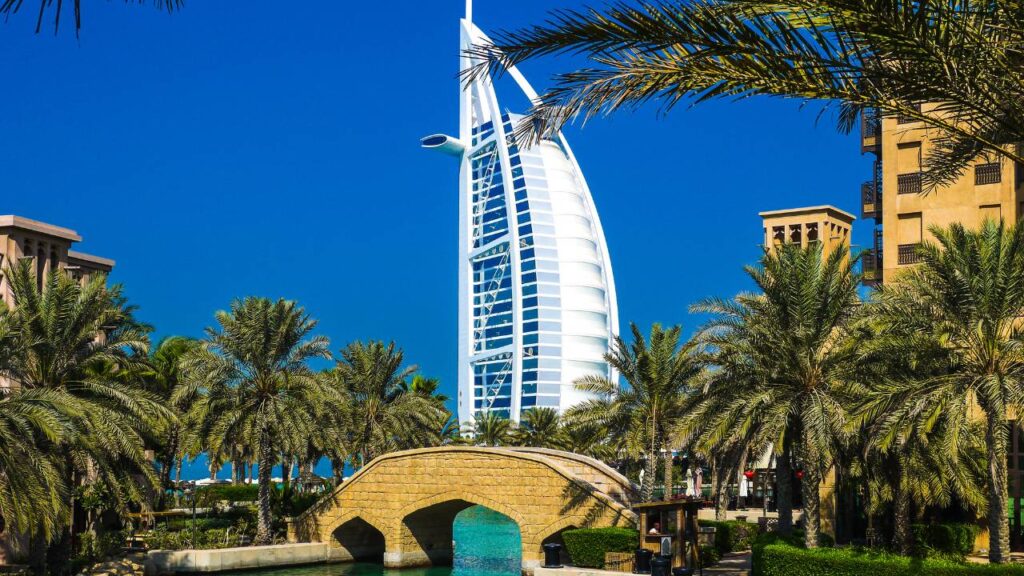
During these months, Dubai transforms into a lively hub of tourists and events, with clear blue skies and refreshing breezes providing the perfect conditions for exploring the city’s world-class attractions. Since this is the peak tourist season, popular destinations can get crowded, and prices for hotels and activities may be higher. Booking flights, accommodations, and attraction tickets in advance can help ensure a smoother and more cost-effective experience.
Dubai is home to some of the most iconic landmarks and architectural marvels in the world. From towering skyscrapers to historic districts, the city offers a perfect blend of modern innovation and cultural charm. Here’s a detailed guide to the must-visit attractions when sightseeing in Dubai:
A visit to Dubai is incomplete without experiencing the Burj Khalifa, the tallest structure on the planet, standing at 828 meters (2,717 feet). Offering breathtaking panoramic views, the observation decks on Level 124 and Level 148 provide a mesmerizing perspective of Dubai’s skyline, desert, and coastline.
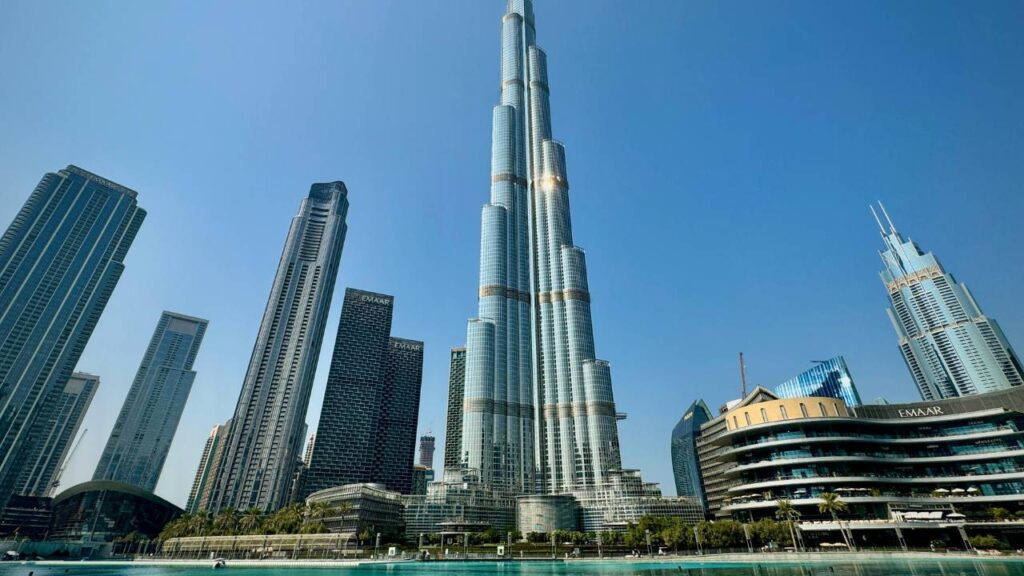
Located at the base of Burj Khalifa in Downtown Dubai, the Dubai Fountain is the largest choreographed fountain system in the world. It features water jets that reach up to 150 meters (490 feet), dancing in perfect harmony with music and colorful lights.
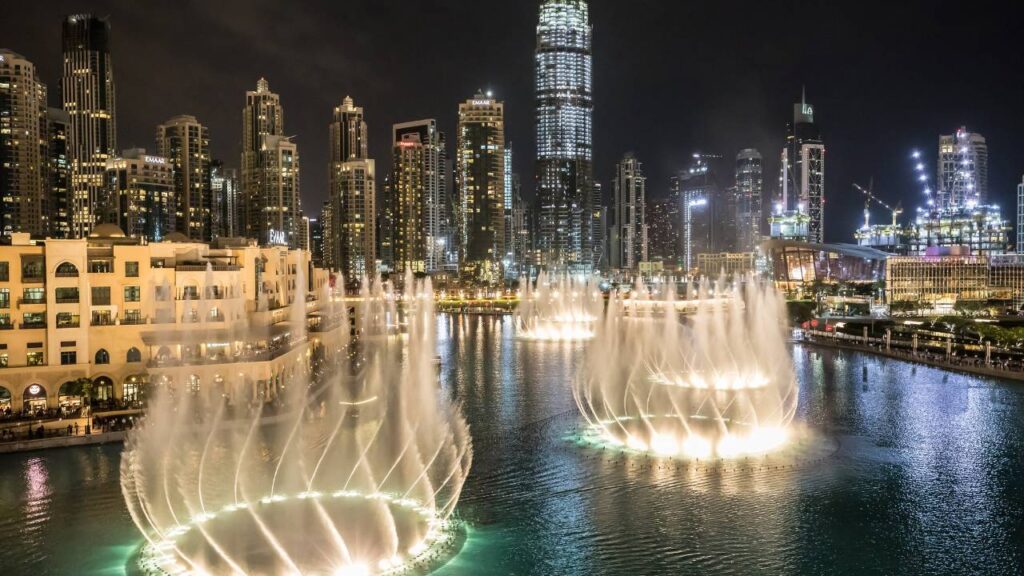
Dubai Marina is a stunning waterfront district, perfect for a relaxing stroll, fine dining, and luxurious yacht experiences. The area is lined with modern skyscrapers, stylish cafes, and high-end restaurants, making it a great place to unwind.
Who love history and culture, Old Dubai offers a glimpse into the city’s traditional past before it became a modern metropolis.
Palm Jumeirah is one of Dubai’s most famous man-made islands, shaped like a palm tree and home to luxury hotels, private beaches, and thrilling attractions.
Dubai is a global shopping destination, offering luxury boutiques, high-end brands, massive shopping malls, and vibrant traditional souks. For designer fashion, high-tech gadgets, gold jewelry, or handcrafted souvenirs, Dubai provides an unparalleled retail experience. If you want to maximize savings and enjoy exclusive shopping deals, the best time to visit is during Dubai’s two biggest shopping festivals—Dubai Shopping Festival (DSF) and Dubai Summer Surprises (DSS).
These shopping festivals bring unbeatable discounts, exclusive product launches, entertainment events, and exciting raffles, making them the perfect time to shop till you drop. Let’s take a closer look at what each festival offers and why they are the ultimate time for shopping in Dubai.
The Dubai Shopping Festival (DSF) is the biggest shopping and entertainment event in the Middle East, attracting millions of visitors worldwide. Taking place from December to January, DSF transforms Dubai into a shopping paradise with massive discounts, glamorous promotions, and thrilling entertainment.
Visiting Dubai in December and January for DSF allows shoppers to take advantage of the biggest discounts while enjoying the pleasant winter weather, outdoor markets, and dazzling citywide festivities.
For those who don’t mind the hot summer temperatures, Dubai Summer Surprises (DSS), held from June to August, offers massive discounts, special promotions, and unique shopping experiences in air-conditioned malls and indoor shopping centers.
Dubai Summer Surprises offers the best shopping deals of the year, making it a perfect time for budget-conscious travelers, families, and those looking for indoor entertainment.
Dubai is a dream destination for adventure seekers, offering an exciting mix of desert thrills, sky-high experiences, and water-based adventures. Want to skydive over the iconic Palm Jumeirah, enjoy golden dunes on a desert safari, or embark on a mountain trek in Hatta, Dubai has it all.
Timing your visit is essential. Best time for outdoor adventures is from October to April, when the weather is cooler and more comfortable, with temperatures ranging between 17°C and 30°C (63°F to 86°F). These months provide clear skies, pleasant breezes, and ideal conditions for adventure sports.
During the summer months from May to September, temperatures soar above 40°C (104°F), making outdoor activities extremely challenging. Many adventure enthusiasts prefer to visit Dubai during winter and early spring to enjoy the city’s adrenaline-pumping experiences without the discomfort of extreme heat.
Now, let’s enjoy Dubai’s top adventure activities and why they are best enjoyed in the cooler months.
Dubai’s desert safari is an exhilarating experience that takes visitors deep into the heart of the Arabian Desert, where they can witness the region’s mesmerizing golden sand dunes. The adventure begins with dune bashing, where expert drivers navigate powerful 4×4 vehicles over towering dunes, creating a thrilling rollercoaster effect that leaves travelers breathless.
Aside from dune bashing, visitors can engage in sandboarding, quad biking, and camel riding, making it a complete desert adventure package. As the sun sets, the desert transforms into a magical landscape, perfect for capturing stunning photographs. The experience concludes with a traditional Bedouin-style camp, where guests can enjoy live cultural performances, a lavish BBQ dinner, and stargazing under the vast desert sky.
During October to April, the desert offers cool and comfortable temperatures, allowing visitors to fully enjoy the adventure without the risk of extreme heat. The crisp winter air enhances visibility, making the golden dunes appear more vibrant against the clear blue sky. Additionally, the mild weather makes camel rides and cultural activities far more enjoyable, as guests can sit comfortably under the desert tents without the discomfort of scorching heat.
In contrast, the summer months bring intense heat, with temperatures in the desert reaching 50°C (122°F) during peak hours. The heat not only makes dune bashing physically exhausting but also reduces the visibility of the stunning desert landscapes due to heat haze and dust storms. Moreover, staying outdoors for long periods can lead to heat exhaustion and dehydration, making summer an unfavorable season for desert safaris.
For those who crave an adrenaline-pumping experience, skydiving over Palm Jumeirah offers a once-in-a-lifetime opportunity to free-fall from 13,000 feet while enjoying breathtaking aerial views of Dubai’s skyline. This extreme sport is one of the most popular activities for adventure enthusiasts visiting the city.
Between October and April, Dubai experiences cooler temperatures, clear skies, and stable wind conditions, which are essential for a smooth and safe skydiving experience. The winter season provides optimal visibility, ensuring that divers can fully appreciate the spectacular views of Palm Jumeirah, Burj Khalifa, and the turquoise waters of the Arabian Gulf.
On the other hand, the summer season can be extremely challenging for skydiving, as the hot air creates turbulence, making it harder to maintain stability during the jump. Moreover, the intense heat makes the skydiving gear uncomfortable, leading to fatigue and excessive sweating before even making the jump. For the best skydiving experience, it is always recommended to plan your visit during the cooler months.
If skydiving feels too extreme, but you still want a breathtaking aerial experience, a hot air balloon ride over the Arabian Desert is the perfect alternative. Imagine floating gently at 4,000 feet, watching the sunrise paint the sky with shades of orange and pink, while camels and gazelles roam below. This peaceful yet exhilarating experience allows visitors to witness the beauty of Dubai’s desert from an entirely new perspective.
The cool morning temperatures between October and March create ideal flying conditions, ensuring a stable and smooth balloon ride. Additionally, the clear skies of winter enhance visibility, allowing passengers to enjoy uninterrupted panoramic views of the vast desert landscape.
During summer, high temperatures and unpredictable winds make it difficult to conduct safe flights. The heat can also cause hot air balloons to rise too quickly, making it harder to control altitude adjustments smoothly. Due to these weather-related challenges, most balloon operators suspend flights during the peak summer months, making winter the only viable time for this magical experience.
For nature lovers who prefer mountain adventures, Hatta is the ultimate destination for hiking, trekking, and outdoor exploration. Located in the Hajar Mountains, Hatta is a picturesque retreat away from Dubai’s bustling cityscape, offering rugged trails, freshwater rock pools, and breathtaking viewpoints.
Between October and March, the cool mountain air and refreshing breezes create the perfect conditions for hiking. The winter months also bring occasional rain showers, which revitalize the landscape, making Hatta’s trails greener and more scenic.
Hiking in summer is strongly discouraged, as the mountain heat can be unbearable, with temperatures rising above 40°C (104°F). The lack of shade and water sources along the trails increases the risk of heatstroke and dehydration, making it unsafe for trekking.
Dubai’s stunning coastline provides thrilling water sports for adventure lovers. Activities such as jet skiing, flyboarding, paddleboarding, and snorkeling offer exciting ways to enjoy the Arabian Gulf’s turquoise waters.
The sea temperatures remain pleasant between 22°C and 25°C (72°F to 77°F) during winter, making it ideal for swimming, snorkeling, and diving. The cooler weather ensures a comfortable experience, allowing visitors to spend long hours in the water without feeling exhausted.
In contrast, summer brings extreme humidity and harsh sun exposure, which can make water sports less enjoyable. The hot sea temperatures also reduce underwater visibility, making snorkeling and diving experiences less rewarding.
Dubai, a city known for its iconic skyscrapers, luxurious shopping malls, pristine beaches, and thrilling desert adventures, experiences four distinct seasons that significantly influence the best time to visit. The city’s climate is classified as desert tropical, meaning it remains hot and sunny for most of the year, with only slight variations in temperature and humidity across different seasons.
Understanding Dubai’s seasonal weather patterns is essential for travelers who want to plan their trip wisely and make the most of their visit. Whether you are interested in outdoor exploration, adventure sports, cultural experiences, or luxurious shopping, the time of year you visit can greatly affect your experience.
Let’s take an in-depth look at each season in Dubai, how the weather changes throughout the year, and the best activities to enjoy during each period.
Winter in Dubai is widely regarded as the best season for tourism, thanks to its mild temperatures, clear skies, and refreshing breezes. From November to March, daytime temperatures range between 17°C and 30°C (63°F – 86°F), making it the most comfortable time of year to enjoy the city. Nights can be cooler, with temperatures dropping to around 15°C (59°F), especially in desert areas.
This season sees very little rainfall, but occasional short showers in January and February bring a refreshing change to the otherwise dry climate. The humidity levels remain low, ensuring a pleasant outdoor experience without the discomfort of excessive sweating.
Dubai’s winter season is perfect for sightseeing, outdoor adventures, and cultural exploration. The comfortable climate allows travelers to enjoy Dubai’s landmarks, such as the Burj Khalifa, Dubai Fountain, and Al Fahidi Historical District, without the oppressive heat. It is also the best time for desert safaris, dune bashing, camel riding, and skydiving, as the cool weather enhances the experience.
Water sports enthusiasts can enjoy jet skiing, kayaking, paddleboarding, and snorkeling, as the sea temperatures are ideal for swimming. Furthermore, Dubai Shopping Festival (DSF), which takes place from December to January, attracts thousands of visitors looking for the best retail deals and entertainment events.
With festivals, concerts, sports events, and outdoor markets happening across the city, winter is truly the peak tourist season in Dubai. Due to its popularity, hotel prices and airfares tend to be higher, so travelers should book their accommodations well in advance.
Spring in Dubai marks a transition period from mild winter temperatures to the scorching summer heat. During April and May, the temperatures gradually rise, with daytime highs ranging between 25°C and 38°C (77°F – 100°F). While the afternoons start to feel noticeably warmer, the mornings and evenings remain pleasant, making it possible to enjoy outdoor activities before noon or after sunset.
Humidity levels begin to increase slightly, but they are still manageable compared to the peak summer months. Rainfall becomes extremely rare, and the skies remain clear and sunny throughout the season.
Spring is a great time for travelers who want to experience Dubai before the intense summer heat arrives. The beaches and water parks remain enjoyable, and outdoor attractions like Dubai Miracle Garden, Global Village, and Dubai Creek can still be comfortably during the cooler hours of the day.
Additionally, Ramadan often falls within the spring months, which provides visitors with a unique cultural experience. While daytime dining options may be limited during this period, the evening Iftar feasts and Ramadan night markets create a vibrant and festive atmosphere.
For budget-conscious travelers, hotel prices and airfares start to drop towards the end of May, making it a good time to visit for those looking for a mix of affordability and good weather.
Dubai’s summer season is extremely hot and humid, with daytime temperatures frequently exceeding 45°C (113°F). The highest recorded temperatures can even reach 50°C (122°F) during peak summer days. The humidity levels are also very high, often reaching 80-90%, making it feel even hotter.
During summer, outdoor activities become challenging and potentially dangerous due to the risk of heat exhaustion and dehydration. The sea temperatures also rise to above 32°C (90°F), making it less refreshing for swimming. Dubai is well-equipped to handle extreme heat, with air-conditioned malls, hotels, and indoor attractions ensuring a comfortable experience for visitors.
While outdoor activities are limited, summer is the best time for budget travelers since hotel rates, airfares, and attraction tickets drop significantly due to low tourist demand. This makes it an excellent season for those looking for luxurious stays at lower prices.
Dubai offers many indoor attractions that are perfect for escaping the heat, including:
Who don’t mind the heat, desert safari experiences shift to nighttime tours, allowing visitors to enjoy the desert in cooler evening temperatures under a starlit sky.
Autumn marks the end of the scorching summer heat and the beginning of cooler temperatures, making it a fantastic time for outdoor adventures. During October and November, daytime temperatures range between 25°C and 35°C (77°F – 95°F), while evenings become cooler and more comfortable. Humidity levels start to drop, creating a more enjoyable outdoor atmosphere.
Autumn is one of the best seasons for travelers who want to visit Dubai’s outdoor attractions without the heavy crowds of peak winter months. Activities like desert safaris, skydiving, and beach outings become enjoyable again as the weather starts to cool down.
October also marks the start of several cultural and sporting events, including:
Who prefer lower accommodation prices and fewer crowds, visiting in late October or early November is an excellent choice before the peak winter tourism season begins.
When planning a trip to Dubai, choosing the right travel season can significantly impact your overall experience, budget, and itinerary. Understanding the differences between peak, off-peak, and shoulder seasons allows travelers to make informed decisions based on their preferences, whether they seek luxury, adventure, affordability, or fewer crowds.
Dubai, known for its extravagance, modern attractions, and year-round sunshine, welcomes millions of tourists annually. City experiences fluctuating tourist numbers depending on climate conditions, major events, and seasonal pricing trends. To help plan the best time for your visit, let’s enhance peak season, off-peak season, and the shoulder periods, along with their advantages and drawbacks.
Dubai’s peak travel season falls between November and March, attracting millions of international visitors who flock to the city for its perfect weather, outdoor experiences, and global events. During these months, daytime temperatures range between 17°C and 30°C (63°F – 86°F), creating a pleasant and comfortable environment for sightseeing, shopping, and adventure activities.
Due to favorable weather conditions, this season sees the highest tourist influx, leading to crowded attractions, fully booked hotels, and elevated prices on flights and accommodations. Since demand is at its peak, travelers should book hotels, flights, and major attractions in advance to secure the best deals.
If you prioritize weather and attractions over budget concerns, peak season is the best time to visit Dubai. Looking for affordable options and fewer crowds might prefer off-peak or shoulder seasons.
Dubai’s off-peak season occurs during the scorching summer months, from June to September, when temperatures often exceed 45°C (113°F), with extreme humidity levels. Due to the intense heat, outdoor activities become challenging, leading to a significant decline in tourist numbers.
This period presents an excellent opportunity for budget-conscious travelers, as hotel rates, flight prices, and attraction fees drop dramatically. Many hotels and resorts offer luxury stays at discounted prices, making it an ideal time for those who prioritize affordability over weather conditions.
If comfortable staying indoors and taking advantage of discounted rates, summer in Dubai can be an excellent budget-friendly travel period. Outdoor activities and sightseeing are a priority, you may want to visit during the shoulder season instead.
The shoulder seasons in Dubai occur during April – May and October, serving as a transition period between extreme summer heat and peak winter months. These months provide a balance between favorable weather and lower tourist crowds, making them ideal for travelers seeking moderate temperatures without peak-season prices.
During April and May, temperatures gradually rise from 25°C to 38°C (77°F – 100°F), while October sees a cooling trend, with temperatures ranging from 30°C to 35°C (86°F – 95°F). Though it can still be warm, especially in the afternoons, early mornings and evenings remain pleasant enough for outdoor activities.
The shoulder season is an excellent choice for travelers who want to enjoy Dubai’s attractions without facing high-season crowds or paying premium rates. It is especially beneficial for those who want a balanced travel experience with moderate weather, affordability, and fewer tourists.
| Month | Weather & Temperature | Best For |
|---|---|---|
| January | Cool, 15-25°C (59-77°F) | Sightseeing, Dubai Shopping Festival |
| February | Pleasant, 18-26°C (64-79°F) | Outdoor activities, Valentine’s getaways |
| March | Mild, 20-30°C (68-86°F) | Cultural festivals, Desert Safari |
| April | Warm, 24-35°C (75-95°F) | Transition season, fewer crowds |
| May | Hot, 28-40°C (82-104°F) | Indoor attractions, budget travel |
| June | Very Hot, 30-45°C (86-113°F) | Dubai Summer Surprises, indoor activities |
| July | Extremely Hot, 32-46°C (90-115°F) | Budget travel, indoor entertainment |
| August | Extremely Hot, 32-45°C (90-113°F) | Shopping discounts, indoor events |
| September | Hot, 30-42°C (86-108°F) | Indoor activities, early outdoor options |
| October | Warm, 28-38°C (82-100°F) | Sightseeing, beach activities |
| November | Pleasant, 24-32°C (75-90°F) | Perfect outdoor weather, Dubai Design Week |
| December | Cool, 18-28°C (64-82°F) | Dubai Shopping Festival, Christmas & New Year celebrations |
Regardless of when you choose to visit, Dubai promises an unforgettable experience with its world-class attractions, luxurious shopping, and thrilling adventures!
November to March is ideal for exploring iconic attractions like Burj Khalifa and the Dubai Desert Safari.
October to April is the best period for desert safaris, skydiving, and water sports.
September is still hot, but late in the month, outdoor activities start becoming more bearable.
The Dubai Shopping Festival (December-January) and Dubai Summer Surprises (June-August) offer the biggest discounts.
Events like New Year’s Eve, Dubai Shopping Festival, and Dubai World Cup take place in December-March.
December to March offers the best luxury experiences, but rates are highest.
May, June, and September have fewer tourists, making it a quieter time to visit.
Summer months (June-September) offer the lowest hotel rates due to extreme heat.
Yes, temperatures start cooling down, making it a good time for sightseeing before peak season begins.
December is the best for weather, shopping, and events, though it is also the most crowded and expensive.
Booking a Maldives private island vacation is more than just choosing a place to stay—it’s about crafting a…
Disneyland remains one of the most sought-after travel destinations, offering attractions such as Main Street, U.S.A., character experiences,…
When we think of air travel, the first word that comes to mind is usually “safety.” Aviation is…