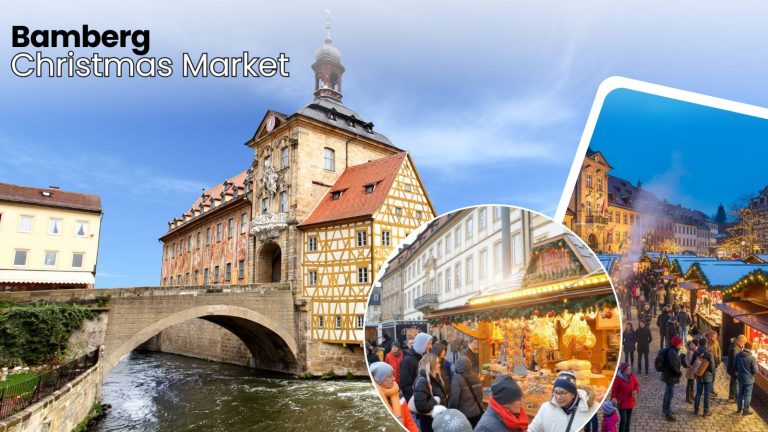
Bamberg Christmas Market: Hidden Stalls, Local Traditions & Secret Festive Experiences
The Bamberg Christmas Market is not just any holiday market—it’s a celebration of tradition, craftsmanship, and festive charm,…

If planning to study abroad, Germany should be high on your list—and for good reason. With its world-class universities, affordable tuition fees, vibrant culture, and high employability rate for graduates, Germany has become one of the top destinations for international students worldwide. The country’s higher education system is known for combining rigorous academic standards with practical, hands-on training, which is highly valued by employers globally.
Germany’s commitment to research and innovation ensures students have access to cutting-edge facilities and technologies. This comprehensive Germany Study Guide will take you through everything you need to know: the best courses to pursue, the top cities to live and study in, and essential tips that will make your journey smoother and more rewarding. Whether you are an undergraduate, postgraduate, or doctoral candidate, this guide will help you navigate the academic and cultural landscape of Germany.
Germany is widely known for its strong academic infrastructure, research-focused education system, and globally recognized degrees. One of the biggest advantages is the fact that many public universities offer tuition-free or low-cost education to both EU and non-EU students, drastically reducing financial barriers that many international students face elsewhere. The country’s universities emphasize interdisciplinary learning and encourage students to engage in collaborative projects and internships, preparing them thoroughly for real-world challenges.
Study in Germany Without IELTS: Eligibility, Alternatives, and Universities List
Germany’s higher education institutions consistently rank highly in global university rankings, reflecting their academic excellence and innovative approaches to teaching and research. Beyond academics, Germany offers an unparalleled experience for international students. From historical sites and castles to high-tech innovation hubs and vibrant urban centers, the country balances tradition with modernity, making it a unique and enriching place to study. The multicultural and inclusive environment also means that students from all backgrounds can find communities and support networks that ease cultural adjustment.
Germany is known for academic excellence across a wide range of disciplines. Here are the most popular and in-demand courses among international students, each backed by strong industry ties and excellent career prospects:
Germany is a global leader in engineering and innovation, making it an ideal destination for aspiring engineers. Courses in Mechanical, Electrical, Automotive, and Civil Engineering are particularly sought-after due to Germany’s strong industrial base and presence of global companies like Siemens, BMW, and Bosch. Renowned institutions like RWTH Aachen University and TU Munich offer specialized programs backed by cutting-edge research and real-world industry projects.
Many programs also include opportunities for internships or cooperative education (Co-op), allowing students to gain practical experience alongside academic learning. Graduates in engineering often find themselves in high demand across Europe and worldwide.
The rise of the digital age has made computer science a crucial field of study. German universities offer comprehensive programs in Artificial Intelligence, Data Science, Cybersecurity, and Software Engineering, often taught by leading experts who are actively involved in research and industry collaboration.
Students benefit from strong connections between universities and tech companies, providing opportunities for internships, hackathons, and innovation labs. Germany’s commitment to digital transformation means graduates in IT and computer science enjoy a wide range of career paths, from startups to multinational corporations.
With Europe’s largest economy, Germany is a great place to study Business, Management, Finance, and International Relations. Programs are often offered in English and include real-world case studies, internships, and exchange opportunities, ensuring students gain a practical understanding of global markets.
Business schools such as Frankfurt School of Finance & Management and WHU – Otto Beisheim School of Management are internationally recognized for their excellence. The strong economy also means students have access to a diverse job market post-graduation, including positions in consulting, banking, and entrepreneurship.
Although highly competitive, medical courses in Germany are well-regarded and come with low tuition costs. Programs are often taught in German, so language proficiency is a must, especially for clinical practice components. Germany’s healthcare system is one of the best in the world, providing medical students with exposure to advanced treatment methods and patient care practices.
Dentistry, Public Health, and Biomedical Sciences are also popular fields, with growing opportunities in research and healthcare management. Graduates of medical programs can pursue careers in hospitals, research institutes, or pharmaceutical companies.
Germany is home to many Nobel laureates in physics and chemistry, reflecting its historic and ongoing contributions to science. If you’re interested in research-based study in Physics, Chemistry, Biology, or Environmental Sciences, you’ll find top-notch faculty and lab facilities at universities like the University of Heidelberg and the Max Planck Institutes.
Many science programs emphasize both theoretical knowledge and experimental skills, encouraging students to participate in groundbreaking research projects. The country’s commitment to sustainability and green technology also offers exciting opportunities for students specializing in environmental science and renewable energy.
From classical architecture to modern urban planning, Germany is a haven for creative students. Courses combine theoretical learning with hands-on design experience and often include internships with prestigious firms, giving students exposure to practical applications and client projects. Institutions like the Bauhaus University Weimar and the Technical University of Berlin are famous for their innovative curricula and connections with industry.
Students can visit diverse fields such as sustainable design, digital architecture, and urban regeneration, preparing them for a wide range of careers in architecture, interior design, and city planning.
Germany’s rich history and cultural diversity make it an excellent place to study subjects like Sociology, History, Philosophy, and Linguistics. Many programs focus on European studies, political science, and intercultural communication, helping students develop critical thinking and analytical skills.
Universities such as Humboldt University Berlin and the University of Frankfurt are renowned for their research contributions in the humanities and social sciences. Students can engage in interdisciplinary studies, participate in cultural events, and even collaborate on international research projects.
Your choice of city can significantly impact your study experience. Germany offers a variety of student-friendly cities, each with its own unique charm, academic strengths, and lifestyle advantages. Below is a detailed look at some of the best cities for international students:
The capital city is known for its dynamic culture, historical significance, and thriving startup scene. It offers numerous English-taught programs and has a diverse international student community, making it easier for newcomers to find support networks and cultural activities.
Berlin’s relatively affordable cost of living compared to other major European capitals allows students to enjoy a rich urban lifestyle without excessive financial pressure. The city also hosts numerous international conferences, festivals, and exhibitions, providing ample opportunities for networking and personal growth.
Munich is home to top universities like LMU and TU Munich, both known for their research output and academic excellence. It’s ideal for students interested in engineering, technology, and business, supported by the city’s strong economy and proximity to major corporations such as BMW and Siemens.
While the cost of living is high, Munich offers excellent quality of life, safety, and job opportunities during and after studies. The city also boasts a rich cultural scene, including museums, theaters, and outdoor activities in the nearby Alps, providing a balanced lifestyle for students.
Known for its picturesque old town and Germany’s oldest university, Heidelberg is a great place for students of humanities and natural sciences. It offers a peaceful and intellectually stimulating environment that encourages deep academic focus.
The small city atmosphere combined with a rich history attracts scholars from around the world, fostering a tight-knit academic community. Heidelberg is also known for its international research collaborations and interdisciplinary programs, enhancing students’ academic networks.
As Germany’s financial hub, Frankfurt is a prime destination for business and finance students. The city hosts numerous international banks, financial institutions, and the European Central Bank, providing unparalleled internship and networking opportunities.
Frankfurt is a cosmopolitan city with a significant expat community and many English-language services, making it relatively easy for international students to adapt. The city also offers excellent transport connections, allowing students to travel easily across Europe during breaks.
Hamburg offers strong programs in media, logistics, and maritime studies, reflecting the city’s status as a major port and media center. It’s a cosmopolitan city with a high standard of living, excellent public transportation, and a vibrant arts and music scene.
Hamburg’s student population is active and engaged, with many cultural events, student organizations, and volunteer opportunities available. The city’s focus on sustainability and green technologies also creates exciting prospects for students interested in environmental studies.
Perfect for engineering and automotive studies, Stuttgart is the home of global automotive giants like Mercedes-Benz and Porsche. The city offers many internship and job opportunities for students in technical fields, often collaborating with universities to provide hands-on training.
Stuttgart combines a strong industrial base with a rich cultural heritage, including theaters, museums, and festivals, offering students a well-rounded experience. The city also ranks high for safety and public services, making it an attractive choice for students.
Both cities are gaining popularity among international students due to their affordable living costs, growing academic institutions, and rich cultural scenes. Dresden, known as the “Florence on the Elbe,” offers historic architecture alongside innovative research centers.
Leipzig is recognized for its vibrant arts scene, music heritage, and growing startup ecosystem. Both cities provide a more relaxed environment compared to larger metropolises, ideal for students seeking quality education in a less hectic setting.
Getting admitted into a German university involves multiple steps, and it’s crucial to meet the academic and language requirements set by your chosen institution. Germany has strict admission standards to ensure that students are prepared for the academic rigor they will face.
Germany offers numerous scholarships specifically designed for international students to help ease financial burdens and encourage academic excellence.
While tuition is low or non-existent in many cases, students should be prepared for other living expenses, which vary depending on the city and lifestyle.
Accommodation: Student dormitories managed by Studentenwerk are usually the most affordable option, costing between €250 and €400 per month. Private apartments or shared flats (Wohngemeinschaften) tend to be more expensive, especially in cities like Munich or Frankfurt.
Food and Groceries: Cooking at home helps save money, with monthly expenses ranging from €200 to €300. Germany offers a wide variety of affordable grocery stores such as Aldi, Lidl, and Rewe.
Health Insurance: Around €110 per month is the typical cost for public student health insurance. Private insurance may be more expensive but is sometimes necessary depending on your country of origin or visa status.
Public Transport and Miscellaneous: Many students pay between €100 and €150 monthly for public transportation, which is often covered by the semester fee. Additional expenses include study materials, leisure activities, and personal care.
Being financially prepared and creating a budget can greatly reduce stress and help you enjoy your time in Germany.
International students are allowed to work part-time during their studies, which can help with living expenses and provide valuable work experience.
Work Hours: Students can work up to 120 full days or 240 half days per year without a special permit. During semester breaks, you can work full-time.
Types of Jobs: Typical student jobs include research assistantships at universities, tutoring, working in cafes or retail, or internships related to your field of study. Many universities have job centers that help students find suitable employment.
Minimum Wage: As of 2025, the minimum wage in Germany is approximately €12.41 per hour, providing students with a reasonable income for part-time work.
Balancing Work and Study: It’s important to balance work commitments with academic responsibilities to ensure
Germany provides excellent post-study work opportunities for international students. Non-EU graduates can extend their residence permit for up to 18 months after finishing their studies to find a job related to their field. This period allows time to attend interviews, network, and gain practical experience, often leading to a work visa or EU Blue Card. Germany’s strong economy and low unemployment in key industries increase job prospects. Universities also offer career services like job fairs and workshops to support graduates.
Key hiring sectors include:
Germany Visa Process: Eligibility, Application & Processing Time
FAQs
Germany is renowned for its engineering, computer science, business administration, medicine, natural sciences, and social sciences programs. Many universities also offer courses in arts, humanities, and environmental studies, with a growing number of English-taught degrees.
It depends on the program. Many universities offer English-taught courses, especially at the master’s level. Knowing German is highly beneficial for daily life, internships, and job opportunities during and after your studies.
Public universities in Germany often charge little to no tuition fees for international students, though some states may have small semester fees (€250–€350) covering administration and public transport. Living expenses average around €850–€1,000 per month.
Typically, you’ll need your previous academic certificates, proof of language proficiency (German or English), a motivation letter, CV, passport copy, and sometimes a letter of recommendation. Specific requirements vary by university and program.
After receiving your university admission, you apply for a visa at the German embassy or consulate in your country. You’ll need proof of admission, financial resources, health insurance, and a valid passport. The process can take several weeks, so apply early.
Yes. Non-EU students can work up to 120 full days or 240 half days per year without a work permit. Part-time jobs help cover living expenses and gain experience but should not interfere with your studies.
Health insurance is mandatory. Students under 30 years old can usually opt for public student health insurance, which is affordable and comprehensive. Those above 30 may need private insurance. Proof of insurance is required for visa processing.
Popular cities include Berlin, Munich, Hamburg, Frankfurt, Heidelberg, and Leipzig. These cities offer a mix of quality education, cultural diversity, and good job opportunities, alongside vibrant student life.
Graduates from German universities can extend their residence permit for up to 18 months to find a job related to their degree. Many transition to a work visa or the EU Blue Card, especially in sectors like engineering, IT, healthcare, and finance.
Options include student dormitories (affordable but limited), shared apartments (WG), or private rentals. Start searching early through university housing offices, online portals, and student networks to secure a place before arrival.
The Bamberg Christmas Market is not just any holiday market—it’s a celebration of tradition, craftsmanship, and festive charm,…
Bamberg, a UNESCO World Heritage city in the heart of Franconia, Germany, is celebrated not just for its…
Bamberg Beer Festivals in Germany capture the spirit of Bavarian brewing like nowhere else, offering travelers an authentic…