
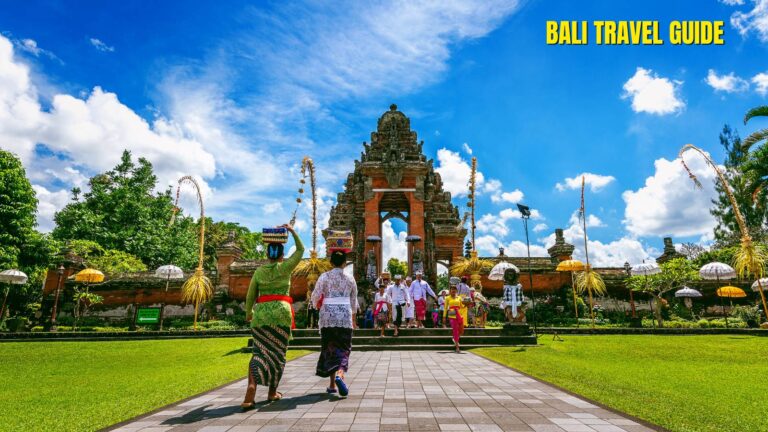
Bali Travel Guide: Secret Villages & Hidden Water Temples Tour
Bali is often described as the Island of the Gods, a land of beaches, volcanoes, and vibrant nightlife.…

Japan welcomes culture lovers with a rich tapestry of spiritual landmarks that reflect centuries of tradition, beauty, and devotion. As you visit the country, you’ll see the temples in Japan don’t just preserve history—they bring it to life through intricate architecture, sacred rituals, and serene natural settings.
From the ancient wooden halls of Kyoto to the vibrant shrines tucked into Tokyo’s urban rhythm, each site invites you to step into a living story of faith and artistry. Walking through moss-covered pathways or witnessing age-old ceremonies, these shrines and temples promise a powerful connection to Japan’s cultural soul.
These 10 must-visit temples in Japan promise unforgettable cultural experiences. Each one stands as a symbol of the country’s deep-rooted heritage and artistic brilliance.
Within the heart of Nara Park, Todai-ji Temple stands as one of Japan’s most historically significant and spiritually revered landmarks. Surrounded by lush greenery and a peaceful atmosphere, the temple is located in Nara Prefecture, a city deeply rooted in Japanese culture and tradition. Temple complex blends harmoniously with the surrounding park, where sacred deer roam freely and centuries-old traditions still thrive.

Getting to Todai-ji from Kyoto is straightforward and scenic. You can take the JR Nara Line, which connects directly to Nara City in about one hour. From Nara Station, it’s a pleasant walk or short local bus ride to Nara Park, where Todai-ji is located. This proximity makes it an ideal day trip for travelers exploring the Kansai region.
Centerpiece of Todai-ji is the awe-inspiring Daibutsuden, also known as the Great Buddha Hall. This monumental wooden structure is not only one of the largest wooden buildings in the world but also houses the world’s largest bronze statue of Buddha Vairocana (Daibutsu). Towering at 15 meters tall, the Buddha’s serene expression and sheer scale leave visitors speechless. Intricately designed, the hall’s massive pillars and wooden framework reflect centuries of architectural mastery. As you step inside, the spiritual energy and tranquil ambiance instantly take over, offering a moment of reflection and awe.
Before entering the Daibutsuden, visitors pass through the magnificent Nandaimon Gate—an architectural marvel in its own right. This gigantic wooden gate serves as the grand entrance to the temple complex. Guarding the gate are two towering Nio guardian statues, fierce wooden sculptures representing benevolent protectors of the Buddha. Carved in the 13th century, these statues stand over 8 meters tall and are considered masterpieces of Japanese Buddhist sculpture. Their dynamic poses and intense expressions add a dramatic prelude to the sacred grounds within.
Located near the main hall, the Todai-ji Museum provides deeper insight into the temple’s rich history and cultural legacy. The museum showcases an impressive collection of Buddhist relics, sacred artifacts, ancient scrolls, and temple treasures that have been preserved for centuries. Among the highlights are statues, ritual objects, and architectural models that reveal the spiritual and artistic evolution of Todai-ji. A visit to the museum enhances your understanding of the religious, artistic, and cultural significance of this iconic temple.
Just outside the temple complex, visitors will encounter the iconic free-roaming deer of Nara Park. These gentle, sacred animals are believed to be messengers of the gods in Shinto belief and are protected as national treasures. You can purchase special “shika senbei” (deer crackers) from vendors around the park to hand-feed them. The deer are surprisingly polite—some even bow before receiving a treat! Interacting with them adds a uniquely heartwarming touch to your temple visit.
Todai-ji’s surroundings are a natural canvas that changes with the seasons. In spring, cherry blossoms burst into bloom, framing the temple in shades of pink and white. During the autumn months, vibrant red and orange maple leaves blanket the temple gardens, offering a stunning backdrop for photos and peaceful walks. The serene atmosphere makes it easy to forget the bustle of modern life and fully appreciate the rhythms of nature.
Being a popular tourist destination, Todai-ji’s expansive grounds offer numerous quiet spots perfect for reflection and meditation. Visitors can find shaded benches, secluded paths, and temple corners where the only sounds are rustling leaves and distant chants. Experienced in meditation or simply seeking a peaceful moment, the temple’s calm energy provides a restorative experience. It’s a chance to reconnect with your inner self while immersed in one of Japan’s most sacred spaces.
Located in Kawasaki City, just outside Tokyo’s bustling city center, Kawasaki Daishi Temple is a spiritual haven with a long-standing reputation for warding off evil, ensuring safety, and bringing good fortune. This sacred temple, officially named Heiken-ji, is among the most visited temples in the Tokyo area and is beloved for its rich traditions and powerful blessings. The temple is set within a vibrant neighborhood that beautifully combines historic charm with modern energy.

Reaching Kawasaki Daishi Temple from central Tokyo is remarkably convenient. A quick 20–25 minute ride on the Keikyu Line brings you to Kawasaki-Daishi Station, followed by a short walk through nostalgic shopping streets. The journey itself offers a glimpse into local daily life and effortlessly connects city dwellers with spiritual peace.
At the heart of the temple complex is the Main Worship Hall, where devotees gather to pray for personal safety, recovery from illness, and overall good fortune. The atmosphere here is deeply reverent, with the air filled with incense and softly chanted sutras. Come to make a wish, offer thanks, or seek peace of mind, the hall provides a spiritual anchor for all visitors, regardless of faith.
Leading up to the temple grounds is the lively Nakamise Shopping Street, a charming pedestrian lane lined with local snack shops, traditional sweets, handmade crafts, and souvenirs. This area hums with energy, especially during festivals, and is the perfect place to savor daruma-shaped cakes, hand-grilled senbei (rice crackers), and even grab lucky charms and talismans. It offers a cultural experience that goes beyond worship—one filled with color, flavor, and warm hospitality.
One of the temple’s most powerful spiritual practices is the Goma Fire Ritual—a mesmerizing Buddhist ceremony involving sacred fire used for purification and protection. During this ritual, monks chant sutras while wooden prayer sticks are burned in a large fire, symbolizing the destruction of negative energies and obstacles. Visitors are welcome to witness and even participate by submitting prayers for health, business success, or personal wishes.
Kawasaki Daishi frequently hosts open ceremonies, especially on auspicious dates. Participating in these rituals offers a rare chance to immerse yourself in Japanese spiritual culture and receive blessings in a truly authentic way. Many visitors opt for a special prayer service, performed by monks for personal intentions like newborn health, safe travel, or academic success.
Area around the temple is known for unique sweets, and none are more iconic than the daruma-shaped cakes, which symbolize perseverance and luck. Fluffy and filled with red bean paste, these little treats are both delicious and symbolic. Strolling through Nakamise with these sweets in hand is a delightful part of the visit.
If happen to be in Japan during New Year, Kawasaki Daishi becomes one of the busiest—and most spiritually charged—places in the country. It draws millions of worshippers for Hatsumode, the first temple visit of the year. Festive mood, traditional food stalls, and energetic rituals create an unforgettable way to ring in the new year with hope and positivity.
Away in the serene Higashiyama (Eastern Hills) of Kyoto, Ginkaku-ji, or the Silver Pavilion, is a sublime example of Zen aesthetics and Japanese simplicity. Built in the 15th century as a retirement villa for shogun Ashikaga Yoshimasa, this temple reflects a time of deep artistic refinement. Despite its name, the pavilion was never covered in silver—yet its understated beauty shines in its own right.

To reach Ginkaku-ji from Kyoto Station, you can take a 30-minute bus ride through scenic city streets to the Philosopher’s Path area. From the bus stop, a peaceful walk through traditional neighborhoods and tea shops leads you to the temple’s entrance.
The main building of the temple, known as the Silver Pavilion, stands gracefully before a reflective pond. Its simple wooden architecture, surrounded by meticulously maintained gardens, embodies the essence of wabi-sabi—the beauty of imperfection and impermanence. The structure evokes deep contemplation and spiritual quietude.
A hallmark of the temple grounds is the Sea of Silver Sand, a large, artistically raked sand garden representing Mount Fuji and waves. The precision of the design is awe-inspiring, and the garden’s symbolic nature invites reflection on the flow of nature and time.
Beyond the sand garden, a shaded path leads you into the lush moss garden, where stone steps, ancient maples, and ferns create a tranquil world untouched by time. The gentle rustling of leaves and the quiet ambiance make it an ideal place for contemplation.
Just outside the temple lies the famous Philosopher’s Path, a canal-side trail lined with cherry trees, cafes, and small shrines. It’s named after a Kyoto University professor who meditated along the path daily. Whether in spring bloom or autumn colors, it’s a calming walk that naturally extends your Zen experience.
Ginkaku-ji is a year-round gem, but each season offers a different type of magic. In spring, cherry blossoms frame the temple in pastel hues, while in autumn, fiery reds and oranges create a dramatic backdrop. Even in winter, the snowy contrast against the moss is breathtaking.
Within the grounds, a small museum showcases Zen-inspired art, calligraphy, and architectural details from the temple’s history. It’s a quiet space to better understand the influence of Zen Buddhism on Japanese art and garden design.
In the heart of Asakusa, Senso-ji Temple stands as Tokyo’s oldest temple, with origins dating back to 628 AD. Despite the city’s constant modernization, Senso-ji remains a timeless symbol of Tokyo’s spiritual soul. It is deeply revered by locals and cherished by millions of visitors each year, making it not just a religious site but also a vibrant cultural hub in the metropolis.

Getting to Senso-ji is both quick and scenic. A 15–20 minute ride on the Ginza Subway Line transports you directly to Asakusa Station, where the bustling energy of this old-town district greets you. From there, it’s a short walk to the temple’s dramatic entrance.
Your journey begins at the iconic Kaminarimon Gate, instantly recognizable by its enormous red lantern and fearsome guardian statues—Raijin (the god of thunder) and Fujin (the god of wind). This gate isn’t just an entrance; it’s a symbol of the city’s heritage and spiritual strength. Tourists often pause here for a memorable photo under the giant lantern before venturing into the heart of Asakusa.
Passing through the Kaminarimon, you’ll find yourself on Nakamise-dori, a historic shopping street lined with traditional stalls, kimono shops, handmade crafts, and street snacks. Here, you can sample classics like ningyo-yaki (doll-shaped sponge cakes filled with red bean paste), or pick up a pair of wooden geta sandals or lucky charms to bring home. The lively energy of Nakamise adds a festive, nostalgic flair to your visit.
At the end of Nakamise stands the majestic Main Hall, housing a golden statue of Kannon, the Goddess of Mercy. According to legend, this sacred statue was miraculously fished out of the Sumida River and enshrined here. Visitors line up to pay their respects, bowing in prayer and sometimes offering incense. The hall’s grandeur and spiritual presence make it the emotional heart of the complex.
Asakusa is famous for its food stalls, and ningyo-yaki, the sweet, doll-shaped sponge cakes, are a must-try. Freshly made before your eyes, they’re both fun to eat and make excellent souvenirs. You can also enjoy freshly grilled senbei, colorful dango skewers, and even matcha-flavored treats right along the temple grounds.
A unique and interactive tradition here is the omikuji, or fortune-telling slips. For just a small coin, you can shake a metal container and pull a number that corresponds to your fate. If you receive a bad fortune, don’t worry—you can tie it onto a nearby rack to leave the bad luck behind.
While Senso-ji is busiest during the day, visiting at night offers a completely different experience. The temple buildings and lanterns are beautifully illuminated, creating a tranquil, magical atmosphere. The crowds thin, the air cools, and the spiritual ambiance becomes even more pronounced.
In the scenic town of Uji, famous for its premium green tea, lies Byodo-in Temple, a UNESCO World Heritage site immortalized on the back of Japan’s 10-yen coin. This Heian period architectural marvel is more than just visually stunning—it represents a paradise of Pure Land Buddhism, designed to symbolize the Buddhist vision of heaven on earth.

Byodo-in is easily accessible from Kyoto Station via the JR Nara Line, taking approximately 25 minutes. A pleasant walk from Uji Station brings you to the temple’s serene grounds, where the pace of life slows, and every corner invites quiet admiration.
Most iconic structure is the Phoenix Hall, named after the two phoenix statues perched on its roof. Built in 1053, this elegant building sits on a reflective pond, creating a stunning mirror image that changes with the seasons. The hall’s layout and proportions are meant to evoke the Pure Land paradise and provide a deeply calming and spiritual ambiance.
Inside Phoenix Hall is the majestic Amida Buddha, a national treasure sculpted by the famous artist Jocho. Carved from cypress wood and adorned with gold leaf, the statue is a masterpiece of Buddhist art. It represents infinite compassion, and the surrounding celestial carvings enhance its divine aura.
Adjacent to the main temple is the Hoshokan Museum, a beautifully curated, modern facility that houses treasures from the temple, including original phoenix statues, historical documents, and interactive digital exhibits. It offers deep insights into the temple’s artistic, architectural, and religious significance.
Uji is renowned across Japan for its high-quality matcha (green tea). After visiting the temple, stop by one of the many tea houses or cafés nearby for a cup of freshly whisked matcha and traditional wagashi sweets. The experience is as much a cultural ritual as it is a culinary delight.
The gardens surrounding Phoenix Hall are a highlight throughout the year. In spring, cherry blossoms frame the temple; in summer, lotus flowers bloom on the pond. Autumn brings fiery maple leaves, and in winter, a dusting of snow creates a serene scene. Each season offers a new way to appreciate the temple’s timeless beauty.
Don’t forget your camera—the mirrored reflection of the Phoenix Hall on the temple’s pond is one of the most iconic and photogenic scenes in all of Japan. Early morning or late afternoon provides the best lighting for this shot, and it’s truly a photographer’s dream.
Location: Higashiyama, Kyoto
Distance from Kyoto Station: 15–20 minutes by bus

Kiyomizu-dera Temple is one of Kyoto’s most iconic landmarks, known for its vast wooden stage that extends from the Main Hall, offering stunning panoramic views of the surrounding city and nature. The temple, built in 778, is famous for its association with the phrase “to jump off the stage at Kiyomizu,” which signifies taking a leap of faith. The site is designated as a UNESCO World Heritage Site and is a must-visit for any traveler coming to Kyoto.
Large wooden veranda of Kiyomizu-dera’s Main Hall is supported by hundreds of wooden pillars and offers a magnificent view of Kyoto’s skyline, especially stunning during the cherry blossom season and autumn foliage. The stage is built without the use of any nails, a feat of traditional Japanese craftsmanship that continues to awe visitors.
Located near the Main Hall, the Otowa Waterfall has three streams that are said to bestow wisdom, longevity, and success upon those who drink from them. Visitors can use a traditional ladle to drink from each of the three streams. It is considered bad luck to drink from all three, as it’s believed that doing so may cause one to be greedy.
This small shrine, located within Kiyomizu-dera’s grounds, is dedicated to the deity of love and matchmaking, Okuninushi. It is famous for its pair of “love stones.” Legend holds that if you can walk from one stone to the other with your eyes closed, you will find true love. Many visitors also purchase good luck charms here, hoping for success in their romantic lives.
The best time to visit Kiyomizu-dera is during the spring, when the temple is surrounded by cherry blossoms, or in autumn when the leaves turn fiery red and gold. The views from the stage during these seasons are nothing short of breathtaking.
Sannenzaka Street, a historic cobbled street leading up to the temple, is lined with shops selling traditional Japanese crafts, souvenirs, and delicious local treats. It’s a great place to pick up handmade pottery, calligraphy, and sweets like yatsuhashi (sweet cinnamon-flavored rice cakes).
Visitors can also take part in traditional temple rituals by lighting incense, which symbolizes purifying the mind and offering prayers for their personal wishes. The sacred atmosphere at the altar encourages a peaceful and meditative state.
Location: Kita Ward, Kyoto
Distance from Kyoto Station: 40 minutes by bus or taxi

Kinkaku-ji, or the Golden Pavilion, is one of Kyoto’s most recognizable and admired temples. Covered in gold leaf, the Zen Buddhist temple gleams in the sunlight and reflects its golden beauty in the surrounding pond, creating a scene that seems almost otherworldly. Built in 1397 as a retirement villa for Shogun Ashikaga Yoshimitsu, Kinkaku-ji became a Zen Buddhist temple after his death. The iconic structure has been the subject of numerous photographs, paintings, and art pieces.
Kinkaku-ji’s most striking feature is its top two floors, which are coated in gold leaf, making it shine brilliantly under the sun. The first floor is built in the Shinden style, while the second floor follows a more Chinese Zen style. The surrounding pond, Kyoko-chi, acts as a perfect mirror, doubling the beauty of the pavilion.
The tranquil Kyoko-chi Pond surrounding the pavilion plays a essential role in enhancing the temple’s ethereal beauty. The pond reflects the Golden Pavilion and the distant hills, offering visitors a chance to experience its majesty in a way that’s truly mesmerizing. The pond also features several small islands and is surrounded by a landscaped garden that invites quiet contemplation.
Wishing to experience Japanese tea culture, the tea house Sekka-tei offers a traditional setting to enjoy matcha and sweets while overlooking the pond and gardens. It’s an ideal spot to pause and reflect on the serene beauty of the temple’s surroundings.
The gardens surrounding Kinkaku-ji are designed in the Zen garden style, emphasizing minimalist beauty. The gardens include rocks, sand, and carefully trimmed trees, creating a perfect harmony between nature and architecture.
In winter, the Golden Pavilion takes on a completely different look as it contrasts beautifully with the white snow. The cold, crisp air and serene stillness of the surrounding landscape offer a more tranquil and contemplative experience than during the warmer months.
Kinkaku-ji’s souvenir shops offer a range of items to remember your visit, including golden charms, calligraphy scrolls, and small replicas of the pavilion. These make meaningful souvenirs, often symbolizing good fortune and prosperity.
Location: Kotoku-in Temple, Kamakura
Distance from Tokyo Station: 1 hour via JR Yokosuka Line

Great Buddha of Kamakura is one of Japan’s most famous and iconic outdoor statues, standing at an impressive 13.35 meters tall. This bronze statue, dating back to 1252, depicts Amitabha Buddha in a seated posture. It was originally housed inside a temple hall, but after a tsunami destroyed the structure in the 15th century, the Buddha has stood exposed to the elements ever since. Visitors often feel a profound sense of peace and tranquility when gazing at this serene figure.
The Great Buddha (Daibutsu) is the centerpiece of the temple and is a true marvel of craftsmanship. The statue was cast in bronze and has withstood centuries of weathering. Visitors can even enter the hollow interior of the statue for a closer look at its construction and craftsmanship.
For a small fee, visitors can enter the hollow interior of the Buddha statue. Inside, you can see the details of the structure and learn about the statue’s creation and restoration. The experience adds a unique perspective to the visit, allowing visitors to connect with the monument in a personal way.
Not far from the Great Buddha is Hase-dera Temple, which is known for its large statue of Kannon, the goddess of mercy, as well as its beautiful gardens that offer lovely views of Kamakura and the ocean. The temple grounds are peaceful, and the lush greenery adds to the serene atmosphere.
For a more adventurous experience, visitors can hike the scenic trails that lead to Zeniarai Benten Shrine, known for its sacred spring where you can wash your money to ensure financial success. The hike offers great views and an opportunity to explore the natural beauty of Kamakura.
After visiting the Great Buddha, take a stroll through Kamakura’s charming streets and enjoy its coastal vibe. The area is full of cozy cafes and restaurants where you can relax and savor fresh seafood, local snacks, and delicious desserts.
Location: Fujiyoshida City, Yamanashi Prefecture
Distance from Tokyo: 2 hours by train

Arakura Sengen Shrine is located on the slopes of Mount Fuji and offers one of the best views of the iconic peak with the striking red Chureito Pagoda in the foreground. This location is popular for photography, especially during the cherry blossom season when the pagoda is framed by pink blooms, creating a breathtaking scene. The shrine is part of the Fuji Five Lakes area and offers a spiritually rich experience.
The Chureito Pagoda is a five-story pagoda that stands on a hill overlooking Mount Fuji. It has become one of the most iconic images of Japan, particularly in spring when cherry blossoms bloom around the pagoda. The sight of the pagoda with Mount Fuji in the background is a photographer’s paradise.
To reach the pagoda, visitors must climb a 400-step staircase. Though it’s a bit of a physical challenge, the climb is rewarding, offering progressively better views of the pagoda, Mount Fuji, and the surrounding landscape. At the top, the panoramic views make the effort well worth it.
Best times to visit Arakura Sengen Shrine are in April for cherry blossoms or November for autumn foliage. During these months, the views of Mount Fuji and the pagoda are even more spectacular, with the colorful natural scenery enhancing the beauty of the landscape.
The shrine itself is a quiet and peaceful place, offering opportunities for reflection and prayer. Visitors can take in the serene atmosphere and enjoy the calming energy of the sacred site.
View from the top of the staircase, with the pagoda in the foreground and Mount Fuji towering in the background, is one of the most famous photo opportunities in Japan. Capture the spirit of Japan’s natural beauty and spiritual heritage in a single frame.
Location: Arashiyama, Kyoto
Distance from Kyoto Station: 20 minutes via JR Sagano Line

Tenryu-ji Temple, a Zen Buddhist temple, is located in the scenic Arashiyama district of Kyoto. It is a UNESCO World Heritage Site and one of Kyoto’s most important temples. The temple was founded in 1339 by Ashikaga Takauji and has a long history as a center of Zen Buddhism. It is famous for its tranquil garden and the stunning views of the surrounding mountains.
Sogenchi Garden, designed by the Zen master Muso Soseki, is a prime example of Zen garden design, where every rock and plant has been meticulously arranged to create harmony with nature. The garden is said to be unchanged for centuries, preserving the peaceful and reflective atmosphere that Zen gardens are known for.
The main hall of Tenryu-ji, known as Hojo, overlooks the beautiful Sogenchi Garden. The building’s traditional architecture and placement offer visitors the opportunity to experience Zen Buddhism in a tranquil setting. The hall provides a space for meditation and reflection, with the surrounding natural beauty enhancing the experience.
A short walk from the temple takes you to the famous Arashiyama Bamboo Forest. The towering bamboo stalks sway in the breeze, creating an ethereal atmosphere. The grove is one of Kyoto’s most famous attractions, and it’s especially magical when the sunlight filters through the bamboo leaves.
For a true Zen experience, visit the temple’s restaurant and enjoy shojin ryori, a traditional vegetarian cuisine served at many Zen temples. The meal, made with seasonal ingredients, offers a taste of the Buddhist philosophy of mindfulness in eating.
The Togetsukyo Bridge, just a short walk from Tenryu-ji, offers picturesque views of the Hozu River and the surrounding mountains. The bridge is a perfect spot for a relaxing stroll, particularly during the cherry blossom season when the area is framed in soft pink hues.
For a unique experience, consider taking a rickshaw ride through the Bamboo Grove. The ride offers a peaceful and scenic way to experience the natural beauty of Arashiyama while learning about the area’s history and culture from the rickshaw pullers.
Best Things to Do in Osaka (Japan): Places to Visit & Where to Stay
So, pack your camera, open your heart, and let Japan’s sacred sites leave you spellbound.
FAQs
Temples in Japan are important religious and cultural sites, primarily associated with Buddhism. They serve as places of worship, meditation, and reflection. Each temple holds specific cultural, historical, and spiritual significance, contributing to the country’s heritage and identity.
Some of Japan’s most famous temples include:
In Japan, temples are Buddhist religious sites, while shrines are Shinto sites. Temples typically feature statues of Buddha and are places for meditation and prayer, while shrines are dedicated to Kami (Shinto gods or spirits) and often have torii gates marking their entrances.
Yes, visitors are expected to observe proper etiquette. Common practices include:
Many temples in Japan host ceremonies or events that visitors can observe or even participate in. For example, at Kiyomizu-dera, visitors can light incense and make prayers. Some temples also offer special Buddhist ceremonies like New Year’s Eve services or Obon (ancestor honoring ceremonies) that guests can attend.
Inside Japanese temples, you may find:
Many temples in Japan have a small entrance fee, especially famous ones like Kinkaku-ji or Todai-ji. The fee helps maintain the temple’s grounds and facilities. Some temples, like Senso-ji in Tokyo, are free to enter, though you might need to pay for specific attractions within the temple grounds.
The best times to visit temples in Japan depend on the season:
Yes, making offerings is a common practice. Visitors can buy incense sticks or small prayer plaques called ema to write their wishes and hang them at the temple. At some temples, donations can also be made at designated boxes as a sign of respect and support.
Most temples in Japan are open year-round, but their hours may vary depending on the time of year or special events. Some temples may close for certain holidays or maintenance periods, so it’s always best to check the temple’s schedule in advance if you plan to visit during a specific time.
Bali is often described as the Island of the Gods, a land of beaches, volcanoes, and vibrant nightlife.…
Traveling solo can be one of the most life-changing experiences a woman can have. Beyond adventure and sightseeing,…
India boasts thousands of breathtaking landscapes, yet most travelers often stick to familiar destinations like Manali, Shimla, Ooty,…

1 comment