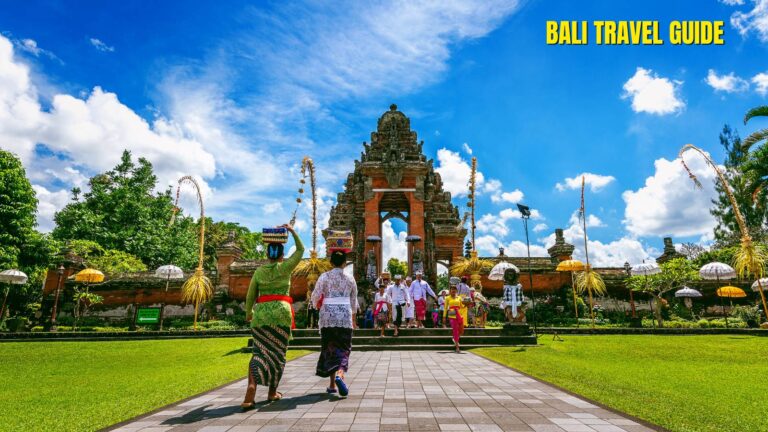
Bali Travel Guide: Secret Villages & Hidden Water Temples Tour
Bali is often described as the Island of the Gods, a land of beaches, volcanoes, and vibrant nightlife.…

Italy is a dream destination known for its rich history, breathtaking landscapes, and world-class cuisine. But choosing the best time to visit Italy depends on your travel goals whether want to enjoy perfect weather, visit without crowds, experience local festivals, or travel on a budget.
Each season in Italy offers a unique experience, from the warm spring blooms to the lively summer beaches and the cozy winter charm. Seasonal breakdown will help you decide when to plan your perfect Italian getaway.
Italy Entry Requirements: The Easy Guide For US Travelers
Italy is one of the most captivating travel destinations in the world, offering a perfect blend of history, culture, architecture, and natural beauty. Choosing the right time to visit is essential to ensuring the best experience. While Italy is beautiful throughout the year, the ideal seasons for comfortable weather and immersive sightseeing are spring (March–May) and early fall (September–October). These months offer pleasant temperatures, breathtaking landscapes, and optimal conditions for exploring Italy’s historic cities, countryside, and coastline.

One of the most significant factors that make spring and fall the best times to visit Italy is the pleasant weather. Summers in Italy, particularly in July and August, can be uncomfortably hot, with temperatures soaring well above 90°F (32°C), making outdoor sightseeing exhausting. Winter, on the other hand, can be quite cold and damp, especially in northern cities like Milan, Venice, and Florence.
Spring and early fall strike a perfect balance between warmth and coolness, creating an enjoyable climate for exploring both urban and rural destinations.
With such moderate temperatures, travelers can spend hours exploring Rome’s historic ruins, Florence’s art museums, Venice’s canals, and the scenic countryside of Tuscany without feeling exhausted or uncomfortable.
Italy is known for its picturesque landscapes, and spring and fall highlight its beauty in remarkable ways. Unlike summer, when fields can become dry and the sun can be harsh, these seasons offer lively colors, blooming flowers, and golden-hued vineyards.
Both spring and fall provide natural beauty and pleasant weather that elevate the sightseeing experience, whether exploring cities, hiking in the countryside, or relaxing along the coast.
Many of Italy’s most famous attractions require a significant amount of walking, whether it’s touring the historic ruins of Rome, wandering through the charming streets of Florence, or taking a gondola ride in Venice. During summer, high temperatures and crowded streets can make sightseeing tiring, whereas winter can be too chilly for long outdoor walks.
Spring and fall create the perfect conditions for walking tours and outdoor adventures. These seasons allow travelers to comfortably visit historical landmarks, cultural sites, and scenic neighborhoods without the discomfort of extreme temperatures.
With the comfortable temperatures of spring and fall, visitors can maximize their sightseeing experiences without feeling exhausted or overheated.
Another advantage of visiting Italy in spring and early fall is the extended daylight hours, which allow travelers to visit multiple attractions without rushing.
Longer daylight hours ensure that sightseeing is more relaxed, enjoyable, and fulfilling.
Rome and Florence are two of Italy’s most iconic cities, known for their rich history, artistic masterpieces, and architectural wonders. While these cities are magnificent year-round, visiting in spring or fall provides a more comfortable and enjoyable experience.
With mild temperatures and fewer tourists, visitors can fully appreciate the beauty and historical significance of these incredible cities.
Venice, with its enchanting canals, historic bridges, and stunning architecture, is a must-visit destination in Italy. Summer months bring heavy crowds and high humidity, making sightseeing less enjoyable.
Visiting the quieter neighborhoods of Dorsoduro and Cannaregio, where you’ll find charming cafés, artisan shops, and stunning views of the canals.
With cooler temperatures and fewer crowds, Venice becomes even more magical during these seasons.
Tuscany is one of the most breathtaking regions in Italy, known for its rolling hills, charming villages, and world-class wineries. Spring and fall bring out the best of Tuscany’s landscapes, making it an ideal time for countryside exploration.
A wine enthusiast, a photography lover, or a history buff, Tuscany in spring or fall is truly an unforgettable experience.
While Italy is a dream destination year-round, traveling during the off-peak season offers unique advantages for those looking to save money, avoid crowds, and experience authentic Italian culture. Best months for budget-conscious travelers and those who prefer a more relaxed experience are late fall (November), winter (December–February), and early spring (March).

During these months, travelers can enjoy Italy’s breathtaking cities and historical landmarks without the overwhelming crowds of summer. Additionally, flight and accommodation prices drop significantly, making it possible to visit Italy on a more affordable budget.
One of the biggest benefits of visiting Italy in the off-season is significant savings on airfare and accommodations. Since tourism slows down during these months, airlines and hotels lower their prices to attract visitors.
By traveling in late fall, winter, or early spring, visitors can enjoy luxury experiences, including staying in iconic hotels and dining at top-rated restaurants, for a fraction of the cost.
Italy’s most famous landmarks, including the Colosseum, Vatican Museums, Uffizi Gallery, and Leaning Tower of Pisa, are often packed with visitors during peak season. Long queues, crowded streets, and limited availability can make sightseeing challenging. In the off-peak season, the experience is completely different.
Fewer tourists also mean easier reservations for guided tours, less crowded public transportation, and better opportunities to interact with locals.
Off-season travel allows visitors to experience Italy in a more authentic way, as cities are less focused on tourism and more in tune with local daily life.
Quieter environment makes it easier to engage with locals, learn about Italy’s traditions, and experience the country as it is for those who live there.
While most of Italy is enjoyable during the off-season, some destinations offer a particularly special experience with fewer tourists, lower prices, and unique seasonal activities.
Rome and Florence are two of Italy’s most visited cities, home to some of the world’s most iconic historical sites, art museums, and architectural wonders. Visiting these cities in the off-season provides a relaxed, crowd-free, and budget-friendly experience.
Rome in the Off-Season:
Florence in the Off-Season:
Without peak-season crowds, visitors can visit these cultural hubs at their own pace, making the experience more enjoyable and meaningful.
Venice is one of Italy’s most beautiful cities but can be overwhelmingly crowded and expensive in summer. Traveling in winter and early spring transforms the city into a tranquil paradise.
Winter in Venice offers a completely different atmosphere, with misty canals and a quiet, almost dreamlike setting.
While northern Italy experiences colder temperatures, southern regions like Naples, Sicily, and Puglia remain relatively warm, making them ideal for winter and early spring travel.
For travelers who want to escape the cold while enjoying Italy’s beauty without crowds, southern Italy is the perfect choice.
Italy’s festivals and cultural events offer a unique way to experience the country’s rich history, traditions, and artistic heritage. Each season brings a variety of celebrations, from grand carnivals to lively horse races and world-class music festivals. If you want to immerse yourself in Italy’s vibrant culture, timing your visit around these events will enhance your travel experience.

One of the most famous festivals in the world, the Venice Carnival transforms the city into a magical wonderland. Visitors witness elaborate masquerade balls, stunning costumes, and beautifully crafted masks that bring the city’s historic charm to life. Streets fill with music, parades, and theatrical performances, creating an unforgettable experience. The festival dates back to the 12th century and continues to captivate travelers with its grandeur.
Travel Tip: The best way to enjoy Venice Carnival is by participating in a masquerade ball or taking a gondola ride through the misty canals at night. To secure a spot at exclusive events, book tickets months in advance.
Held in the stunning Piazza del Campo in Siena, the Palio di Siena is an adrenaline-pumping horse race that takes place twice a year. The event features riders representing different city districts (contrade) competing in a thrilling bareback race. Locals and visitors alike gather to watch the spectacle, which lasts just 90 seconds but carries immense pride and historical significance.
Beyond the race, the Palio celebrations include medieval parades, flag-throwing performances, and traditional feasts. This is one of Italy’s most exciting cultural events, blending history, sports, and deep-rooted community spirit.
Travel Tip: Siena becomes extremely crowded during the Palio, so it’s best to arrive a few days early to the town before the festivities begin. For the best view of the race, book a balcony seat overlooking the piazza.
Verona, the city of Romeo and Juliet, hosts Vinitaly, Italy’s most prestigious wine festival. This international event attracts wine enthusiasts, sommeliers, and producers from around the world. Visitors can sample top-tier Italian wines, attend tasting sessions, and learn about the country’s winemaking traditions. From bold Tuscan reds to crisp Venetian whites, Vinitaly showcases the best of Italy’s wine culture.
Travel Tip: If you love wine, combine your trip with visits to nearby Valpolicella and Soave wine regions. These areas offer scenic vineyard tours and private tastings away from the crowds.
For jazz lovers, the Umbria Jazz Festival in Perugia is one of Europe’s most prestigious music events. This festival draws world-famous jazz musicians, creating an electrifying atmosphere in the historic streets of Umbria. Concerts take place in open squares, historic theaters, and intimate jazz clubs, allowing visitors to experience the soulful rhythms of jazz in a breathtaking setting.
Beyond the music, Perugia offers stunning medieval architecture, delicious Umbrian cuisine, and a relaxed atmosphere, making it a fantastic summer destination.
Travel Tip: Secure concert tickets early, as headliner performances sell out quickly. To make the most of your visit, Perugia’s historic center and sample truffle-based dishes, a regional specialty.
Italy’s Christmas markets bring festive cheer to cities like Milan, Florence, Rome, and Bolzano. These markets feature wooden stalls selling handmade crafts, local delicacies, and traditional holiday decorations. The Alpine markets in Bolzano and Trento are particularly enchanting, offering mulled wine, gingerbread cookies, and cozy winter atmospheres.
Visitors can stroll through beautifully decorated squares, listen to live music, and experience Italy’s festive traditions up close. The holiday season is also the perfect time to enjoy Italian Christmas dishes, such as panettone and torrone.
Travel Tip: To fully enjoy the holiday spirit, visit St. Peter’s Square in Vatican City to witness the Christmas Eve mass led by the Pope.
Italy is a dream destination for food and wine lovers, offering an unparalleled culinary experience that changes with the seasons. Indulging in truffle-infused dishes, sipping world-class wines, or savoring authentic pasta, each time of year brings something special to the table. If your goal is to experience the country’s best flavors, timing your visit according to the seasonal specialties will elevate your journey.
Spring in Italy is a time of renewal, and the culinary scene reflects this beautifully. Markets overflow with fresh, locally sourced ingredients, and restaurants begin incorporating artichokes, asparagus, and wild herbs into their seasonal menus. Truffle lovers will find black truffles in regions like Umbria and Tuscany, enhancing everything from pasta to risottos with their earthy aroma.
Additionally, spring is an excellent time for seafood, particularly along the Amalfi Coast, where freshly caught anchovies, clams, and squid take center stage. Outdoor dining becomes more pleasant, making it an ideal season for food markets and enjoy farm-to-table experiences in the countryside.
Summer in Italy is synonymous with refreshing gelato, juicy summer fruits, and light yet flavorful seafood dishes. Coastal regions such as Sicily, Sardinia, and the Amalfi Coast serve the freshest grilled fish, octopus salads, and seafood pastas, often paired with a crisp glass of local white wine.
Summer also brings charming open-air food festivals, where visitors can experience regional specialties like porchetta (roast pork), arancini (stuffed rice balls), and caprese salad made with sun-ripened tomatoes and creamy mozzarella. Lemons from Sorrento are at their peak, making it the perfect time to try Limoncello, a traditional Italian lemon liqueur.
Autumn is the most exciting season for wine lovers and gourmet travelers. The grape harvest (vendemmia) takes place across Italy, with vineyard tours and wine-tasting experiences available in Tuscany, Piedmont, and Veneto. This is the best time to sample Brunello di Montalcino, Barolo, and Amarone wines directly from the source.
The fall season is also truffle-hunting season, particularly in Piedmont, Umbria, and Tuscany. The Alba White Truffle Festival, held in Piedmont every October and November, is a bucket-list event for foodies. Restaurants across the country feature truffle-infused dishes, making it the best time to experience Italy’s most luxurious ingredient.
Winter in Italy is all about rich, hearty comfort foods that warm the soul. This is the best time to try risotto, polenta, hearty meat stews, and indulgent seasonal desserts like panettone and torrone. Northern regions, especially Lombardy and Veneto, serve up delicious Risotto alla Milanese (saffron risotto) and cassoeula (pork and cabbage stew), perfect for chilly days.
For wine lovers, winter is a fantastic time to visit the bold, full-bodied reds of Piedmont and Tuscany, such as Barbaresco, Barolo, and Chianti Classico. Since fewer tourists visit during this season, wine tastings feel more intimate, with winemakers offering in-depth tours and personal recommendations.
Bologna, known as “La Grassa” (The Fat One), is Italy’s ultimate food capital. This region is the birthplace of tagliatelle al ragù (Bolognese sauce), Parmigiano Reggiano (Parmesan cheese), Prosciutto di Parma, and traditional balsamic vinegar from Modena. Food lovers can take cooking classes, tour artisanal cheese factories, and bustling food markets.
Tuscany is world-renowned for its wine culture, with stunning vineyard landscapes producing some of the best red wines in the world, including Chianti, Brunello di Montalcino, and Super Tuscans. The region’s rolling hills and medieval villages make it a dream destination for wine lovers and food enthusiasts.
Piedmont, on the other hand, is famous for its rich Barolo and Barbaresco wines as well as its legendary white truffles. This region is home to some of Italy’s most refined cuisine, including Vitello Tonnato (veal with tuna sauce) and Agnolotti del Plin (stuffed pasta).
No trip to Italy is complete without indulging in authentic Neapolitan pizza. Naples is the birthplace of Pizza Margherita, made with San Marzano tomatoes, fresh mozzarella, and a perfectly blistered crust. This vibrant city also offers incredible seafood, espresso, and sweet treats like sfogliatella (crispy pastry filled with ricotta).
Italy is one of the most sought-after travel destinations in the world, offering breathtaking landscapes, rich history, stunning architecture, and world-renowned cuisine. Choosing the right time to visit can make a significant difference in your overall experience.
For sunny beach days, vibrant festivals, or a peaceful and budget-friendly getaway, understanding the differences between peak, shoulder, and off-peak seasons will help you plan the perfect trip.
1. Perfect Beach Weather
Italy’s coastal regions, islands, and lakes come alive in the summer. The warm Mediterranean climate makes destinations like the Amalfi Coast, Sardinia, Sicily, and Cinque Terre perfect for sunbathing, swimming, and boat tours. Lake Como and the Italian Riviera also offer idyllic summer escapes with breathtaking scenery and luxurious resorts.
2. Exciting Festivals and Cultural Events
Summer in Italy is filled with music festivals, cultural celebrations, and religious events. Some of the most popular include:
3. Lively Atmosphere in Cities and Coastal Areas
Italy’s cities and coastal towns are bustling with tourists, street performers, and open-air markets. The nightlife in places like Rome, Milan, and Florence is at its peak, with rooftop bars, nightclubs, and outdoor dining creating a magical summer atmosphere.
1. High Prices on Flights and Accommodations
Since summer is the most popular time to visit, hotels, flights, and attractions become significantly more expensive. Expect to pay premium rates, especially in hotspots like Venice, Capri, and the Amalfi Coast.
2. Large Crowds at Major Attractions
Iconic landmarks such as the Colosseum, Vatican Museums, Leaning Tower of Pisa, and Uffizi Gallery can have long queues, making it harder to enjoy these sites peacefully. Even smaller towns experience a surge in tourists.
3. Extremely Hot Temperatures in Cities
Florence, Rome, and Venice can get unbearably hot, with temperatures often exceeding 35°C (95°F). The combination of heat and large crowds can make sightseeing exhausting, especially in cities with limited shade.
1. Mild and Comfortable Weather
Spring and early fall offer some of the best weather in Italy. In April and May, the countryside is lush and blooming with flowers, making it an excellent time for vineyard tours and hiking. In September and October, temperatures remain warm but not scorching, making it ideal for exploring cities without overheating.
2. Fewer Crowds Compared to Peak Season
While popular attractions still see visitors, they are far less crowded than in summer. This allows you to enjoy places like the Vatican, Duomo di Milano, and Pompeii without feeling overwhelmed.
3. More Affordable Than Summer
Hotels and flights are generally cheaper than during peak season. You can find better deals on accommodations, especially in major cities and popular coastal destinations like Positano, Sorrento, and Taormina.
4. Wine Harvest Season (September–October)
For wine lovers, fall is the perfect time to visit Tuscany and Piedmont. Many wineries host grape harvest festivals, where visitors can participate in wine tastings and vineyard tours while experiencing the local winemaking traditions.
1. Some Tourist Attractions May Still Be Busy
While crowds are lower than in summer, top destinations like Rome, Venice, and Florence still attract a significant number of visitors, particularly in May and September. Booking tickets in advance is still recommended for major attractions.
2. Unpredictable Weather in Some Regions
Spring can bring occasional rain showers, and early fall may experience sudden temperature drops, especially in northern Italy and the mountains. These are usually brief and don’t impact travel plans significantly.
1. Lower Prices on Flights, Hotels, and Attractions
Airfare, hotels, and tours are at their lowest prices, making winter the most budget-friendly time to visit Italy. This is the best time for travelers who want to visit Italy without spending a fortune.
2. Fewer Tourists at Major Landmarks
If want to experience Italy’s historic cities without crowds, winter is ideal. Attractions like the Vatican Museums, Colosseum, and Uffizi Gallery are much less crowded, allowing for a more relaxed and immersive visit.
3. Great for Winter Sports in the Alps and Dolomites
Northern Italy’s Dolomites and Italian Alps transform into a winter wonderland, attracting skiers and snowboarders. Resorts like Cortina d’Ampezzo and Madonna di Campiglio offer world-class skiing, snowboarding, and après-ski experiences.
4. Festive Christmas Markets and Seasonal Delicacies
Italy’s Christmas markets (Mercatini di Natale) are a must-see in December, especially in Rome, Florence, and Bolzano. Winter is also a fantastic time for trying seasonal dishes, such as panettone, polenta, and hearty Tuscan soups.
1. Colder Weather in Northern Italy
In cities like Milan, Venice, and Bologna, winter temperatures can drop below freezing, and occasional snowfall may affect transportation. Southern Italy remains relatively mild.
2. Some Beach Destinations and Coastal Resorts Close
Many beach towns, seaside hotels, and ferries to smaller islands shut down for the season, particularly in Sardinia, the Amalfi Coast, and the Cinque Terre.
Italy offers stunning coastlines, breathtaking mountains, and endless outdoor activities.

Summer (June–August) is perfect for enjoying Italy’s top beaches:
Spring (May) and Fall (September–October) are ideal for hiking in:
Winter (December–March) is perfect for skiing in:
The Italian Alps & Dolomites – Italy’s top winter sports destinations.
Italy: Facts, Geography, History, Flag, Maps, & Population
No matter when you visit, Italy’s beauty, history, and cuisine will make your trip unforgettable. Plan ahead, choose your season wisely, and enjoy everything this incredible country has to offer!
FAQs
Spring (April–June) and fall (September–October) are perfect for romantic getaways with fewer tourists and beautiful scenery.
Summer (June–August) is great for coastal areas and islands but can be too hot and crowded in cities like Rome and Florence.
The best time for wine lovers is during the grape harvest season in September and October, especially in Tuscany and Piedmont.
Late fall (November) and winter (January–February) are the most budget-friendly times with cheaper flights and accommodations.
Northern Italy is best visited in spring (April–June) and fall (September–October) for mild temperatures and fewer crowds.
Southern Italy, including Sicily and the Amalfi Coast, is best visited in spring (March–May) and fall (September–November) for warm but comfortable weather.
For the best lighting and scenery, visit in spring (April–May) or autumn (September–October) when landscapes are colorful and the weather is ideal.
Winter (December–February) is great for budget travel, skiing, and Christmas markets, but some coastal attractions may close.
The best months to visit Rome are April, May, September, and October for pleasant weather and smaller crowds.
Venice is best visited in April–June or September–October to avoid flooding and large summer crowds.
Bali is often described as the Island of the Gods, a land of beaches, volcanoes, and vibrant nightlife.…
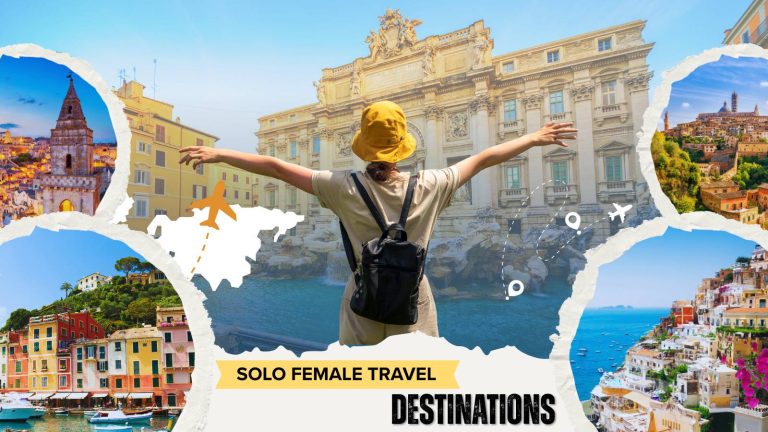
Traveling solo can be one of the most life-changing experiences a woman can have. Beyond adventure and sightseeing,…
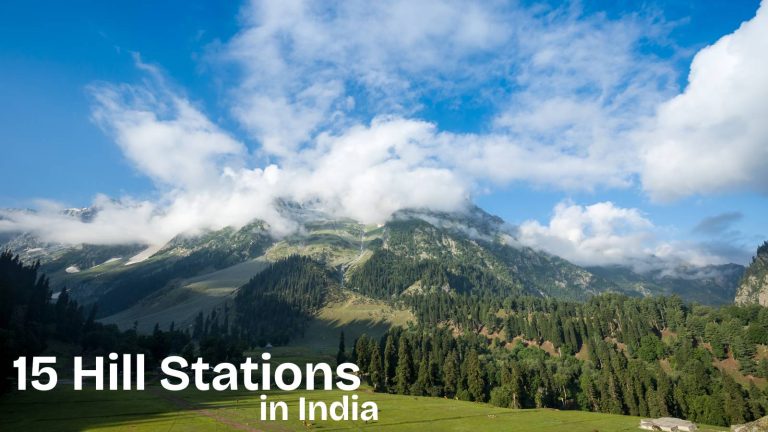
India boasts thousands of breathtaking landscapes, yet most travelers often stick to familiar destinations like Manali, Shimla, Ooty,…