Bali Travel Guide: Secret Villages & Hidden Water Temples Tour
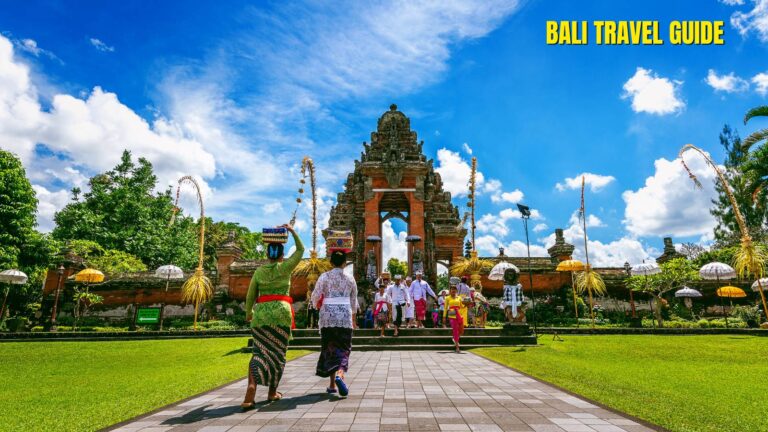
Bali is often described as the Island of the Gods, a land of beaches, volcanoes, and vibrant nightlife.…

Ubud, located in the heart of Bali’s lush highlands, is widely regarded as the island’s cultural and spiritual capital. Far removed from the beaches and nightlife of southern Bali, Ubud offers travelers a serene and immersive experience rooted in tradition, nature, and holistic wellness. For those seeking to understand the soul of Bali, exploring the top things to do in Ubud is essential.
Is Bali Safe for Solo Female Travelers? What I Wish I Knew
From breathtaking rice terraces and sacred temples to vibrant art markets and authentic cuisine, Ubud reveals the true essence of Balinese life. Here are 10 epic experiences that highlight why Ubud remains one of Southeast Asia’s most beloved travel destinations.
The Tegallalang Rice Terraces are a UNESCO-listed wonder and one of the most iconic landscapes in Bali. These meticulously carved, emerald-green fields stretch across the hillsides just north of Ubud and provide visitors with spectacular views and peaceful walking trails.
Visitors can explore the terraces on foot, enjoy fresh coconut water from hillside cafés, or opt for a thrilling swing experience that offers panoramic photo opportunities.
The Sacred Monkey Forest Sanctuary is a must-see attraction in Ubud, blending wildlife with cultural heritage. This dense forest, home to over 1,200 Balinese long-tailed macaques, also houses three ancient temples and a network of moss-covered pathways surrounded by banyan trees and stone carvings.
Visitors should exercise caution with personal belongings, as the monkeys are curious and unafraid.
The Yoga Barn is one of Southeast Asia’s premier wellness centers. Offering a wide array of yoga classes, meditation, sound healing, and detox retreats, it has become a sanctuary for wellness seekers visiting Bali.
Set amid tropical gardens, the open-air studios create a peaceful atmosphere ideal for those seeking physical and spiritual alignment.
Goa Gajah, or the Elephant Cave, is a spiritual and archaeological site dating back to the 11th century. The cave entrance, carved to resemble a menacing demon’s mouth, leads to a small chamber with historical relics and religious altars.
Surrounding the site are bathing pools, stone sculptures, and rice fields, making this a culturally enriching stop.
The Ubud Art Market offers a colorful and authentic glimpse into Balinese craftsmanship. Located across from the Ubud Palace, the market features locally made items such as batik fabrics, handwoven baskets, silver jewelry, and wood carvings.
It’s a popular destination for travelers looking to purchase souvenirs while engaging in traditional bartering practices.
Ubud is known for its rich culinary traditions, and some of the best food experiences come from local warungs—family-run eateries offering traditional Balinese dishes at affordable prices.
Dishes such as Nasi Campur (mixed rice), Babi Guling (suckling pig), and Tempeh Satay are local favorites. Vegetarian and vegan options are widely available, reflecting Ubud’s wellness-focused community.
For those seeking tranquility and natural beauty, the Campuhan Ridge Walk offers a scenic hiking trail just a short distance from Ubud’s town center. This 2-kilometer walk traverses lush hills, coconut trees, and traditional villages.
The trail is best explored during sunrise or sunset, when the golden light casts a magical glow over the valley.
The Blanco Renaissance Museum offers a unique fusion of Balinese beauty and European artistry. The museum showcases the work of Don Antonio Blanco, a Spanish artist who settled in Bali and drew inspiration from its women, mythology, and landscapes.
Perched atop a hill, the museum also offers sweeping views of the surrounding jungle and valley.
Tirta Empul is one of Bali’s most revered temples, known for its sacred spring water used for spiritual purification. Located near Tampaksiring, about 30 minutes from Ubud, this temple welcomes both locals and tourists seeking physical and emotional cleansing.
Participants follow a structured ritual by bathing in a series of fountains fed by the holy spring.
The Ubud Royal Palace (Puri Saren Agung) is the cultural centerpiece of the town and offers nightly traditional Balinese dance performances. These shows bring centuries-old stories to life through intricate costumes, graceful hand movements, and rhythmic gamelan music.
Performances such as Legong, Barong, and Ramayana Ballet are held in the palace courtyard, offering a truly immersive cultural experience.
Travelers looking for meaningful experiences will find that Ubud offers not just attractions, but transformation.
FAQs
Ubud is famous for its cultural, natural, and wellness attractions. Top activities include visiting Tegallalang Rice Terraces, exploring the Sacred Monkey Forest Sanctuary, hiking the Campuhan Ridge Walk, attending yoga classes at The Yoga Barn, shopping at Ubud Art Market, and watching traditional Balinese dance performances at Ubud Palace.
Absolutely. Ubud offers a more authentic and spiritual side of Bali, away from the beach crowds. It’s ideal for culture seekers, nature lovers, wellness enthusiasts, and anyone looking for a serene and enriching experience.
Early morning (before 9 AM) is the best time to visit. The light is soft and golden for photography, and the area is less crowded. It also tends to be cooler during this time.
Yes, visitors can walk freely through the Monkey Forest and observe the monkeys in their natural habitat. However, it’s important to avoid feeding them, hide loose items like sunglasses, and maintain a respectful distance.
Yes, the Campuhan Ridge Walk is a beautiful and easy hiking trail in Ubud offering lush green valley views. Other nearby hiking areas include Mount Batur (for sunrise treks) and jungle treks in the surrounding villages.
Cultural experiences include visiting temples like Goa Gajah (Elephant Cave) and Tirta Empul (for water purification rituals), watching traditional dances at Ubud Palace, exploring local art at the Blanco Museum, and participating in Balinese cooking classes.
Yes, Ubud is one of the leading destinations in Asia for yoga and wellness. Popular spots like The Yoga Barn and Radiantly Alive offer drop-in classes, multi-day retreats, detox programs, and spiritual healing workshops.
Head to local warungs such as Warung Biah Biah, Ibu Oka (for Babi Guling), or Warung Sopa (for vegetarian options). These eateries serve traditional dishes like Nasi Campur, Tempeh Satay, and Lawar in a local setting.
Yes. Some key entrance fees as of 2025 include:
A minimum of 3 to 4 days is recommended to fully explore the highlights of Ubud, enjoy its wellness offerings, and immerse yourself in the culture without rushing. Longer stays allow for deeper exploration and day trips to nearby attractions.
Bali is often described as the Island of the Gods, a land of beaches, volcanoes, and vibrant nightlife.…
Traveling solo can be one of the most life-changing experiences a woman can have. Beyond adventure and sightseeing,…
India boasts thousands of breathtaking landscapes, yet most travelers often stick to familiar destinations like Manali, Shimla, Ooty,…