Bali Travel Guide: Secret Villages & Hidden Water Temples Tour
Bali is often described as the Island of the Gods, a land of beaches, volcanoes, and vibrant nightlife.…
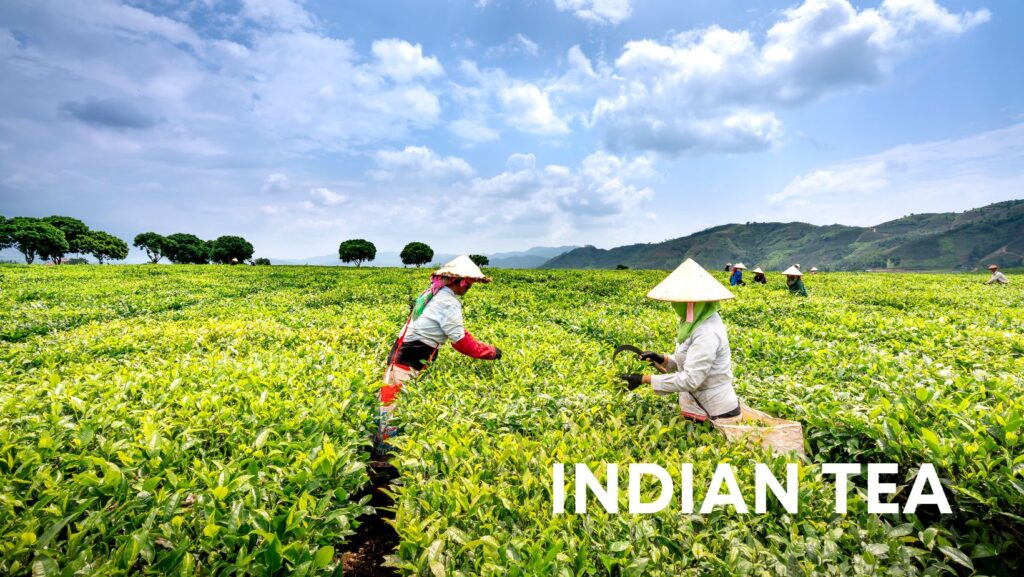
When we sip a cup of Indian tea, we rarely think about its ancient roots. But behind every warm cup lies a story that is part legend, part history — and all heart. India, especially the lush valleys of Assam, holds not just sprawling tea gardens but also ancient tales about how tea was discovered and how it became a way of life.
Let’s walk through the mythological stories, real-life discoveries, and travel spots that make Indian tea a fascinating journey in itself.
According to Indian legends, the discovery of tea dates back to ancient spiritual times. One of the most popular myths comes from the Buddhist monk Bodhidharma.
Bodhidharma, a prince-turned-monk from South India, traveled to China to spread Buddhism. To stay awake during his nine-year meditation, he vowed never to sleep. But as the story goes, fatigue got the better of him. In frustration and guilt, he cut off his eyelids and threw them on the ground. From this very spot, a tea plant is said to have sprouted.
The leaves of this magical plant helped him stay alert and awake — and so tea was born. This tale, though steeped in mythology, shows how deeply tea is connected to mindfulness and spiritual awakening in Indian and Asian cultures.
While tea had been known in India through traditional and wild use for centuries, the first formal discovery of Indian tea as a cultivated product is credited to Robert Bruce in the early 19th century.
In 1823, Scottish adventurer Robert Bruce came across wild tea plants growing in Assam while trading with the local Singpho tribes. He noticed that the tribe had been using tea leaves for centuries — chewing them raw or brewing them into a drink.
Bruce made arrangements to collect samples of these wild plants. Unfortunately, he died before the project could move forward. His brother, Charles Alexander Bruce, later submitted the plant samples to the Calcutta Botanical Garden, confirming it as a distinct variety: Camellia sinensis var. assamica.
This discovery laid the foundation for India’s vast tea industry, which would soon compete with China’s global dominance in tea exports.
The Assam region in northeast India is the birthplace of Indian tea as the world knows it today. But even before the British recognized its commercial value, local tribes like the Singphos, Khamtis, and Nagas were already aware of its magic.
The Singpho chief, Bessa Gam, is often credited with showing the wild tea plants to Robert Bruce. The tribes had their own methods of harvesting and brewing — often drying the leaves, wrapping them in bamboo, and storing them underground for fermentation.
This local knowledge, passed down through generations, played a crucial role in turning Assam into one of the world’s greatest tea-producing regions.
If you’re planning a trip to India and want to experience the tea story first-hand, Assam should be at the top of your list. Here’s what you shouldn’t miss:
Known as the cultural heart of Assam, Jorhat is home to the Tocklai Tea Research Institute, the oldest and largest tea research facility in the world.
Must-do: Take a guided tea garden tour, meet the pluckers, and enjoy a traditional Assamese thali with tea pairings.
Another jewel in Assam’s crown, Dibrugarh offers picturesque tea estates like Mancotta and Ethelwold. Stay at heritage bungalows for a colonial feel and enjoy fresh-brewed tea right from the garden.
Must-do: Book a stay in a heritage tea planter’s bungalow and take a jeep safari into the nearby Dibru-Saikhowa National Park.
Digboi is not just India’s oldest oil town, but also part of the early tea trail. It has colonial tea estates and beautiful scenic views of the tea-covered hills.
Must-do: Explore the blend of history, tea, and industry through heritage walks and museum visits.
Tea in India is more than a beverage — it’s a story brewed over centuries, filled with mystery, legend, and human connection. Whether you’re a tea lover or a cultural explorer, a trip to the Assam tea belt is like tracing the roots of a global habit.
So next time you hold a cup of chai, remember: you’re holding a piece of Indian history — one that invites you to explore the land where legends bloom like tea leaves in the monsoon sun.
FAQ
Indian mythology credits Bodhidharma, a Buddhist monk, with the accidental discovery of tea. According to legend, his discarded eyelids grew into the first tea plant, symbolizing tea as a drink that promotes alertness and focus.
Robert Bruce, a Scottish adventurer, is recognized for discovering wild tea plants in Assam in 1823. His brother, Charles Bruce, further developed tea cultivation and helped establish India’s tea industry.
Local tribes in Assam, especially the Singpho tribe, were already using wild tea leaves for centuries. These tribes introduced the tea plant to Robert Bruce, who recognized its potential for large-scale cultivation.
Assam is the most famous state for tea production in India. Other notable regions include Darjeeling in West Bengal and Nilgiris in Tamil Nadu.
Yes, Assam is considered the birthplace of India’s tea industry. The wild tea plant discovered there, Camellia sinensis var. assamica, differs from Chinese tea and grows uniquely in Assam’s tropical climate.
Absolutely! Many tea estates in Assam, such as those in Jorhat, Dibrugarh, and Tinsukia, welcome tourists for tea garden tours, tea tasting, and even homestays in heritage tea bungalows.
The best time to visit is from March to June, during the tea plucking season. The weather is pleasant, and you can witness the lush green estates at their most vibrant.
Assam tea is known for its strong, malty flavor, and is often used in breakfast teas like English Breakfast or Irish Breakfast. Darjeeling tea has a lighter, floral taste and is often referred to as the “Champagne of Teas.”
Yes! Assam hosts the Assam Tea Festival in Dibrugarh and Jorhat, typically held in November or December. It includes tea garden tours, cultural performances, and tea tasting events.
Yes. Many tea estates have outlets or offer online purchasing of fresh, organic Assam tea. Buying directly from plantations ensures better quality and supports local communities.
Primarily black tea, but Assam also produces green tea, white tea, and orthodox tea (hand-processed loose-leaf tea). Assam black tea remains the most globally exported.
Tea was first cultivated commercially in China, but wild tea plants native to India were discovered in Assam. These were developed into a separate industry distinct from Chinese tea.
Bali is often described as the Island of the Gods, a land of beaches, volcanoes, and vibrant nightlife.…
Traveling solo can be one of the most life-changing experiences a woman can have. Beyond adventure and sightseeing,…
India boasts thousands of breathtaking landscapes, yet most travelers often stick to familiar destinations like Manali, Shimla, Ooty,…