
Best Places to Travel with Kids in India: Where to Go by Age, Budget & Season
The best places to travel with kids in India include Goa, Kerala, Ooty, Jaipur, Udaipur, Mysuru, Manali, Kashmir,…
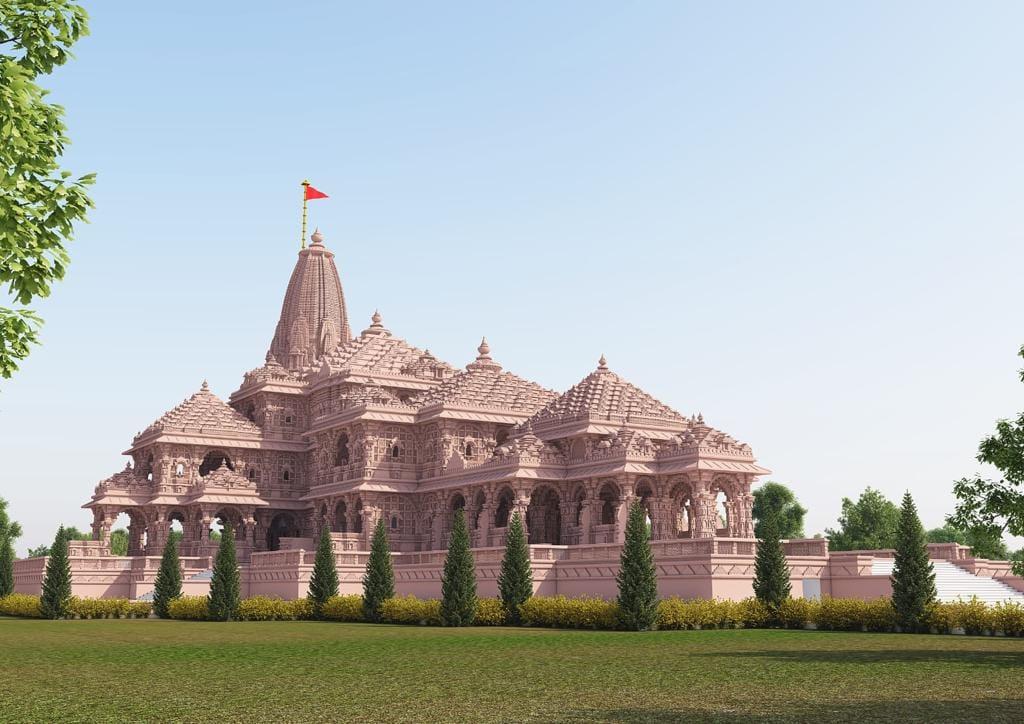
Shri Ram Janmabhoomi is the site that is believed to be the birthplace of Lord Rama, the seventh incarnation of the Hindu deity Vishnu. The site is located in the holy city of Ayodhya, in the state of Uttar Pradesh, India. The site is also known as Ram Mandir or Ayodhya Temple and is one of the most sacred and revered places for Hindus.
The history of Shri Ram Janmabhoomi is shrouded in mystery and controversy. According to the Hindu epic Ramayana, Lord Rama was born in Ayodhya on the banks of the Sarayu River. Some Hindus claim that the exact spot of his birthplace is where the Babri Masjid, a mosque built by the Mughal emperor Babur in 1528, once stood. There is no conclusive historical or archaeological evidence to support this claim. The site has been a subject of dispute between Hindus and Muslims for centuries and has witnessed several conflicts and violence.
The most recent and significant event was the demolition of the Babri Masjid by Hindu nationalists on December 6, 1992, which sparked widespread communal riots across India. The legal battle over the ownership and status of the site reached the Supreme Court of India, which heard the case from August to October 2019.
On November 9, 2019, the Supreme Court delivered its verdict, which ordered that the disputed land be handed over to a trust to build a Hindu temple and that a separate plot of land be allotted to the Muslim parties to construct a mosque.
The construction of the Ram Temple officially began on March 25, 2020, with a grand ceremony on August 5, 2020, where Prime Minister Narendra Modi laid the foundation stone. The temple is expected to be completed by 2025 and will have a grand structure with five domes, 360 pillars, and a 161-foot-tall statue of Lord Rama.
Shri Ram Janmabhoomi can be reached by various modes of transport.
Shri Ram Janmabhoomi can be visited throughout the year, but the best time is during the winter months (October to March) when the weather is pleasant for exploring the site and its surroundings. The summer months (April to June) are very hot and humid, and may not be suitable for some visitors. The monsoon months (July to September) may cause some inconvenience due to heavy rains and floods.
Find out everything you need to know about this sacred site, its history, its location, and its best time to visit. Don’t miss this opportunity to explore one of the most revered tourist attractions in Ayodhya.
The best places to travel with kids in India include Goa, Kerala, Ooty, Jaipur, Udaipur, Mysuru, Manali, Kashmir,…
12 Jyotirlingas are sacred shrines dedicated to Lord Shiva, each representing a unique manifestation of the divine. Spread…
Planning a trip to the mystical Kedarnath Temple? Discover the best and most convenient ways to reach this…