
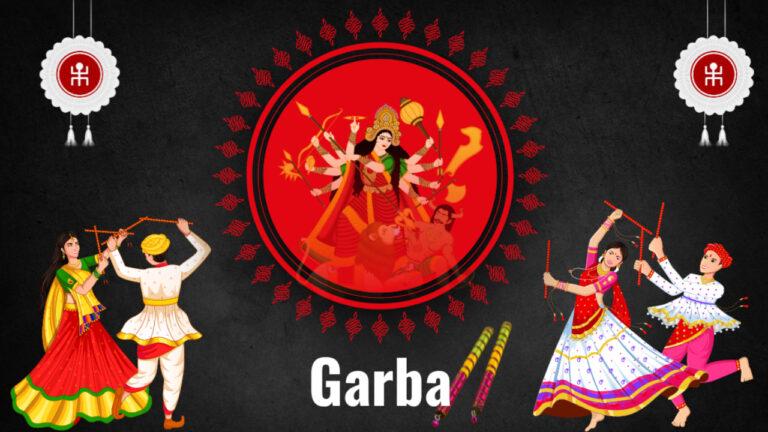
Garba: What, Why, When, and How to Prepare for Garba?
Garba is a beautiful celebration of culture, devotion, and community. Vibrant colors and lively music fill the air,…
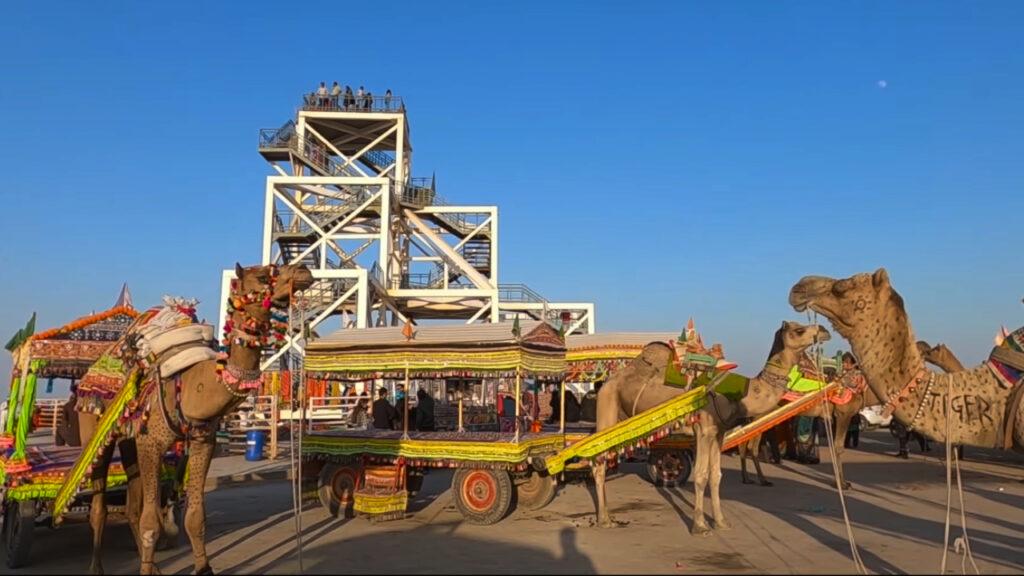
Rann of Kutch, a mesmerizing salt marsh located in the Thar Desert, spans the border between India and Pakistan. Known for its stunning white desert landscape, it is one of the largest salt deserts in the world, covering an area of approximately 7,500 square kilometers. This unique region is not only a natural wonder but also a cultural and historical treasure.
Rann of Kutch is situated in the Kutch district of Gujarat, India. It is divided into two main parts: the Great Rann of Kutch and the Little Rann of Kutch. Great Rann lies to the north of the district, while the Little Rann is located to the southeast. Region is bordered by the Arabian Sea to the west and the Indian states of Rajasthan and Gujarat to the north and east, respectively.
History of the Rann of Kutch dates back to ancient times, with evidence of early Neolithic settlements. Archaeological findings suggest that early humans lived here, engaging in hunting and gathering. Over time, they developed agriculture and established permanent settlements.
One of the most significant periods in the history of the Rann of Kutch was during the Indus Valley Civilization, around 2500 BCE. Ancient urban culture was known for its advanced city planning, architecture, and trade networks. Rann’s strategic location made it a key trade route, connecting the Indian subcontinent with Mesopotamia and other ancient civilizations.
After the decline of the Indus Valley Civilization, the Rann of Kutch became part of the Maurya Empire in the 4th century BCE. Mauryan rulers, including Emperor Ashoka, recognized its strategic importance. Later, the region came under the control of the Gupta Empire, known as the Golden Age of India due to its advancements in science, art, and literature.
During the medieval period, the Rann of Kutch was ruled by various local dynasties. Charans, a warrior caste, controlled the region for several centuries. In the 16th century, the Jadeja Rajputs established their dominance over Kutch. Jadejas were known for their bravery and played a crucial role in defending the region against invasions.
Rann of Kutch came under British control in 1819, following the defeat of the local rulers by the British East India Company. British recognized the region’s strategic importance and established it as a key trade route, linking India with the Middle East.
After India gained independence in 1947, the Rann of Kutch became part of the state of Gujarat. Region continued to play a significant role in trade and commerce. In recent years, the Rann of Kutch has gained prominence as a tourist destination, attracting visitors from around the world to its unique white desert landscape and vibrant cultural festivals.
Rann of Kutch is accessible throughout the year, but the best time to visit is during the Rann Utsav, which typically runs from November to February. The white desert is open for visitors from 6:00 AM to 8:00 PM. Most magical experience is during the full moon nights when the white desert glows under the moonlight.
To visit the Rann of Kutch, especially the white desert area, visitors need to obtain a permit due to its proximity to the Pakistani border. Entry fees are as follows
Best time to visit the Rann of Kutch largely depends on the weather and the experiences you want to have. Here’s a breakdown of the seasons:
Winter (November to February): Ideal time to visit the Rann of Kutch. Weather is pleasant and cool, making it comfortable for exploring the salt flats and participating in outdoor activities. Rann Utsav is also held during this period, offering a unique opportunity to experience the region’s cultural festivities.
Summer (March to June): Temperatures in the Rann of Kutch can become extremely high during the summer months, often exceeding 40°C (104°F). While the landscape remains striking, the intense heat can make travel uncomfortable. If you plan to visit during this season, be prepared for hot conditions and limited activities.
Monsoon (July to October): Monsoon season brings heavy rains to the region, which can lead to flooding in the Rann of Kutch. Salt flats are often submerged, and many areas become inaccessible. Not the best time to visit if you want to see the classic white desert landscape.
Rann of Kutch is renowned for several unique features that make it a special and sought-after destination:
Unique experience during the Rann Utsav is the Rann of Kutch Night Safari, where visitors can explore the desert under the stars or during a full moon.
Night safari allows visitors to see the salt desert shimmering under the moonlight, creating an ethereal and unforgettable landscape. Take guided tours with local experts who will lead you into the desert, where you’ll encounter wildlife such as the Indian wild ass, and possibly glimpse rare migratory birds. Full moon nights are especially popular, as the white salt desert sparkles like a diamond under the glowing moonlight.
For photographers and Instagrammers, finding the best Rann of Kutch photography spots is a top priority. Unique landscape provides stunning backdrops, especially at sunrise and sunset.
Sunrise and sunset at the Rann of Kutch are mesmerizing, offering perfect moments for photographers to capture the vast expanse of the white salt desert. Another popular photography spot is the Hand of the Desert sculpture, a monumental piece that stands out against the stark landscape. For an elevated view, head to the Kala Dungar (Black Hill), the highest point in Kutch, where you can capture panoramic views of the desert.
Finally, an essential topic visitors often search for is the permits required for visiting the Rann of Kutch, as it is located near the Indo-Pakistan border.
To enter the White Rann area, visitors need to obtain a permit from the BSF (Border Security Force) due to its proximity to the international border. Permits can be acquired at the Bhirandiyara checkpoint, about 55 km from Bhuj. Ensure you carry a valid ID proof, such as a passport or Aadhaar card, to get the necessary permission. Permits can also be applied for online to save time.
Travelers frequently search for how to reach the Rann of Kutch, as it is located in a remote area. Visitors usually fly into Bhuj Airport, the closest major city, or take a train from various cities in India.
Nearest airport to Rann of Kutch is in Bhuj, approximately 80 kilometers away. From there, visitors can either rent a car or hire a taxi to reach the festival grounds. Alternatively, Bhuj Railway Station is well connected with major cities like Ahmedabad, Mumbai, and Delhi, making train travel a convenient option. Once in Bhuj, you can opt for buses or private cabs to reach Dhordo or other festival areas.
Rann of Kutch offers a unique and unforgettable experience for travelers seeking to explore one of India’s most distinctive landscapes. From the stunning white salt flats of the Great Rann to the wildlife-rich Little Rann, the region provides a range of attractions and experiences.
Interested in the cultural festivities of the Rann Utsav, the natural beauty of the salt flats, or the rich history and traditions of the Kutch region, the Rann of Kutch is sure to leave a lasting impression. Planning your visit during the right season and being prepared with practical information will ensure a memorable and enjoyable trip to this remarkable destination.
Garba is a beautiful celebration of culture, devotion, and community. Vibrant colors and lively music fill the air,…
5 comments