

Travel Guide for Holi Festival in Vrindavan for USA Traveler
Holi Festival in Vrindavan is one of the most vibrant and unforgettable experiences for travelers from around the…
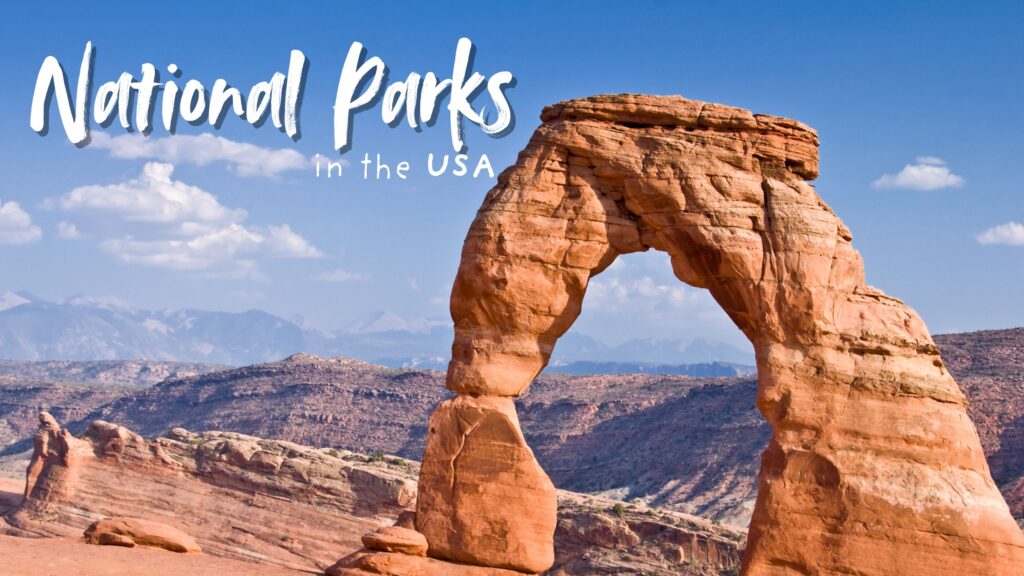
The United States boasts an incredible collection of national parks, each showcasing stunning landscapes, diverse wildlife, and endless opportunities for adventure. From the majestic peaks of Yosemite to the geysers of Yellowstone, these parks offer something special for every nature lover. Whether you seek scenic trails, close encounters with wildlife, or a peaceful retreat into the great outdoors, the country’s national parks provide the perfect getaway. Explore the best national parks in the USA, from well-known favorites to hidden gems waiting to be discovered. Start your journey and experience the beauty of America’s natural wonders!
Glacier National Park stands out as one of the most beautiful national parks in the US. Known as the “Crown of the Continent,” this stunning destination spans over a million acres, offering jagged mountain peaks, crystal-clear lakes, and diverse wildlife. Whether you’re planning a summer road trip to admire the park’s lush greenery or a winter retreat to witness its snow-covered beauty, Glacier National Park promises an unforgettable adventure. Before you go, it’s essential to know the park’s hours, entry fees, and must-visit spots to make the most of your trip.
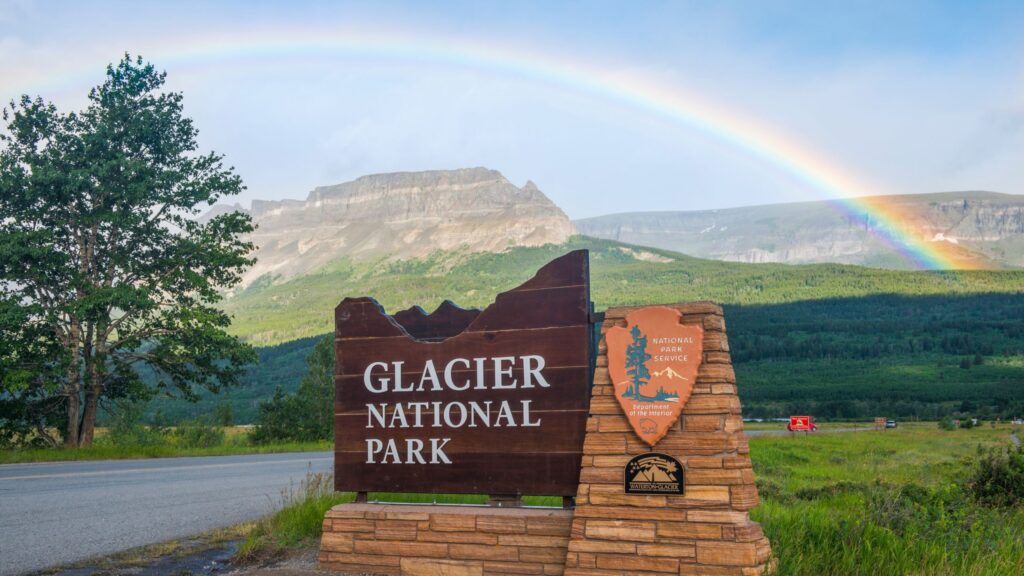
With 700 km of hiking trails and innumerable glacial lakes, Glacier National Park provides nature lovers and hikers with an amazing backcountry experience. Take your RV, drive through the forests, and pitch a camp by the most precious campsites. Beware of the bears and wild goats which are the primary dwellers of the park. The best time to visit glacier national park is during the months of July, August and September when the weather is pleasantly warm.
Elevation: Highest point in the park is Mt. Cleveland with a height of 10,466 ft. The highest motorable point in the park is Logan Pass located at an altitude of 6,646 ft. Siyeh Pass Trail at 8,100 ft is the highest maintained trail in the park.
Longitude & Latitude: 48°41′48″N 113°43′6″W
Geography: Glacier National Park displays a tremendous range of topography. The park is flanked with forests, alpine meadows, lakes, rugged peaks, and glacial-carved valleys in the Northern Rocky Mountains. There are three different mountain ranges in the park; Lewis Range, Clark Range, and the Livingston Range.
Permit & Entry Fee: In summers: $35 per vehicle, $30 per motorcycle, $70 for an annual park pass
In winters: $20 per motorcycle, $25 per vehicle
Since it is a glacier park, the weather in Glacier National Park is unstable and extreme. The temperature fluctuates as and when there is a shift in the weather pattern. Hikers should be prepared to face a wide range of temperatures while they are in the park.
While the east side of the park experience strong winds and sunny days, the west side receives the maximum precipitation. In winters, the park is covered under a sheen of snow.
During the day, you can expect temperature as high as 32 degrees Celsius, while it drops to -6 degrees Celsius in the night. If you are at a higher elevation in the park, expect to drop the temperature even lower.
This 50-mile scenic drive is the park’s crown jewel, weaving through dramatic valleys and past waterfalls like McDonald Falls and Bird Woman Falls. Stop at Logan Pass, the road’s highest point at 6,646 feet, for sweeping views and access to trails like Hidden Lake Overlook. Open typically from late June to mid-September, it’s a bucket-list route—just plan for summer vehicle reservations (7 a.m. to 3 p.m.) if entering from the west.
The park’s largest lake stretches 10 miles, its glassy waters reflecting Bearhat Mountain and the surrounding peaks. Wander the colorful pebble shoreline, rent a kayak, or take a boat tour. Accessible year-round from the West Entrance, it’s a serene spot for summer picnics or winter snowshoeing.
Postcard-worthy corner of the park, Many Glacier dazzles with Swiftcurrent Lake, the historic Many Glacier Hotel, and rugged peaks. Hike the Grinnell Glacier Trail for stunning views of a shrinking glacier, but note that construction in 2025 may limit access—arrive early or book a shuttle (July to September). It’s a hotspot for bear sightings too.
For a quieter escape, Two Medicine delivers serene beauty with its lakes and trails. Check out Running Eagle Falls (also called Trick Falls), a short, easy hike to a unique waterfall that shifts with the seasons. Surrounded by towering cliffs, it’s a peaceful retreat from busier areas.
Reachable via a moderate 4.5-mile round-trip hike from the Going-to-the-Sun Road, Avalanche Lake is a hidden gem cradled by steep cliffs and fed by cascading waterfalls. The trail through old-growth forest makes it a favorite for hikers seeking solitude and scenery.
The highest drivable point in the park, Logan Pass sits atop Going-to-the-Sun Road and offers jaw-dropping vistas. It’s the launchpad for the Highline Trail, a thrilling hike along a narrow ledge with panoramic payoffs, and a prime spot to spot mountain goats and bighorn sheep. Summer crowds peak here, so start early.
On the east side of Going-to-the-Sun Road, St. Mary Lake stretches 10 miles with Wild Goose Island as its photogenic centerpiece. A moderate hike to Virginia Falls (about 3.6 miles round-trip) rewards you with a misty, 50-foot cascade framed by lush greenery—perfect for a refreshing stop.
Tucked in the North Fork area, Bowman Lake is a tranquil escape surrounded by dense forest and rugged peaks. Reachable by a bumpy dirt road, it’s ideal for kayaking, fishing, or a quiet picnic. Fewer crowds make it a hidden treasure—just bring bug spray.
For the latest updates, trail conditions, and reservations, visit the official Glacier National Park website at nps.gov/glac.
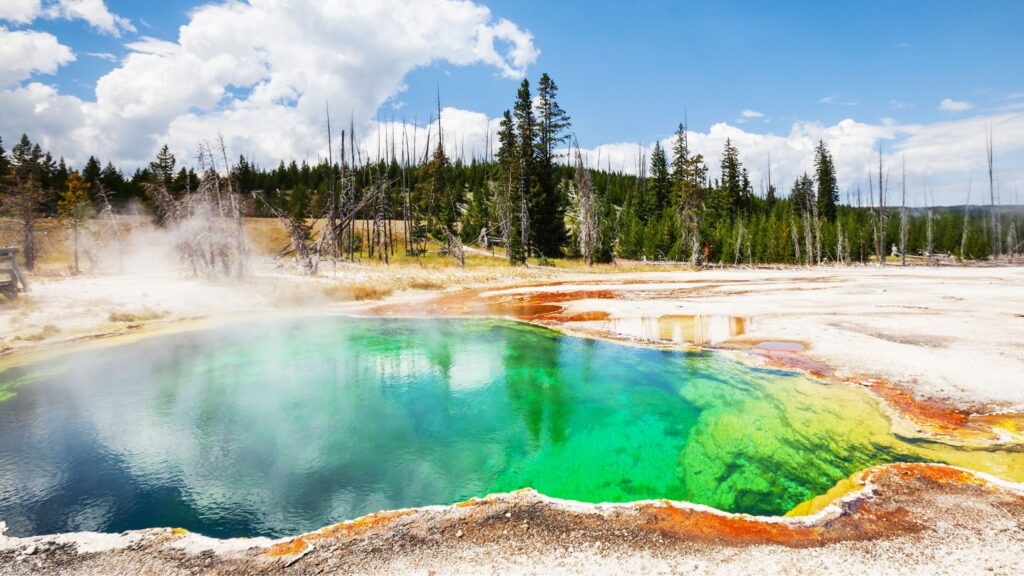
Spanning Wyoming, Montana, and Idaho, Yellowstone was the world’s first national park, established in 1872. Famous for its geothermal wonders, it boasts over 10,000 hydrothermal features, including the vibrant Grand Prismatic Spring and the punctual Old Faithful geyser. The park is also a wildlife haven, home to grizzly bears, wolves, bison, and elk. With over 900 miles of hiking trails, Yellowstone is a paradise for adventurers. As one of the most popular national parks in the USA, it attracts millions of visitors each year, offering breathtaking landscapes, scenic drives, and unparalleled outdoor experiences.
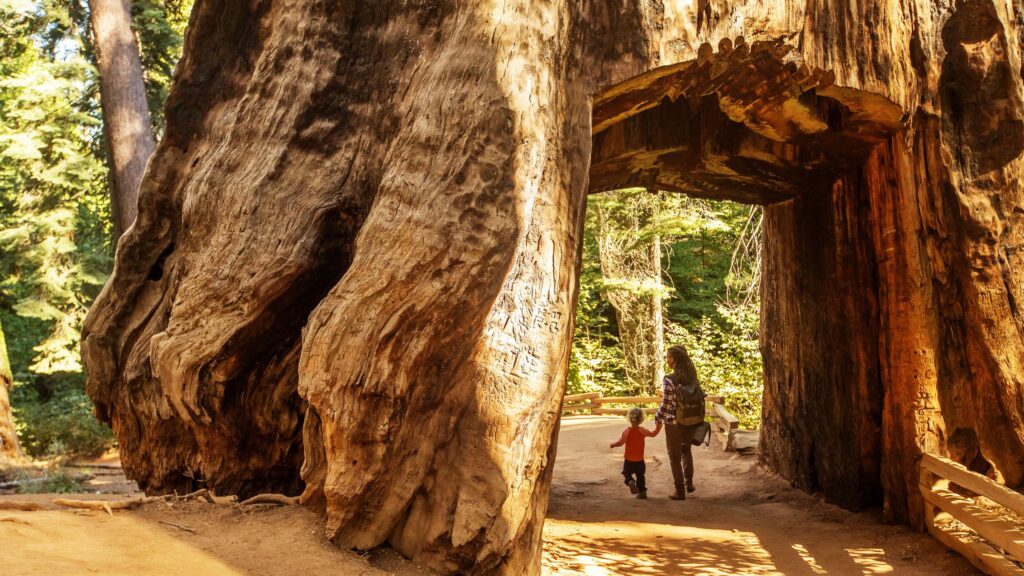
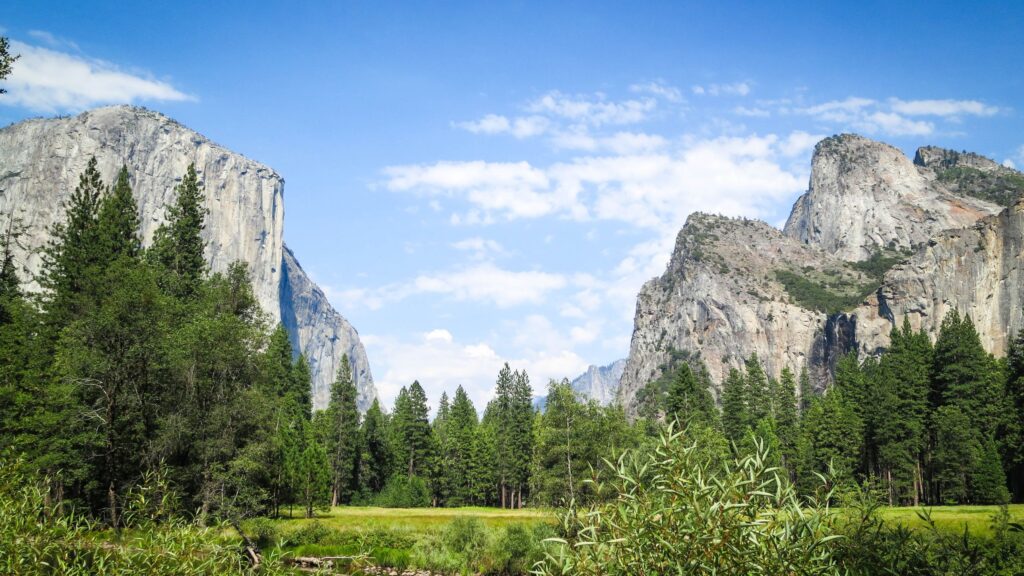
California’s Sierra Nevada Mountains, Yosemite is renowned for its granite cliffs, waterfalls, and giant sequoias. Iconic landmarks like El Capitan and Half Dome draw climbers and photographers, while Yosemite Falls—the tallest in North America—cascades dramatically. The park’s diverse ecosystems support black bears, mule deer, and over 400 species of vertebrates, making it a biodiversity hotspot. Top national parks in the USA, Yosemite offers breathtaking landscapes, extensive hiking trails, and unforgettable outdoor adventures for nature lovers and explorers alike.
Arizona’s Grand Canyon is a geological masterpiece, carved by the Colorado River over millions of years. Stretching 277 miles long, up to 18 miles wide, and over a mile deep, its layered rock formations reveal Earth’s history. Visitors flock to the South Rim for panoramic views, while the North Rim offers a quieter experience. Hiking, rafting, and stargazing are popular ways to explore this awe-inspiring chasm. One of the best national parks in America, the Grand Canyon offers breathtaking landscapes and unforgettable adventures for nature enthusiasts and thrill-seekers alike.
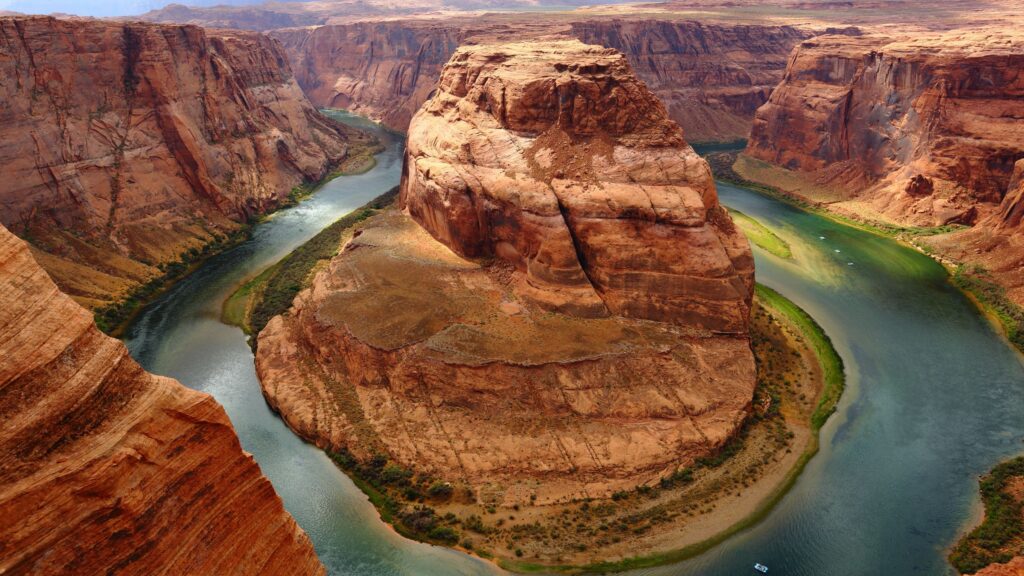
In northwestern Wyoming, Grand Teton dazzles with its jagged, snow-capped peaks rising sharply from Jackson Hole valley. The Teton Range, dominated by the 13,775-foot Grand Teton, is a climber’s dream. Pristine lakes like Jenny Lake reflect the mountains, and abundant wildlife—moose, pronghorn, and bald eagles—roams the park’s meadows and forests. It’s a serene counterpart to its bustling neighbor, Yellowstone. The best parks in the USA, Grand Teton offers breathtaking landscapes, diverse outdoor activities, and a peaceful retreat for nature lovers and adventure seekers.
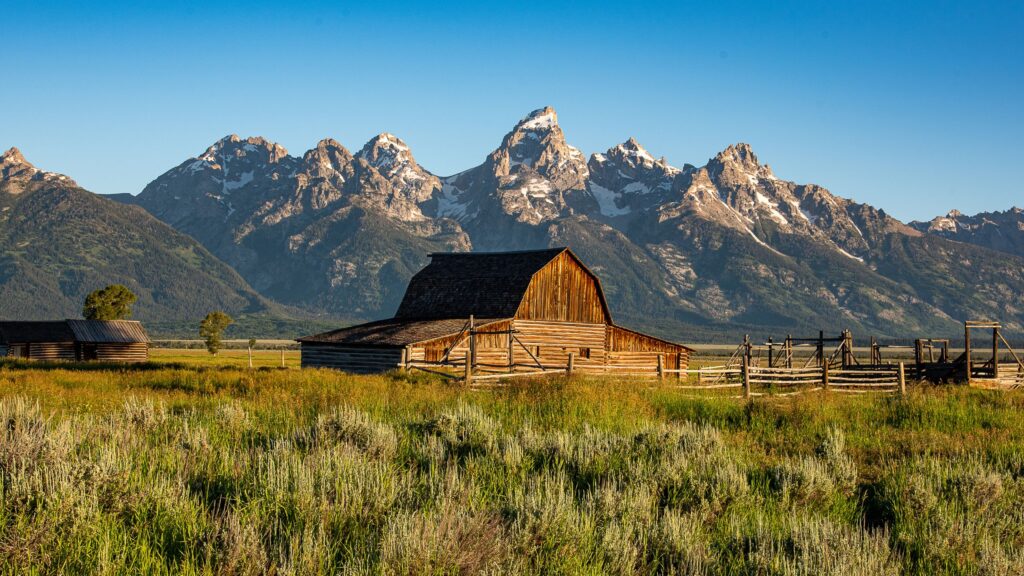
Utah’s Zion National Park is a land of towering sandstone cliffs and narrow Slot Canyons. The Virgin River sculpted its dramatic landscape, including the famous Narrows, where hikers wade through a river flanked by 1,000-foot walls. Angels Landing offers a thrilling trek with jaw-dropping views. Zion’s desert ecosystem supports bighorn sheep, peregrine falcons, and vibrant wildflowers. The must-visit national parks in the USA, Zion captivates adventurers with its stunning scenery, diverse wildlife, and exhilarating hiking experiences.
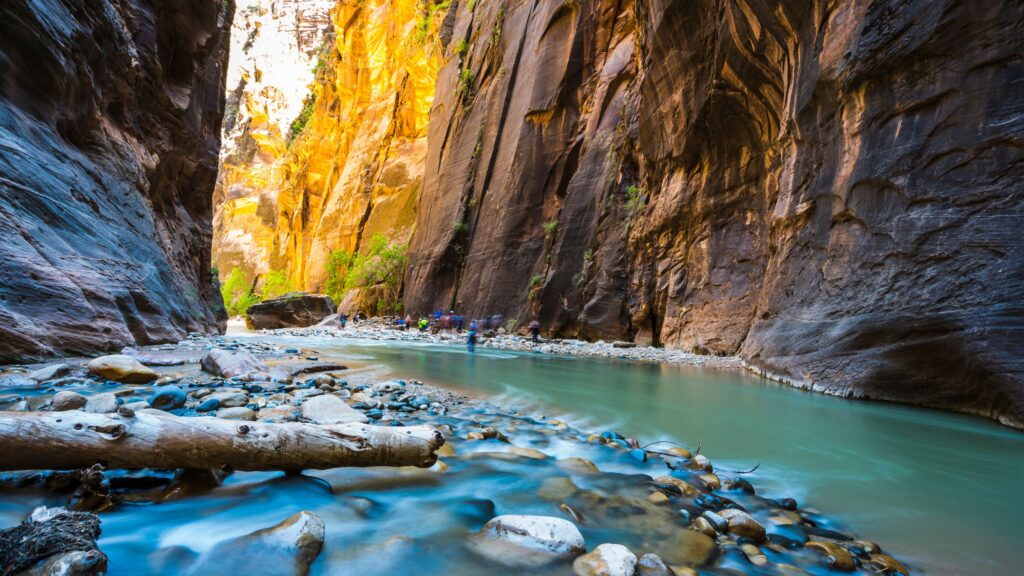
Alaska’s Denali spans six million acres of wilderness, centered around North America’s tallest peak, Denali (20,310 feet). The park’s vast tundra and taiga forests teem with grizzlies, caribou, and Dall sheep. A single 92-mile road winds through, offering glimpses of the mountain on clear days—a rarity due to frequent cloud cover. One of the best parks in the USA, Denali offers a remote, rugged escape for backcountry explorers, wildlife enthusiasts, and adventure seekers looking to experience the untamed beauty of Alaska.
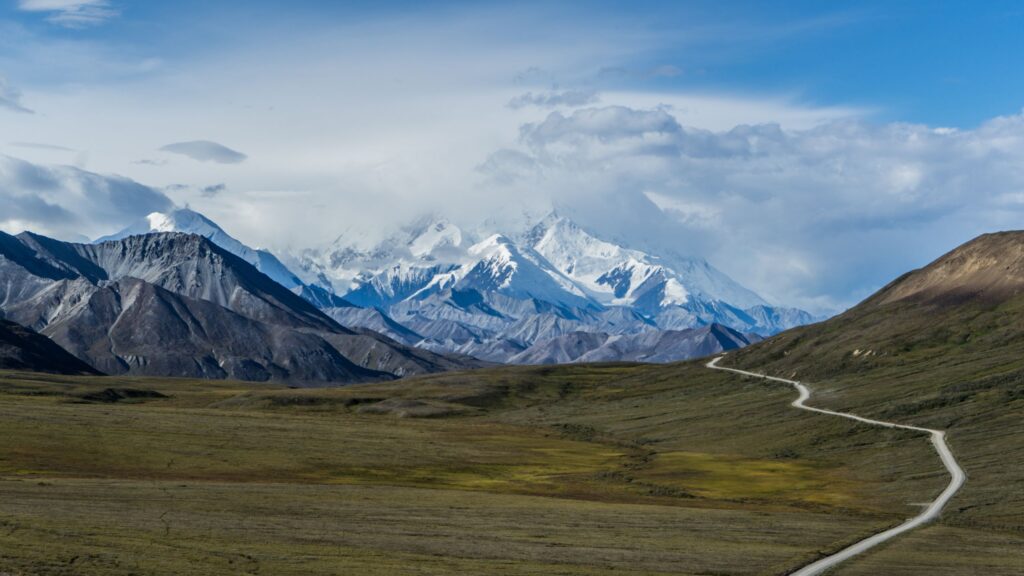
Alaska, Kenai Fjords is a coastal gem where glaciers meet the sea. The Harding Icefield, one of the largest in the U.S., feeds tidewater glaciers like Exit Glacier. Boat tours reveal calving ice, seals, and orcas in Resurrection Bay. With its fjords, rugged cliffs, and marine life, this park offers a stunning blend of ice and ocean.
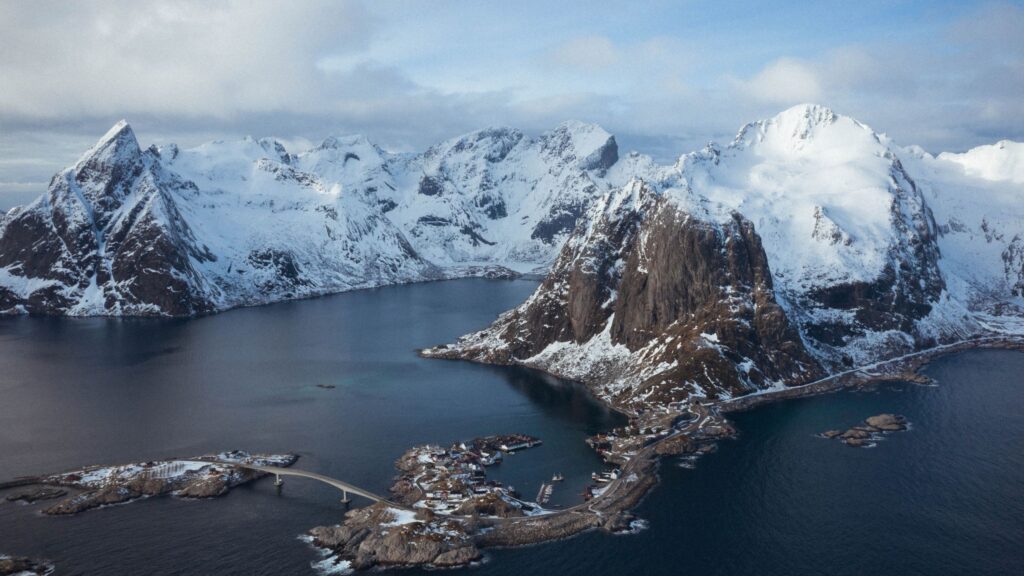
Utah’s Bryce Canyon is a surreal wonderland of hoodoos—spire-like rock formations carved by erosion. At elevations up to 9,100 feet, its amphitheaters glow in shades of red, orange, and pink, especially at sunrise. Trails like the Navajo Loop descend among the hoodoos, while the park’s dark skies make it a stargazer’s delight. Despite its name, it’s technically not a canyon but a series of natural amphitheaters.
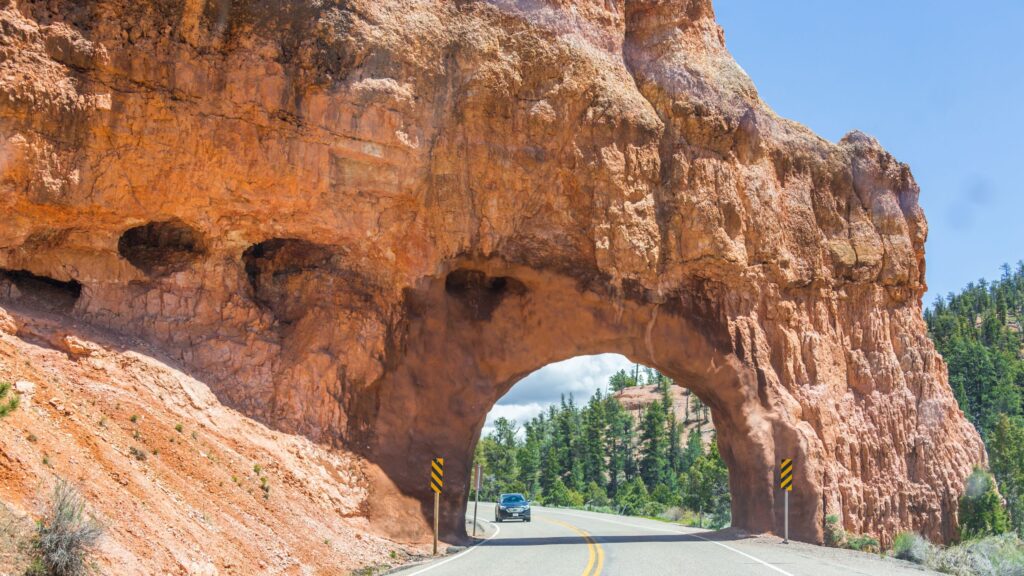
Along California’s northern coast, Redwood protects the tallest trees on Earth—coastal redwoods soaring over 370 feet. These ancient giants, some over 2,000 years old, create a cathedral-like forest. The park also preserves rugged coastline, rivers, and habitats for Roosevelt elk and endangered species like the marbled murrelet. Walking among these titans feels like stepping back in time.
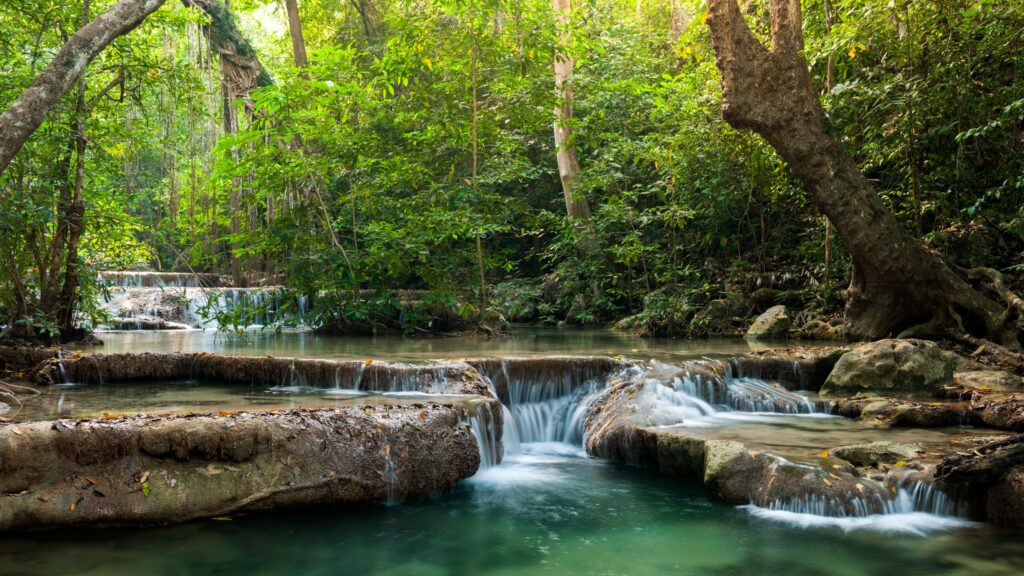
Another Utah treasure, Arches is a desert landscape sculpted into over 2,000 natural stone arches. Delicate Arch, a freestanding icon, is a must-see, especially at sunset. Balanced Rock and the Windows Section showcase geological artistry shaped by wind and water. Hiking and photography reign supreme in this otherworldly red-rock playground.
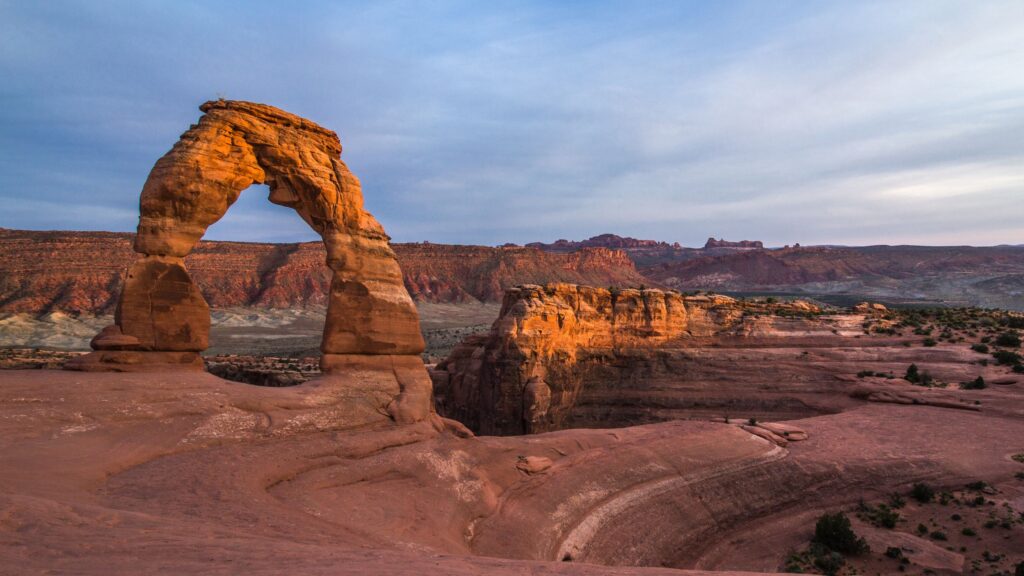
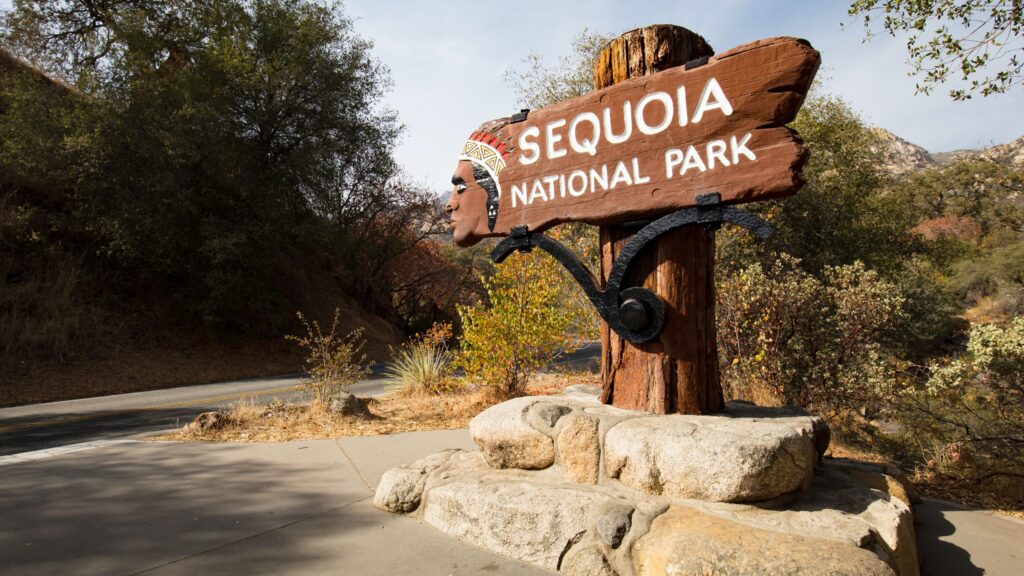
California’s Sequoia is home to the world’s largest trees by volume, the giant sequoias. General Sherman, the largest living tree, stands 275 feet tall with a 36-foot diameter. The park’s high Sierra terrain includes Mount Whitney (14,494 feet), the tallest peak in the contiguous U.S. Crystal Cave and alpine meadows add to its diverse allure.
Washington’s Olympic National Park spans nearly a million acres of rainforest, mountains, and coast. The Hoh Rainforest, drenched in 140 inches of annual rain, nurtures moss-draped trees and ferns. Hurricane Ridge offers alpine vistas, while the wild Pacific shoreline features sea stacks and tide pools. It’s a microcosm of ecosystems in one park.
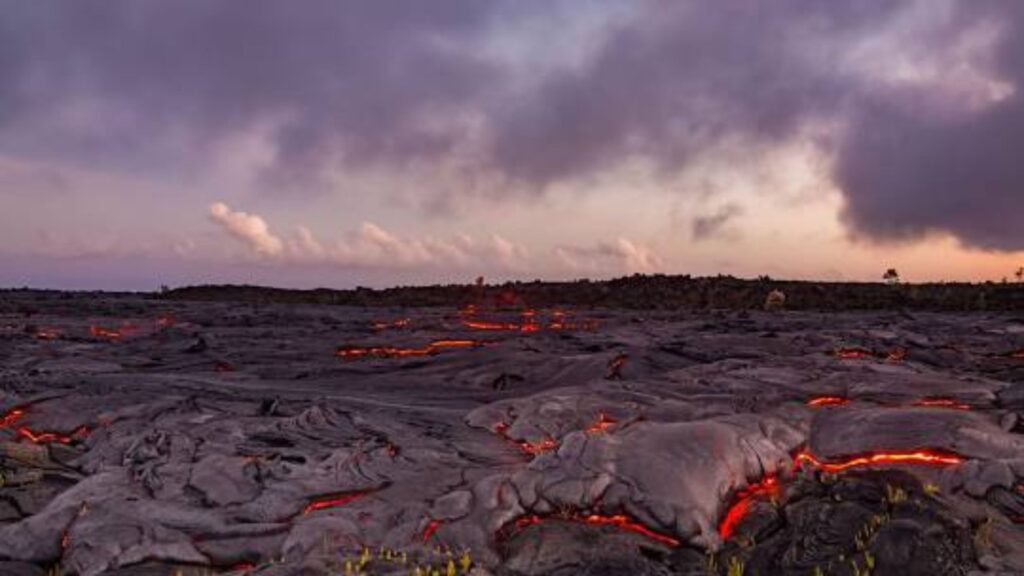
On Hawaii’s Big Island, this park showcases active volcanism. Kilauea and Mauna Loa, two of the world’s most active volcanoes, shape the landscape with lava flows and craters. Visitors can hike across hardened lava fields, peer into the glowing Kilauea caldera, or explore lava tubes. Native Hawaiian flora and fauna, like the nēnē goose, thrive amid this dynamic terrain.
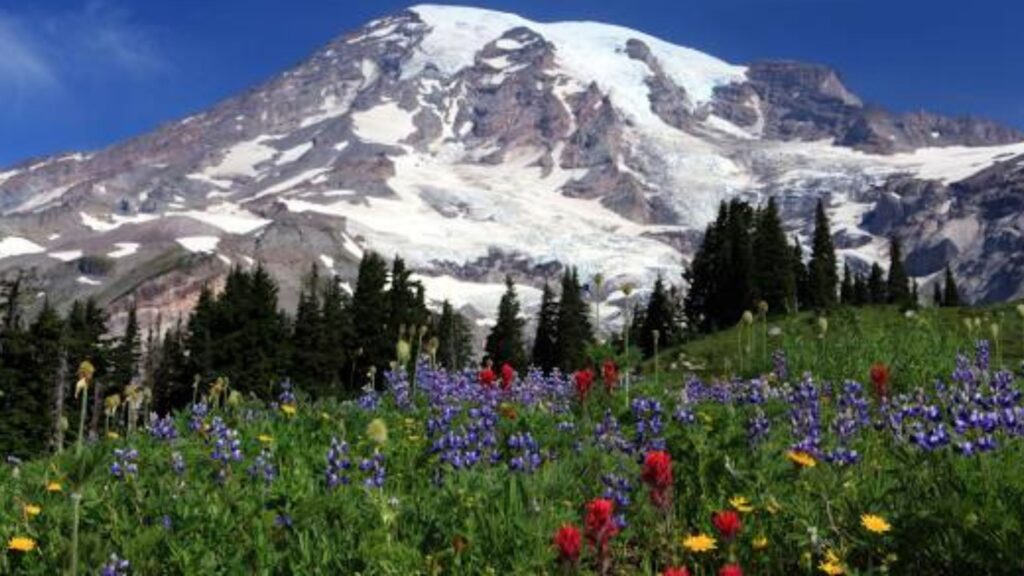
Washington’s Mount Rainier, a 14,411-foot stratovolcano, dominates its namesake park. Covered in 35 square miles of glaciers, it’s a training ground for mountaineers. Wildflower meadows bloom in summer, while subalpine forests shelter elk and black bears. Paradise and Sunrise areas offer stunning views of this snow-clad giant.
Colorado’s Rocky Mountain National Park dazzles with over 100 peaks above 11,000 feet, including Longs Peak (14,259 feet). Trail Ridge Road, the highest paved road in the U.S., offers sweeping alpine vistas. Lakes, waterfalls, and meadows host elk, bighorn sheep, and moose. It’s a year-round destination, with hiking in summer and snowshoeing in winter.
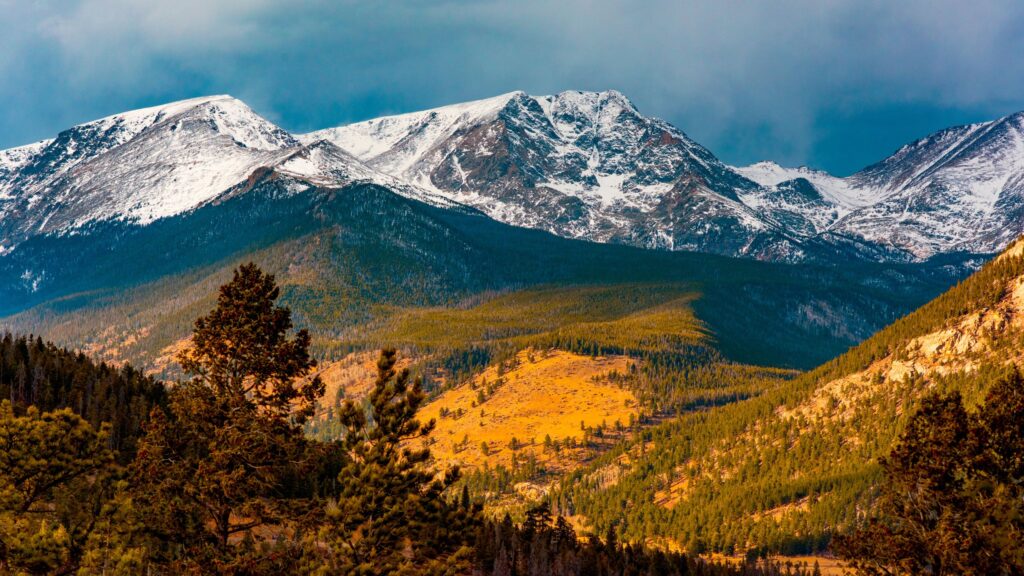
The United States is home to some of the most breathtaking national parks in the world, offering a diverse range of landscapes, from towering mountains and lush forests to vast deserts and coastal wonders. Exploring the most beautiful national parks in the U.S., such as Yosemite and Glacier, or visiting the most popular national parks in the USA, like Yellowstone and Grand Canyon, each park provides a unique and unforgettable experience.
If you’re exploring the best national parks on the East Coast USA, consider Acadia or Shenandoah for their picturesque landscapes. The best national parks in Georgia, USA, include the stunning Cumberland Island National Seashore and Chattahoochee River National Recreation Area. No matter where you go, the best national parks to visit in the U.S. will leave you inspired and eager to explore more of America’s natural wonders.
FAQs
What is the most beautiful national park in the U.S.?
What is the most popular national park in the USA?
Which national parks in the U.S. receive the most visitors?
What are the top national parks in the USA to visit?
What are the best national parks in America for first-time visitors?
What are the best parks in the USA for outdoor adventures?
Which national parks should be on my must-visit list in the USA?
What are the best USA national parks for scenic drives?
Which are America’s top 10 national parks?
What are the best national parks on the East Coast USA?
What are the best national parks in Georgia, USA?
Which national parks on the USA East Coast are worth visiting?
What are the best national parks to visit in the U.S. during summer?
Which national parks in the USA are best for fall foliage?
What are the best national parks for winter vacations in the U.S.?
Which U.S. national parks have the best hiking trails?
What are the most family-friendly national parks in the USA?
What are the best national parks in the U.S. for wildlife viewing?
What are the best national parks for camping in the USA?
Which U.S. national parks have the best waterfalls?
Holi Festival in Vrindavan is one of the most vibrant and unforgettable experiences for travelers from around the…
December in the United States is a time of magic, celebration, and adventure. From dazzling Christmas lights and…
These 12 train routes make it easy to combine comfort, adventure, and a deep connection with nature, all…

2 comments