

GCC Unified Tourist Visa: Top 10 Itinerary Ideas for Travelers Across the Gulf
The GCC Unified Tourist Visa is a significant step towards simplifying travel across the Gulf Cooperation Council (GCC)…
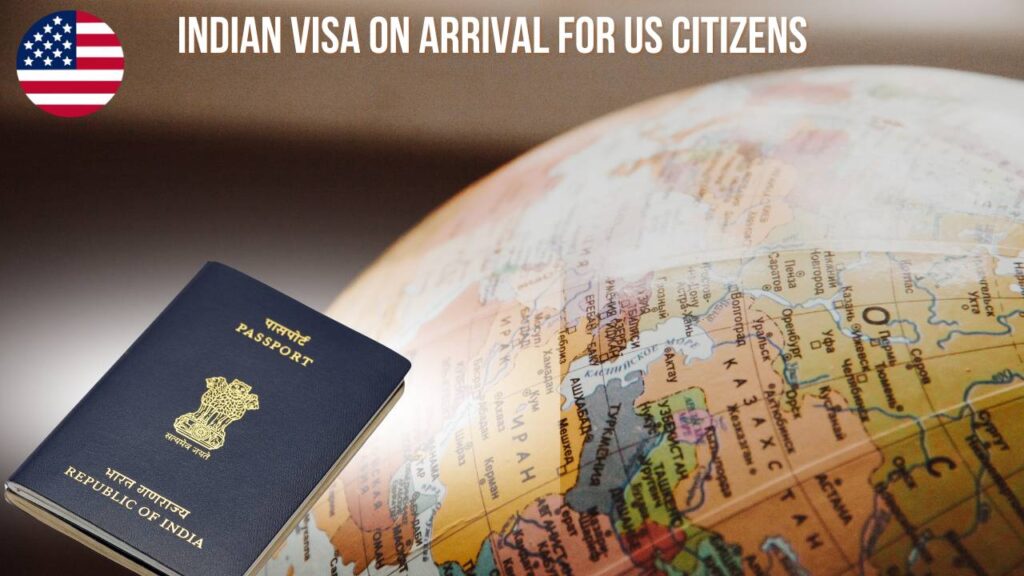
If U.S. citizen planning to travel to India for tourism, business, or medical purposes, the first thing you’ll want to sort out is your visa. While many travelers search for information about the Indian visa on arrival for US citizens, it’s important to clarify that India does not provide a direct “visa on arrival” like some countries. Instead, India offers a robust and user-friendly e-Visa system that allows U.S. citizens to apply online, get approval via email, and present the visa upon arrival at immigration.
What is e-Passport? Benefits, Features & How to Apply
Here are the complete process of obtaining the Indian e-Visa, the different types available, their associated fees and validity, and everything else you need to know before flying to India. Get through every detail to ensure a smooth travel experience.
While India doesn’t provide a literal “visa on arrival” at the airport for U.S. citizens, the Indian e-Visa system effectively serves the same purpose, offering a fast, simple, and fully online process. Instead of waiting in long lines at the airport or visiting the Indian consulate, U.S. travelers can apply from home and receive their visa via email in a few days.
Once approved, this visa must be printed out and presented at designated ports of entry in India. Immigration authorities will stamp your passport at that time. This seamless digital process is not only faster but also reduces the chances of documentation errors or last-minute surprises at the airport.
The term “visa on arrival” is often used by travelers because the e-Visa allows you to arrive in India with an already-approved document that is verified upon entry, just like a visa-on-arrival experience.
India offers several categories of e-Visas based on the purpose of your visit. It’s essential to choose the right one to ensure you’re compliant with immigration regulations.
This is the most commonly used visa by U.S. travelers who wish to explore India’s rich culture, heritage, and natural beauty.
The Business e-Visa is suited for U.S. citizens visiting India for professional purposes such as attending meetings, signing contracts, trade exhibitions, or exploring partnerships.
This visa is intended for those traveling to India for medical treatments or procedures in recognized hospitals or healthcare institutions.
Before applying for an Indian e-Visa, it’s important to ensure that you meet all eligibility conditions set by the Indian government.
The Indian e-Visa process has been designed to be fully digital, straightforward, and accessible for international travelers, especially U.S. citizens. The system eliminates the need for in-person visits to an embassy and helps streamline travel preparations. Below is a complete step-by-step guide, with added details and expert tips to help you avoid common mistakes and get your visa approved smoothly.
Start by visiting the official Indian e-Visa website: https://indianvisaonline.gov.in/evisa
This is the only authorized portal to apply for the Indian e-Visa. Avoid using third-party websites or agents, as they may charge inflated service fees or, worse, result in fraudulent transactions. Always verify that the URL has “.gov.in”, which signifies an official government domain.
On the homepage, click on “Apply here for e-Visa”, and you will be directed to the application form.
Choose the correct visa category based on the purpose of your travel:
Fill out the application form with accurate and complete information. Even a minor mismatch with your passport details can delay or reject your application. You will need to enter:
Also, make sure to select your designated port of entry from the list of e-Visa-approved airports or seaports.
After completing the form, you’ll be prompted to upload necessary documents. This is a crucial step—your application may be delayed or rejected if documents don’t meet the required format or clarity.
Mandatory documents for all applicants:
Additional documents for specific visa types:
Make sure all documents are clearly legible, as blurred or mismatched files may result in visa delays.
Once your application and documents are submitted, you’ll be directed to the payment page. Use a valid credit or debit card to pay the applicable visa fee.
The fee varies based on the type and duration of the e-Visa, ranging from $10 for a 30-day tourist visa to $100 for a business visa. An additional bank processing charge of 2.5%–3% is added to the total amount during payment.
After successful payment, you will receive a confirmation receipt with a unique Application ID number. Save this ID for tracking your visa status and future reference.
Make sure your card has international transactions enabled to avoid payment failures.
Once the application is submitted and the fee is paid, the Indian authorities will begin processing your visa. For most applicants, the processing time is 3 to 5 business days, but it may take longer during peak seasons or if additional verification is required.
You will receive your approved e-Visa in PDF format via the registered email address provided in the application. It’s advisable to check your spam or junk folder in case the email is mistakenly filtered.
Once received:
Note that e-Visas are not stamped on arrival automatically—you must present the printed approval first.
U.S. citizens using the e-Visa must enter India through approved international airports or seaports. As of 2025, there are 29 airports and 5 major seaports designated for e-Visa entry.
You must enter through one of these ports, but you are allowed to exit from any authorized immigration checkpoint in India.
Before you begin your Indian e-Visa application, gather all the required documents to ensure a smooth and quick approval process. Submitting complete and accurate documentation helps avoid delays or rejections.
1. Valid U.S. Passport (with at least 6 months of validity):
2. Recent Passport-Style Photograph (Digital Format):
3. Scanned Copy of Passport’s Biographical Page (PDF Format):
4. Active Email Address:
5. Credit or Debit Card for Online Payment:
Letter of Invitation from the Indian Company:
Business Card or Employer Verification:
Letter from the Recognized Indian Hospital:
Medical Records or Appointment Confirmations (if available):
Understanding the processing time and validity of each Indian e-Visa type helps you plan your trip efficiently and avoid last-minute issues. The Indian government processes most e-Visa applications quickly, but you should still apply well in advance of your travel date to avoid delays caused by verification or additional documentation requests.
30-Day Tourist e-Visa
1-Year Tourist e-Visa
5-Year Tourist e-Visa
Traveling to India on an e-Visa requires you to follow a specific set of rules and legal obligations. The Indian government offers a convenient and efficient e-Visa system, but it comes with strict terms that every traveler must respect. Failing to follow these regulations—even unknowingly—can result in penalties, fines, or a ban from future travel. Below is a detailed explanation of the key travel rules you must follow as a U.S. citizen holding an Indian e-Visa.
The Indian e-Visa is non-extendable and non-convertible. Once the Indian government issues your e-Visa, you cannot extend its validity or switch to another visa category while in India. If your travel plans change, or your visa expires before you can complete your trip, you must submit a fresh application for a new e-Visa.
Attempting to overstay or adjust your visa while in the country is a direct violation of immigration laws and may lead to penalties. Therefore, always plan your travel dates carefully and ensure you return before your visa expires.
Even overstaying your visa by one day can lead to serious consequences in India. The Indian immigration system takes visa violations very seriously. Penalties for overstaying can include hefty fines, legal action, deportation, and even bans on re-entering the country in the future.
If you find yourself in an emergency that might cause a delay in departure, it’s important to immediately contact the nearest Foreigners Regional Registration Office (FRRO) or Indian immigration authority. It’s your responsibility to monitor your visa’s expiration date and make arrangements to leave India on or before that day.
When applying for your e-Visa, you must choose the correct category based on your travel purpose. Each type of e-Visa—tourist, business, or medical—is issued for a specific set of activities, and you are not allowed to use it for any other reason.
For example, a tourist visa allows you to travel for leisure, sightseeing, or casual family visits but not for employment, research, or filmmaking. Similarly, a business visa permits meetings and trade events but does not authorize you to work for an Indian employer. Violating these terms, such as engaging in journalism, academic research, or paid activities on a tourist visa, is strictly prohibited and could lead to immediate cancellation of your visa.
As an e-Visa holder, you must carry a printed copy of your approved e-Visa document along with your valid passport at all times while in India. Immigration officers, hotel staff, and airport security may ask to verify your documents during your stay.
Especially during domestic travel—by flight, train, or intercity bus—authorities may request to see your passport and visa. While keeping a digital backup on your phone or cloud storage is helpful, it does not replace the printed copy, which is often required at immigration counters and hotel check-ins.
India permits e-Visa entry only through selected international airports and seaports. As of now, over 30 airports and 5 major seaports across the country are authorized for e-Visa entry. You must ensure that your flight lands at one of these approved ports.
While you may exit the country through land border crossings or other routes, your entry must strictly occur via these designated airports or seaports. Entering through an unapproved point may result in denial of entry or deportation.
In addition to visa-specific rules, you should follow all local laws, customs, and cultural norms while in India. Avoid taking part in any restricted activities and maintain respectful behavior, especially at religious or public places.
Carry your flight details, accommodation confirmations, and emergency contact numbers at all times. In case of any issues such as visa-related trouble, loss of passport, or medical emergencies, you can reach out to the nearest U.S. Embassy or Consulate in India or consult local immigration officers.
FAQs
No, India does not offer a traditional visa on arrival to U.S. citizens. Instead, it offers a convenient e-Visa system, which must be applied for online before travel. Once approved, travelers can present the e-Visa at immigration upon arrival, which functions similarly to a visa on arrival.
U.S. citizens can apply for the following e-Visa types:
The standard processing time is 3–5 business days, although in some cases it may be faster or slightly delayed during peak travel seasons. It is recommended to apply at least 7–10 days before your intended travel date to avoid last-minute issues.
Fees vary by visa type:
Applicants must upload:
Yes. The Indian e-Visa application portal is mobile-friendly. However, it’s recommended to use a desktop or laptop for easier document uploading and form completion. Ensure your internet connection is stable during the process.
Once your e-Visa is approved, it will be sent to your registered email address in PDF format. You must print out the e-Visa and carry it with your passport when you travel. Immigration officers will verify and stamp your entry upon arrival in India.
You can enter India via 29 designated international airports, including Delhi, Mumbai, Bengaluru, Chennai, Hyderabad, and Kolkata. Entry is also allowed via 5 major seaports: Mumbai, Goa, Cochin, Chennai, and Mangalore. Exit is allowed from any authorized immigration checkpoint.
No. The Indian e-Visa is non-extendable and non-convertible. If your visa expires or if you need a different type of visa (e.g., work or student visa), you must leave India and apply through the appropriate channel abroad.
Overstaying your visa is a serious offense in India. You may be fined, face deportation, or even be banned from future entry. It’s crucial to adhere to the duration specified in your visa and exit the country before your e-Visa expires.
The GCC Unified Tourist Visa is a significant step towards simplifying travel across the Gulf Cooperation Council (GCC)…
The H-1B visa remains one of the most important work visas for skilled professionals looking to work in…
TN visa is a non-immigrant classification that enables eligible Canadian and Mexican citizens to work in the United…
1 comment