

Travel Guide for Holi Festival in Vrindavan for USA Traveler
Holi Festival in Vrindavan is one of the most vibrant and unforgettable experiences for travelers from around the…
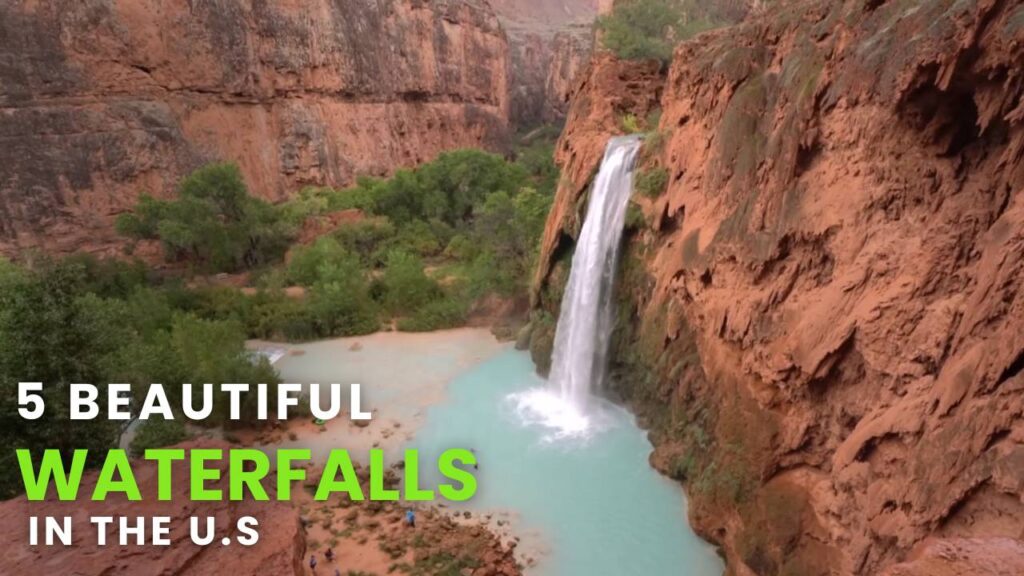
United States is home to some of the most breathtaking waterfalls in the world. From towering cascades to , waterfalls in the U.S. offer a perfect blend of natural beauty and adventure. Whether in lush forests, flowing through canyons, or plunging from great heights, these waterfalls captivate visitors with their stunning views and serene surroundings. These magnificent falls provides an unforgettable experience, making them must-visit destinations for nature lovers and outdoor enthusiasts alike.
Niagara Falls is a world-renowned natural wonder located on the border of New York, USA, and Ontario, Canada. It is approximately 17 miles from Buffalo, New York, making it easily accessible for travelers from various parts of the U.S. and Canada. Visitors can reach the falls via major highways, by train, or even by air, as the Buffalo Niagara International Airport provides a convenient gateway to the region. The falls are also accessible from Toronto, Canada, which is about 80 miles away, offering an alternative entry point for international tourists.

Niagara Falls is not just a single waterfall but a combination of three distinct waterfalls—the Horseshoe Falls, the American Falls, and the Bridal Veil Falls. Together, these waterfalls form one of the most powerful and breathtaking natural spectacles in the world, with an average flow rate of 85,000 cubic feet per second. The sheer volume of water cascading down creates a mesmerizing mist that can be seen from miles away. At night, the falls are illuminated with vibrant colors, creating a magical and unforgettable experience.
Niagara Falls is a year-round destination, but the best time to visit depends on the experience you seek:
One of the most iconic attractions at Niagara Falls, the Maid of the Mist is a boat tour that takes visitors right to the base of the falls. Since 1846, this tour has provided an up-close experience of the thunderous power and misty spray of Niagara. Equipped with a blue poncho, visitors can feel the exhilarating rush of the falls as the boat moves through the swirling waters.
For those seeking an adventurous and immersive experience, the Cave of the Winds offers an opportunity to walk on wooden platforms just a few feet from the Bridal Veil Falls. Visitors descend 175 feet into the Niagara Gorge and can stand on the famous Hurricane Deck, where the force of the falling water creates winds up to 68 mph. This thrilling experience allows visitors to feel the raw power of the falls like never before.
For breathtaking panoramic views, the Niagara Falls Observation Tower is a must-visit. This 282-foot tall structure extends out over the Niagara Gorge, providing unobstructed views of all three waterfalls. It is the only place on the U.S. side where visitors can get a full view of the Horseshoe Falls, making it a prime location for photography and sightseeing.
As the oldest state park in the United States, Niagara Falls State Park offers beautiful walking trails, picnic areas, and scenic overlooks. Covering over 400 acres, the park allows visitors to enjoy nature while enjoying incredible views of the falls. The park also features informative exhibits at the Niagara Gorge Discovery Center, providing insights into the geology and history of the falls.
Although located on the Canadian side, the Journey Behind the Falls experience is worth mentioning. It allows visitors to descend through tunnels behind the Horseshoe Falls, offering a unique perspective of the massive water curtain crashing down from above.
Taking a boat tour is one of the best ways to experience the falls up close. Whether it’s the Maid of the Mist or the Hornblower Niagara Cruises (on the Canadian side), these tours provide an unforgettable ride into the heart of the waterfalls.
For nature lovers, Niagara Falls State Park offers several hiking trails, such as the Great Gorge Trail and the Niagara River Trail. These trails offer stunning views of the rapids, wildlife, and the surrounding landscape.
With its breathtaking beauty, Niagara Falls is a paradise for photographers. Whether capturing the majestic waterfalls during the day or the illuminated falls at night, there are endless opportunities to take stunning pictures.
Every evening, Niagara Falls is lit up with colorful LED lights, and on select nights, visitors can enjoy a spectacular fireworks display over the falls. This is a magical way to end a day at Niagara Falls.
Yosemite Falls is one of the most breathtaking natural landmarks in Yosemite National Park, located in the Sierra Nevada Mountains of California. The waterfall is approximately 167 miles from Sacramento, CA, making it a 3.5 to 4-hour drive from the state capital. Visitors can also reach the park from San Francisco (195 miles away) or Los Angeles (300 miles away). The closest town to the park is Mariposa, which serves as a gateway for travelers exploring Yosemite.
Accessing Yosemite Falls is convenient, as the Yosemite Valley Shuttle System provides transportation to major points within the park, including the waterfall. Additionally, several well-maintained trails lead visitors to different vantage points for spectacular views of the falls.

Standing at an incredible height of 2,425 feet (739 meters), Yosemite Falls is the tallest waterfall in North America and one of the most famous in the world. The waterfall is composed of three sections:
Yosemite Falls is most powerful in spring (April to June), when the melting snow from the Sierra Nevada mountains feeds the waterfall, creating a thunderous and awe-inspiring flow. By late summer or early autumn, the waterfall can significantly diminish or even dry up due to reduced snowmelt.
Best time to visit Yosemite Falls depends on what kind of experience you’re looking for:
For experienced hikers, the Upper Yosemite Falls Trail offers one of the best panoramic views of Yosemite Valley. This 7.6-mile (round-trip) hike is strenuous, gaining over 2,700 feet in elevation, but rewards visitors with breathtaking views from the top of the falls.
For those looking for an easier and family-friendly experience, the Lower Yosemite Falls Trail is a 1-mile loop that leads visitors to the base of the Lower Falls, providing a close-up view of the rushing water. The paved trail is wheelchair accessible, making it an excellent option for all visitors.
One of the most spectacular viewpoints in Yosemite National Park, Glacier Point offers a stunning panoramic view of Yosemite Falls, Half Dome, and Yosemite Valley. It is accessible by car during summer and fall or via the Four-Mile Trail for those who enjoy hiking.
Rising over 3,000 feet above Yosemite Valley, El Capitan is one of the most famous rock formations in the world and a popular destination for rock climbers. Visitors can watch expert climbers tackle its massive granite face while enjoying incredible views of the surrounding landscape.
For those interested in learning about the park’s history and geology, Yosemite Village offers visitor information, museums, and restaurants. The Yosemite Visitor Center provides interactive exhibits and ranger-led programs that enhance the experience of exploring the falls and the park.
Hiking is one of the best ways to Yosemite Falls and its surrounding natural beauty. Trails vary in difficulty, offering something for everyone—from short scenic walks to challenging hikes with rewarding views.
Yosemite National Park is one of the world’s premier rock climbing destinations. Climbers from around the world come to tackle famous climbing routes on El Capitan and Half Dome. Even if you’re not a climber, watching professionals scale these towering cliffs is a thrilling experience.
Yosemite Falls offers some of the most picturesque landscapes in the world, making it a paradise for photographers. The best times to capture stunning images are during sunrise and sunset, when the golden light enhances the dramatic scenery.
For nature lovers, camping in Yosemite National Park is an unforgettable experience. Popular campgrounds include North Pines, Lower Pines, and Camp 4, which provide access to hiking trails and beautiful views of Yosemite Falls. Wildlife enthusiasts can spot black bears, mule deer, coyotes, and diverse bird species throughout the park.
While Yosemite Falls is most famous during spring and summer, visiting in winter offers a unique and serene experience. The waterfall often freezes partially, creating spectacular ice formations. Visitors can enjoy snowshoeing, cross-country skiing, and scenic winter photography in the park.
Havasu Falls is a breathtaking waterfall located in the Havasupai Indian Reservation within the Grand Canyon, Arizona. It is 200 miles from Flagstaff, AZ, making it a remote yet rewarding destination for adventure seekers. Unlike other waterfalls that can be accessed by road or a short walk, Havasu Falls requires a challenging 10-mile hike, horseback ride, or helicopter trip to reach its stunning blue-green waters.
Starting point for the hike is the Hualapai Hilltop, where visitors must trek down into the canyon to reach the Havasupai village and eventually Havasu Falls. Due to its remote location, only permit-holders are allowed to visit, making early planning essential for those wishing to experience this natural wonder.

Havasu Falls is renowned for its brilliant turquoise waters, which contrast beautifully against the red rock formations of the Grand Canyon. The calcium carbonate-rich waters and natural minerals give the pools their signature blue-green color. The waterfall itself is approximately 100 feet tall, cascading over rugged cliffs into a series of crystal-clear pools, perfect for swimming and relaxation.
Many seasonal waterfalls, Havasu Falls flows year-round, making it an excellent destination no matter when you visit. The best time to go is from March to October, when temperatures are warm, and the water is ideal for swimming.
The main attraction, Havasu Falls, is where most visitors spend their time. Its turquoise pools are perfect for swimming, and the waterfall’s steady flow creates a refreshing mist, making it an excellent spot to cool off after a long hike.
Just a short hike past Havasu Falls, Mooney Falls is the tallest waterfall in the area, plunging 200 feet down a steep canyon wall. Reaching the base of Mooney Falls is an adventure in itself, requiring visitors to descend through tunnels and climb down metal chains and ladders. The effort is well worth it, as the views and swimming opportunities at the bottom are breathtaking.
Further downstream, Beaver Falls is a series of smaller cascades and pools, surrounded by lush greenery. The 3-mile hike from Mooney Falls is scenic and crosses the Havasu Creek multiple times, providing stunning photo opportunities.
The Havasupai Tribe, meaning “People of the Blue-Green Waters,” have lived in this canyon for centuries. Visitors who hike through the Havasupai village can learn about the tribe’s rich history, culture, and connection to the land. There are campgrounds and a small lodge available for overnight stays.
Multnomah Falls is one of the most iconic and most-visited waterfalls in the Pacific Northwest, located within the Columbia River Gorge in Oregon. Just 30 miles from Portland, OR, this breathtaking natural wonder is easily accessible by car, making it a popular day-trip destination for locals and tourists alike.
Situated along Interstate 84, the waterfall can be reached via the Multnomah Falls parking area, followed by a short, paved walk to the viewing area. Unlike some remote waterfalls that require strenuous hikes, Multnomah Falls is an easy-access attraction, making it perfect for visitors of all ages and abilities.

Multnomah Falls is a 620-foot waterfall that drops in two spectacular tiers, making it the tallest waterfall in Oregon and the second tallest year-round waterfall in the United States. The upper fall cascades 542 feet, while the lower fall drops 69 feet, separated by the iconic Benson Bridge, which provides a stunning up-close view of the falls.
Waterfall is fed by underground springs from Larch Mountain, and its flow is strongest in winter and spring due to seasonal rainfall and snowmelt. Many waterfalls that dry up in the summer, Multnomah Falls flows year-round, ensuring a mesmerizing view no matter when you visit.
Multnomah Falls offers several hiking trails for visitors looking beyond the viewing area:
Ruby Falls is a breathtaking 145-foot underground waterfall, hidden deep inside Lookout Mountain, just 5 miles from Chattanooga, Tennessee. Unlike most waterfalls that cascade down mountains or through open landscapes, Ruby Falls is located within a limestone cave, making it one of the most unique and largest publicly accessible underground waterfalls in the U.S.
Entrance to Ruby Falls is easily reachable via Interstate 24, and it is a must-visit attraction for those exploring the Chattanooga area. An outdoor enthusiast or someone fascinated by geology, the journey into this hidden place offers an unforgettable experience.

Discovered in 1928 by cave explorer Leo Lambert, Ruby Falls is named after his wife, Ruby. The waterfall plunges 145 feet from a limestone ceiling into a pool below, illuminated by a spectacular multicolored LED light show, which enhances its mystical beauty.
As a subterranean waterfall, Ruby Falls is part of the Lookout Mountain Caverns, which were formed over millions of years by the movement of water through limestone. The stalactites and stalagmites surrounding the waterfall create an otherworldly atmosphere, making it one of the most surreal natural attractions in the U.S.
Don’t miss the chance to visit these iconic waterfalls and immerse yourself in their awe-inspiring charm!
FAQs
Yosemite Falls in California is the tallest, with a total drop of 2,425 feet.
Niagara Falls, located on the U.S.-Canada border, is the most famous due to its massive water flow and popularity.
Most waterfalls are natural, but some, like Great Falls in Virginia, are influenced by human-made dams and reservoirs.
Washington and Oregon are known for having the most waterfalls, thanks to their mountainous terrain and high rainfall.
Yes, waterfalls like Niagara Falls and Tahquamenon Falls in Michigan partially freeze in winter, creating stunning ice formations.
Some of the most beautiful include Havasu Falls (Arizona), Multnomah Falls (Oregon), and Ruby Falls (Tennessee).
Niagara Falls (New York), Great Falls (Virginia), and Bridal Veil Falls (North Carolina) are easy to access with little hiking.
Some underrated waterfalls include Panther Falls (Georgia), Rainbow Falls (North Carolina), and Latourell Falls (Oregon).
Yes, famous waterfalls inside national parks include Yosemite Falls (Yosemite NP), Lower Falls of the Yellowstone River (Yellowstone NP), and Alamere Falls (Point Reyes NP).
Multnomah Falls in Oregon is a favorite due to its stunning two-tier drop and lush surroundings.
Holi Festival in Vrindavan is one of the most vibrant and unforgettable experiences for travelers from around the…
December in the United States is a time of magic, celebration, and adventure. From dazzling Christmas lights and…
If you are a fan of The Vampire Diaries or simply love exploring iconic filming locations, the Mystic…