

Travel Guide for Holi Festival in Vrindavan for USA Traveler
Holi Festival in Vrindavan is one of the most vibrant and unforgettable experiences for travelers from around the…
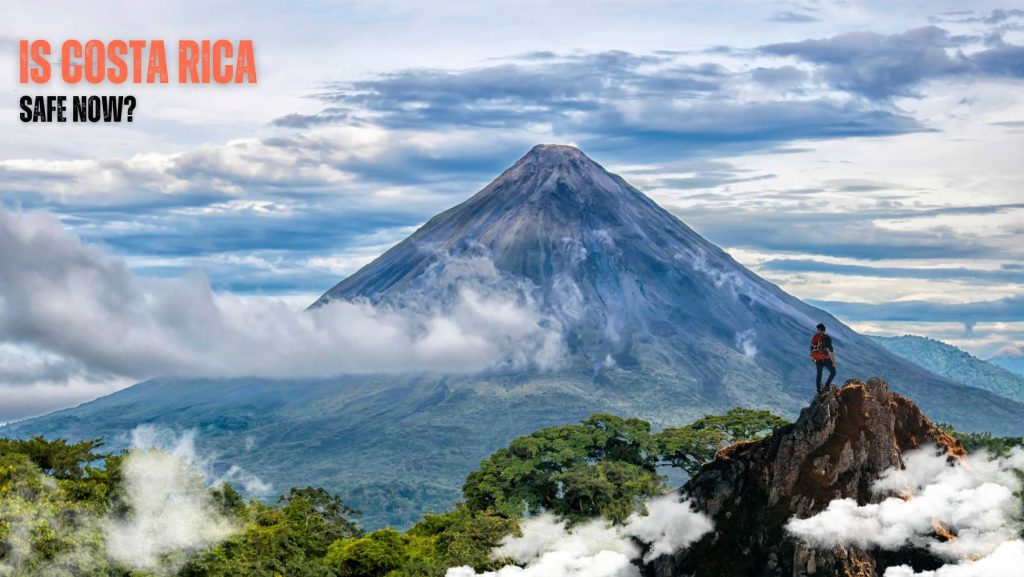
Costa Rica has earned its place as one of the most desirable destinations for U.S. tourists. Famous for its pristine beaches, rich biodiversity, cloud forests, and adventurous activities such as surfing, whitewater rafting, and volcano hiking, it draws millions of travelers each year. The nation’s eco-tourism industry has flourished, making it especially appealing to Americans who want both adventure and relaxation.
Where to Stay in Costa Rica – Best Places to Stay and Areas to Visit
But alongside the excitement comes an important question: Is it safe to travel to Costa Rica right now from USA? With headlines about global travel safety, crime in Central America, and environmental risks, many travelers feel the need to double-check before booking flights. Understanding Costa Rica’s current safety situation helps ensure a memorable trip without unwanted surprises.
The short answer is yes — Costa Rica is one of the safest countries in Latin America for foreign visitors. Unlike some of its Central American neighbors, Costa Rica has a stable democracy, no standing military, and a strong reputation for welcoming tourists. Most U.S. visitors report safe, enjoyable vacations.
That said, safety doesn’t mean “risk-free.” Petty theft, scams targeting tourists, and occasional violent crimes can occur, particularly in urban areas and crowded tourist hotspots. Most problems arise when visitors fail to take standard precautions, like leaving bags unattended on beaches or walking alone in poorly lit areas.
So, is it safe to travel to Costa Rica right now? For the majority of U.S. tourists, yes — as long as you remain alert, follow safety tips, and respect local guidelines.
The U.S. State Department travel advisory is one of the first things U.S. tourists should review before any trip abroad. Currently, Costa Rica is under a Level 2: Exercise Increased Caution advisory, which is relatively low risk compared to countries with Level 3 or Level 4 warnings.
The advisory also recommends avoiding displaying expensive items, securing personal belongings, and using reliable transportation. For most U.S. travelers, these precautions are more than enough to ensure a safe trip.
Pickpocketing and bag snatching are the most common issues reported by tourists. Thieves often target busy bus stations, markets, and beaches where travelers may be distracted. Rental car break-ins are another concern, as criminals sometimes spot tourist vehicles and steal visible belongings. Keeping valuables hidden, using hotel safes, and avoiding flashy jewelry can reduce risks significantly.
Violent crime in Costa Rica is generally limited to certain urban areas and is rarely directed at tourists. However, isolated cases of armed robbery or assault do occur, especially late at night. Travelers are encouraged to stick to populated, well-lit areas and avoid risky neighborhoods after dark. Compared to many other countries in the region, Costa Rica remains much safer for foreigners.
Driving in Costa Rica can be a challenge for Americans unfamiliar with local conditions. Many rural roads are unpaved, narrow, and winding, with limited signage. Poor lighting at night and heavy rains can make travel more dangerous. Accidents are relatively common, so if you plan to drive, opt for a 4×4 vehicle, avoid nighttime road trips, and always purchase comprehensive car insurance.
Costa Rica has successfully managed COVID-19, and travel restrictions have been lifted. However, depending on your airline or transit country, some requirements like proof of vaccination or health insurance may still apply. Checking updated guidelines before flying is essential.
Costa Rica’s tropical climate makes it a breeding ground for mosquitoes that spread diseases like dengue, chikungunya, and Zika. Outbreaks occur seasonally, especially during the rainy season. Carrying insect repellent, wearing long sleeves, and choosing accommodations with air conditioning or mosquito nets are simple but effective precautions.
Costa Rica boasts one of the strongest healthcare systems in Latin America. In San José and other major cities, hospitals are modern and well-equipped, with English-speaking doctors available. However, rural areas may lack advanced facilities. For this reason, purchasing travel insurance with medical evacuation coverage is highly recommended. U.S. tourists should also keep a list of hospitals and clinics near their travel destinations.
Costa Rica’s stunning landscapes come with certain environmental risks.
San José is vibrant, with museums, markets, and nightlife, but it also has neighborhoods with higher crime rates. Tourists should stay in reputable hotels, avoid isolated streets after dark, and use trusted transportation instead of wandering at night.
These Pacific beach towns are tourist hubs with plenty of nightlife, tours, and water sports. While generally safe, they attract petty thieves targeting distracted tourists. Lock up valuables, avoid leaving items unattended on the sand, and stay in well-reviewed accommodations.
Adventure travelers love Arenal’s volcano region and Monteverde’s cloud forests. These areas are known for low crime rates and well-managed eco-tourism infrastructure. Guided tours are recommended for hiking and exploring, as local guides know how to keep visitors safe from both natural and human risks.
Travel insurance is not optional in Costa Rica — it’s a necessity. Coverage should include:
Emergency Numbers & Contacts:
For U.S. travelers who follow safety guidelines, purchase insurance, and stay alert, the country remains a top choice for 2025.
FAQs
Yes, it is generally safe to travel to Costa Rica right now from the USA. The country remains one of the most stable and tourist-friendly destinations in Central America. However, travelers should take basic precautions against petty theft, stay informed about local advisories, and use common sense, especially in urban areas.
As of 2025, Costa Rica is under a Level 2: Exercise Increased Caution advisory. This means U.S. citizens can travel safely but should be aware of crime risks, particularly in San José and Limón. Tourist-heavy areas are considered much safer but still require vigilance.
While most of Costa Rica is safe, tourists are advised to avoid isolated parts of San José at night, certain neighborhoods in Limón, and remote areas without guides. Beaches are generally safe, but leaving belongings unattended increases theft risks.
Yes, Costa Rica is considered one of the safest countries in Central America. Unlike its neighbors, it has no standing military, a strong democratic system, and a long history of peaceful tourism. That said, visitors should still be cautious of petty crime.
No, violent crime against U.S. tourists is rare. Most incidents involve petty theft, scams, or pickpocketing in busy areas. Tourists who take standard precautions — like avoiding isolated areas at night and securing valuables — rarely encounter problems.
Road travel is safe but can be challenging. Many rural roads are unpaved, narrow, and poorly lit. Renting a car is common, but U.S. visitors should drive cautiously, avoid night driving, and consider a 4×4 vehicle. Using GPS and sticking to main highways increases safety.
Costa Rica has excellent healthcare, but tourists should be aware of mosquito-borne illnesses like dengue and Zika. While COVID-19 restrictions have eased in 2025, travelers should check entry requirements. Travel insurance with medical coverage is highly recommended.
Yes, Costa Rica is safe for families with children. Popular destinations like Arenal, Monteverde, and Manuel Antonio are well-developed and family-friendly. Parents should supervise children closely in crowded or beach areas and use reputable tour operators for outdoor activities.
Yes, solo travel in Costa Rica is generally safe. Many U.S. backpackers and solo adventurers visit each year without issues. However, solo travelers should avoid walking alone at night, be mindful in urban areas, and join group tours for activities in rural or remote regions.
While not legally required in 2025, travel insurance is strongly recommended for U.S. tourists. It covers medical emergencies, theft, natural disasters, and trip cancellations. Having insurance provides peace of mind and ensures a safer, stress-free trip.
Holi Festival in Vrindavan is one of the most vibrant and unforgettable experiences for travelers from around the…
December in the United States is a time of magic, celebration, and adventure. From dazzling Christmas lights and…
If you are a fan of The Vampire Diaries or simply love exploring iconic filming locations, the Mystic…


1 comment