
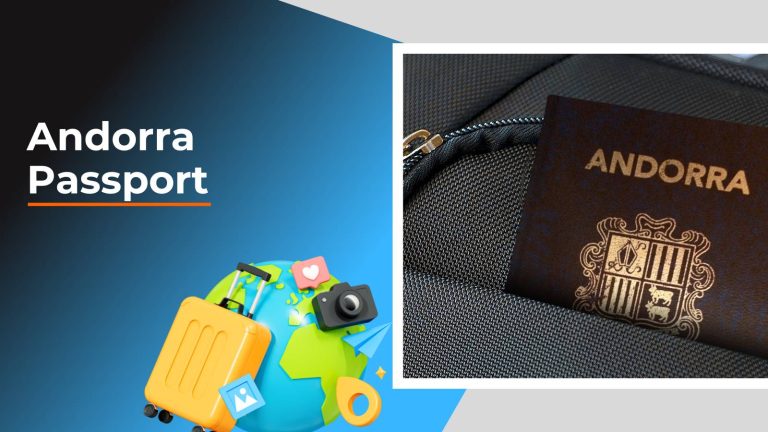
Andorra Passport: Travel, Tax, Benefits and Residency Perks Explained
Andorra, a small yet thriving principality nestled between France and Spain in the Pyrenees mountains, has become an…
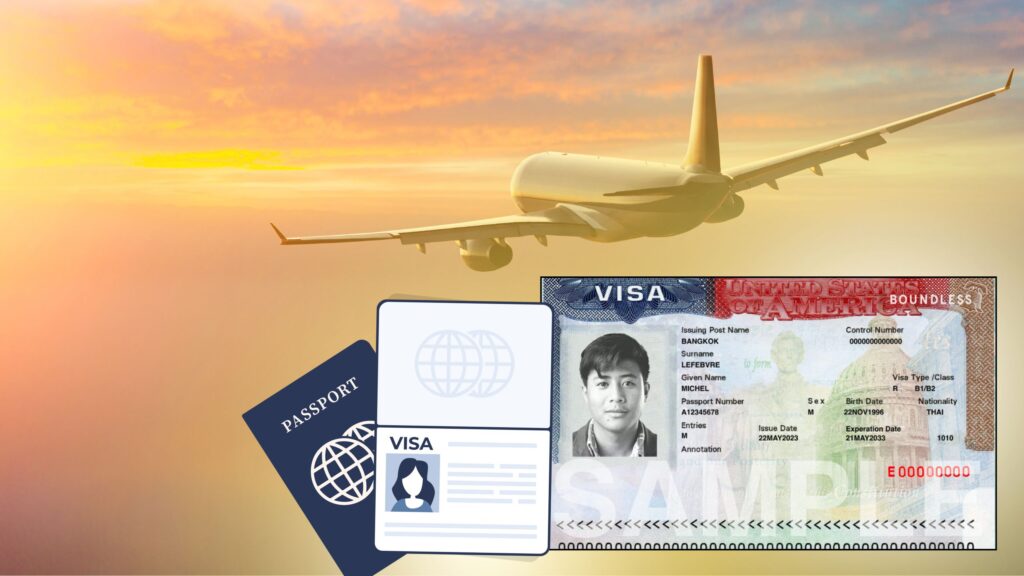
Tavel visa is an official document issued by a country that grants permission to enter, stay, or transit through its territory for a specific purpose and duration. It can be issued for various reasons such as tourism, business, or study, depending on the visa type.
While some undertake travel for pleasure, others do so for work, or to discover the world. Whatever the reason, there is no denying the fact that the world would be very different if people didn’t travel. One might save up the money and take leave to fulfil their travel dreams, but without a travel visa these dreams could be grounded. Most countries insist on a travel visa in order to permit tourists into their boundaries. One might think that getting a travel visa is hard, often spending hours worrying about the same. However, doing simple research can ensure that you get that travel visa without any problems. To the uninitiated, here is a simple guide to a Travel Visa.
Tourist visa is designed for individuals who wish to visit a country for leisure, sightseeing, or visiting friends and family. It is usually valid for a short period, ranging from a few weeks to several months.
Key Features:
Business visa is for individuals traveling to another country for business-related activities, such as meetings, conferences, or negotiations. It does not permit long-term employment in the host country.
Key Features:
Student visa is required for individuals who plan to study abroad. It allows the holder to enroll in an educational institution in the host country for a specified period.
Key Features:
A work visa is necessary for individuals who intend to take up employment in a foreign country. It is typically issued for long-term stays and requires sponsorship from an employer.
Key Features:
Transit visa is for travelers passing through a country to reach their final destination. It is required if you have a layover in a country and need to leave the airport.
Key Features:
Medical visa is issued to individuals seeking medical treatment in another country. It requires documentation from a recognized medical institution.
Key Features:
We live in a world divided by boundaries, where each nation aims to assert ownership over a certain piece of land. A travel visa is a document which is issued by the government, providing an individual permission to stay in that country for a specific period of time. This official document is a testament to the fact that the person can officially be in the country, and is not entering the country illegally. It provides them the authority to visit the country, stay for a limited period, and leave without encountering any legal hurdles. A travel/visitor visa is basically designed for any individual who is not the citizen of a particular nation to visit said place.
The main purpose of a visa is to ensure that the security of a nation isn’t compromised. A travel visa is sanctioned only after the relevant authorities are satisfied about the credentials of an individual. This reduces the possibility of occurrence of criminal activities by any foreign power in the state concerned. In addition, a travel visa is documented, which means that the country has the power to keep a track of individuals, helping them establish a data base. From the point of view of a traveller, a travel visa gives him/her the opportunity to explore the nation without having to worry about any legal hurdles.
Most countries do not allow foreign citizens to enter their territory without valid permissions. A visitor visa enables one to travel to and stay in a particular nation for a specific period of time. While certain nations mandate a tourist visa in order for one to enter the country, they do provide certain exceptions to citizens of friendly nations/nations with whom they have good diplomatic relationships.
Citizens from certain nations get preferential treatment when it comes to a travel visa, with individuals of some nationalities not required to have one in order to visit said country. For example, citizens of Bhutan or Nepal do not require a visa to enter India. Similarly, India follows strict rules when it comes to granting visas to citizens of Pakistan, China, etc. The requirement for a travel visa boils down to current economic and diplomatic scenarios, and it might be mandatory in most cases.
Individuals who have a diplomatic passport are typically not mandated to have a , depending on the country they are from.
Individuals looking to apply for a travel visa are expected to furnish certain documents in order for the application to be processed. Given below are some of the most common documents required in order to get a travel visa:
In addition to the aforementioned documents, individuals will be expected to pay a certain fee towards processing an application. This fee varies from country to country and also depends on the nationality of the applicant.
It is not mandatory for the government to grant a travel visa to all applicants. There are cases where the authorities can reject a visa application, with applicants not permitted to challenge such rejection. Listed below are certain reasons for a travel visa application to be rejected:
Authorities can deny a visa application on any other ground, without giving any justification for the same.
Individuals looking to visit a particular country can utilise different means to apply for a travel visa. Most countries have an Embassy/Consulate in other nations, ensuring that they have representatives there. One can visit the Embassy/Consulate of the nation they wish to visit with a complete application form in order to give the visa interview. An appointment must be taken for the same.
For example, Indians looking to travel to the United States on a can fill the application and submit it at the US Embassy in India. They will have to give an interview post which they could be granted or denied a visa.
Apart from the Embassy/Consulate, certain nations provide a visa on arrival to tourists from certain countries. One must first check the eligibility for this visa. If eligible, they can apply for it once they land in the country. They will have to provide a few documents to process the same.
Travel visa permits one to explore a nation for travel purposes only. Listed below are some of the most common limitations of a travel visa.
A travel visa has provided millions of people an opportunity to explore the world and live their dreams, making the world their oyster.
FAQs
A travel visa is an official document or stamp issued by a country that allows foreign nationals to enter, stay, or transit through for a specific period and purpose.
It depends on your nationality. Travelers from Visa Waiver Program (VWP) countries can enter the U.S. without a visa for up to 90 days under ESTA. Others must apply for a visa.
The main U.S. travel visas are:
You need to:
Processing time varies but typically takes 3–5 weeks. Expedited options may be available for urgent cases.
The standard B1/B2 visa fee is $185. Some applicants may have to pay additional issuance fees based on nationality.
You typically need:
Yes, you can apply for an extension using Form I-539 before your authorized stay expires. Approval is not guaranteed.
Yes, but you should address the reasons for the previous rejection and submit additional supporting documents if needed.
No, B1/B2 visas and ESTA do not permit employment. You must apply for a work visa (e.g., H-1B, L-1) for employment in the U.S.
Yes, most U.S. tourist visas are multiple entry, allowing you to visit multiple times within the visa’s validity period.
Typically, a B1/B2 visa allows stays of up to 6 months per visit, but the final decision rests with the Customs and Border Protection (CBP) officer at entry.
Yes, children need their own U.S. travel visa, but they may not require an interview if they are under 14 years old.
Yes, under certain circumstances, you may apply for a status change (e.g., from B2 to F1 student visa) by filing Form I-539 with USCIS.
Andorra, a small yet thriving principality nestled between France and Spain in the Pyrenees mountains, has become an…
Air travel has become an essential mode of transportation for millions of people around the world. Whether you…
Applying for a Canada infant passport can be one of the more time-consuming tasks for new parents, but…
1 comment