Andorra Passport: Travel, Tax, Benefits and Residency Perks Explained
Andorra, a small yet thriving principality nestled between France and Spain in the Pyrenees mountains, has become an…
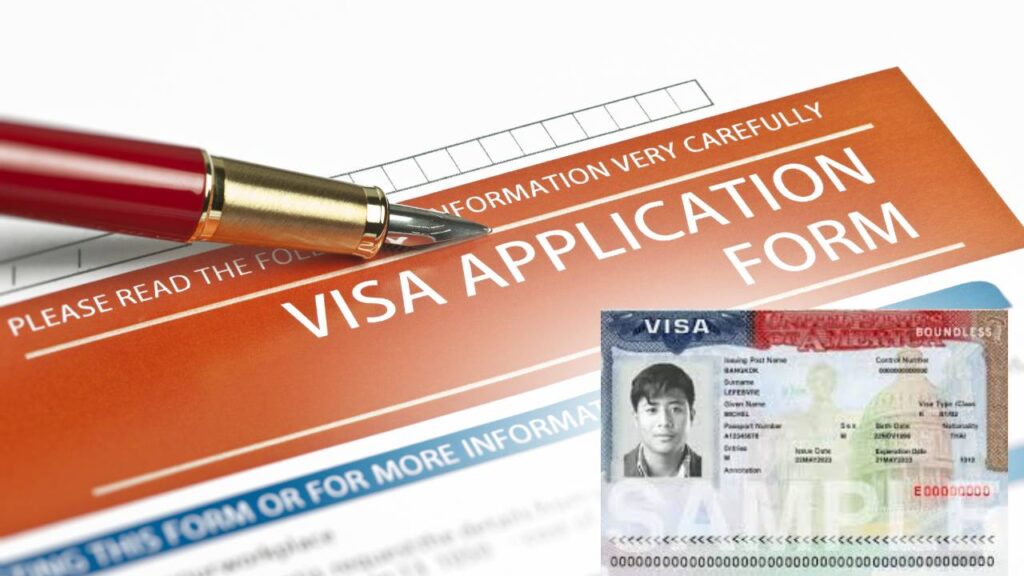
Applying for a U.S. visa is one of the most essential steps for international travelers, students, and professionals. At the center of this process is the American visa form DS 160, a comprehensive online document required by the U.S. Department of State for all non-immigrant visa categories. Traveling for business, tourism, education, or employment, completing the DS-160 form accurately is a mandatory prerequisite before scheduling your visa interview.
Here, know every aspect of the DS-160 form — from what it is, how to fill it, visa-specific requirements, processing time, and common mistakes to avoid. This is the most vital step toward your U.S. travel dream, so let’s get into the details.
The DS-160 form is an Online Nonimmigrant Visa Application that collects all the required personal, travel, employment, and security information needed for processing a U.S. non-immigrant visa. This digital form is submitted through the Consular Electronic Application Center (CEAC) and is reviewed by the U.S. consular officers at the time of your interview.
It replaces older paper-based forms and integrates several data checkpoints to reduce fraudulent applications. Once submitted, the American visa form DS 160 generates a unique confirmation barcode which is essential for booking the visa interview. Without this barcode page, the U.S. Embassy or Consulate will not process your visa application.
Hence, the DS-160 form acts as your initial statement of intent, which means consular officers use it to determine the validity of your visit, the accuracy of your documents, and your eligibility to enter the U.S. It is the digital foundation of your entire visa application process.
Filling the DS-160 form online application is not just a formality—it’s your first impression. A mistake here could cause visa delays or denials. Follow these steps in detail:
Start by visiting the official Consular Electronic Application Center at https://ceac.state.gov. Choose your location (the city where your visa interview will take place), then begin a new DS-160 form.
It’s essential to save your Application ID, which appears in the top right corner. You will also choose and answer a security question so that you can retrieve your form later if needed. This is helpful in case the session times out or you need to revisit your form another day.
You’ll be asked to enter your full name (as in your passport), gender, nationality, birth details, marital status, national identification number, and passport number. Ensure that your name matches exactly with your passport to avoid rejection.
If you have a U.S. Social Security Number or Taxpayer Identification Number, enter it here. Any discrepancies in these fields could result in issues during visa processing.
Select the purpose of your travel such as business, tourism, study, or work. You must also mention your intended travel dates, duration of stay, U.S. address (like hotel, university, or employer), and who is paying for your trip.
Be as accurate as possible, especially when filling in your U.S. point of contact. This could be your university’s international student office, a U.S.-based relative, or your employer’s HR department.
Indicate whether you are traveling alone or with someone. If you’re traveling with family, you’ll need to provide details about each member. Consular officers often use this data to confirm family ties and travel intentions.
If previously traveled to the U.S., you must mention the dates and visa types. Disclose any prior visa refusals, overstays, or deportations truthfully, as this information is cross-verified against U.S. immigration records.
Failure to disclose past visa issues—even minor ones—can be considered misrepresentation and may result in a visa ban.
You must list a point of contact in the U.S., which can be a family member, friend, employer, school, or institution. Include their full name, address, phone number, and email. This information must be valid, as the consular officer may use it to verify your purpose of visit.
You must provide details about your father and mother, including their names, dates of birth, and whether they are in the U.S. If your spouse or children are traveling with you, they must be listed as well.
This section helps validate your family background and strengthens your home-country ties, especially for visitor and student visa applications.
Be ready to list your complete academic history, current and past employers, job roles, contact details, and duration of employment. If you are self-employed or a student, indicate so and include relevant information.
For professionals, the visa officer may cross-reference your employment details with company databases or ask for proof like offer letters and salary slips.
These are critical and include topics such as:
Answering falsely here can permanently bar you from entering the U.S. Answer “Yes” only if absolutely applicable and be prepared to provide supporting documentation during the interview.
Your digital photo must meet specific U.S. visa photo requirements:
Upload a valid image online, and also carry a physical copy to the interview.
Before submitting, review all answers carefully. Once submitted, you cannot make changes. After submission, print the confirmation page with the barcode and bring it to your interview. Save a PDF version for your records.
If you are applying for a B1/B2 visa, it is essential to clearly indicate the nature of your travel—whether it is business-related (B1), tourism or medical treatment (B2), or a combination of both (B1/B2). The DS-160 form will specifically ask you to choose one of these categories, and your choice should reflect your actual travel purpose to avoid confusion during the visa interview process. This classification helps U.S. consular officers better assess your eligibility for entry under the appropriate visa type.
In the Travel Information section of the DS-160, you will need to provide specific details about your trip, such as:
You should also prepare and have ready the following documents to support your application and interview:
Additional points to consider:
B2 Visa: How to Apply, Requirements & Fees Explained
For H1B visa applicants, filling out the DS-160 form requires thorough attention to the employment-related sections. You will need to provide detailed and accurate information, including:
Important documents to have on hand:
Additional considerations:
H-1B Visa 2025 – Everything You Need to Know Before Applying
For F1 visa applicants, the DS-160 form demands careful completion to ensure alignment with your educational institution’s records. You must include:
SEVIS ID number (found on the top right of your I-20 form).
Name and address of your U.S. school or university, and the Designated School Official’s (DSO) contact details.
Important tips:
F1 Visa: Requirements, Renewal, Processing Time!
The processing time for the DS-160 form submission itself is immediate, meaning that once you complete and submit the form online, the information is instantly recorded in the U.S. Department of State’s system. The DS-160 is just one part of the overall visa application process, which can take several weeks or even longer depending on several factors, including:
It’s important to note that the DS-160 form itself is not “processed” separately; rather, the information you provide is reviewed by the consular officer during your visa interview. Therefore, accuracy and completeness in your DS-160 are critical to avoid delays or complications in your overall visa approval.
Filling out the DS-160 form requires careful attention to detail, as errors or omissions can result in visa delays, requests for additional information, or outright denials. Below are some common mistakes and why you should avoid them:
Ensure all information you provide in the DS-160 form perfectly matches other supporting visa documents such as your Form I-20 (for F1 visas), Form I-129 petition (for H1B visas), your passport details, and any previous visa documents. Mismatched names, dates, or addresses can raise red flags during the interview and cause processing delays.
Spelling mistakes or errors in important dates (birthdate, travel dates, passport expiration) may seem minor but can lead to confusion or suspicion. For example, even a small typo in your name that differs from your passport can invalidate your application. Always double-check every entry, especially critical fields like your name, date of birth, and passport number.
The DS-160 requires you to upload a digital photo that strictly adheres to U.S. visa photo specifications (e.g., size, background color, head position). A photo that is blurry, too dark, too bright, or does not meet the required dimensions will be rejected, causing delays or the need to resubmit your application. Review the photo guidelines carefully before uploading.
Choosing the incorrect visa category can have serious consequences. For example, applying for a B2 tourist visa when your purpose is to work will almost certainly lead to denial. Ensure you understand the visa type that corresponds to your travel purpose and select it correctly on the form.
Leaving gaps or failing to provide complete details about your previous employment, education, or training can cause suspicion about your intentions or background. Be honest and thorough, listing all relevant experiences and explaining any gaps if necessary.
It is mandatory to disclose any previous visa refusals, cancellations, or overstays in the U.S., even if they occurred years ago. Failing to mention this information can be viewed as misrepresentation and lead to permanent ineligibility or visa denial. Transparency is always the best policy.
Preparing for your visa interview, remember that what you write in the DS-160 form online application will be reviewed by the consular officer. Make it count by ensuring everything is correct, supported by documents, and in line with your travel purpose.
FAQs
The DS-160 is an online non-immigrant visa application form used by the U.S. Department of State to collect information from applicants seeking temporary travel to the United States. It is mandatory for most visa categories, including B1/B2, H1B, and F1 visas.
You can complete the DS-160 form on the official Consular Electronic Application Center (CEAC) website at https://ceac.state.gov/. Make sure to use the official site to avoid scams.
Yes, submitting the DS-160 form online and printing the confirmation page with the barcode is a mandatory step before you can book your visa interview appointment at a U.S. Embassy or Consulate.
Yes, the DS-160 form allows you to save your application and return later using your Application ID and security question. It is important to save frequently to avoid losing data due to session timeouts.
Typically, filling the DS-160 form takes between 60 to 90 minutes, depending on your visa category and the amount of information you need to provide. Preparing documents beforehand can speed up the process.
No, once submitted, the DS-160 form cannot be edited. If you find a mistake after submission, you must fill out and submit a new DS-160 form and bring the new confirmation page to your visa interview.
You will need your valid passport, travel itinerary (if available), dates of your last five visits or trips to the U.S. (if any), resume or CV, details of your employer or school, and a digital photograph that meets U.S. visa photo requirements.
Yes, the DS-160 is used for most non-immigrant visas, but the questions may vary slightly based on the visa category you select at the beginning. For immigrant visas, a different form called the DS-260 is used.
Common errors include incorrect or incomplete fields, photo upload issues, or session timeouts. Review all data carefully, ensure your photo meets specifications, and try again. If problems persist, contact the support center or your local U.S. Embassy for help.
Avoid typos, inconsistencies with your supporting documents, uploading incorrect photo formats, omitting past visa refusals or overstays, and rushing through the form. Double-check all entries, as any discrepancies can delay your visa processing or cause denial.
Andorra, a small yet thriving principality nestled between France and Spain in the Pyrenees mountains, has become an…
Air travel has become an essential mode of transportation for millions of people around the world. Whether you…
Applying for a Canada infant passport can be one of the more time-consuming tasks for new parents, but…