Kalimpong, West Bengal: Famous Sightseeing Itinerary, Activities to Do, and Best Cuisine
Kalimpong is a precious gem hidden among the green hills of West Bengal. Spirit are at their best…
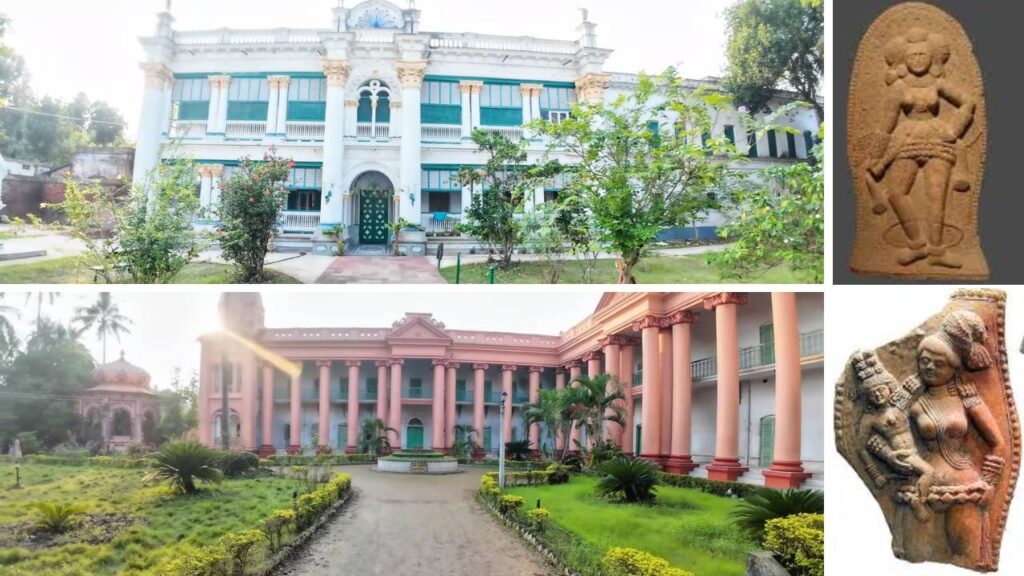
Located approximately 35 kilometers northeast of Kolkata, Chandraketugarh stands as a silent yet powerful testament to West Bengal’s ancient and forgotten civilizations. This lesser-known archaeological site in West Bengal holds immense historical significance, boasting over two millennia of cultural and societal evolution.
Often overshadowed by more commercial tourist destinations, Chandraketugarh presents a golden opportunity for history lovers, archaeologists, and travelers to discover West Bengal’s ancient heritage in a raw, untouched form. Unlike modern-day heritage parks, Chandraketugarh offers an unfiltered glimpse into a past that once flourished along the Bidyadhari River.
Historical roots of Chandraketugarh trace back to as early as the 4th century BCE, possibly even earlier according to some archaeological interpretations. It is believed that this site flourished through multiple eras, including the Mauryan, Sunga, Kushana, Gupta, and Pala dynasties, reflecting a continuous and thriving settlement over 1,600 years. The rich cultural overlap found in the artifacts suggests that this site was not just a city, but a vibrant center of trade, art, governance, and religion.
Excavations over the decades have revealed fascinating items such as terracotta figurines, ornamental beads, pottery, inscriptions, and coins, which mirror the sophisticated urban planning and social structure of that period. These objects indicate that the inhabitants had knowledge of metallurgy, religious rituals, commerce, and aesthetics. The unearthed seals suggest Chandraketugarh may have been part of an ancient trade network connecting India with Southeast Asia and even the Mediterranean world. Historians often compare the site to other well-known ancient cities like Mohenjo-Daro and Harappa, due to its cultural complexity and architectural relics.
Located in the Berachampa area of North 24 Parganas, Chandraketugarh lies in close proximity to the urban sprawl of Kolkata, making it a convenient weekend destination. Travelers from the city can access the site via NH12 (formerly NH34), a route lined with lush greenery, ponds, and glimpses of rural Bengal life. The peaceful drive offers a refreshing break from city chaos and sets the tone for a heritage-oriented day trip.
Those opting for public transportation can take a suburban train from Sealdah Station to Barasat Junction, followed by a short local ride or auto-rickshaw journey to reach Berachampa. Although the final leg of the journey may lack official tourist signage, the local villagers are generally helpful and familiar with the historical importance of the site. It is advisable to use a map app or consult local guides once you’re in the vicinity.
One of the best aspects of visiting Chandraketugarh is that entry to the site is completely free, allowing history buffs and travelers of all backgrounds to visit it without financial constraints. Since the site has not been fully commercialized or developed for tourism, there are no ticket booths, official tour guides, or visitor centers. This allows for a more organic experience, but also requires self-preparation.
The ideal visiting hours are between 8:00 AM and 5:00 PM, as natural daylight is essential for navigating and appreciating the site. During this time, you can take your time walking through the ruins, observing the brick foundations, and imagining what life might have been like in this ancient city. Carrying a flashlight, drinking water, and basic first-aid supplies is recommended, especially for those planning to spend several hours exploring the less accessible areas.
The months of October to February offer the most pleasant weather for a trip to Chandraketugarh. During this period, daytime temperatures hover between 12°C and 25°C, making outdoor walks and photography comfortable and enjoyable. The cool breeze, golden sunlight, and dry conditions enhance the experience, especially for those spending long hours traversing the open fields and ruins. This is also when migratory birds frequent the surrounding countryside, offering delightful bonuses for birdwatchers and nature lovers.
The monsoon season transforms the landscape into a lush green canvas, with fresh vegetation sprouting across the site. While the scenery becomes breathtaking, visitors must tread cautiously as heavy rains often leave the area muddy and slippery. The open ruins can also become waterlogged, and pathways may be harder to follow. Without proper infrastructure or shelter, exploring in the rain can become challenging. For those who enjoy the romantic charm of rain-drenched fields and foggy skies, the monsoon offers a unique visual treat.
Summer months can be particularly harsh in this region, with daytime temperatures rising above 38°C accompanied by high humidity. The lack of shade, rest areas, and cooling facilities makes summer visits highly uncomfortable. The heat not only drains energy quickly but can also hinder your ability to appreciate the finer details of the site. It’s best to avoid this season unless absolutely necessary.
Among the most photogenic elements of Chandraketugarh are its ancient walls, bricks, and terracotta relics. These elements, though partially eroded, offer a raw look into early Indian craftsmanship. Some terracotta pieces display intricate designs of mythological beings, floral patterns, and human figures, perfect for macro photography. Capturing close-up shots of these motifs can provide fascinating details for those interested in archaeological documentation or cultural blogging.
The surrounding countryside, dotted with wild grass and agricultural plots, creates a harmonious backdrop to the ancient ruins. Wide-angle shots during sunrise and sunset capture the contrast between the past and the present, where crumbling stones meet modern farmlands. These open fields offer panoramic views ideal for landscape photographers.
Although no longer a major waterway, the Bidyadhari River still exists as a seasonal stream and is believed to have played a crucial role in the city’s prosperity. Its quiet banks now offer peaceful views and are perfect for capturing tranquil scenes that reflect the forgotten grandeur of ancient Bengal. A misty morning or twilight hour visit to the riverbank can result in hauntingly beautiful imagery.
Photography enthusiasts should not miss documenting the vibrant rural life around Chandraketugarh. The villagers, with their traditional attire, mud homes, and age-old practices, provide excellent opportunities for candid street photography. Engaging respectfully with locals may even allow you to capture authentic moments like pottery-making, farming, or local fairs.
Besides the ruins themselves, the region around Chandraketugarh offers a few nearby spots worth exploring:
Barachampa Bazar: Just a short walk from the archaeological site, this local market gives you a glimpse into the day-to-day lives of the people living nearby. It’s a great place to try local snacks and observe how modern life coexists with an ancient backdrop.
Berachampa Shiva Temple: This small yet culturally important temple is a peaceful place to visit after a long walk among the ruins. Its rustic architecture and spiritual atmosphere offer a contrasting yet complementary experience to the secular history of the main site.
Kolkata Museums (Indian Museum, Ashutosh Museum): For those wanting a deeper dive into the artifacts of Chandraketugarh, these museums in Kolkata house many of the most valuable discoveries from the site, including seals, terracotta idols, and pottery. Viewing these items in a curated setting allows for a better understanding of their historical and cultural context.
Kalimpong, West Bengal: Famous Sightseeing Itinerary, Activities to Do, and Best Cuisine
A researcher, traveler, photographer, or someone looking to escape the predictable, Chandraketugarh offers something rare: a raw and real connection to India’s prehistoric urban roots. Let it be a part of your travel story, and you’ll carry a piece of ancient Bengal with you forever.
FAQs
Chandraketugarh is renowned for its ancient archaeological significance, showcasing relics from civilizations dating back over 2,000 years. It is famous for its terracotta art, brick structures, ancient coins, seals, and pottery, reflecting continuous settlement through Maurya, Gupta, and Pala periods.
Chandraketugarh is located in Berachampa, in the North 24 Parganas district of West Bengal, around 35 km northeast of Kolkata. It lies near the old riverbed of the Bidyadhari River.
You can reach Chandraketugarh by road via NH12, or take a local train from Sealdah to Barasat, followed by a short ride to Berachampa. Auto-rickshaws and local transport are available from Barasat to the site.
No, there is no entry fee to visit Chandraketugarh. The site is open to the public, but it’s mostly undeveloped and lacks formal tourism infrastructure, so visitors should come prepared.
The best time to visit Chandraketugarh is during October to February. The weather is cool and pleasant, ideal for walking and exploring the open archaeological site comfortably.
Top photo spots include:
Excavations have revealed terracotta figurines, decorated pottery, metal tools, religious seals, coins, and ornamental beads—many of which are preserved in the Indian Museum in Kolkata.
Yes, Chandraketugarh is recognized by the Archaeological Survey of India (ASI) as an important historical site, although it still lacks extensive preservation or tourism infrastructure.
Currently, no official guides, restrooms, or tourist facilities are available on-site. Visitors should plan ahead, carry water, snacks, and use offline navigation tools.
Yes, you can also visit:
These spots provide cultural and historical continuity to your visit.
Kalimpong is a precious gem hidden among the green hills of West Bengal. Spirit are at their best…
Are you curious about the best time to visit Kalimpong? Then read this article to know more. Kalimpong,…
Kolkata is a city that reflects the fusion of cultures, histories, and traditions. It is situated on the…