
Kaziranga National Park Reopens October 1: Best Time to Visit and Safari Details
Kaziranga National Park’s reopening on October 1, 2025, signals the start of a new season filled with wildlife…
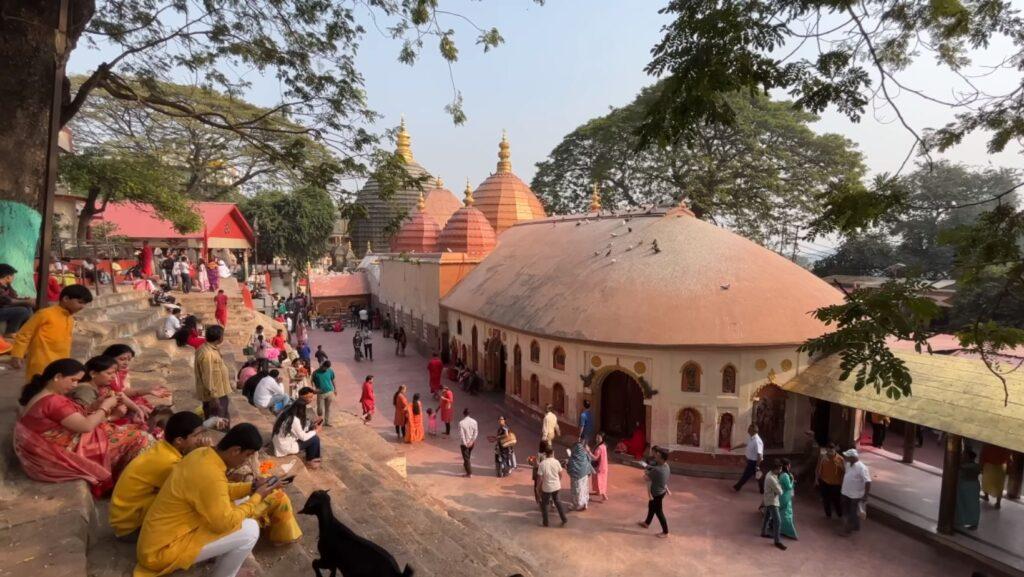
Kamakhya Temple, perched on the Nilachal Hill in Guwahati, Assam, is a historic and mystical sanctuary that has drawn devotees for centuries. This temple is dedicated to Goddess Kamakhya, an embodiment of Shakti, and is revered as one of the 51 Shakti Pithas in Hinduism. The site is deeply associated with the Shaktism and Tantric sects of Hinduism, making it a significant center for these practices.
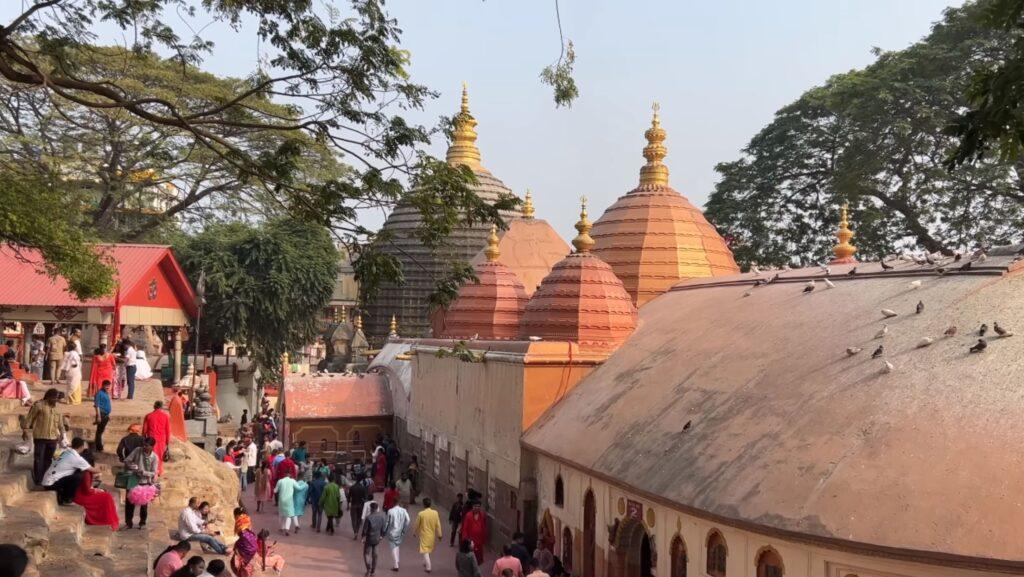
The temple’s architecture is a testament to the various dynasties that have left their mark on this sacred ground. The main temple structure, with its beehive-like shikhara, is a fine example of the Nilachal style of temple architecture.
Kamakhya Temple is deeply rooted in the celestial tale of Goddess Sati. It is believed to be the hallowed ground where Sati’s yoni descended as Lord Shiva mourned her demise. Pivotal moment sanctified the temple grounds, symbolizing the essence of feminine dynamism and fecundity.
Temple’s architectural lineage bears witness to the myriad dynasties that have sculpted its destiny. The primary edifice, harking back to the 8th-9th centuries, is distinguished by the Nilachal architectural motif, marked by its dome-shaped shikhara. Temple has undergone numerous restorations, with notable enhancements from the Koch and Ahom monarchs, who fused local artistry with classical Hindu temple architecture.
More than a pilgrimage destination, Kamakhya Temple is a bastion of Tantric rites. The annual Ambubachi Mela, commemorating the goddess’s menstrual cycle, beckons a global congregation of the faithful. The temple’s chronicles are also intertwined with its stature as a symbol of regional sovereignty, having garnered patronage from the Mlechchha dynasty of Kamarupa, succeeded by the Palas, the Koch, and the Ahoms. The Kalika Purana, composed during the Pala dynasty, further enshrined the temple’s eminence by associating Naraka, the progenitor of the region, with Goddess Kamakhya.
In contemporary times, Kamakhya Temple continues to thrive as a dynamic site of devotion, celebrating the enduring customs of Shaktism. Its storied past, spanning myriad generations, remains a source of inspiration for those in pursuit of spiritual awakening and a deeper communion with the divine feminine essence.
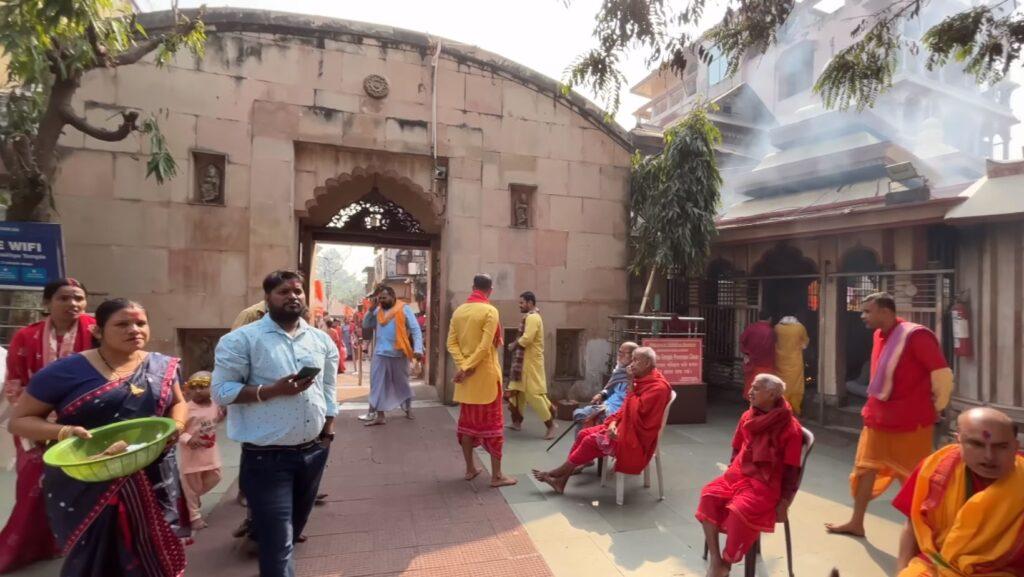
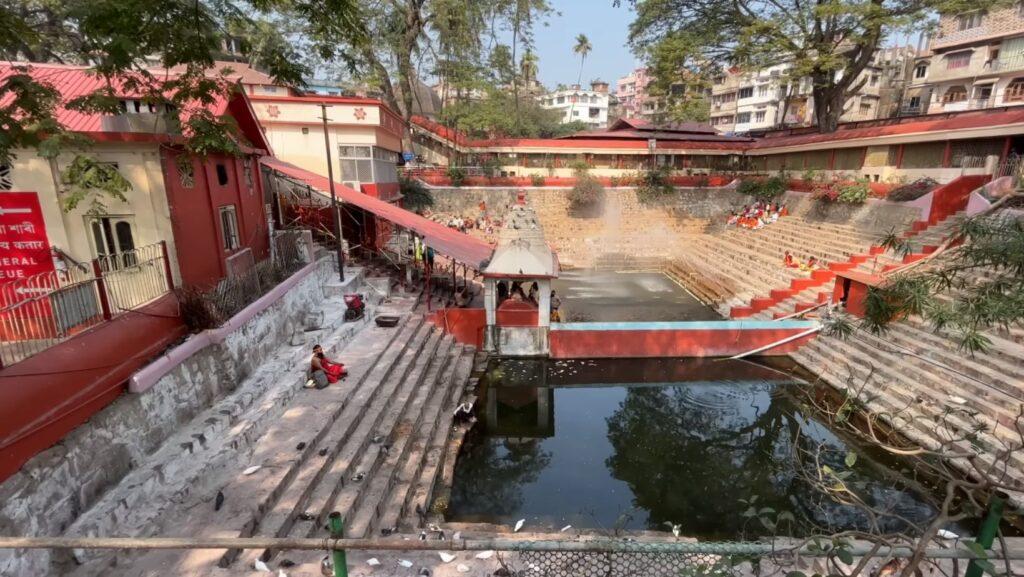
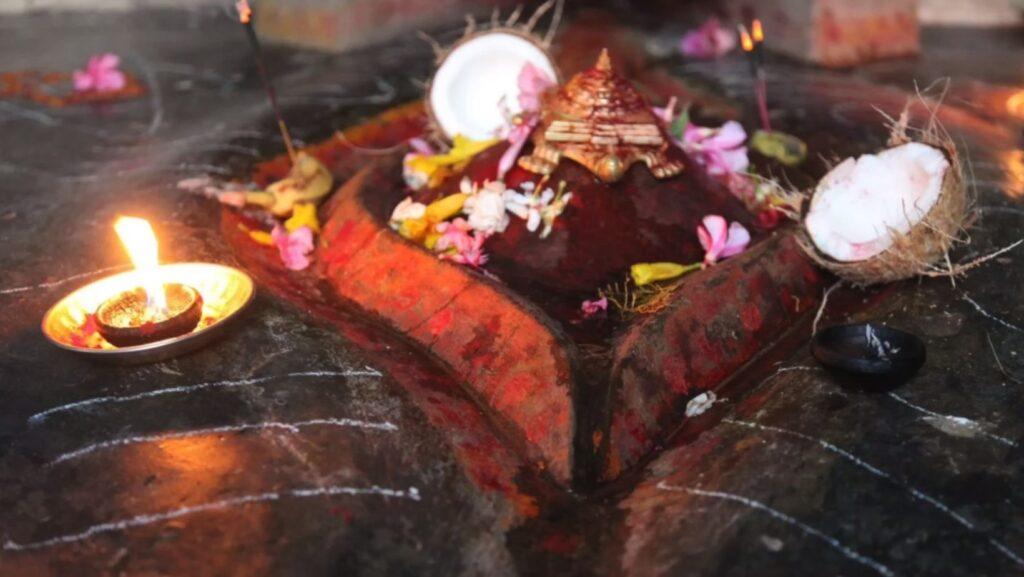
Kamakhya Temple is a fine example of Assam’s unique architectural style, blending Nagara (North Indian) and indigenous elements. The temple complex consists of multiple shrines, with the main sanctum dedicated to Goddess Kamakhya. Key architectural features include:
The temple’s architecture reflects a harmonious blend of spirituality and craftsmanship, with intricate stone carvings depicting mythological scenes, floral motifs, and deities.
The Kamakhya Temple is one of the most important centers of Tantric Hinduism. Tantra, a spiritual tradition that emphasizes the worship of Shakti and esoteric rituals, finds a profound expression here. The temple’s rituals, including animal sacrifices (now less common due to ethical concerns), are performed with great reverence and secrecy. The sanctum’s yoni stone is believed to possess immense spiritual power, attracting Tantric practitioners and devotees seeking blessings for fertility, prosperity, and spiritual awakening.
The Ambubachi Mela, held annually during the monsoon season (usually June or July), is the temple’s most significant festival. It celebrates the goddess’s menstruation cycle, symbolizing the earth’s fertility. During this four-day event, the temple remains closed as the goddess is believed to be in her menstrual phase. Devotees throng the temple to participate in rituals, meditate, and seek blessings. The festival attracts sadhus, Tantric practitioners, and pilgrims from across India and beyond, making it a vibrant cultural and spiritual event.
Apart from Ambubachi Mela, the temple celebrates festivals like Durga Puja, Navratri, and Manasa Puja with great fervor. These occasions see elaborate rituals, devotional music, and vibrant processions, adding to the temple’s spiritual vibrancy.
The Kamakhya Temple is open to devotees and visitors throughout the year, with specific timings for darshan (viewing of the deity) and rituals. The general timings are:
Note: Timings may vary slightly during festivals or special occasions. During Ambubachi Mela, the temple remains closed for three days, and darshan resumes on the fourth day.
The temple follows a structured schedule of rituals, including:
Devotees are expected to maintain cleanliness, dress modestly, and follow the temple’s guidelines, such as removing footwear and avoiding non-vegetarian food on the premises.
Visiting the Kamakhya Temple, a revered shrine nestled atop the Nilachal Hill in Guwahati, Assam, is a spiritually enriching experience for many. To make the most of your pilgrimage or tour, it’s essential to choose the best time for your visit. Here’s a comprehensive guide to help you plan your journey:
Kamakhya Temple is one of the oldest and most revered centers of Tantric practices, dating back to the 8th-9th century. One of the oldest of the 51 Shakti Pithas in the Shakta tradition, where it is believed the goddess Sati’s yoni fell.
Temple is open for darshan from 8:00 AM to 1:00 PM and then from 2:30 PM to 5:30 PM.
To Reach way to the Kamakhya Temple:
Nearest airport is the Lokpriya Gopinath Bordoloi International Airport (GAU), located about 20 kilometers from the temple. It connects Guwahati with major cities in India and some international destinations. Upon arrival, you can hire a taxi or opt for bus services to reach the temple.
Guwahati Railway Station (GHY) is the primary railhead serving the city and is approximately 8 kilometers from the temple. It’s a major hub with trains connecting to various parts of India. From the station, taxis, auto-rickshaws, and buses are available to take you to the temple.
Inter-State Bus Terminal (ISBT) in Guwahati is around 11 kilometers from the temple. Assam State Transport Corporation (ASTC) and several private operators run buses to Guwahati from neighboring states and cities. Local buses, taxis, and auto-rickshaws can be taken from ISBT to the temple.
Taxis are readily available throughout Guwahati and offer a comfortable ride to the temple. You can also use app-based cab services for a hassle-free experience.
For those already in Guwahati, local transport like auto-rickshaws and cycle-rickshaws provide an economical and authentic way to reach the temple.
While visiting the Kamakhya Temple, explore these nearby attractions in Guwahati:
Kamakhya Temple in Guwahati. Immerse yourself in its storied past, observe the sacred rituals, and choose the perfect time for an experience that resonates with your soul. Don’t wait any longer; plan your pilgrimage to this divine sanctuary today and be part of a timeless tradition!
Kaziranga National Park’s reopening on October 1, 2025, signals the start of a new season filled with wildlife…
Nehru Park stands as a verdant retreat, offering a slice of tranquility to locals and tourists alike. As…
Assam State Museum stands as a sentinel of history, offering an immersive journey through time. This prestigious institution…