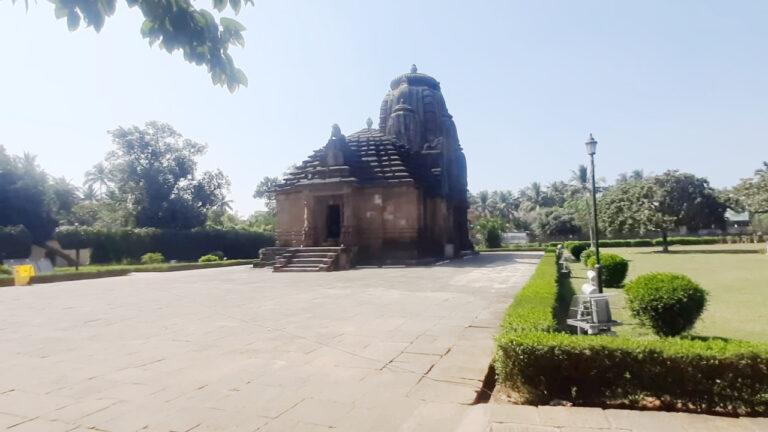
Rajarani Temple: History, Timings, Ticket Price, Architecture!
Rajarani Temple History Rajarani Temple is an 11th-century Hindu temple located in Bhubaneswar, the capital city of Odisha,…
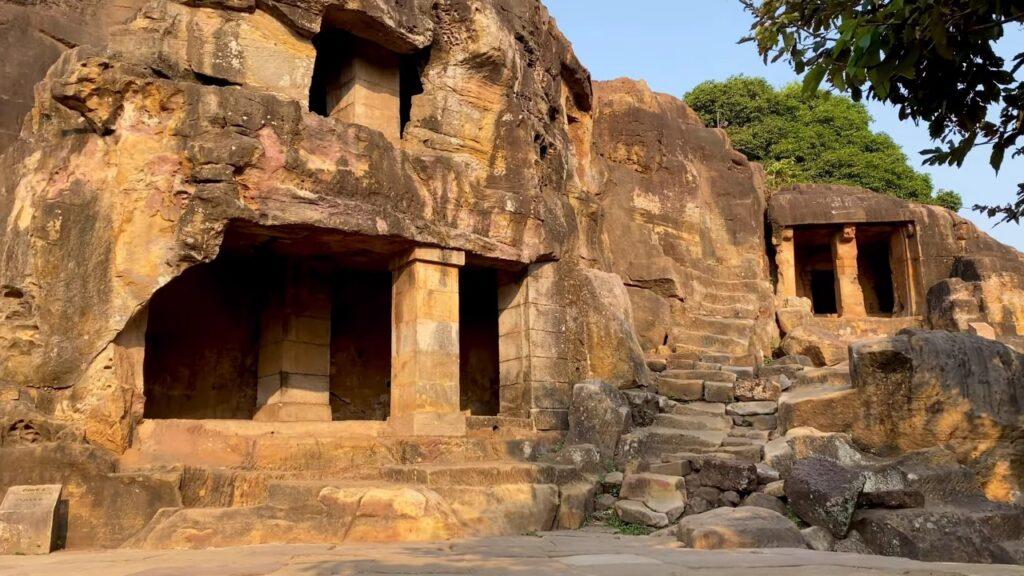
Udayagiri and Khandagiri Caves are renowned for their historical and cultural importance, representing some of the earliest examples of Jain rock-cut architecture in eastern India. These caves were primarily excavated during the reign of King Kharavela in the 1st century BC, serving as a sanctuary for Jain monks.
Caves are divided between two hills: Udayagiri and Khandagiri. Udayagiri, meaning “Hill of Sunrise,” contains 18 caves, including the magnificent Rani Gumpha (Queen’s Cave), known for its two-storied structure and intricate carvings of dancing women, musicians, and royal scenes. Hathi Gumpha (Cave 14) and Ganesha Gumpha (Cave 10) are also notable for their historical inscriptions and detailed sculptures.
Khandagiri, with 15 caves, features the impressive Ananta Gumpha (Cave 3), famous for its serpent carvings at the entrance. The Navamuni Gumpha (Cave 7) and Barabhuji Gumpha also house significant sculptures of Jain Tirthankaras and Sasana Devis. From the summit of Khandagiri, visitors can enjoy a splendid view of Bhubaneswar.
Udayagiri and Khandagiri Caves get their names from the hills they are situated on. These caves were excavated during the reign of King Kharavela in the 1st century BC and served as dwelling places for Jain monks. With a total of 33 rock-cut caves, 18 on Udayagiri hill and 15 on Khandagiri hill, these caves are a testimony to the early Jaina rock-cut architecture in eastern India.
Rani Gumpha in Udayagiri and the Ananta Gumpha in Khandagiri are particularly noteworthy for their architectural beauty and historical importance.
Udayagiri and Khandagiri Caves are open to visitors from 9 AM to 5 PM. These timings allow tourists to explore the historical site and appreciate the ancient rock-cut architecture at a leisurely pace.
Entry tickets for the Udayagiri and Khandagiri Caves are priced as follows:
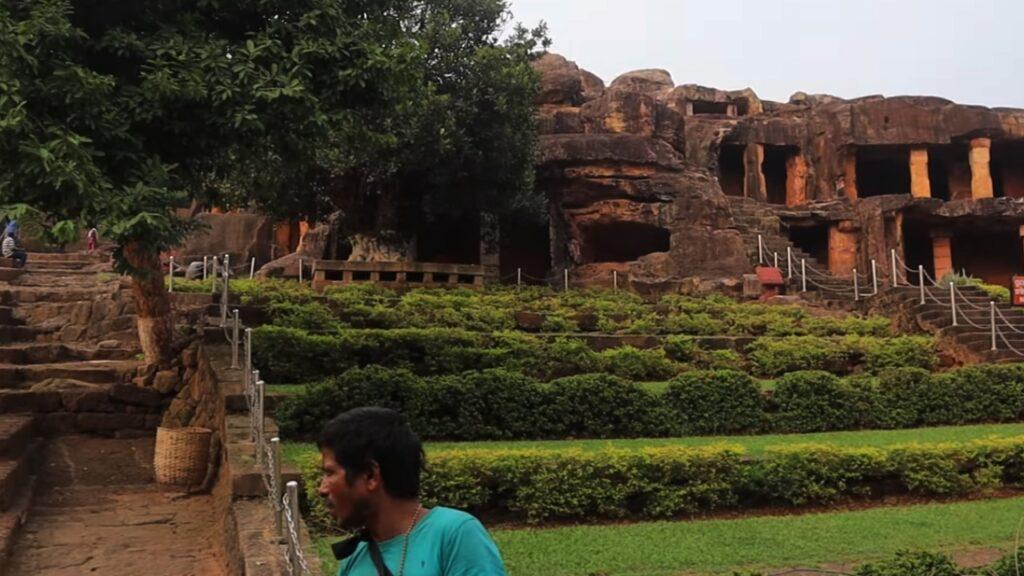
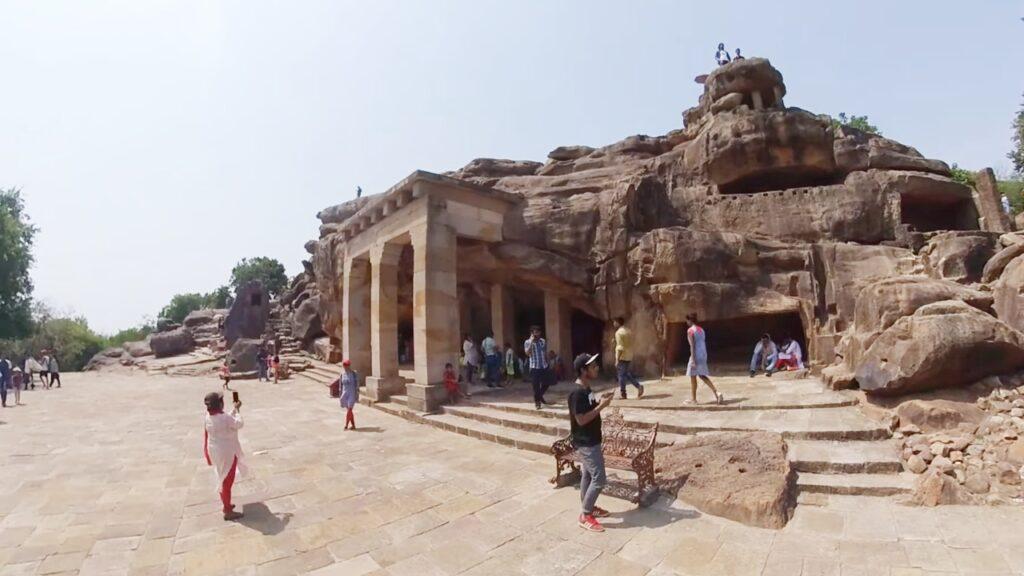
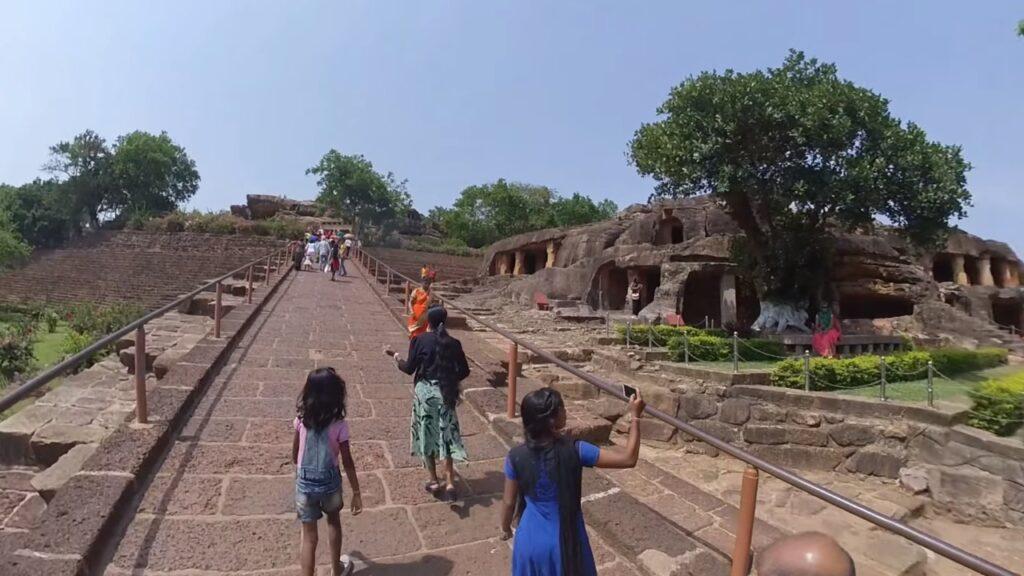
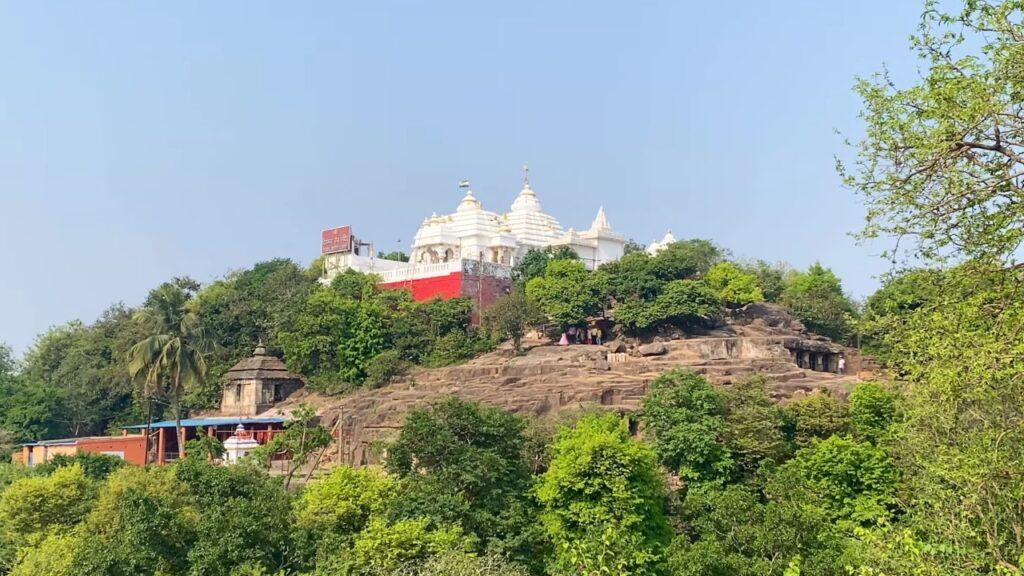
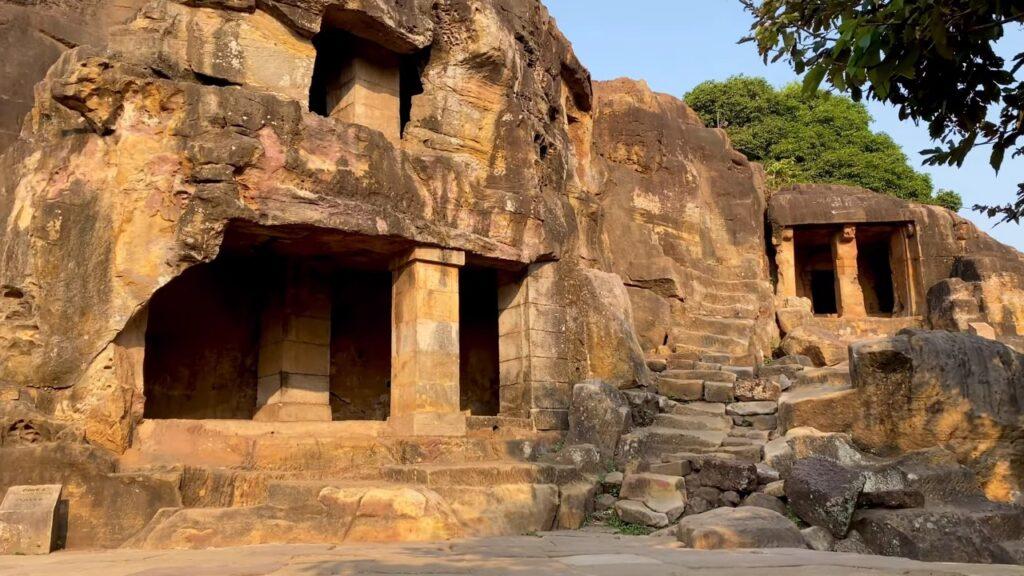
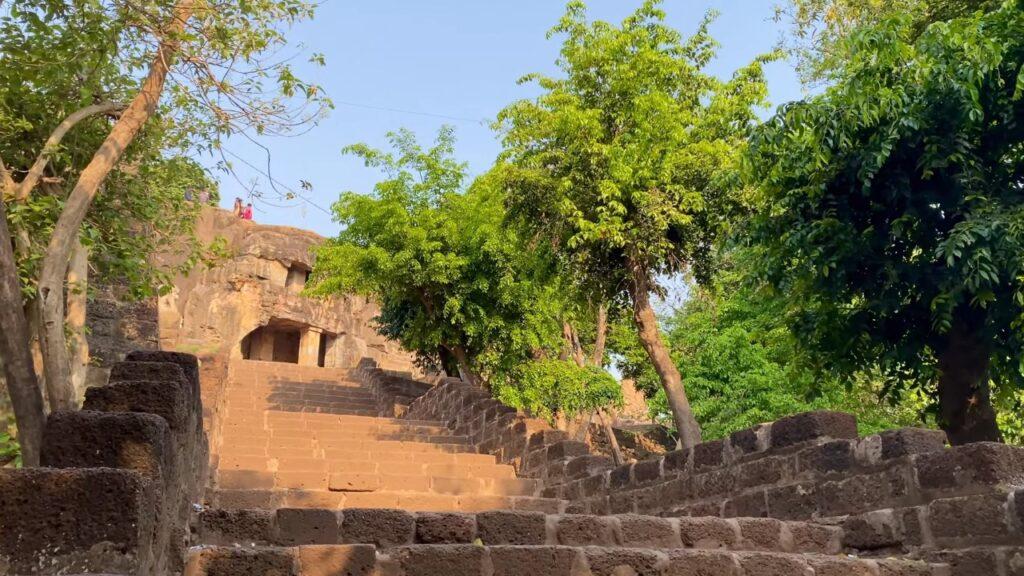
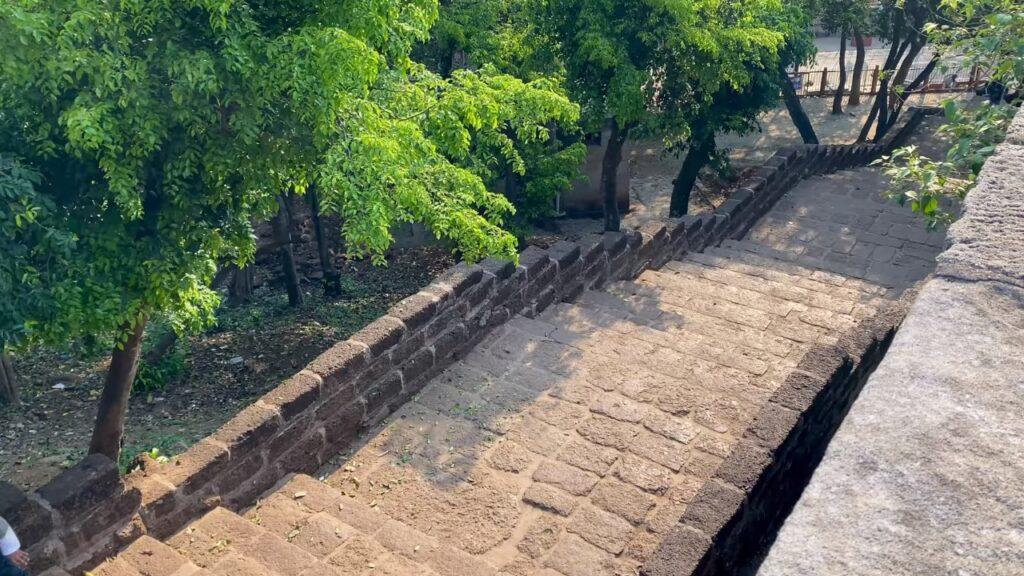
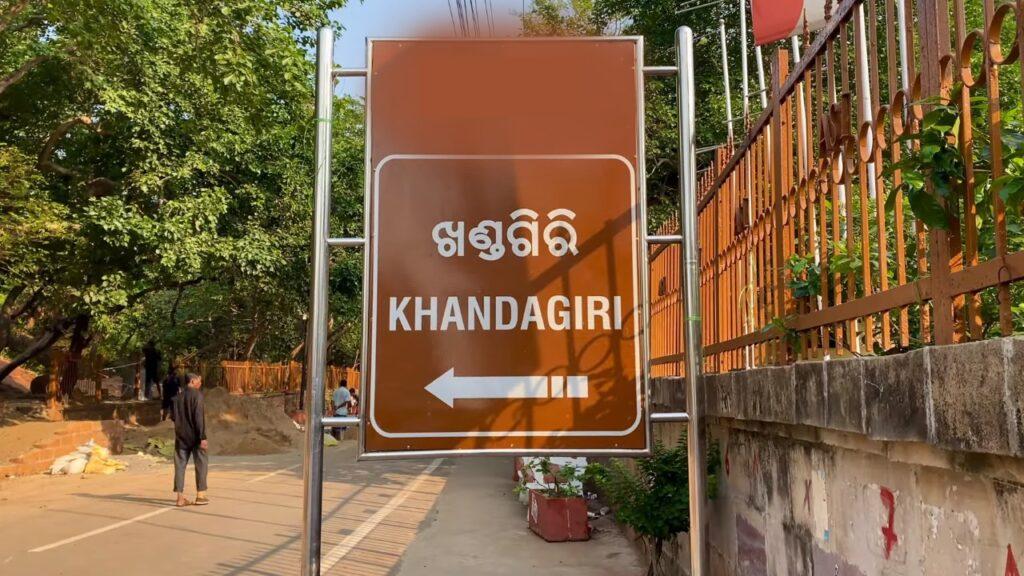
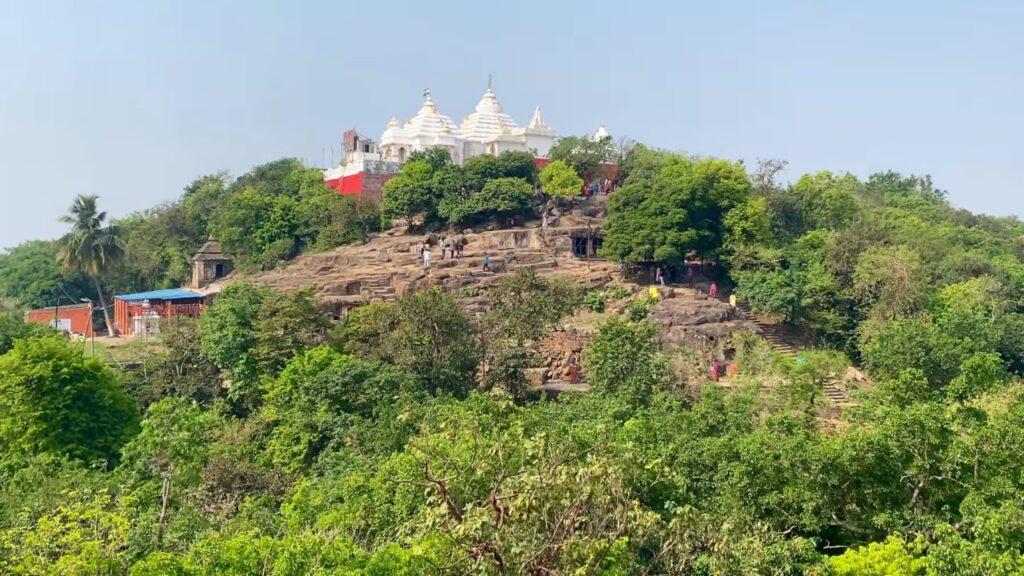
Udayagiri and Khandagiri Caves are ancient Jain rock-cut caves located near Bhubaneswar, Odisha. They are known for their historical significance and intricate carvings.
Best time to visit is between November and February when the weather is cooler and more comfortable for exploring the caves.
Yes, there is an entry fee. For Indian nationals, it’s INR 15, and for foreign nationals, it’s INR 200.
Caves are open from 9 AM to 5 PM. It’s advisable to check for any changes in timings before your visit.
Caves are located about 9 km from Bhubaneswar Railway Station. You can take a cab or auto-rickshaw to reach the site.
Yes, photography is allowed inside the caves. There might be a separate charge for using a camera.
Basic facilities like parking and restrooms are available. it’s best to carry your own water and snacks.
Comfortable footwear is recommended as you will need to walk and climb steps. Also, consider modest clothing out of respect for the site’s religious significance.
Udayagiri and Khandagiri caves are renowned for their multi-tiered, rock-cut architecture, which has withstood the test of time. Caves are exceptionally well-preserved, showcasing brilliant art and architecture from ancient times.
Unlike many other historical sites where carvings and sculptures have deteriorated, Udayagiri and Khandagiri retain major artworks that remain intact and accessible for exploration. Due to the complex layout of the caves, it is highly recommended to hire a guide for easier navigation and to gain deeper insights into the rich historical and cultural significance of these fascinating structures.
Rajarani Temple History Rajarani Temple is an 11th-century Hindu temple located in Bhubaneswar, the capital city of Odisha,…
Bhubaneswar, the capital of Odisha, unveils an ancient treasure trove of temples and caves, tracing back to the…
Category Details Entry Fee ₹40 per person Parking Charges ₹20 for two-wheelers Phone 0674 235 5400 Rating ⭐…