GCC Unified Tourist Visa: Top 10 Itinerary Ideas for Travelers Across the Gulf
The GCC Unified Tourist Visa is a significant step towards simplifying travel across the Gulf Cooperation Council (GCC)…

In 2025, Germany has emerged as one of the top destinations for ambitious professionals aiming to build high-paying careers in Europe. While countries like the USA, UK, and Canada continue to attract global talent, Germany’s unique immigration route — the Germany job seeker visa — has started drawing attention for its flexibility, ease of access, and long-term benefits. This visa program offers foreign nationals the opportunity to enter Germany without a job offer and search for employment on-ground.
Germany Visa Process: Eligibility, Application & Processing Time
With Germany facing ongoing labor shortages and an aging population, the demand for skilled workers is at an all-time high. For many, the job seeker visa has become the most underrated yet powerful stepping stone to secure a six-figure salary and settle in one of Europe’s strongest economies.
The Germany job seeker visa is a long-term residence permit that allows skilled professionals to stay in Germany for up to six months to find a job. It does not require an employment offer in advance, making it different from most work visas globally. The visa is targeted at highly educated individuals, technical experts, and experienced workers across sectors like IT, engineering, healthcare, finance, and skilled trades.
German Visa Application: Apply for Tourist, Work, or Student
Applicants are granted legal permission to live in Germany, attend interviews, meet recruiters, and actively apply for jobs during their stay. If they receive a job offer that meets certain conditions, they can convert their visa into a work permit or EU Blue Card without leaving the country.
To apply for the Germany job seeker visa in 2025, candidates must meet specific eligibility requirements. Applicants need to hold a recognized university degree or equivalent professional qualification. Degrees must be evaluated and recognized by German authorities through the Anabin database. Additionally, a minimum of five years of professional work experience relevant to your field is recommended. Financial stability is crucial — you must show proof of funds (currently estimated at €1,200 per month, totaling €7,200 for six months) in a blocked bank account to ensure you can support yourself during your stay.
Having valid health insurance that covers your stay in Germany is mandatory. While knowledge of the German language is not officially required, having at least an A2 to B1 level in German significantly improves your employability and visa approval chances. Those with certifications in STEM fields, vocational training, or experience in high-demand sectors are especially encouraged to apply.
The application process for the Germany job seeker visa in 2025 has become more streamlined with digital appointment booking and application tracking in many countries. Here’s how to apply:
Once approved, you will receive a visa allowing entry to Germany to begin your six-month job search period.
After arriving in Germany, your first step should be registering your local address (Anmeldung) within 14 days. This is essential for opening a bank account, getting a SIM card, or renting an apartment. You should also apply for a tax ID (Steueridentifikationsnummer) and social security number. With these in place, you can start applying for jobs, attending interviews, and networking with potential employers.
You are not allowed to work full-time during the job seeker visa period, but you can engage in trial work (up to 10 hours a week) or internships that help employers evaluate your fit. If you receive a job offer that meets the requirements for a work visa or EU Blue Card, you can immediately apply for a residence permit and begin working without leaving the country. This transition process is one of the most significant benefits of this visa.
The Germany job seeker visa offers several major advantages in 2025. First, it allows job seekers to be physically present in Germany, giving them access to local hiring events, recruitment agencies, and direct employer interactions. This is far more effective than remote job applications from abroad. Second, the absence of a job offer requirement makes it accessible to a wider pool of qualified professionals.
Another major benefit is the visa’s role as a gateway to the EU Blue Card and permanent residency. Once employed, professionals can transition to long-term work permits, gain access to Germany’s social benefits, and eventually qualify for permanent residence. The visa also acts as a strategic pathway for those who wish to bring their families to Europe, as family reunification becomes easier after obtaining employment.
Germany continues to experience labor shortages in several key industries in 2025. The most in-demand sectors include:
These sectors not only offer high salaries but also job stability, relocation support, and long-term growth potential for foreign workers.
To maximize your chances of success during your job search, preparation is key. Begin by crafting a professional German-style CV and cover letter tailored to each job application. German employers value clarity, honesty, and professional formatting. Highlight your qualifications, work history, and skills in a clear chronological format.
Additionally, start building your professional network before you arrive. Join German LinkedIn groups, register on local job portals like StepStone, Indeed.de, and XING. Attend virtual events and career fairs even before landing in Germany. Learning the basics of the German language is a major plus — it not only improves communication but also shows your commitment to integrating into the culture.
Make use of public job placement services such as the Federal Employment Agency (Bundesagentur für Arbeit), and consider booking consultations with career coaches or mentors specialized in Germany’s job market.
While the Germany job seeker visa is powerful, it comes with challenges. The six-month time frame can be tight if you are unprepared or targeting very competitive fields. Some employers may prefer EU citizens or applicants with fluent German skills. Additionally, navigating the bureaucratic process in a new country can be overwhelming.
To overcome these obstacles, begin your job market research well in advance. Create a clear timeline and application strategy. Use platforms like Make it in Germany, Expatica, and Jobbörse to understand employer expectations. Practice mock interviews in German or English. Stay flexible regarding job location and industry — opportunities in smaller cities may offer better chances than major metros like Berlin or Munich.
Most importantly, stay resilient. Many successful applicants receive offers in their 4th or 5th month, so persistence pays off.
One of the most attractive features of the Germany job seeker visa is its clear progression path. Once you land a job with a minimum salary threshold (currently around €45,300 in 2025), you become eligible for the EU Blue Card. This card offers benefits like a renewable 4-year residence permit, freedom of movement across EU countries, family reunification rights, and simplified access to permanent residency.
After 33 months on the Blue Card (or just 21 months if you demonstrate B1-level German proficiency), you can apply for permanent residency. Following that, German citizenship becomes an option after 6 to 8 years of legal residence. This makes the job seeker visa not just a temporary opportunity but a long-term investment in a European future.
If serious about working in Europe, building a financially secure future, and gaining long-term residence rights, the Germany job seeker visa is your gateway to success. Don’t wait until the secret’s out — act now and position yourself for a prosperous life in Germany.
FAQs
The Germany job seeker visa is a long-term residence permit that allows skilled professionals to stay in Germany for up to six months to find a job. Unlike a work visa, it does not require a job offer beforehand. Once you secure employment, you can convert it into a work visa or EU Blue Card from within Germany.
To be eligible, you must hold a recognized university degree or equivalent professional qualification, have relevant work experience (preferably 5 years), show proof of sufficient funds (around €7,200), and have valid health insurance. While German language skills aren’t mandatory, having A2 to B1 proficiency gives you a competitive edge.
No, full-time work is not allowed during the visa period. However, you may engage in trial work or internships for up to 10 hours a week to demonstrate your skills to potential employers and secure a job offer.
You can apply for any job that matches your qualifications and professional experience. High-demand sectors include IT, engineering, finance, healthcare, and skilled trades. Roles offering salaries over €45,300 annually can lead to eligibility for the EU Blue Card.
Once you receive a valid job offer, you can apply for a residence permit for employment or the EU Blue Card directly in Germany. You must ensure the job meets salary and qualification thresholds as set by the German immigration authorities.
Visa processing typically takes between 4 to 12 weeks after your embassy appointment, depending on your country of application and the completeness of your documents.
If you don’t secure employment within the visa period, you must leave Germany. However, you can reapply for the job seeker visa later if you meet the eligibility criteria again or try other immigration pathways based on further qualifications or language progress.
You must prove that you can support yourself during your stay. As of 2025, this means showing around €1,200 per month (totaling €7,200 for six months) in a blocked account. This ensures you won’t rely on public funds.
Yes. After securing a job and obtaining the EU Blue Card, you can apply for permanent residency within 21 to 33 months. Citizenship becomes possible after 6 to 8 years of legal residence in Germany, making this visa a strategic first step toward a long-term future in Europe.
Most professionals overlook this visa because it doesn’t guarantee a job upfront. However, it gives you a unique opportunity to enter the EU legally, job-hunt locally, and access high-paying roles across tech, healthcare, and engineering — many of which pay well above €100,000 annually.
The GCC Unified Tourist Visa is a significant step towards simplifying travel across the Gulf Cooperation Council (GCC)…
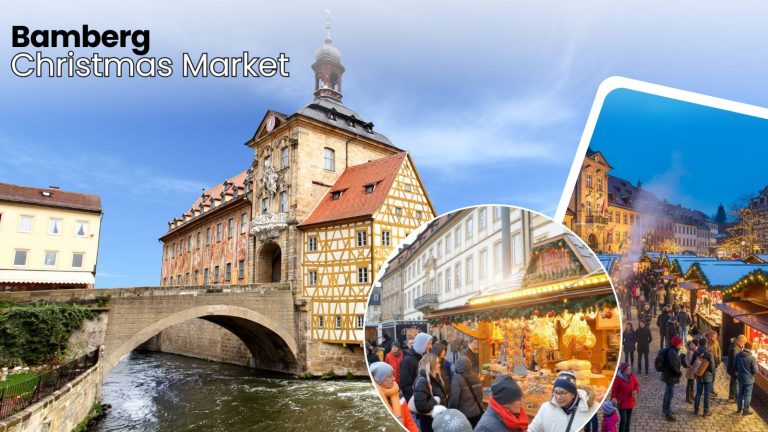
The Bamberg Christmas Market is not just any holiday market—it’s a celebration of tradition, craftsmanship, and festive charm,…
Bamberg, a UNESCO World Heritage city in the heart of Franconia, Germany, is celebrated not just for its…