GCC Unified Tourist Visa: Top 10 Itinerary Ideas for Travelers Across the Gulf
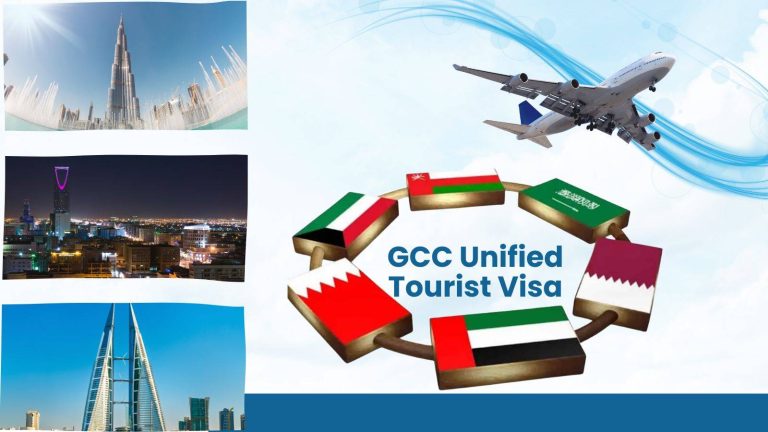
The GCC Unified Tourist Visa is a significant step towards simplifying travel across the Gulf Cooperation Council (GCC)…

Shopping online, traveling internationally, or managing daily expenses, a Visa Card offers a secure, flexible, and globally accepted payment solution. With added benefits like fraud protection, cashback rewards, and easy installment options, Visa cards cater to both personal and business needs. Why a Visa Card is essential can help you make informed financial decisions and take advantage of its numerous perks.
Visa card is a payment card that uses the Visa network and is branded with a Visa logo. San Francisco-based company began with just credit cards but later expanded to include debit, prepaid, and gift cards. Although Visa cards bear Visa’s name and logo, they are not issued by Visa but instead by partner financial institutions and banks.
Visa Card works as a payment tool that allows users to make transactions electronically, whether for shopping, bill payments, or travel bookings. Here’s how it functions:
Visa also offers fraud protection, encryption, and worldwide acceptance, making transactions safe, fast, and convenient.
Several different types of payment cards are branded with the Visa logo and use the Visa payment processing network: credit cards, debit cards, prepaid cards, and gift cards. How each of them works.
Banks and financial institutions issue Visa credit cards to consumers who meet their creditworthiness criteria, which typically includes a review of their credit report, income, and financial history. Like all credit cards, Visa cards offer both convenience and security, making them widely accepted at merchants and ATMs worldwide.
Depending on the specific card and issuer, Visa credit cards may offer:
All Visa credit cards come with the Visa Zero Liability Policy, ensuring that cardholders are not responsible for unauthorized transactions. Under U.S. federal law, liability for fraudulent charges is generally limited to $50.
Card issuers set the interest rates and may charge additional fees, including:
Visa credit cards provide flexibility, security, and rewards, making them a popular choice for consumers worldwide. Before applying, it’s essential to compare different Visa cards and understand their terms to maximize benefits.
Visa debit card is directly linked to the cardholder’s bank account, usually a checking account. Like a credit card, it allows users to make purchases at retail stores, online merchants, and ATMs. However, unlike credit cards, Visa debit cards do not offer credit—transactions are limited to the available balance in the linked account.
Visa debit cards come with the Visa Zero Liability Policy, ensuring that cardholders are not responsible for unauthorized transactions if their card is lost or stolen.
Visa debit card combines the convenience of a credit card with the financial control of a checking account, making it an essential tool for day-to-day spending.
Visa prepaid card functions like a debit card, but it is not linked to a bank account. Instead, it comes preloaded with a set amount of money, which serves as a spending limit. Once the balance is used up, the cardholder cannot spend beyond the available amount, though some Visa prepaid cards allow reloading for continued use.
Visa prepaid cards are widely accepted at retail stores, online merchants, and ATMs—anywhere Visa is accepted.
Visa offers several specialized prepaid cards tailored for different needs:
Visa prepaid cards provide a secure, convenient, and controlled way to manage money without needing a traditional bank account.
Visa Gift Card is a preloaded payment card that works like a prepaid card, allowing recipients to make purchases anywhere Visa is accepted, including online and in-store retailers. However, unlike standard prepaid cards, Visa Gift Cards cannot be reloaded—once the preloaded balance is spent, the card becomes inactive.
Visa Gift Cards offer a secure, flexible, and universally accepted gifting solution, making them ideal for birthdays, holidays, and special occasions.
Both Visa and Mastercard are vast, worldwide payment networks with similar operations. Neither issues its own credit cards but instead partners with banks and other financial institutions that do. Consumers with both types of cards may notice little or no difference between them. Conversely, American Express and Discover are payment networks that issue credit cards through their own banking affiliates.
FAQs
Visa Card is a payment card that allows users to make transactions worldwide, including online shopping, ATM withdrawals, and in-store purchases.
Apply for a Visa Card through your bank or financial institution by filling out an application form online or at a branch.
Visa offers various types of cards, including Visa Debit, Visa Credit, Visa Prepaid, and Visa Business Cards.
Visa Debit Card is linked to your bank account and deducts funds directly, whereas a Visa Credit Card allows you to borrow money up to a credit limit.
Activate your Visa Card by calling the bank’s customer service, using an ATM, or through online/mobile banking.
The GCC Unified Tourist Visa is a significant step towards simplifying travel across the Gulf Cooperation Council (GCC)…
The H-1B visa remains one of the most important work visas for skilled professionals looking to work in…
TN visa is a non-immigrant classification that enables eligible Canadian and Mexican citizens to work in the United…