
Andorra Passport: Travel, Tax, Benefits and Residency Perks Explained
Andorra, a small yet thriving principality nestled between France and Spain in the Pyrenees mountains, has become an…
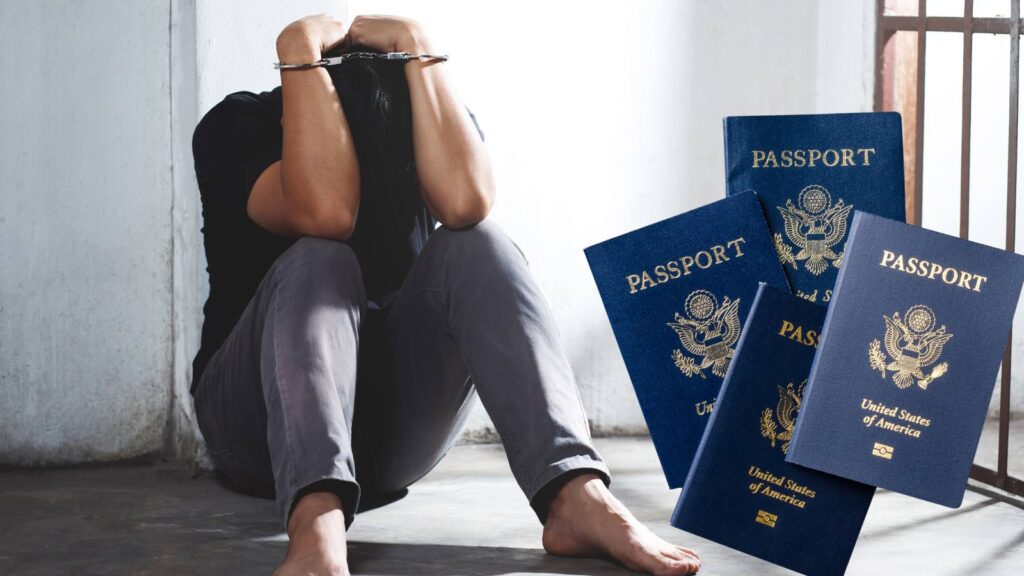
For most Americans, a passport is simply a travel document that allows them to explore the world beyond U.S. borders. For those with a criminal record, especially a felony conviction, the situation becomes more complicated. The question “can a felon get a passport?” often arises because of uncertainty surrounding legal restrictions, probation conditions, and state-specific rules.
How to Track Passport Status Application?
Get to know in detail the rules, timelines, and restrictions that apply, along with practical advice for felons who want to secure a passport.
A felony conviction does not automatically prevent someone from receiving a passport. The U.S. Department of State, which oversees passport issuance, does not generally deny an application simply because an applicant has a felony on their record. Circumstances surrounding the felony can create obstacles.
For example, individuals convicted of international drug trafficking are legally prohibited from obtaining a passport under federal law. Similarly, if a felon is currently under a court order that restricts travel, the Department of State will not override that restriction. Financial responsibilities also play a role. Anyone who owes more than $2,500 in child support arrears or significant federal taxes can be denied a passport until those debts are cleared.
Therefore, while the majority of felons remain eligible, the specific nature of the crime and ongoing obligations can directly impact approval.
When it comes to passports, felons are often confused about whether there is a specific waiting period before they can apply. Unlike voting rights or firearm ownership, there is no universal waiting period for felons to obtain a passport.
The ability to apply depends entirely on the completion of legal requirements, outstanding obligations, and the type of crime committed. Below, I’ll break down the timelines in detail to make the process clearer.
Once a felon has completed incarceration, probation, or parole, and has fulfilled all obligations such as paying fines and restitution, they may be able to apply for a passport immediately. This means there is no built-in delay once the legal sentence is considered fully complete. State Department may review the application carefully to ensure that all requirements have been satisfied.
For example, if even a small portion of restitution is unpaid, the application could be put on hold. Completing all terms of the sentence is the key factor here, and many felons have successfully received their passports right after meeting these conditions.
While technically eligible to apply for a passport, felons under probation or parole supervision face strict travel restrictions. In most cases, international travel is not permitted without written approval from the supervising officer or court. This means that even if a passport is issued, it cannot legally be used without authorization.
Attempting to travel abroad without such permission could result in a probation violation, leading to further legal trouble. Therefore, although the law doesn’t automatically bar a passport application during this period, practical restrictions usually prevent felons from enjoying international travel until supervision ends.
Financial obligations play a major role in determining when a felon can get a passport. If court-ordered fines, fees, or restitution payments remain unpaid, the U.S. State Department has the authority to delay or deny a passport application. For some individuals, this can add several years to their waiting period, as unpaid debts must be fully cleared before eligibility is restored.
This rule is especially strict when it comes to restitution owed to victims, as the justice system prioritizes repayment. Felons should focus on fulfilling all financial obligations promptly to avoid unnecessary delays in passport approval.
Not all felons can obtain a passport, no matter how much time has passed. Certain federal convictions carry lifetime travel restrictions, particularly those involving international drug trafficking, human trafficking, or other serious federal crimes. In these cases, the U.S. government will deny a passport outright, as international travel could pose a legal or security risk.
For example, individuals convicted of crossing borders to distribute illegal substances are specifically barred from passport eligibility under federal law. These restrictions are permanent and not based on timelines, meaning affected felons will never qualify for a passport.
The idea of a “seven-year rule” is common but misleading. There is no law that grants automatic passport eligibility to felons after seven years. Instead, passport approval continues to depend on whether legal restrictions remain active.
That said, seven years is often significant for other reasons. Many probation and parole sentences are completed within that time frame, meaning felons are no longer under supervision and thus face fewer restrictions. In some states, criminal records may be sealed or expunged after a certain period, which may reduce scrutiny during background checks, though this does not directly affect passport eligibility.
Therefore, while seven years may mark a turning point for many felons, it is not a guaranteed timeline for receiving a passport. The determining factor remains whether obligations like supervision, restitution, or court orders are still active.
Holding a U.S. passport is only one part of international travel. Felons also need to consider both U.S. exit requirements and the entry requirements of foreign countries.
This means felons must research not only whether they can obtain a passport but also whether their destination country will admit them.
Florida is often at the center of discussions about felon rights because of its strict laws regarding civil rights restoration. While passport issuance is a federal matter, state laws influence how and when a felon can travel.
In Florida, probation and parole conditions are often stricter than in other states, and international travel is usually prohibited unless specifically approved by a judge. Additionally, Florida law enforces strict payment of restitution and child support, which can further delay eligibility.
For example, a Florida felon who has completed prison time but still owes restitution may not be able to obtain or use a passport until all debts are cleared. This highlights how state enforcement of financial and legal obligations can indirectly delay federal approval of a passport application.
Passports fall under federal jurisdiction, meaning the U.S. Department of State makes the ultimate decision. However, states play a role when probation, parole, or court orders restrict travel.
Thus, both levels of law must be considered before applying for or attempting international travel.
Certain felonies and related conditions directly block a person from obtaining a passport:
These restrictions aim to ensure that individuals do not evade justice, neglect financial responsibilities, or commit further crimes abroad.
Probation is one of the most common obstacles for felons applying for a passport. Although the U.S. Department of State may approve an application, probation terms often prohibit international travel.
Probation conditions generally require individuals to remain within the state or county where they reside. Traveling outside the U.S. usually requires written approval from the court or probation officer, which is rarely granted except in exceptional circumstances such as family emergencies or work-related travel. Attempting to travel without permission can result in probation violations, additional sentencing, or even imprisonment.
In practice, this means that while a felon may technically receive a passport during probation, using it to travel abroad is nearly impossible until the probation term ends.
Felons who want to improve their chances of obtaining a passport should consider the following steps:
By addressing legal and financial responsibilities in advance, felons can significantly improve their chances of obtaining a passport and preparing for international travel.
Understanding these rules and taking proactive steps ensures that felons know exactly what to expect when applying for a passport and planning international travel.
FAQs
Yes, most felons can apply for a passport once they have completed their sentence, probation, or parole, and have no outstanding court or financial obligations.
No, if a felon owes more than $2,500 in child support, the U.S. Department of State will deny their passport application until the balance is paid.
Technically, yes, but most courts restrict international travel during probation. Even with a passport, a felon would need official permission to leave the country.
No, federal law prohibits anyone convicted of international drug trafficking from obtaining a passport, regardless of whether they completed their sentence.
There is no official seven-year rule. A felon can get a passport once all legal obligations are met, but waiting 7 years does not automatically restore eligibility.
Yes, but Florida courts often impose strict probation and parole rules. A felon must complete all state obligations before using a passport for international travel.
No, the State Department may deny or revoke passports for individuals who owe significant federal taxes until they enter a repayment agreement or settle the debt.
Not always. While the U.S. may issue a passport, many countries refuse entry to felons, especially those convicted of violent crimes, fraud, or drug offenses.
No, individuals with outstanding arrest warrants cannot obtain a passport. Applying may even alert authorities to their location and result in arrest.
Yes, if they already had a passport before conviction and are not under restrictions such as probation, parole, or unpaid debts, they may renew it as normal.
Andorra, a small yet thriving principality nestled between France and Spain in the Pyrenees mountains, has become an…
Air travel has become an essential mode of transportation for millions of people around the world. Whether you…
Applying for a Canada infant passport can be one of the more time-consuming tasks for new parents, but…